Pack String Outfitters Working in Idaho
Hunting the vast, rugged backcountry of Idaho is a dream for many, but the sheer scale and remoteness of some of the most sought-after big game areas can feel utterly overwhelming. You've spent countless hours pouring over maps, marking drainages, and dreaming of that remote basin where untouched elk herds roam. But then the reality hits: how do you get yourself, all your gear, and hopefully a magnificent animal out of there without breaking your body or your spirit? This guide is here to shed light on the invaluable role of pack string outfitters in Idaho, explaining exactly how they can transform an ambitious dream hunt into a realistic and successful venture.
What Exactly is a Pack String Outfitter and Why You Need One in Idaho
When you hear "outfitter," your mind might jump straight to fully guided, all-inclusive luxury hunts. While many pack string operations offer those high-end experiences, the core service of a pack string outfitter is far more fundamental: transportation and logistics into and out of remote, roadless country using trained horses and mules. Think of them as the ultimate backcountry movers, capable of carrying far more weight and covering more ground than any human could on foot.
The Role of Horses and Mules in Idaho Hunting
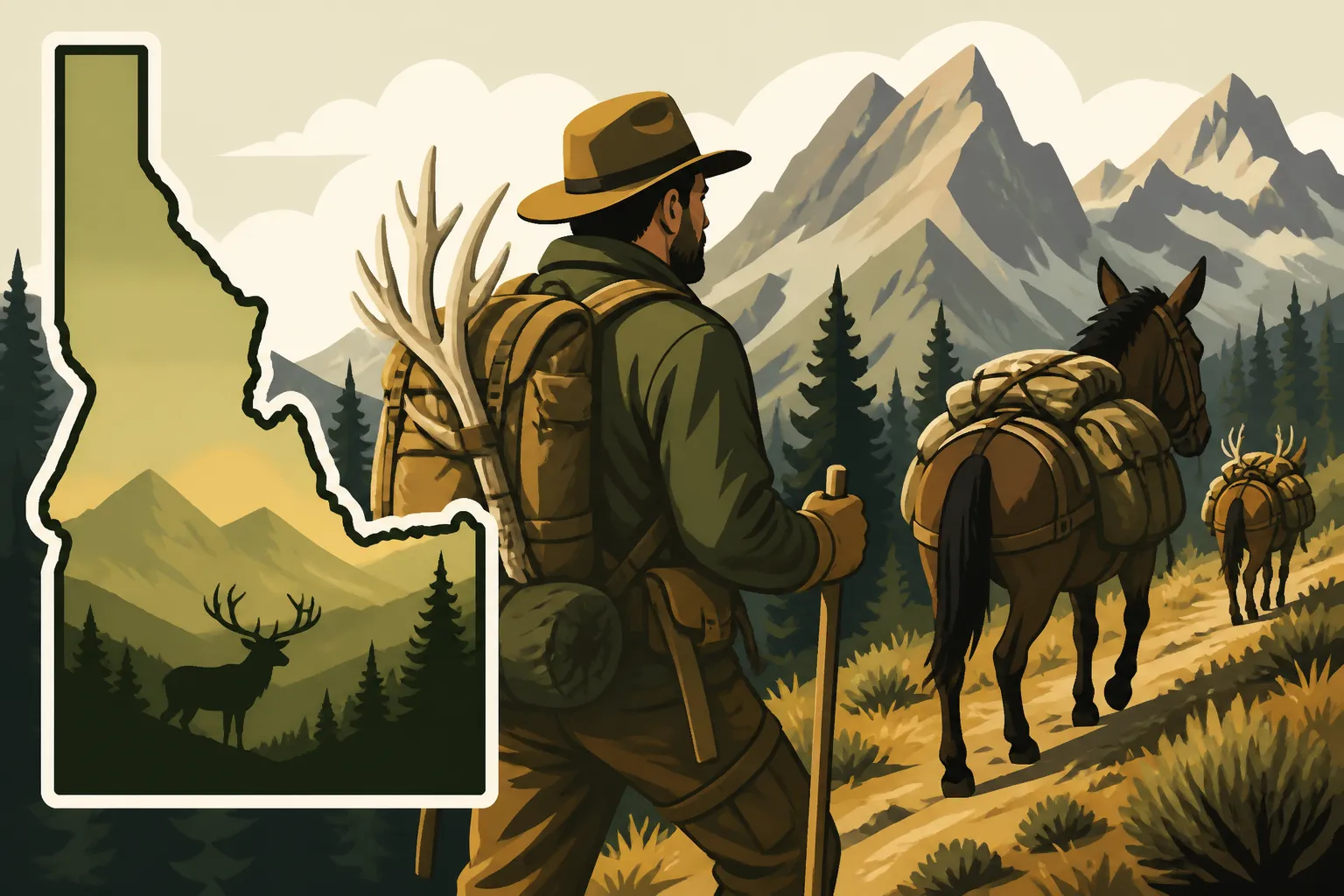
In Idaho's vast national forests and especially its expansive wilderness areas like the Frank Church River of No Return or the Selway-Bitterroot, motorized vehicles are simply not allowed beyond established trailheads. This is where the venerable horse and the tireless mule become indispensable partners. Horses are primarily used for riding, carrying hunters and guides comfortably over long distances and rough terrain. Mules, on the other hand, are the workhorses (pun intended) of the pack string. Bred for strength, sure-footedness, and a calm disposition under heavy loads, they carry all the camp gear, food, water, and later, the meat and antlers from your successful hunt. A skilled packer can lash an incredible amount of weight and awkwardly shaped items, like a full elk quarter or a set of antlers, onto a mule's back, navigating steep trails and river crossings with expertise. It's a skill passed down through generations, essential for surviving and thriving in this rugged landscape.
Accessing Roadless and Wilderness Areas
Idaho boasts some of the largest contiguous wilderness areas in the Lower 48, offering incredible hunting opportunities that are simply inaccessible to the average hunter without mechanical assistance or significant physical prowess. These areas are often miles from the nearest road, requiring multiple days of hiking just to reach prime hunting grounds. This is where the pack string outfitter truly shines. They provide the means to penetrate deep into these remote territories, allowing hunters to access areas that see very little pressure. For many nonresident hunters, the wilderness guide rule in Idaho mandates hiring a licensed outfitter for certain species, like elk, if hunting within designated wilderness boundaries. So, beyond convenience, a pack string outfitter can be a legal necessity. Idaho Forces Nonresidents to Hire a Guide for Wilderness Elk is a critical piece of information here, as it directly impacts your planning.
Saving Your Body for the Hunt
Let's be honest: hunting in Idaho is physically demanding. Carrying a heavy backpack, navigating steep grades, and potentially packing out hundreds of pounds of meat is an arduous task. A pack string outfitter significantly reduces this physical burden. Instead of struggling under a massive pack, you're riding in, saving your energy for the actual hunt itself. When you do find success, the outfitter’s mules can haul out your hard-earned game, preventing what could otherwise be a brutal, multi-day ordeal that tests every fiber of your being. This means you can focus on the hunting, the camaraderie, and soaking in the incredible wilderness experience, rather than being constantly worried about the sheer physical effort of logistics.
The Services and Logistics of an Idaho Pack String Hunt
Pack string outfitters offer a variety of services, ranging from basic transportation to fully catered, multi-day expeditions. Understanding these options is key to choosing the right fit for your hunting style and budget.
Drop Camps: Your Backcountry Home Away From Home
One of the most popular services pack string outfitters provide is the drop camp. Here, the outfitter uses their stock to transport you, your hunting partners, and all of your gear to a pre-arranged, remote camp location. They'll drop off everything you need—tents, cooking supplies, food, sleeping bags, and personal items—and then leave you to hunt independently. At a pre-determined date, they'll return to pack out your camp and any game you've harvested. This is an excellent option for experienced hunters who prefer to call their own shots, do their own cooking, and manage their own hunt strategy, but still need help with the logistical heavy lifting. It allows you to create a comfortable base camp deep in prime hunting territory without the grueling hike-in with a massive pack. You can learn more about this by reading Drop Camps in Idaho's Backcountry.
| Service Type | Description | Ideal Hunter | Key Benefit |
|---|---|---|---|
| Drop Camp | Outfitter packs you and your gear into a pre-set camp, leaves you to hunt independently, then picks up. | Experienced, self-sufficient hunters on a budget. | Access to remote areas with comfortable camp setup. |
| Fully Guided | Everything is handled: guides, horses, camp, food, packing. You hunt with a dedicated guide. | First-timers, less experienced, or those seeking maximum convenience. | Expert guidance, maximum comfort, high success potential (though never guaranteed). |
| Resupply Trip | Outfitter brings in fresh supplies (food, water, feed) or picks up meat/antlers mid-hunt. | Longer expeditions, remote spike camps. | Extends hunt duration, allows for lighter initial packing. |
| Spike Camp Support | Similar to drop camp, but for smaller, more mobile camps often used for a few nights. | Agile hunters moving frequently within a unit. | Flexibility to move deep into new areas as hunt progresses. |
Fully Supported and Guided Hunts
At the other end of the spectrum are fully supported and guided hunts. With this option, the outfitter provides not only the transportation and camp infrastructure but also experienced hunting guides who will lead you on the hunt, scout for game, call animals, and assist with field dressing and packing. You'll typically ride horses daily from a comfortable base camp, and meals are often prepared by a camp cook. This is ideal for hunters who are new to Idaho's terrain, want to maximize their chances with local expertise, or simply prefer a more hands-off, concierge-level experience. While pricier, it removes almost all the logistical headaches and allows you to fully immerse yourself in the hunting experience. Wilderness Pack Trips Built for Hunters often fall into this category, providing a comprehensive backcountry experience.
Packing Out Your Harvest
Even if you choose to backpack into an area on your own, some outfitters offer "pack-out only" services. Imagine this scenario: you've busted your hump, hiked miles into a pristine basin, and finally put down a magnificent bull elk. Now, you're looking at 600+ pounds of meat, hide, and antlers, with several miles of steep, unforgiving terrain between you and your truck. This is the moment when those phone numbers for local outfitters become gold. Contacting a pack string outfitter to arrange for them to ride in and pack out your game can be a lifesaver, both for the quality of your meat and your physical well-being. It prevents the spoilage that can happen with multi-day solo packing efforts and saves your body from potential injury. Without this service, the daunting task of Packing an Elk Out of Steep Country Alone can quickly turn a dream hunt into a nightmare.
Choosing the Right Pack String Outfitter for Your Idaho Adventure
Selecting the right outfitter is crucial for a successful and enjoyable hunting trip. This isn't just about finding someone with horses; it's about finding a reputable, experienced professional who aligns with your hunting goals and personal preferences.
Vetting Licenses and Permits
First and foremost, verify that any outfitter you consider is properly licensed by the Idaho Outfitters and Guides Licensing Board (IOGLB). This board regulates the industry, ensuring that outfitters meet specific standards for safety, experience, and financial responsibility. A legitimate outfitter will be proud to share their license number. Additionally, ensure they have the necessary permits from the land management agencies (e.g., Forest Service, BLM) for the specific areas you plan to hunt. These permits dictate where and how they can operate. You can learn how to check these details by researching The Idaho Outfitters and Guides Licensing Board Explained. Don't skip this step; it protects you and ensures you're dealing with a legitimate business.
Asking the Right Questions
Don't be shy about asking a prospective outfitter a lot of questions. This is a significant investment of your time and money. Here are some key areas to cover:
- Experience: How long have they been operating? How familiar are they with the specific unit or area you're interested in? Ask about their success rates—but remember, ethical outfitters will focus on opportunity, not guarantees.
- Logistics: How many hunters will be in camp? What are the typical daily hunting plans? What kind of food and lodging can you expect for a fully guided hunt, or what gear do you need to provide for a drop camp?
- Safety: What are their emergency plans? Do they have satellite communication devices? What about bear safety protocols, especially in grizzly country?
- Horses and Mules: Are their animals well-trained and well-cared for? If you're riding, what kind of riding experience do they expect from clients? Not every hunter is an expert equestrian, so inquire about the How Much Riding Ability a Horseback Hunt Needs for their particular trips.
- References: Ask for recent references from past clients. This is perhaps the most valuable insight you'll get into an outfitter's operation. Websites like BookYourHunt often feature client reviews, which can give you a starting point for gathering references.
Understanding the Contract and Costs
Before you commit, thoroughly review the outfitter's contract. Pay close attention to:
- Inclusions/Exclusions: What exactly is covered in the price? Tags, licenses, travel to the trailhead, meat processing, taxidermy, and tips are almost always extra.
- Deposit and Payment Schedule: When are payments due?
- Cancellation Policy: What happens if you need to cancel, or if the outfitter has to cancel due to unforeseen circumstances (like wildfires or early season closures)? This is especially critical if you're booking around Idaho's draw calendar, where a tag is not guaranteed.
- Gratuities: Understand their expectations regarding tips for guides and camp staff.
It's tempting to focus solely on the bottom line, but remember that the cheapest option isn't always the best. A quality outfitter provides value through experience, safety, and a well-run operation. While I can't give you exact numbers, fully guided Idaho elk hunts can range from several thousand dollars to well over ten thousand, depending on duration, remoteness, and level of service. Drop camps are generally more affordable, often falling in the mid-range of a few thousand dollars per person. Always check the outfitter's website directly for current pricing.
Preparing for Your Idaho Pack String Adventure
Even with the support of a pack string outfitter, an Idaho backcountry hunt requires preparation on your part. This isn't a passive vacation; it's an active pursuit in a challenging environment.
Physical Conditioning is Still Essential
While you might be riding a horse for much of the journey, you'll still be dismounting, walking through timber, climbing hills to stalk game, and potentially hiking miles a day during the hunt itself. Don't underestimate the physical demands. Begin a consistent fitness regimen months before your hunt. Focus on cardiovascular endurance, leg strength, and core stability. This will not only increase your chances of success but also significantly enhance your enjoyment of the trip. The better your Physical Conditioning for Idaho Backcountry, the more you'll be able to capitalize on opportunities.
Gear and Equipment for Backcountry Hunting
Your outfitter will provide a detailed gear list, and it's imperative you adhere to it. Backcountry conditions can be extreme, with rapid weather changes. Layered clothing, quality rain gear, sturdy hiking boots, and a reliable sleeping system are paramount. Pay attention to weight and packability, even if mules are doing the heavy lifting for the main camp. You'll still carry a daypack with essentials while hunting. Consider durable, lightweight optics—GoHunt has many great reviews of suitable equipment—to help you glass those distant ridges and spot game. Don't forget proper navigation tools and a satellite communication device for personal emergencies.
Understanding Hunting Regulations and Ethics
Before you even step foot in Idaho, familiarize yourself with the state's hunting regulations. This includes legal shooting hours, blaze orange requirements (if applicable to your season), tagging procedures, and carcass transport rules. Ignorance of the law is not an excuse, and a violation can quickly ruin your hunt and incur hefty penalties. Outfitters can offer guidance, but ultimately, responsibility for ethical and legal hunting rests with you. Always practice ethical hunting, ensuring a clean kill, proper game care, and respectful behavior toward the land and wildlife. Remember that designated wilderness areas often have unique rules, such as restrictions on Motorized Vehicles Inside Wilderness Boundaries, so pack animals are the only way to go.
Mental Preparedness for the Backcountry
Beyond the physical, be mentally prepared for the backcountry experience. This means being okay with being disconnected from cell service, embracing rustic living, and understanding that plans can change due to weather or game movement. Patience is a virtue in hunting, especially for big game in vast landscapes. Embrace the solitude, the challenges, and the profound beauty of Idaho's wilderness, and your pack string adventure will be one for the memory books.
Disclaimer
This article is for general informational purposes only and does not constitute professional advice. Laws, prices and regulations vary by location and change over time. Consult a qualified professional for guidance on your specific situation.