How Much to Tip a Hunting Guide
Deciding how much to tip a hunting guide can feel a bit like navigating a maze blindfolded. It's a common point of anxiety for hunters, especially those new to guided trips, because it's not always explicitly stated and you want to show proper appreciation for someone who often works incredibly hard to put you on game in Idaho's vast and wild landscape. This guide aims to demystify the process, helping you understand the unspoken rules and confidently decide on an appropriate gratuity for your next hunting adventure.
Understanding the Guide's Role and Why Tips Matter
When you book a guided hunt, whether it's for elk in the timbered mountains or mule deer in the high desert breaks, you're not just paying for access or a chance at an animal. You're investing in the expertise, dedication, and sheer physical labor of a professional who lives and breathes hunting. Understanding this deeper commitment helps put the custom of tipping into perspective.
The Guide's Dedication Goes Beyond the Shot
Think about what really goes into your hunt. Long before you ever set foot in camp, your guide has likely spent countless hours scouting, analyzing game movements, checking trail cameras, and understanding the nuances of the terrain. They've identified key bedding areas, feeding zones, and water sources, all to maximize your chances of success. They know the difference between a fresh track and a day-old one, and they can tell you what kind of bull made that rub on the lodgepole pine.
Once you arrive, their work only intensifies. Your guide is typically up before you, making coffee, preparing breakfast, and getting gear ready. They'll spend all day with you in the field, often hiking more miles, glassing longer, and enduring the same harsh weather conditions, all while maintaining a positive attitude and keeping your spirits high. At the end of a grueling day, while you might be unwinding, they're often back at work, tending to camp chores, preparing dinner, or planning the strategy for the next day. They're often cooks, camp managers, navigators, and even sometimes therapists, making sure your experience is as smooth and enjoyable as possible, even when the hunting is tough.
It’s crucial to remember that for most guides, tips aren't just a bonus; they are a substantial, often primary, portion of their income. Outfitters typically pay guides a base wage, but the expectation within the industry is that client gratuities will supplement this significantly. So, when you're budgeting for your trip, keep in mind that the outfitter's initial price, much like The Average Cost of a Guided Idaho Elk Hunt, generally does not include your guide's tip. This is an industry standard that every hunter should be aware of.
The Professional Standard of Gratuity in the Hunting Industry
The practice of tipping a hunting guide is deeply ingrained in the outdoor industry, much like it is in restaurants or other service sectors. It’s a tradition that acknowledges the unique, demanding, and highly personalized nature of the service provided. Good guides pour their hearts into their work, often sacrificing time with their own families, enduring physical hardships, and dedicating their lives to their craft. Your tip is a direct reflection of your satisfaction and appreciation for that effort.
A guide's reputation is their most valuable asset. Positive client experiences, which are often communicated through generous tips, glowing reviews, and word-of-mouth referrals, directly impact their ability to secure future bookings and build a lasting career. A guide who consistently delivers excellent service, regardless of whether an animal is harvested, is a guide who will stay busy. They strive for your success and enjoyment not just out of professional obligation, but because they understand that their livelihood depends on exceeding your expectations.
Factors That Influence Your Tipping Decision
While tipping is a standard practice, the exact amount can vary. It's not a one-size-fits-all scenario. Several elements contribute to what constitutes an appropriate gratuity, and understanding these can help you arrive at a fair and deserved amount.
Standard Tipping Percentages for Guided Hunts
Generally speaking, the industry standard for tipping a hunting guide ranges from 10% to 20% of the total hunt cost. This percentage usually applies to the base price of the hunt itself, excluding license fees, tags, travel expenses, or any additional services you might have purchased.
For example, if you're on a What a Guided Idaho Mule Deer Hunt Costs $5,000, a 15% tip would be $750. If the hunt was particularly challenging but the guide was absolutely phenomenal, pushing it to 20% would mean a $1,000 tip. On the flip side, for a hunt that was very basic with standard services, you might lean towards the lower end of the 10-12% range. It’s a spectrum, and your decision will fall somewhere along it based on your overall experience. When you're making initial inquiries about a hunt, it's always smart to ask Questions Worth Asking Before You Book to get a clearer picture of what's included and what's expected.
Some hunters, especially on shorter trips or specialized day hunts, might prefer to think in terms of a flat daily rate. While this can sometimes be an option, particularly for local guides, the percentage model remains the most common for multi-day, all-inclusive trips. The key is to have a clear idea of your budget for gratuities before you even embark on the trip, setting aside these funds in advance so you're not caught off guard at the end.
Performance, Effort, and Experience: Going Above and Beyond
One of the biggest misconceptions about tipping a hunting guide is that it's solely based on whether you harvested an animal. While success certainly enhances the experience, it's the effort and quality of the experience that should truly drive your tip. A guide can work their tail off, putting you in prime positions, showing you multiple animals, and making every reasonable attempt to ensure your success, and yet, the animal might outsmart you, or you might simply miss the shot. That's hunting, and it's no fault of the guide's.
Consider these factors:
- Effort and Dedication: Did your guide put in long hours, scouting diligently, hiking tirelessly, and remaining positive even when conditions were tough? Did they adapt their strategy when things weren't working? This relentless pursuit of opportunity, regardless of the outcome, is a huge part of what you're tipping for.
- Knowledge and Skill: Did they demonstrate an intimate knowledge of the terrain, animal behavior, and effective hunting techniques? Were they adept at tasks like Reading Wind in Steep Timbered Country or understanding Bugling Elk in Idaho's Timbered Zones? A truly skilled guide provides invaluable insights that deepen your hunting knowledge.
- Safety and Professionalism: Did they prioritize your safety at all times? Were they prepared with all necessary gear, first-aid knowledge, and emergency plans? Were they punctual, respectful, and communicative throughout the hunt? Professionalism in challenging environments is paramount.
- Camp Life and Hospitality: Beyond the hunt itself, did they ensure your comfort in camp? Were the meals good? Was the camp kept clean and organized? Did they contribute to a positive and enjoyable atmosphere, making you feel welcome and cared for?
- Going the Extra Mile: Did your guide do things that weren't strictly part of their job description? Perhaps they helped meticulously field dress your animal, packed it out over extremely difficult terrain, took exceptional photos, or even shared personal stories that made the experience more memorable. These small, thoughtful gestures elevate a good hunt to a great one. Understanding What Guides Expect From Their Clients can also give you insight into fostering a positive working relationship.
When to Adjust Your Tip: Downward or Upward
Adjusting your tip beyond the standard 10-20% range is reserved for specific circumstances, reflecting either truly exceptional service or, in rare cases, a significantly subpar experience.
When to consider an upward adjustment (above 20%):
This is for the guide who went above and beyond in every conceivable way. Maybe they pulled off a near-miracle in impossible weather, helped you overcome significant physical challenges, or simply provided an experience so profound and memorable that it transcended mere hunting. If a guide makes you feel like family, educates you thoroughly, and ensures your safety and enjoyment even when the hunting is brutally difficult, then an extra gesture of generosity is more than warranted. It's a powerful way to show immense gratitude for an unforgettable adventure.
When to consider a downward adjustment (below 10% or no tip):
This should be a very rare occurrence and only for genuine misconduct, extreme lack of effort, or unprofessionalism. This is not for bad weather, unlucky breaks, or if you simply didn't harvest an animal (unless the guide's lack of effort was directly responsible for the lack of opportunity). Reasons for a significant reduction or withholding a tip might include:
- Clear negligence or unsafe practices: If your guide knowingly put you in danger, broke regulations, or was clearly careless.
- Lack of effort: If they were consistently late, unprepared, seemed disengaged, or didn't put in the expected hours or physical exertion.
- Disrespectful or unprofessional behavior: If they were rude, disrespectful, intoxicated, or otherwise behaved in a way that significantly detracted from your experience.
Before making a drastic reduction to your tip, it is highly advisable to discuss your concerns with the outfitter directly. This allows them to address the issue and ensures that your decision is based on a fair assessment of the situation. Remember, most guides are hardworking individuals, and a poor tip can be devastating, so ensure your reasons are legitimate and well-founded.
Calculating and Delivering Your Tip
Once you’ve assessed your experience and decided on an appropriate amount, the next step is to ensure you’re prepared to deliver your tip in a way that is respectful and convenient for your guide.
Preparing Your Tip Funds
The easiest and most universally appreciated way to tip your guide is with cash. Cash is discreet, allows the guide immediate access to their earnings, and doesn't incur any processing fees for them. When budgeting for your trip, make sure you factor in the tip and withdraw the cash before you leave for your hunt. It’s often one of those What Outfitters Prices Almost Never Include costs that can catch you off guard if you haven’t planned ahead. Having a mix of denominations can also be helpful, allowing you to fine-tune the amount.
If carrying a large sum of cash isn't feasible or comfortable for you, a personal check made out directly to your guide (not the outfitter) is usually an acceptable alternative. It's always a good idea to confirm with the outfitter beforehand if their guides prefer checks or if there are any other preferred methods, though cash remains the gold standard. While some guides might use payment apps, these are less common in remote hunting camps and cash avoids any potential technical issues or service charges.
Ultimately, your goal is to make the process as simple and beneficial for your guide as possible. By having your tip funds ready and accessible, you avoid any awkward fumbling at the end of the trip and ensure a smooth exchange.
The Right Time and Way to Present the Tip
The most appropriate time to present your tip is at the very end of the hunt, typically when you are saying your goodbyes or after the animal has been processed and packed up. This allows you to evaluate the entire experience before making your final decision.
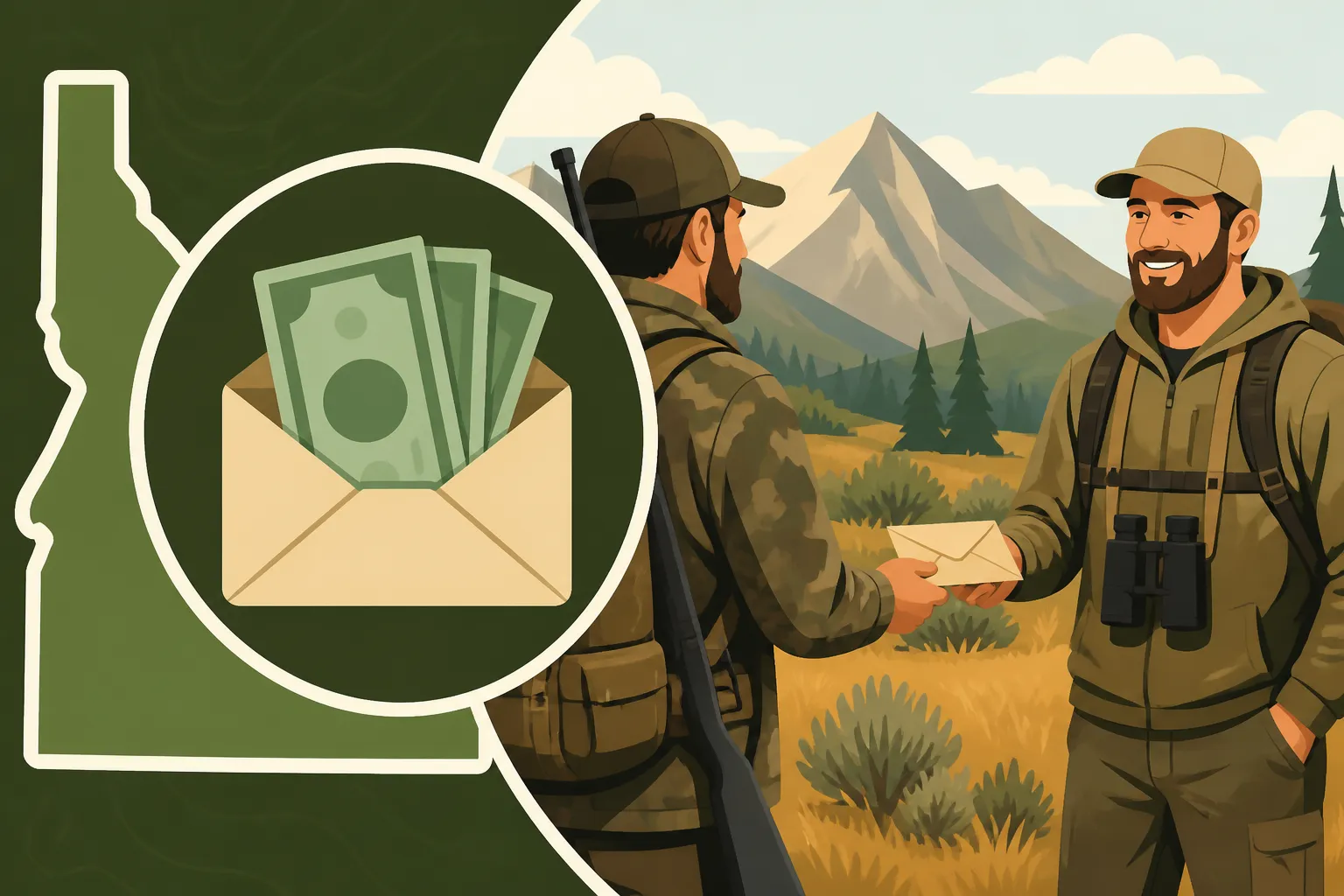
When presenting the tip, aim for a private, sincere exchange. A simple handshake with an envelope, accompanied by a heartfelt "Thank you, I truly appreciate all your hard work and making this such a memorable trip," is usually perfect. Avoid making a grand public gesture, as discretion is often preferred.
If you had multiple guides or a larger camp crew (like a cook or packer), you have a couple of options. You can tip each individual guide or crew member separately, or you can present a lump sum to the lead guide or outfitter with clear instructions on how it should be distributed among the team. It's always best to ask the outfitter or lead guide about their preferred method for crew gratuities, as some camps pool tips while others encourage direct tipping. Your main guide can often advise you on the customary practice for their specific operation.
Remember, your words of appreciation are incredibly valuable. A specific compliment about something your guide did exceptionally well, combined with your cash tip, leaves a lasting positive impression. A genuine "thank you" goes a long way in showing your respect for their hard work and dedication.
Beyond the Standard: Maximizing Your Appreciation
While a monetary tip is the primary way to show your gratitude, there are other powerful ways to support your guide and outfitter that extend far beyond the hunting trip itself. These gestures can have a significant, long-term impact on their careers.
How Reviews and Referrals Impact a Guide's Career
In today's digital age, online reviews are gold for guides and outfitters. Sharing your positive experience on relevant platforms can directly influence their future bookings and help them stand out in a competitive market. If you found your outfitter through a service like BookYourHunt or GoHunt, leaving a detailed and positive review on those sites is an incredibly valuable gift. These platforms are often the first stop for hunters planning their next adventure, and your honest feedback can sway their decision.
When writing a review, be specific. Mention your guide by name and highlight particular instances of their excellent service, knowledge, and dedication. Talk about the quality of the camp, the meals, and the overall atmosphere. For potential clients trying to figure out How to Read an Outfitter's References, these detailed accounts provide crucial insights and build trust. This kind of advocacy is essential for an outfitter looking to maintain or improve their Outfitter Success Rates in Idaho.
Beyond online platforms, word-of-mouth referrals remain incredibly powerful within the hunting community. If you had an amazing experience, tell your friends, family, and fellow hunters! A personal endorsement from someone they trust carries immense weight and is often the best advertising an outfitter or guide can get. By sharing your story, you're directly contributing to their continued success and allowing more hunters to experience the kind of quality trip you enjoyed.
Small Gestures That Go a Long Way
While not expected, a few thoughtful actions can further enhance your appreciation and strengthen your relationship with your guide.
- Offer to help around camp: Your guide and the camp crew work tirelessly. Offering to lend a hand with dishes, chopping firewood, or carrying gear during setup or breakdown shows immense respect for their workload. Even if they decline, the gesture is appreciated. Being in Physical Conditioning for Idaho Backcountry can certainly make it easier to contribute more physically.
- Be a good sport and engaged client: The best clients are those who are positive, respectful, and genuinely engaged in the hunt. Listen to your guide, ask questions, share stories, and maintain a good attitude, even when conditions are tough. A strong client-guide relationship built on mutual respect makes the long hours in the field and around camp far more enjoyable for everyone. This aligns well with the concept of What Guides Expect From Their Clients.
- A small, thoughtful gift: While never a substitute for a monetary tip, a small, practical gift in addition to cash can be a nice touch. This could be something simple like a quality headlamp, a good knife, a personalized piece of gear, or even a gift certificate to a local sporting goods store. The key is that it's thoughtful and useful, showing you paid attention to their needs or interests during the trip.
Remember, the relationship between a hunter and their guide is often a special one, built on shared passion, challenging experiences, and mutual respect. Your tip is a crucial part of honoring that relationship and acknowledging the hard work that goes into providing an unforgettable hunting adventure in Idaho.
| Service Quality | Tipping Percentage Range (of hunt cost) | Notes |
|---|---|---|
| Average/Meets Expectations | 10-15% | Guide fulfilled duties, provided a safe and organized hunt, but didn't necessarily go above and beyond in terms of effort or exceptional service. |
| Good/Above Average | 15-18% | Guide was hardworking, knowledgeable, pleasant company, and demonstrated consistent effort and some extra thoughtful gestures. |
| Excellent/Exceptional | 18-20%+ | Guide went truly above and beyond, showed extraordinary dedication, outstanding knowledge, made the trip unforgettable, and handled challenges with grace, whether successful or not. |
| Unsatisfactory (Rare) | <10% or none | Reserved for severe lack of effort, negligence, unsafe practices, or unprofessional behavior. Always discuss concerns with the outfitter first. |
Disclaimer
This article is for general informational purposes only and does not constitute professional advice. Laws, prices and regulations vary by location and change over time. Consult a qualified professional for guidance on your specific situation.