Outfitter Success Rates in Idaho
One of the biggest anxieties many hunters face when considering an outfitter, especially for a dream hunt in a place like Idaho, is trying to decipher what their "success rate" actually means. It’s easy to get swept up in impressive-sounding numbers, only to find out later that your definition of success and the outfitter's might be worlds apart. This guide will peel back the layers of outfitter success rates in Idaho, helping you understand what those percentages truly represent, what influences them, and how to use them as part of a much larger vetting process to find the right partner for your adventure.
What "Success Rate" Really Means for an Idaho Outfitter
When an outfitter throws out a "success rate" number, it’s rarely as straightforward as it sounds. For many hunters, "success" immediately conjures images of a downed animal and a successful harvest. But in the world of guided hunts, this term can have several different interpretations, and understanding these distinctions is crucial before you commit your time and money. It’s not about trickery, but about the different metrics that can be used.
Opportunity Rate: Getting a Shot Off
Think of opportunity rate as the percentage of hunters who got a reasonable chance to take a shot at their target animal. This doesn't mean they necessarily hit it, or that the animal was even harvested. It simply means the guide put them in a position where they had a genuine opportunity to make a play. For example, if you're on an elk hunt and you had a bull at 30 yards for a clear shot, but you bucked under pressure and missed, that still counts as an "opportunity" for many outfitters.
This metric can be really important for bowhunters, where closing the distance on an animal like an elk is a monumental task in itself. Even if you don't connect, having multiple opportunities speaks volumes about the outfitter's ability to locate game and get you close. It's a measure of the quality of the scouting and guiding, regardless of the shooter's performance on a given day.
Harvest Rate: Bringing Home the Meat
Now, this is what most hunters think of when they hear "success rate." The harvest rate refers to the percentage of hunters who actually took an animal. If you're looking for venison for the freezer or a specific trophy, this is the number that likely resonates most with your personal goals. However, even this can have nuances. Some outfitters might include all animals harvested, regardless of size or sex (e.g., any deer, any elk), while others might specify "bull elk harvest rate" or "mature buck harvest rate."
It’s vital to clarify with an outfitter what kind of harvest they're including in their reported rate. Does it include cow elk during a bull hunt? Does it count spike bulls if you were hoping for a bigger one? These details make a huge difference in setting your expectations and evaluating if their definition of success aligns with yours.
Kill Rate: The Ultimate Outcome
This term is less commonly used by outfitters directly, but it’s the most definitive for hunters. Kill rate means the percentage of clients who actually harvested the desired animal. It’s essentially the same as harvest rate but implies a more stringent definition – you went for a bull, and you got a bull. If a hunter has an opportunity but misses, or wounds an animal that isn't recovered, that generally doesn't factor into a positive kill rate.
For hunters prioritizing a specific animal type or an actual animal in the truck, this is the most honest representation of success. When discussing with an outfitter, always ask for this clarification. "What percentage of your clients actually killed a bull elk last year?" is a much more direct question than just "What's your success rate?"
Factors That Influence an Outfitter's Success Rate
Understanding the different ways success is measured is just the beginning. Idaho hunting, particularly for big game like elk and mule deer, is a wild and unpredictable endeavor. There are so many variables that can swing an outfitter's success rate year to year, and it’s important to recognize these so you can make an informed decision and manage your expectations.
Environmental Conditions: Mother Nature's Say
Idaho's weather and environmental conditions play a massive role in hunting success. A mild winter might mean more elk survive, but a dry summer could scatter them in search of water. Early snow can push animals down to lower elevations, making them more accessible, while a warm, dry fall can keep them high in the timber and incredibly difficult to find. Habitat conditions, like drought or recent wildfires, also dictate where game animals are concentrated or dispersed.
Outfitters can only work with what Mother Nature gives them. A season with unseasonably warm temperatures during the archery rut, for instance, might mean bulls are less vocal and less responsive to calling, reducing opportunities. Conversely, a season with perfect weather and early snow can dramatically increase success. This is why a single year's unusually low or high success rate might be an anomaly rather than a trend.
Hunter Skill and Physical Preparedness
Let's be honest, the hunter in the equation is a huge factor, and it's one many overlook. An outfitter can put you on a Boone and Crockett bull, but if you can't make the shot or climb the mountain to get there, success is unlikely. A client's shooting proficiency, physical fitness, patience, and even their ability to follow a guide's instructions are paramount. Outfitters often see a wide range of skill levels come through their camps.
A hunter who practices regularly, is in decent hiking shape, and can maintain composure when the moment of truth arrives will inherently have a higher chance of success than someone who hasn't touched their rifle all year or struggles with a mile hike. Some outfitters may even screen clients based on physical ability for their more rigorous backcountry hunts, understanding that client preparedness directly impacts their overall success. For those planning a challenging hunt, checking out Physical Conditioning for Idaho Backcountry can be invaluable.
Unit Quality and Species Availability
The specific hunting unit and the health of the game population within it are fundamental drivers of success. Idaho has incredible diversity, from the dense timber of the Panhandle to the high desert breaks of the south. Some units are known for higher animal densities, while others might be managed for trophy quality, meaning fewer animals but larger ones. An outfitter operating in a unit with high elk populations generally has a better chance of creating opportunities than one in a unit with sparse, pressured game.
Furthermore, some species are simply harder to hunt than others. Chasing a ghost-like mountain lion behind hounds is a different ballgame than sitting in a ground blind over a bear bait. The inherent challenge of the species, combined with the characteristics of the unit they inhabit, will naturally impact how frequently hunters achieve success. Understanding the nuances of Idaho's game management units is a whole science in itself, and tools like The Idaho Hunt Planner Is the Tool to Start With can offer valuable insights.
Where to Find and Verify Outfitter Success Rate Claims
You've heard the numbers, but how do you know they're real? In a competitive market, it’s not unheard of for outfitters to present their data in the most favorable light. Doing your due diligence is essential to separating genuine success from marketing fluff.
Direct Communication with the Outfitter
The first and most direct step is always to ask the outfitter themselves. Don't be shy! A reputable outfitter will be transparent and willing to discuss their success rates, often breaking them down by species, weapon type, and even different types of hunts (e.g., archery vs. rifle elk, guided vs. drop camp). Ask specific questions: "What was your harvest rate for bull elk on rifle hunts in Unit X last season?" This forces them to provide specific, verifiable data.
It’s also a good idea to inquire about their average group size, the number of guides per hunter, and how many days are typically spent in the field. These details provide context to the success rate. A 70% success rate with one guide per hunter over ten days is very different from the same rate with one guide for four hunters over five days. Many outfitters also operate under specific Forest Service permits which may dictate aspects of their operations.
State Licensing Boards and Public Records
Idaho, like most states, has a board that regulates outfitters and guides. In Idaho, this is the Idaho Outfitters and Guides Licensing Board (IOGLB). While they don't typically publish success rates directly, they are a great resource for verifying an outfitter's license, checking for complaints, and ensuring they are operating legally. Knowing that an outfitter is properly licensed and in good standing is a foundational step in your vetting process. If you're looking to confirm an outfitter's credentials, you can check with The Idaho Outfitters and Guides Licensing Board Explained.
Some states may require outfitters to submit harvest reports, and in some cases, this data can be publicly accessible. While finding raw, unit-specific data tied to a particular outfitter might be challenging, the overall harvest statistics for an area can give you a baseline understanding of what's possible. Platforms like BookYourHunt.com or GoHunt.com can often provide aggregated data or direct access to outfitter claims, but always cross-reference and verify where possible. BookYourHunt is a great platform for finding and booking hunts, and often includes reported success rates directly from outfitters. Similarly, GoHunt offers detailed data and insights that can help inform your expectations about specific units and species.
Client References and Testimonials
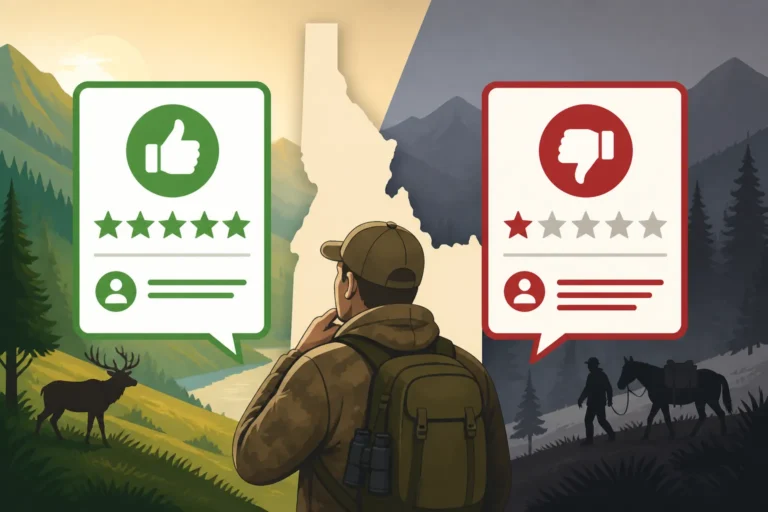
Perhaps the most valuable source of information comes from past clients. A good outfitter should be willing to provide you with a list of recent references. When you call these references, don't just ask, "Was it a good hunt?" Dig deeper:
- "What was the actual outcome of your hunt?" (Did they harvest, get an opportunity, or see nothing?)
- "How did the outfitter handle challenges, like bad weather or difficult hunting conditions?"
- "Were the guides knowledgeable and personable?"
- "Was the camp comfortable, and the food good?"
- "Did the outfitter's description of the hunt match your experience?"
These conversations give you qualitative data that numbers alone can't provide. An outfitter might have a slightly lower harvest rate, but if every client raves about the effort, the camp experience, and the guide's dedication, that speaks volumes. Be wary of any outfitter unwilling to provide references or only offering glowing, pre-selected testimonials.
The Ethical and Practical Limits of Success Rate Data
While success rates are a valuable piece of the puzzle, they are far from the whole picture. Relying solely on these numbers can lead to unrealistic expectations and disappointment. Hunting is, at its core, an ethical pursuit of wild animals, and that means it's never a guaranteed outcome.
Hunting is Not a Guarantee
This is perhaps the most important concept to grasp. Even the best outfitter in the best unit cannot guarantee you a kill. Animals are wild, they move, they respond to pressure, and they are incredibly good at survival. If an outfitter does guarantee a kill, that should raise a serious red flag. It often implies a high-fence operation, which is a very different experience from hunting free-ranging wild game in Idaho's vast public lands.
The true value of a reputable outfitter lies in their ability to maximize your opportunity, not guarantee the result. They put in the scouting, understand the game movements, navigate challenging terrain, and provide the logistical support to give you the best possible chance. What you do with that chance is ultimately up to you and the animal. For example, understanding The Effective Range of a Muzzleloader on Elk might be critical knowledge your guide shares, but your accuracy is your responsibility.
The Impact of Trophy Versus Opportunity
The "type" of success also matters. A high harvest rate might include many smaller animals or does/cows if the hunt allows. If your goal is a record-book bull or a mature mule deer buck, then a general "elk success rate" isn't as relevant as an "opportunity rate on mature bulls" or a "harvest rate on bucks scoring over X inches." These more refined metrics often tell a different story.
Outfitters sometimes have higher harvest rates on general tags or over-the-counter opportunities compared to highly competitive, limited entry controlled hunts specifically targeting older-age-class animals. This is simply a reflection of the difficulty and scarcity of truly trophy-caliber animals in wild populations. Idaho Controlled Hunt Calendar, April Through August can give you a sense of the application periods for those coveted tags.
Comparing Apples to Oranges
It’s easy to get caught up comparing success rates between different outfitters, but make sure you’re comparing comparable operations. An outfitter specializing in grueling, 10-day backcountry pack-in hunts for monster bulls in a remote wilderness area will likely have a lower harvest rate but potentially a higher opportunity rate for true giants, compared to a lodge-based outfitter doing 5-day hunts for general season bulls closer to roads.
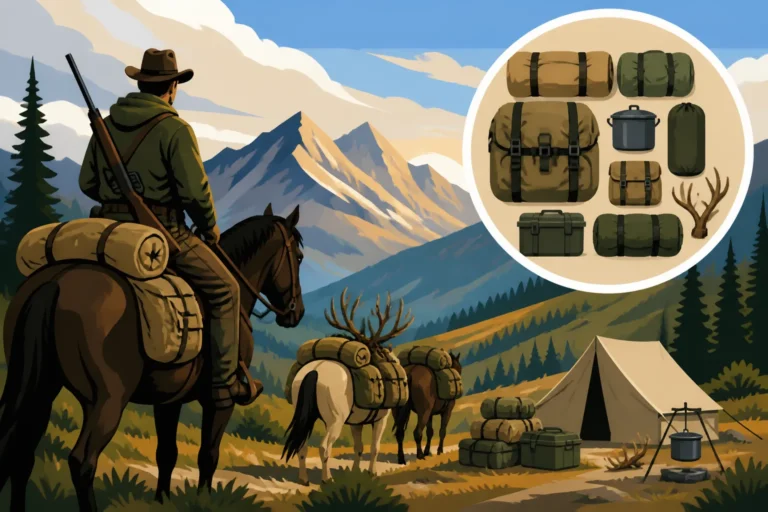
The terrain, the season (e.g., archery vs. rifle), the species, and the style of hunting all affect success. A Horseback and Pack String Outfitters in Idaho will offer a different experience and different potential success metrics than a day-hunt operation. What looks like a lower success rate on paper might actually be incredibly high given the difficulty of the hunt they offer.
Beyond the Numbers: What Else Matters When Choosing an Outfitter
While success rates are a useful starting point, they are just one data point. A truly successful hunt is about much more than just pulling the trigger. It’s about the entire experience, the professionalism, the safety, and the memories you create.
Professionalism and Communication
From your first email or phone call, pay attention to how an outfitter communicates. Are they responsive? Are they clear and transparent about pricing, logistics, and expectations? Do they seem genuinely interested in your goals and preferences? A professional outfitter will set clear expectations, provide detailed gear lists, and answer all your questions thoroughly. They will make you feel like a valued client, not just another booking.
Poor communication beforehand can be a huge red flag. If they're hard to reach before you've paid a deposit, imagine how difficult they might be to get ahold of if something goes wrong during the hunt. This professionalism extends to the guide's demeanor in the field and the organization of the camp. Understanding Questions to Ask an Idaho Outfitter before you book is a critical step in this process.
Guide Quality and Personality
Your guide will be your partner, your teacher, and your confidant for several days in often challenging circumstances. Their knowledge of the terrain, animal behavior, and hunting tactics is paramount. But beyond their skill, their personality is vital. Are they patient? Encouraging? Do you feel comfortable spending long days with them? A grumpy, uncommunicative guide can sour even a successful hunt, while an enthusiastic, knowledgeable guide can make a challenging hunt enjoyable.
Ask for references that specifically comment on the guides. Some outfitters have a team of guides, and consistency in guide quality can vary. A good guide isn't just someone who can find game; they're also a steward of the land, an expert in safety, and a good companion. This human element is often overlooked when fixating on success percentages. Remember, every guide in Idaho works under a licensed outfitter, so the overall operation is key. Every Idaho Guide Works Under a Licensed Outfitter for a reason – it ensures accountability and minimum standards.
Camp Comfort and Logistics
Especially on longer backcountry hunts, where you'll be spending multiple days away from civilization, camp comfort and logistical efficiency are important. Is the camp clean and well-maintained? Is the food palatable and plentiful? Are sleeping arrangements adequate? How is water managed? What are the emergency plans? These seemingly minor details can greatly impact your comfort, energy levels, and overall enjoyment of the hunt.
If you're considering a more remote drop camp, these details become even more critical, as you'll be largely self-sufficient once dropped off. Understanding Idaho Drop Camp Hunts Explained can give you an idea of what to expect logistically. It’s not just about harvesting an animal; it's about having a safe, comfortable, and memorable experience in the wild.
Ethical Practices and Fair Chase
Finally, and perhaps most importantly, verify the outfitter's commitment to ethical hunting and fair chase principles. Are they operating legally within Idaho's hunting regulations? Do they respect wildlife and the environment? Do they prioritize the experience over just a kill at any cost? This includes everything from how they handle wounded animals to their adherence to Idaho's Motorized Hunting Rule Keeps You on the Road.
A true measure of an outfitter is not just how many animals their clients kill, but how they hunt. Choosing an outfitter who aligns with your personal hunting ethics will ensure that even if you don't harvest an animal, you can walk away from the experience with pride and a clear conscience, knowing you participated in a true fair chase hunt.
| Success Rate Metric | Definition | What it Implies | Best for Hunters Who Prioritize: | Potential Misconceptions |
|---|---|---|---|---|
| Opportunity Rate | Percentage of hunters who had a reasonable shot opportunity | Guide's ability to locate game and get clients close | Field experience, learning, thrill of the chase, bowhunting | Doesn't guarantee a harvest; client skill is still a factor |
| Harvest Rate | Percentage of hunters who successfully took an animal | Outfitter's overall effectiveness in securing game | Meat in the freezer, general success | May include smaller or non-trophy animals; needs clarification |
| Kill Rate | Percentage of hunters who harvested their desired animal | Specific outcome aligned with hunter's primary goal | Specific trophy goals (e.g., bull elk, mature buck) | Still no guarantee; implies more precise measurement |
Disclaimer
This article is for general informational purposes only and does not constitute professional advice. Laws, prices and regulations vary by location and change over time. Consult a qualified professional for guidance on your specific situation.