Spring Closures on Idaho Big Game Range
There's nothing quite like the itch to get out and scout in the spring, is there? After a long winter of dreaming about big antlers and fresh tracks, you're ready to hit the dirt, locate some new spots, and see how the deer and elk fared. But then you run into it: a "Road Closed" sign, a locked gate, or explicit signage about "Winter Range Closure." It's a real buzzkill when you've got your boots laced up and your binoculars ready, only to find your access cut off. This isn't just an inconvenience; it's a vital part of managing Idaho's incredible big game populations. This guide is here to explain why these closures exist, where you'll most likely encounter them, and how you can plan your spring scouting trips to respect these crucial conservation efforts without wasting your precious time and gas.
Why Idaho Closes Big Game Winter Range in Spring
It might feel like the Idaho Fish and Game Department, or the Forest Service, or the Bureau of Land Management (BLM) is just trying to make your life harder when you see those "Area Closed" signs. But I promise you, there's a really good reason behind it, one that directly benefits the very animals we love to pursue. These spring closures, often extending from late winter well into spring, are a critical component of wildlife management across our state. They're all about giving big game animals a much-needed break when they are at their most vulnerable.
Protecting Vulnerable Wildlife
Think about a deer or elk that has just endured a long, harsh Idaho winter. Their fat reserves are depleted, their energy levels are at an all-time low, and they're often facing the added stress of late-season snow or early spring storms. Pregnant cows and does are carrying their unborn young, and even a small amount of stress can have significant impacts on their health and the survival of their offspring. This is especially true during those critical transition periods when winter is reluctantly giving way to spring.
During these times, any unnecessary disturbance can be detrimental. Imagine an elk herd, weak from winter, suddenly spooked by a passing vehicle or a well-meaning shed hunter. That burst of adrenaline and energy expenditure can push them past their limits, sometimes with fatal consequences. Their bodies just aren't equipped to handle that kind of exertion when they're already running on fumes. These closures create sanctuaries where deer, elk, and other species can recover, forage for the first green shoots, and give birth without the constant threat of human interruption. It's about letting them be wild when they most need to be left alone.
Habitat Rehabilitation and Erosion Control
Beyond protecting the animals themselves, these spring closures play a huge role in the health of the land they depend on. Winter range, by definition, is often sensitive. It's the lower elevation, south-facing slopes, and river bottoms where snow melts faster and forage might be more accessible during deep snow periods. This repeated use by large numbers of animals can take a toll on the vegetation and soil, especially as the ground thaws and becomes muddy.
Spring closures allow these critical habitats to recover without further disturbance from human activity. The thawing ground is particularly susceptible to erosion, and vehicle tires, foot traffic, and even horses can tear up delicate plant life and compact the soil. This damage can hinder the regrowth of vital forage and create pathways for erosion that can take years to repair. By limiting access, land managers ensure that the fragile spring environment has a chance to heal, grow, and provide even better sustenance for wildlife in the seasons to come. It’s an investment in the long-term health of our wildlife and their homes.
Seasonal Migration Patterns
Idaho is a state of vast landscapes, and many of our big game animals are incredible migrators. They spend their summers high in the mountains, feasting on lush alpine forage, but as the snow flies, they descend to lower elevations to seek refuge on winter range. Spring is when this process reverses. As the snow recedes up the mountains, animals begin their slow, deliberate ascent back to their summering grounds. These migration corridors are just as vital as the winter range itself.
Spring closures often encompass these crucial migration routes. Think of it like a highway for wildlife, but a very delicate one. Any obstruction or disturbance along these routes can disrupt the animals' natural movement, forcing them to expend more energy to find detours or delaying their access to better forage. It's not just about getting from point A to point B; it's about doing so efficiently and safely. A deer or elk herd needs to move steadily, not in a panicked rush, to conserve energy and find adequate food sources along the way. Idaho Winter Range Closures That Affect Scouting are designed specifically with these natural rhythms in mind, ensuring a smooth transition for the herds.
Where to Expect Spring Closures on Idaho Public Land
Okay, so we understand why these closures happen. Now, let's talk about where you're likely to encounter them. Idaho has a patchwork of land ownership, and each managing agency has its own rules and reasons for closures. Knowing who manages the land you're heading to is your first step in avoiding a frustrating surprise. Generally, these closures are implemented on public lands, which is where most of us love to hunt and scout.
Forest Service and BLM Lands
Much of Idaho's prime big game habitat falls under the jurisdiction of the U.S. Forest Service (USFS) and the Bureau of Land Management (BLM). These agencies manage vast tracts of land, and they are often the primary entities implementing spring closures. You'll find these closures mostly in areas identified as crucial winter range for deer and elk. This typically means lower elevation, south-facing slopes, and river drainages that offer protection from severe weather and access to early spring forage.
Closures on Forest Service and BLM land often involve specific roads, trails, or entire areas. For instance, a main forest road might be closed past a certain point, or entire canyons might be designated as closed to all public entry during specific dates. These closures are usually well-marked with signs at access points, gates, and frequently with prominent notices on agency websites. It’s absolutely critical to check the specific national forest or BLM field office websites for the latest information before you head out. These closures can change slightly year-to-year based on snowpack, wildlife conditions, and recent habitat improvements.
Idaho Fish and Game Wildlife Management Areas
Idaho Fish and Game (IDFG) also manages numerous Wildlife Management Areas (WMAs) across the state. These WMAs are explicitly managed for wildlife, and as such, often contain critical winter range. Many WMAs have seasonal closures to protect big game during the vulnerable winter and spring months. These closures are often stricter than on general Forest Service or BLM lands, sometimes encompassing entire areas with no public access allowed whatsoever for several months.
The reasoning here is even more focused on wildlife. These are often areas where IDFG has invested in habitat projects or where known high densities of wintering animals exist. For example, some WMAs might be closed from December 1st through April 15th, or even later depending on conditions. The specific dates and regulations for each WMA are usually detailed on the IDFG website. If your scouting plans involve a WMA, a quick check online can save you a long drive and disappointment. Idaho Wildlife Management Areas by Region are incredibly valuable, but they come with specific rules designed for conservation.
Specific Geographic Areas Prone to Closures
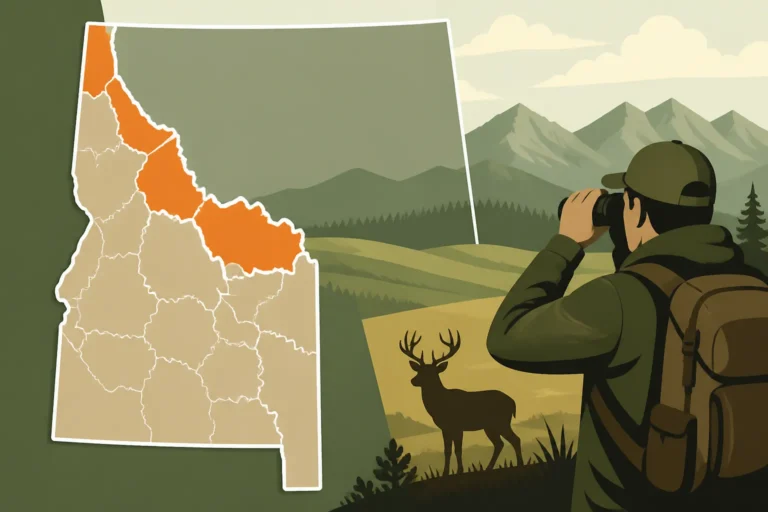
While closures are scattered across the state, some regions are particularly prone to them due to their importance as wintering grounds. You'll frequently find seasonal restrictions in the foothills surrounding major river valleys, such as along the Salmon River breaks, the Payette River drainages, and areas near the Snake River. The sagebrush-steppe country in southern Idaho, which offers crucial wintering habitat for mule deer and pronghorn, is also often subject to restrictions.
Similarly, specific units known for their large wintering herds will almost certainly have closures. For instance, some of the lower elevation units around places like Salmon, Challis, or the Boise National Forest will have key winter range areas that are closed off. It's all about providing undisturbed sanctuary where deer and elk can access vital resources when winter's grip is still firm, and the early spring growth is just beginning. Knowing the general lay of the land and the primary wintering grounds can give you a heads-up even before you consult maps. Idaho's Motorized Hunting Rule Runs August Into December is another key regulation that overlaps with these concerns, though it focuses more on vehicles later in the year.
| Agency/Area Type | Typical Closure Period | Primary Reason | Common Restrictions |
|---|---|---|---|
| U.S. Forest Service (USFS) | Dec-April/May | Wildlife Protection, Habitat Recov. | Road closures, Area closures |
| Bureau of Land Management (BLM) | Dec-April/May | Wildlife Protection, Erosion Ctrl. | Road closures, Area closures |
| IDFG Wildlife Management Areas | Nov/Dec-April/May | Critical Winter Range, Habitat Mgmt. | Full area closures (no entry) |
| Private Lands (Winter Range) | Owner Discretion | Wildlife Protection, Trespass | No trespassing, Posted signs |
Navigating Spring Closures: Planning Your Access
The good news is that these closures don't mean you have to give up on spring scouting altogether. It just means you need to be a smarter, more informed hunter. Planning ahead is paramount. By doing your homework, you can still find plenty of open ground, scout summer range, or simply identify areas that will open up later in the spring, ready for your next adventure.
Checking Current Closure Information
Your first, and most important, step before leaving the house should always be to check the most current information available. Don't rely on last year's knowledge; conditions and regulations can shift. The websites of the Idaho Department of Fish and Game (IDFG), the U.S. Forest Service (specifically the forest nearest your target area), and the Bureau of Land Management (BLM) are your best resources. These sites will typically have dedicated sections for seasonal road and area closures, often with maps or detailed descriptions.
Look for press releases, news sections, or specific "Travel Management" pages. Many agencies also provide downloadable maps that show restricted areas and dates. A quick phone call to the local IDFG office or Forest Service Ranger District can also clarify any uncertainties. It might seem like a hassle, but a few minutes of research can prevent hours of driving to a locked gate and the frustration of having to turn around. Remember, knowing Where the Current Idaho Regulations Are Posted is half the battle for any hunter in Idaho.
Using Digital Mapping Tools
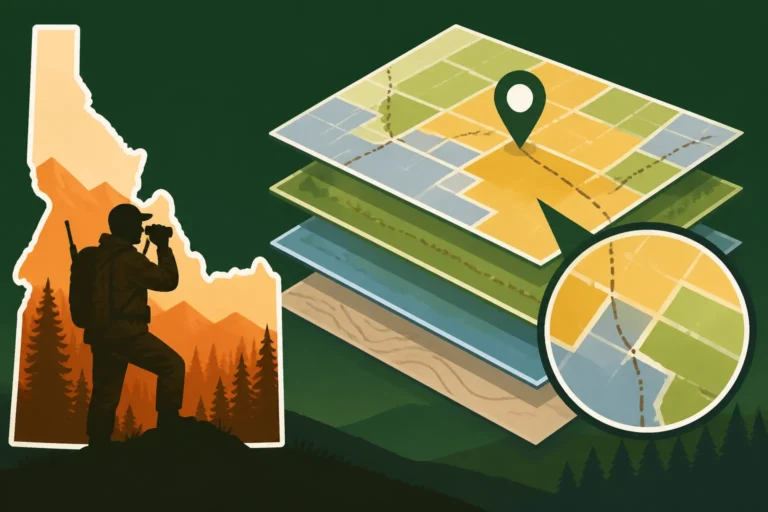
In this day and age, digital mapping tools are an absolute game-changer for navigating public lands, and they are incredibly useful for identifying spring closures. Services like onX Hunt and GoHunt offer layers that can show land ownership, public/private boundaries, and often, specific travel management plans and seasonal restrictions. While they might not always show real-time, dynamic closures, they are fantastic for seeing established winter range boundaries and motor vehicle use restrictions that are perennial.
For example, using onX Hunt, you can overlay your map with agency-specific layers that highlight closed roads or designated wildlife areas. By checking these maps before you go, you can identify alternative access points or understand why a certain area might be closed, allowing you to plan your route accordingly. E-Scouting an Idaho Unit Before the Season is a powerful technique, and these apps are central to that process. You can spend time at home, marking potential scouting routes that respect these closures, rather than burning fuel and daylight in the field. This way, you can also see the broader picture of Reading a Land Ownership Layer Correctly and avoid accidental trespass.
Respecting Signage and Boundaries
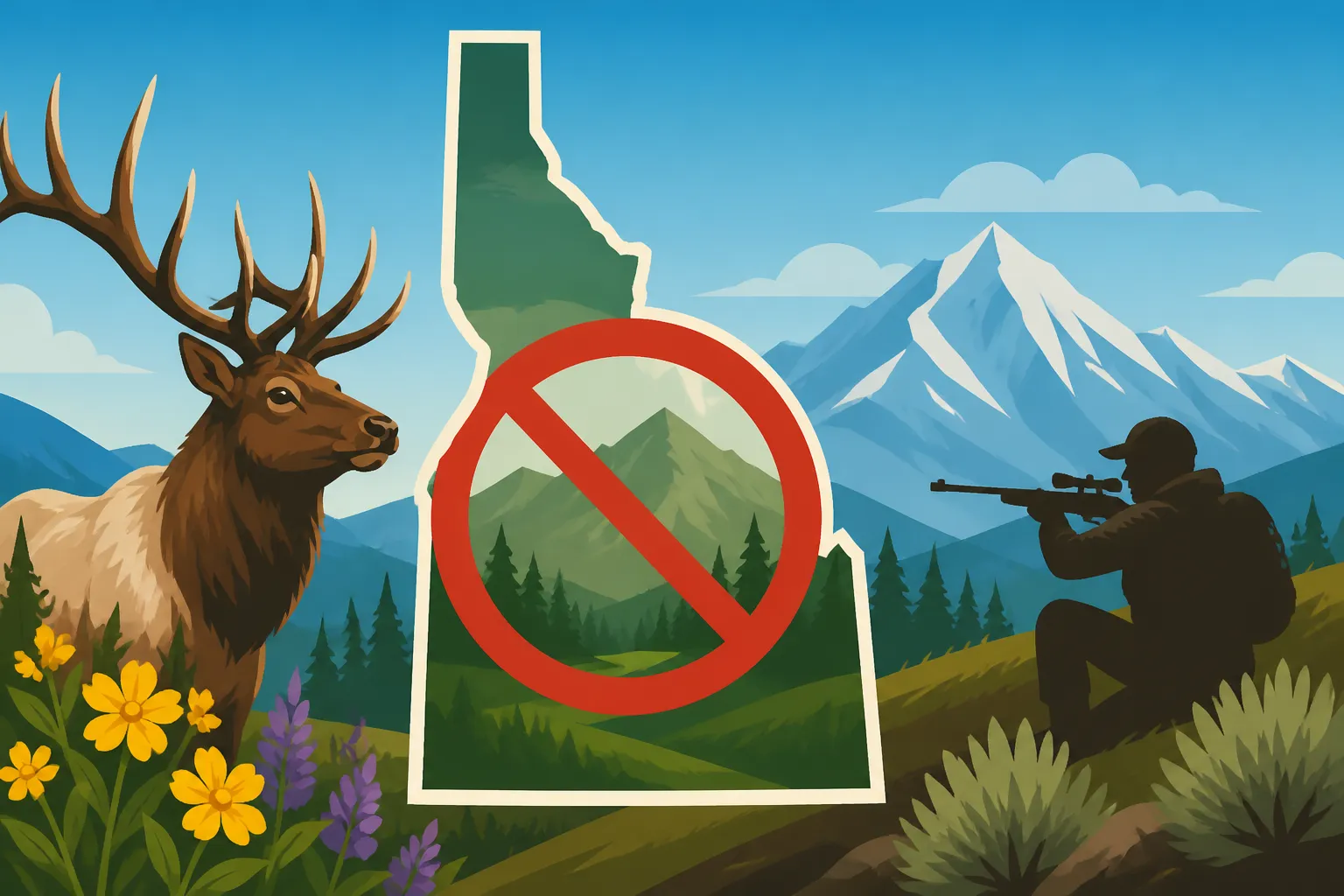
This should go without saying, but it's crucial: always respect posted signage and established boundaries. If a gate is closed, it's closed for a reason. If a sign explicitly states "Area Closed to All Public Entry," then that applies to you, your vehicle, your dog, and your boots. Going around a gate, driving past a closure sign, or entering a restricted area not only risks significant fines and legal penalties, but it also directly undermines the conservation efforts put in place to protect wildlife.
The wildlife management professionals and land managers put these closures in place based on scientific data and years of observation. They know what's best for the animals and the habitat. Ignoring these rules damages their trust in the public and can lead to even stricter regulations in the future. Remember, we as hunters are often the most passionate conservationists. By demonstrating respect for these closures, we uphold our reputation and contribute to the health of the herds we cherish. This simple act of respect helps maintain good relationships with land agencies and the non-hunting public, benefiting everyone in the long run. Even something as seemingly minor as Trailhead Parking During Hunting Season can have rules you need to follow.
What Happens If You Ignore Spring Closures
It might be tempting to just "slip in" for a quick look or hope nobody sees you, especially if you think you're being quiet and careful. But ignoring spring closures isn't just a minor infraction; it carries real consequences, both legally and ethically. It's important to understand the full weight of these actions before you even consider bending the rules.
Legal Ramifications and Fines
Idaho takes its wildlife and land management seriously, and violating seasonal closures can lead to substantial legal trouble. You could face fines ranging from hundreds to potentially thousands of dollars, depending on the severity of the infraction and the specific rules of the managing agency. Beyond monetary penalties, repeat offenses or egregious violations could even result in the revocation of your hunting privileges, not just for a season, but potentially for multiple years. Imagine losing your ability to hunt in Idaho because you couldn't wait a few extra weeks to scout a particular area.
Law enforcement, including Idaho Fish and Game conservation officers, Forest Service rangers, and BLM agents, actively patrol these closed areas, especially during peak "shed hunting" season or when early spring scouting typically occurs. They are trained to identify signs of trespass, and they understand the critical importance of these closures. It's simply not worth the risk. A ticket or lost hunting privileges are a steep price to pay for a quick, unauthorized peek into a winter range.
Impacts on Wildlife and Their Habitat
Beyond the personal legal consequences, the greater impact of ignoring spring closures falls directly on the wildlife we aim to conserve. Every intrusion into a closed winter range, no matter how brief or seemingly minor, adds stress to animals already at their physical limit. A vehicle driving through a muddy track, a person walking off-trail, or even the scent of a human or dog can cause deer and elk to flee, burning precious calories they desperately need for survival and reproduction.
This stress can lead to lower birth rates, increased calf and fawn mortality, and a general weakening of the herd. When animals are continually disturbed, they may abandon prime foraging areas, leading to further nutritional deficits. Repeated disturbance can also permanently alter their behavior, making them more wary and difficult to observe or hunt in the future. Respecting these closures is a direct contribution to herd health, ensuring that healthy, robust populations are available for future hunts. When Winter Range Reopens for Spring Scouting is an important date to mark on your calendar, allowing the animals their peace until then.
Community Perception of Hunters
Finally, our actions as individual hunters reflect on the entire hunting community. When a few individuals disregard closures, it creates a negative perception of hunters in the eyes of the general public and land management agencies. It fuels the narrative that hunters are irresponsible or don't care about wildlife, which undermines the conservation efforts we champion. This can lead to increased anti-hunting sentiment and even greater restrictions on public land access down the road.
As hunters, we have a responsibility to be ethical, law-abiding, and respectful stewards of the land and its wildlife. By adhering to spring closures, we demonstrate our commitment to conservation and our respect for the rules that protect these valuable resources. This positive image is vital for ensuring that hunting remains a cherished tradition and an effective conservation tool in Idaho for generations to come. Let's make sure we're representing our community in the best light possible.
Disclaimer
This article is for general informational purposes only and does not constitute professional advice. Laws, prices and regulations vary by location and change over time. Consult a qualified professional for guidance on your specific situation.