Pack Stock Rules Inside Designated Wilderness
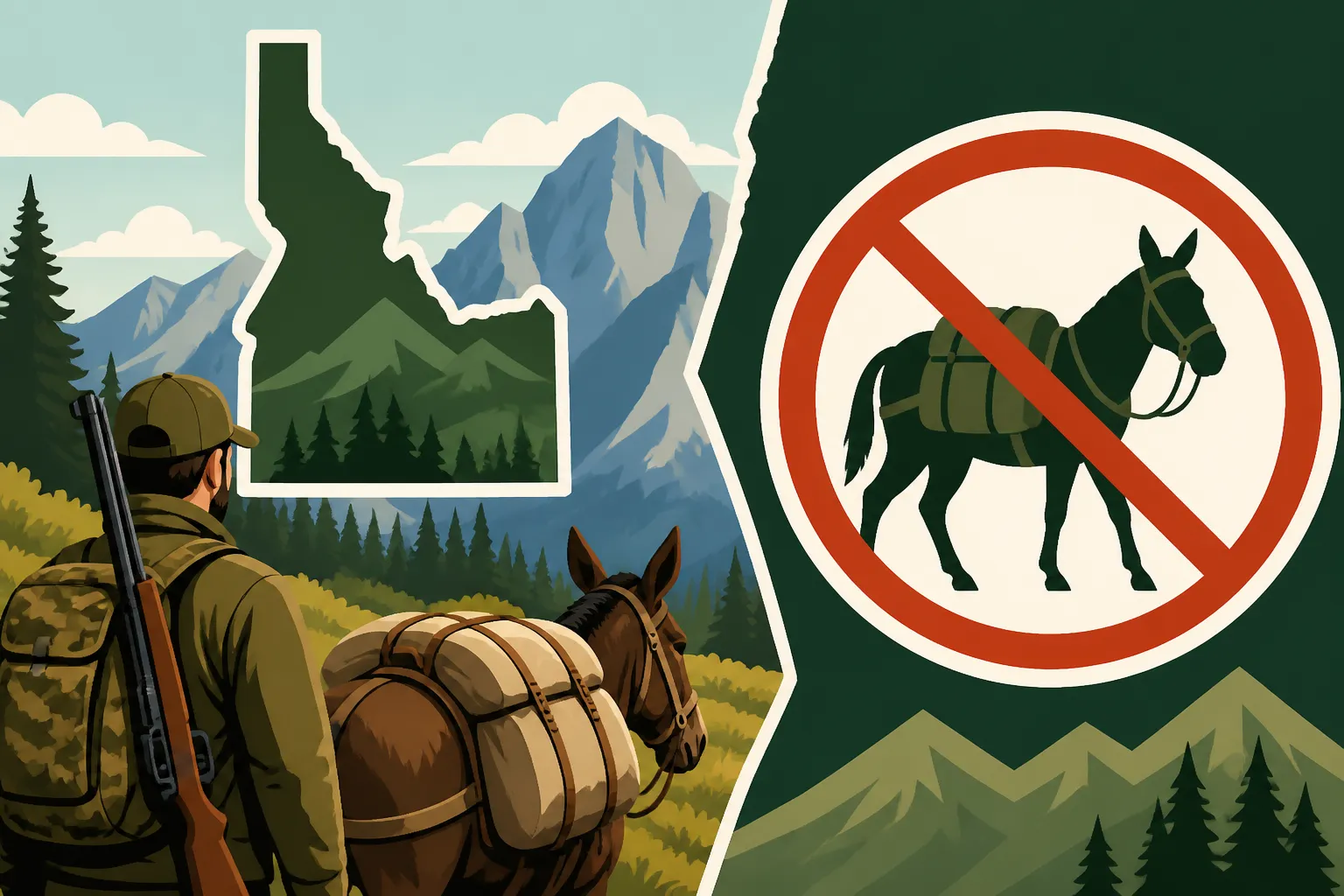
Venturing deep into Idaho's designated wilderness areas with pack stock can be an incredibly rewarding experience, opening up access to remote hunting grounds most folks only dream of. However, it's not simply a matter of saddling up and heading out; these pristine lands come with a unique set of rules and expectations designed to preserve their wild character, and misunderstanding them can quickly derail your dream hunt. This guide is here to walk you through the essential regulations and practical considerations for using pack stock legally and ethically in Idaho's wilderness.
The Wilderness Ideal and Why Rules Exist for Stock
Before we dive into the nitty-gritty of regulations, it's crucial to understand the philosophy behind designated wilderness areas. These aren't just any national forest or BLM land. Wilderness, by definition, is a place "where the earth and its community of life are untrammeled by man, where man himself is a visitor who does not remain." That's a powerful concept, and it shapes every rule you'll encounter. When you bring horses, mules, or llamas into these areas, you're introducing animals that have an impact on the natural environment. The rules aren't meant to make your life harder, but rather to minimize that impact and ensure these special places remain wild for future generations. It's about preserving solitude, primitive recreation, and the natural ecosystem from the cumulative effects of human and domestic animal presence.
Minimizing Ecological Impact
One of the primary drivers for specific pack stock rules is the ecological impact these animals can have. Think about it: a string of mules can carry hundreds of pounds of gear, allowing hunters to penetrate farther and stay longer than foot hunters. While this is a fantastic advantage, it also means a greater potential for disturbing wildlife, compacting soils, and introducing non-native plant species. The rules regarding feed, for example, are a direct response to the threat of invasive weeds spreading from feed brought in from outside the wilderness. These weeds can outcompete native plants, altering the food sources for native wildlife like elk and deer, and disrupting the delicate balance of the ecosystem. It's a domino effect that starts with a single seed.
Preserving Wilderness Character and Experience
Beyond the ecological, there's the experiential side of wilderness. Part of the appeal of these vast, roadless areas is the feeling of being truly removed from civilization. Encountering signs of heavy human use, like eroded trails from too much stock traffic or concentrations of stock manure in popular camping areas, detracts from that primitive experience. The rules regarding group size, tethering, and camp placement are all designed to spread out impact and maintain that sense of wildness and solitude. Nobody wants to hike into a remote basin, only to find it looking like a busy corral. These guidelines help ensure that everyone who ventures into The Frank Church Wilderness and Idaho's Rules or the Selway-Bitterroot Wilderness Access in Idaho can find the untouched beauty they're seeking.
Key Pack Stock Regulations in Idaho's Designated Wilderness
Idaho's wilderness areas, often managed by the Forest Service, have specific rules that you must know before you haul your stock trailer to the trailhead. These aren't suggestions; they are enforceable regulations designed to protect the very resource you're trying to enjoy. Ignoring them can lead to fines, citations, and a lot of headaches, not to mention damaging the reputation of all responsible stock users.
Mandatory Weed-Free Feed
This is perhaps one of the most critical and often misunderstood rules. In all designated wilderness areas across Idaho, and many other parts of the national forests and BLM lands, you are required to use certified weed-free feed for your pack stock. This isn't just about packing out your trash; it's about preventing the introduction of invasive plant species that can choke out native vegetation.
- What Counts as Weed-Free? "Weed-free" usually means hay, pellets, or cubes that have been inspected and certified by a state or county agency. These products will typically have a specific tag or stamp indicating their compliance. You cannot just bring hay from your backyard pasture, even if you think it's weed-free. The risk is too high.
- Why It Matters: Non-native invasive plants can decimate natural forage for elk, deer, and other wildlife. They can also alter soil chemistry and fire regimes. Imagine relying on native grasses for your livestock, only to have them replaced by a thistle patch that provides no nutritional value. That's the impact we're trying to prevent in fragile wilderness ecosystems. So, before you load up, make sure your feed has those official certification tags. You should be able to source this type of feed from local feed stores near common wilderness access points, or plan to bring it with you from a certified source.
- Storage and Use: Even certified feed needs to be managed carefully. Keep it contained, and don't scatter it unnecessarily. When feeding, use nose bags or feed bunks to minimize waste and prevent feed from scattering widely. The goal is to leave no trace, even with your stock's meals.
Group Size and Number of Stock Limits
To prevent overcrowding and concentrated impact, many wilderness areas have limits on the size of your group and the number of animals you can bring. These limits vary by wilderness area and managing agency, so you must check the specific regulations for the area you plan to enter. For instance, the Frank Church River of No Return might have different limits than a smaller wilderness area.
- Typical Limits: A common regulation might be a maximum of 10-12 people and 10-12 head of stock per group. This helps distribute impact and maintain the feeling of solitude for all users. Imagine trying to navigate a narrow trail around a string of 20 horses – it impacts everyone's experience.
- Impact of Large Groups: Large groups, whether people or stock, create more noise, require larger campsites, and leave a bigger footprint. They can also inadvertently push wildlife out of certain areas, especially during sensitive times of year like the rut or calving season. These rules are a vital component of preserving the "untrammeled" nature of the wilderness experience. Always check the specific Forest Service or BLM district office website for the most current rules on group sizes.
Tethering and Grazing Restrictions
You can't just let your horses roam free in the wilderness. There are specific rules about how you can tether and graze your stock to prevent resource damage.
- High-Lines and Picketing: The preferred method for securing stock in many areas is a "high-line" system. This involves stringing a rope between two trees, far enough apart that your animals cannot reach the tree trunks, and then tethering your animals to this main line. This prevents them from girdling trees (chewing off bark) or trampling vegetation in a small circle. Similarly, if picketing, ensure your animals are moved frequently to avoid excessive trampling of any one spot.
- Distance from Water and Trails: Stock should generally be tied or grazed a significant distance from water sources (often 200 feet or more) and established trails. This protects riparian areas from erosion and contamination and keeps trails clear for other users. Water sources in particular are crucial for wildlife, and keeping stock away from them helps maintain water quality and access for all.
- Limited Grazing: While your stock might get some natural forage, especially in less-used areas, relying solely on wilderness grazing is often discouraged or even prohibited. The mandatory weed-free feed rule often means you're bringing in supplemental feed regardless. Overgrazing a small area can quickly lead to denuded ground, erosion, and a loss of native plants. It's about finding a balance between using the resource and preserving it.
Other Important Considerations
Beyond the big three, there are other rules that contribute to responsible stock use in Idaho's wilderness.
- Campsite Selection: Choose durable surfaces for your camp and for where you tie your stock. Avoid sensitive areas like meadows, stream banks, or areas with fragile vegetation. Look for existing camps that show minimal impact, and consider how your stock will impact the area. For multi-day trips, Camping on Forest Ground During Hunting Season has some good general guidance, but wilderness rules are often stricter.
- Waste Management: While you can't pack out all the manure, you should disperse it when breaking camp, especially in popular areas. Move it off trails and away from water sources. The idea is to leave no concentrated piles that indicate heavy use.
- Trail Etiquette: Always yield to hikers on trails, and be mindful of your stock's impact on trail surfaces, especially in wet conditions. Idaho's Motorized Hunting Rule Runs August Into December reminds us that motorized vehicles are completely off-limits, so pack stock are the primary means of deep penetration for many hunters, meaning shared use is critical.
| Rule Category | Key Requirement | Why It's Important |
|---|---|---|
| Weed-Free Feed | Certified hay, pellets, or cubes only. | Prevents invasive plants, protects native forage for wildlife. |
| Group Size Limits | Max people and stock vary by area. | Reduces concentrated impact, preserves solitude and wilderness character. |
| Tethering/Grazing | Use high-lines, move picketed animals. | Prevents tree damage, overgrazing, protects sensitive vegetation. |
| Water/Trail Distance | Stock kept 200+ feet from water/trails. | Protects water quality, prevents erosion, ensures clear passage for other users. |
| Campsite Selection | Use durable surfaces, avoid sensitive areas. | Minimizes long-term impact on fragile ecosystems. |
| Waste Management | Disperse manure when breaking camp. | Reduces concentrated impact, maintains aesthetic value. |
Practicalities of Planning and Executing Your Pack Stock Hunt
Planning a pack stock hunt into Idaho's wilderness is a significant undertaking. It's not just about knowing the rules; it's about meticulous preparation, responsible execution, and a deep respect for the wild country you're entering. This kind of hunt allows you to access truly remote areas, often holding less pressured animals, but it also demands a higher level of self-sufficiency and awareness.
Scouting and Route Planning with Stock in Mind
Your scouting efforts need to go beyond just finding game. You need to scout for your stock as well. This includes identifying suitable routes, potential camping areas, and reliable water sources. Using mapping tools like onX Hunt is invaluable here. You can identify wilderness boundaries, trail systems, and topographic features that might affect your stock's travel. Look for areas with flatter ground for camping, and always consider how your animals will handle the terrain.
- Water Availability: One of the biggest challenges for pack stock hunts, especially in drier parts of Idaho or late in the season, is finding adequate water. Your stock will need a lot of it. Scout perennial streams, springs, or larger lakes. Don't rely solely on seasonal seeps that might be dry. Tools like onX Hunt often have water sources marked, but ground-truthing (or at least recent reports) is always best. Finding Water Sources in Dry Sage Country is relevant here, even if the primary focus is game, as stock needs water too.
- Trail Conditions: Wilderness trails can be rugged. Expect downed timber, rocky sections, and steep grades. Ensure your stock is fit and shod properly for the conditions you'll encounter. A good route for a hiker might be a nightmare for a string of mules. Consider the elevation changes and overall mileage when planning your daily travel with stock, as they too can get tired.
- Camp Locations: Look for flat, well-drained areas away from water and trails, ideally on durable surfaces. Think about how much space you'll need for your high-line system and tents. Avoid meadows if possible, as they are often very fragile. Checking public land percentage by Idaho unit through resources like GoHunt can also help you identify suitable remote areas with extensive public access, though wilderness rules will always be paramount within those zones.
Physical Conditioning and Horse Sense
Both you and your stock need to be in peak physical condition for a wilderness hunt. This isn't a leisure ride; it's demanding work in challenging environments.
- For Your Stock: Begin conditioning your horses or mules well in advance. Regular rides, especially with weight, will build their stamina and strengthen their muscles. Ensure their shoes are in good repair or that their hooves are conditioned for unshod travel if that's your preference. A lame animal deep in the wilderness is a serious problem.
- For You: You'll be doing a lot more than just riding. You'll be leading stock, loading and unloading gear, setting up camp, and of course, hunting. Physical Conditioning for Idaho Backcountry is essential reading, whether you're on foot or on horseback. Don't underestimate the physical demands of managing stock and hunting in steep, remote terrain. You need to be ready to Packing an Elk Out of Steep Country Alone – or at least with your partner and stock – if you're successful.
Ethical Considerations and Leave No Trace Principles
Using pack stock, perhaps more than any other method, requires a strong commitment to Leave No Trace principles. Your impact is amplified by the presence of multiple large animals.
- Plan Ahead and Prepare: This includes everything from knowing the regulations to having a detailed itinerary and emergency plan. The more prepared you are, the less likely you are to create an unintended impact.
- Travel and Camp on Durable Surfaces: This applies to your stock as much as yourself. Stick to established trails, and choose robust campsites.
- Dispose of Waste Properly: While pack stock manure can't be packed out, disperse it. Pack out all your human trash and food scraps, and ideally, your stock's feed bags too.
- Leave What You Find: Don't build structures, alter the landscape, or take natural objects.
- Minimize Campfire Impacts: Use established fire rings where allowed, keep fires small, and ensure they are dead out.
- Respect Wildlife: Keep your distance and don't disturb animals. Your stock should not harass wildlife.
- Be Considerate of Other Visitors: Part of the wilderness experience is solitude. Keep your group noise down, and be respectful of other hunters and hikers you encounter. This includes giving hikers the right of way on trails.
Ultimately, using pack stock in Idaho's designated wilderness is a privilege. By understanding and adhering to the specific rules and embracing a strong ethic of responsible use, you can enjoy incredible hunting adventures while ensuring these wild places remain truly wild.
Disclaimer
This article is for general informational purposes only and does not constitute professional advice. Laws, prices and regulations vary by location and change over time. Consult a qualified professional for guidance on your specific situation.