Camping on Forest Ground During Hunting Season
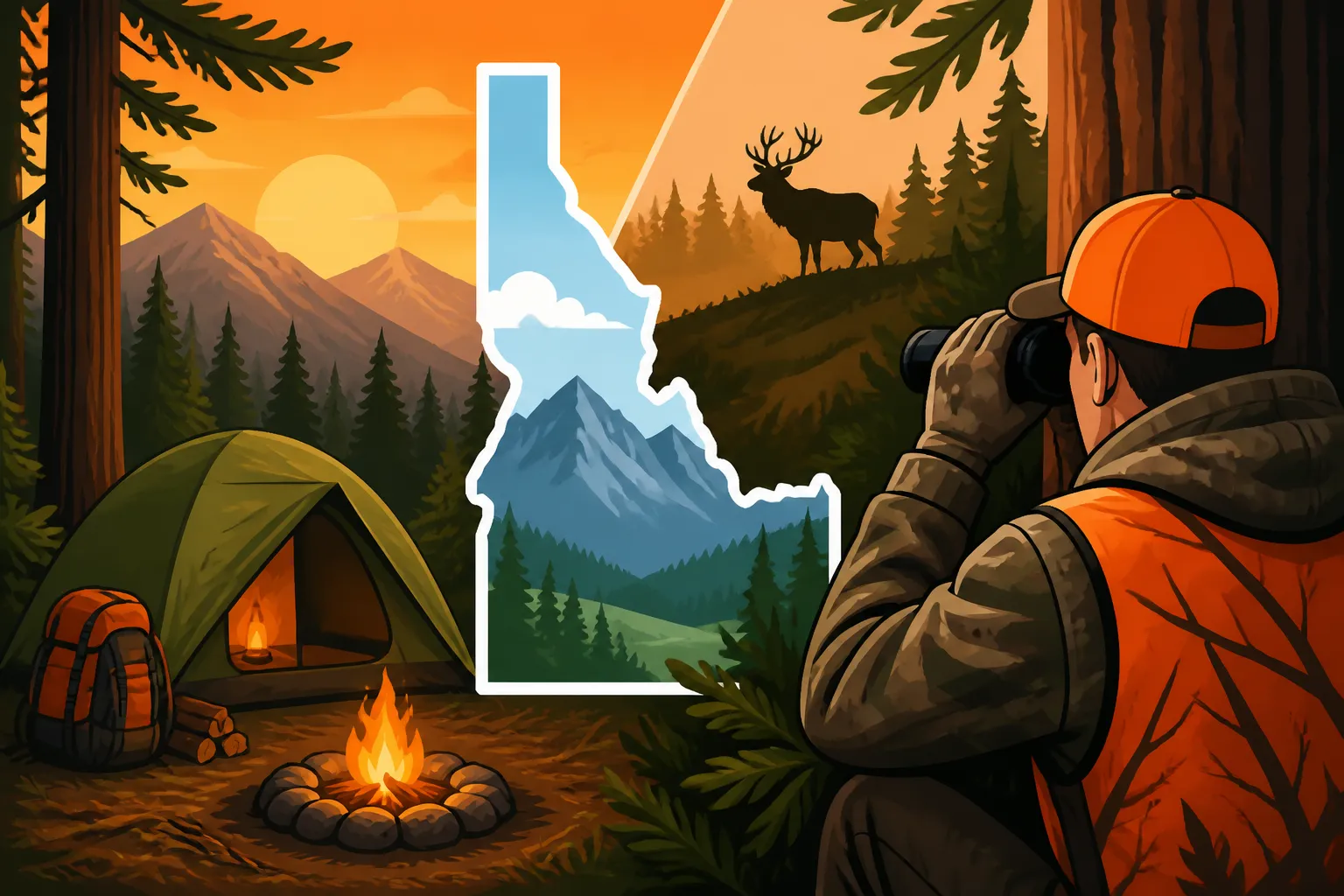
There's nothing quite like the crisp air of an Idaho autumn, the smell of pine needles underfoot, and the promise of a sunrise bugle echoing through the timber. But let's be honest, finding that perfect spot to pitch your tent or park your rig on national forest land during hunting season can feel like a hunt in itself. This guide is here to cut through the confusion and help you understand the ins and outs of camping on Idaho's national forest ground, ensuring you have a comfortable and legal basecamp for your adventures.
Understanding National Forest Camping Rules and Etiquette
When you head into Idaho's national forests, you're stepping into a vast, incredible resource that belongs to all of us. But with that freedom comes responsibility, and a few rules designed to protect both the land and your fellow outdoor enthusiasts. It’s not just about finding a flat spot; it’s about understanding the nuances of dispersed camping versus developed sites, how long you can stay, and how to safely enjoy a campfire. Trust me, nobody wants to be that hunter who sparks a wildfire or gets their camp shut down.
Dispersed Camping Versus Developed Campgrounds
Idaho's national forests offer two main types of camping experiences. On one hand, you have the structured comfort of developed campgrounds. These are typically managed sites, often with amenities like picnic tables, fire rings, vault toilets, and sometimes even potable water. They're great for families or those who prefer a few more conveniences, but they usually come with a fee, designated sites, and are often located closer to main roads, which can mean more people and less solitude during peak hunting season. Think of these as your "easy button" camping spots, where the rules are usually clearly posted.
Then there's dispersed camping, which is truly the heart of a backcountry hunting experience for many. This is where you pull off an established forest road and find your own spot. There are no designated sites, no amenities, and generally, no fees. The beauty of dispersed camping is the solitude and the ability to get away from the crowds, often closer to your hunting grounds. However, with this freedom comes a greater responsibility to practice Leave No Trace principles and understand the specific local regulations. While many areas are open to dispersed camping, some are specifically closed, so always check local forest service maps or contact the ranger district directly for the area you plan to hunt. A good digital mapping tool like onX Hunt can often show these restricted areas.
| Feature | Dispersed Camping (Forest Ground) | Developed Campground (Forest Service) |
|---|---|---|
| Location | Anywhere legal, typically off established roads | Designated sites, often near amenities |
| Amenities | None (no water, toilets, tables) | Picnic tables, fire rings, vault toilets, water |
| Cost | Generally free | Fee required |
| Privacy/Solitude | High, can find secluded spots | Lower, sites are close together |
| Access | Requires navigating forest roads, sometimes rough | Easier access, paved or well-maintained roads |
| Stay Limits | Generally 14-day limit within a 30-day period | Varies, often 14 days, sometimes shorter |
| Fire Rings | Hunter-made or temporary fire pans | Provided metal fire rings |
| Reservations | Not applicable | Often available or first-come, first-served |
Stay Limits and Seasonal Restrictions
Idaho's national forests have rules about how long you can set up camp in one spot, and these are often overlooked by eager hunters. Generally, you're allowed to camp in one location for a maximum of 14 days within any 30-day period. This isn't just a suggestion; it's a regulation designed to prevent long-term occupation of public lands and to allow the land to recover from human impact. After those 14 days, you need to move your camp at least a mile, or ideally, completely out of the area for a set period. This rule applies whether you're in a developed campground or dispersed camping.
Beyond stay limits, you might encounter seasonal restrictions. Some roads or entire areas might be closed to vehicle traffic during certain times of the year, particularly during late fall and winter due to snow, or in the spring to protect wildlife winter range. Seasonal Road Closures Across Idaho Forests are a common occurrence, and it's vital to check these before you head out. These closures can dramatically impact your access to prime hunting and camping locations. Imagine planning a hunt deep in a canyon, only to find the access road is gated for the season! Always check the specific ranger district's Motor Vehicle Use Maps (MVUMs) – often available online or at ranger stations – to know what's open and what's closed. You can also see how these closures affect where Idaho's Motorized Hunting Rule Runs August Into December.
Firewood Collection and Fire Safety
A warm campfire under a canopy of stars is a quintessential part of any hunting camp, but it's also one of the biggest responsibilities. First, always be aware of current fire restrictions. Idaho, like many western states, experiences dry conditions, and fire danger can be extreme, leading to complete fire bans, even in developed campgrounds. These bans can change rapidly, so check the Forest Service website or contact the local ranger district daily if conditions are iffy. Never assume a fire is okay.
When it comes to firewood, you're usually allowed to collect dead and downed wood for your campfire without a permit, as long as it's for personal use and consumed on-site. However, cutting standing trees, even dead ones, is generally prohibited without a permit. Don't be tempted to cut down a standing snag; it's not only illegal but also important habitat for wildlife. Remember, pack a saw or axe for processing fallen timber, and always keep your fires small and manageable. Make sure your fire is completely, utterly out before you leave it unattended or go to bed. Drown it, stir it, feel for heat, and then drown it again. The consequences of a wildfire are devastating, and hunters need to be hyper-vigilant about fire safety.
Finding the Perfect Camp Spot: Tools and Techniques
The difference between a miserable hunting camp and an ideal one often comes down to location. You want a spot that's convenient for hunting, provides some shelter, has access to water (or is easy to pack water in), and ideally, offers a little solitude. This isn't just about throwing a dart at a map; it involves a bit of homework and smart use of technology.
Using Digital Mapping Tools Like onX Hunt
In today's hunting world, digital mapping applications like onX Hunt and GoHunt are indispensable. Gone are the days of relying solely on paper maps, though a paper backup is always a good idea. These apps put an incredible amount of information right on your phone or tablet, even when you're out of cell service. You can toggle layers showing public land boundaries, roads, trails, water sources, topographic lines, and even private land ownership (critical for avoiding trespass). Using onX Layers for Idaho Public Land is a game-changer for finding good camp spots.
Before you even leave home, use these tools to e-scout potential camping areas. Look for flat spots near creeks or springs, away from main roads but with decent access. Identify areas with tree cover for shelter from wind and sun, but also with good visibility if you want to glass from camp. You can mark potential camp spots, measure distances, and even drop pins to track your vehicle's location. This kind of E-Scouting an Idaho Unit Before the Season dramatically increases your chances of finding a killer camp spot. Remember to download your maps for offline use before you head into the backcountry where cell signal is non-existent.
Scouting for Water and Cover
Water is life, especially in a hunting camp. While you can pack in all your water, finding a reliable natural source nearby can lighten your load significantly. When scouting for a camp, look for proximity to creeks, springs, or small ponds. However, always treat any natural water source before drinking it, no matter how clear it looks. A good water filter or purification tablets are essential gear.
Cover is another crucial element. A camp exposed on an open ridge might offer great views, but it'll be brutal in a strong wind or a sudden rainstorm. Look for spots nestled among timber or in the lee of a hill that offers natural protection from the elements. Trees also provide shade during warmer early seasons and can break up the sightlines from other potential hunters. Consider the prevailing wind direction; you don't want your campfire smoke constantly blowing into your tent. Also, think about the ground itself. A rocky, uneven patch will make for a miserable night's sleep, so look for relatively flat, clear areas.
Avoiding High-Pressure Areas
Hunting season, especially the opening weekends, can turn popular areas into small tent cities. If solitude is what you're after, you'll need to work a little harder to find it. Use your mapping apps to identify areas that require a bit more effort to reach – perhaps a longer drive on a rougher road, or a short hike in from a trailhead. Look for less obvious access points or small pockets of public land that might be overlooked.
Often, the areas closest to popular trailheads or easily accessible forest roads will see the heaviest pressure. By pushing a little further, either by vehicle or on foot, you can often find significantly less crowded spots. If you're targeting a specific Elk Herd Distribution by Zone or Mule Deer Winter Range Across the High Desert, sometimes finding your camp just outside the primary hunting pressure can be a strategic move, allowing you to intercept animals moving in and out of those crowded zones. Remember that even a few hundred yards off the main drag can make a huge difference in finding peace and quiet.
Setting Up Your Camp for Success and Safety
Once you've found that prime piece of real estate, setting up camp effectively is key. It's not just about pitching a tent; it's about making your camp a functional, safe, and respectful base of operations for your hunt.
Bear Safety and Food Storage
Idaho is bear country, especially in the northern and central regions where both black bears and grizzlies roam. Bear safety isn't just a good idea; it's a non-negotiable part of camping on forest ground. The absolute most important rule is proper food storage. Any food, scented items (like toothpaste, deodorant, and cooking fuel), and trash must be stored securely to prevent attracting bears. This means using bear-resistant containers, hanging food in a bear bag high in a tree (at least 10-12 feet off the ground and 4 feet from the trunk), or storing it in a hard-sided vehicle or bear-proof cooler if available. Never keep food inside your tent.
Cook and eat at least 100 yards away from your sleeping area to keep food odors away from where you sleep. Dispose of all wastewater properly, away from camp. Always carry bear spray, know how to use it, and keep it readily accessible, even in camp. These Bear Safety Practices in an Outfitter Camp are just as critical for a DIY hunter. Understanding and following Food Storage Rules in Grizzly Country is especially important if you're venturing into areas with known grizzly populations, like parts of the Greater Yellowstone Ecosystem or the Selkirk Mountains. Being sloppy with food storage can not only put you and your hunting partners at risk but can also condition bears to associate humans with food, potentially leading to unfortunate encounters for future campers.
Camp Etiquette and Noise
You're likely not the only one enjoying Idaho's forests during hunting season. Good camp etiquette is about being a considerate neighbor and minimizing your impact on others. Keep noise levels down, especially during early morning and late evening hours when other hunters might be trying to sleep or are already out stalking. Loud generators, blaring music, or excessive shouting can quickly sour the experience for everyone.
Respect other hunters' space. If you find another camp already set up, give them plenty of room – at least a few hundred yards if possible. Don't set up directly on top of someone, or block their access to a trailhead or hunting area. A simple nod or wave is often enough, and sometimes a friendly chat can even lead to shared hunting information. We're all out there for the same reason, and a little courtesy goes a long way. This shared understanding makes the backcountry a better place for everyone.
Minimizing Your Impact (Leave No Trace)
Leaving no trace is more than a slogan; it's a philosophy for responsible outdoor recreation. The goal is to leave your campsite exactly as you found it, or even better. This means packing out everything you pack in, including all trash, food scraps, and even toilet paper. Buried trash can be dug up by animals, and it’s unsightly and unhealthy.
When building a campfire (if allowed), use an existing fire ring if possible. If not, build a small mound fire or use a fire pan to minimize impact on the ground. Scatter any unburnt wood or ash after the fire is completely cold. When you break camp, police the area thoroughly for any dropped items, micro-trash, or forgotten gear. Also, try to camp on durable surfaces like bare dirt or rock, rather than sensitive vegetation. By following these principles, you help preserve the wild character of Idaho's national forests for generations to come.
Respecting the Land and Other Hunters
Hunting in Idaho is a privilege, and that means respecting not only the wildlife but also the land itself and your fellow outdoor enthusiasts. A big part of that is understanding and adhering to regulations designed to maintain fair chase and protect the environment.
Understanding Idaho's Motorized Hunting Rule
A critical rule to be aware of when camping and hunting on national forest ground in Idaho is the state's motorized hunting rule. Generally speaking, Idaho's Motorized Hunting Rule Keeps You on the Road. This means that while you can use motorized vehicles on established roads and trails designated for such use, you absolutely cannot drive off-road to pursue or retrieve game. This regulation is in place to prevent habitat destruction, minimize disturbance to wildlife, and ensure fair chase.
Even if you've spotted a downed animal just a short distance from the road, you are still required to retrieve it on foot or with non-motorized means like a game cart or horse. Breaking this rule can lead to significant fines and loss of hunting privileges. Always consult Motor Vehicle Use Maps for Forest Ground provided by the Forest Service to know exactly which routes are open to motorized travel and which are not. These maps are your best friend for understanding what counts as an "established road" and what might be a closed two-track or a hiking trail.
Dealing with Other Hunters and Shared Resources
Idaho's public lands are a shared resource, and during hunting season, they can get busy. You will encounter other hunters. The best approach is always to be respectful and practice good communication. If you're setting up camp, try to do so out of sight and sound of other established camps. When you're out hunting, avoid walking directly through another hunter's setup if you can reasonably go around them.
Sharing resources also means being mindful of things like popular Trailhead Parking During Hunting Season. Parking can be limited, so park considerately, leaving room for others and not blocking access roads. If you're using a game retrieval service, coordinate with them to ensure minimal disruption to others. Remember, a friendly wave or a polite conversation can go a long way in de-escalating potential conflicts and fostering a positive hunting community. Most hunters are good people, and a shared appreciation for the outdoors can bridge many differences.
Cleaning Up and Packing It Out
Your responsibility to the land doesn't end when you leave your campsite; it extends to every aspect of your hunt. If you harvest an animal, make sure you properly dispose of gut piles away from water sources and trails, and in a manner that doesn't attract unwanted attention near other camps. Follow Field Dressing and Carcass Transport Rules Explained to ensure you're in compliance with state regulations, which often include rules about evidence of sex and proper tagging.
Finally, before you head home, conduct a thorough sweep of your entire camp area. Pick up every last piece of trash, even tiny wrappers or spent casings. Remember the Leave No Trace ethic: "Pack it in, pack it out." This includes everything from your coffee grounds to your spent cartridges. We all have a role in keeping Idaho's incredible hunting grounds wild and beautiful for generations to come.
Disclaimer
This article is for general informational purposes only and does not constitute professional advice. Laws, prices and regulations vary by location and change over time. Consult a qualified professional for guidance on your specific situation.