Which Units Carry a Motorized Hunting Rule
The vast landscapes of Idaho offer unparalleled hunting opportunities, but navigating the rules around vehicle access can feel like trying to read a topo map in the dark with a dead flashlight. It's frustrating to plan a hunt, only to discover you can't access a prime area the way you intended, or worse, inadvertently break a rule. This guide is here to unravel the complexities of Idaho's motorized hunting rules, helping you understand where and how these regulations apply across different units and how to find the specific information you need for a smooth, compliant hunt.
Decoding Idaho's Motorized Hunting Rule: The Basics
Idaho’s motorized hunting rule isn't just a suggestion; it's a critical regulation designed to protect wildlife habitat, minimize disturbance to animals, and maintain a fair chase environment for hunters. At its heart, this rule stipulates where and when you can use motorized vehicles, including ATVs, UTVs, and even your trusty pickup, while engaged in hunting activities. Many hunters, especially those new to the state or coming from areas with different regulations, find this particular rule a bit of a headache, trying to figure out if their planned approach is legal.
What Constitutes a Motorized Vehicle in Idaho Hunting?
When we talk about "motorized vehicles" in the context of Idaho's hunting regulations, it encompasses a pretty broad spectrum. We're not just talking about big trucks, but anything with an engine that can get you from point A to point B. This includes passenger vehicles, motorcycles, all-terrain vehicles (ATVs), utility task vehicles (UTVs), and snowmobiles. The key is understanding that if it has an engine and moves you, it's generally subject to these rules. It’s not about judging horsepower or seating capacity, but simply the presence of a motor for propulsion. Many hunters rely on these vehicles to access remote areas or to haul gear, making understanding the restrictions absolutely essential.
The Purpose Behind the Regulation
You might wonder why Idaho Fish and Game has these rules in place. It's not to make your life harder, believe me! The primary goal is conservation and ensuring a quality hunting experience for everyone. Unrestricted motorized travel can lead to habitat destruction, soil erosion, and increased stress on wildlife, especially during sensitive times like the rut or winter migration. It also helps manage hunter pressure; if every hunter could drive right to their favorite spot, many areas would quickly become overcrowded and overhunted. The rule aims to spread out hunting pressure and encourage more traditional, foot-powered or horseback access, which many feel contributes to a more authentic and challenging hunt. This careful balance helps maintain healthy game populations and preserve the wild character of Idaho's stunning landscapes. Idaho's Motorized Hunting Rule Runs August Into December is a prime example of a seasonal restriction put in place to protect these values.
Identifying Units and Areas Under Motorized Restrictions
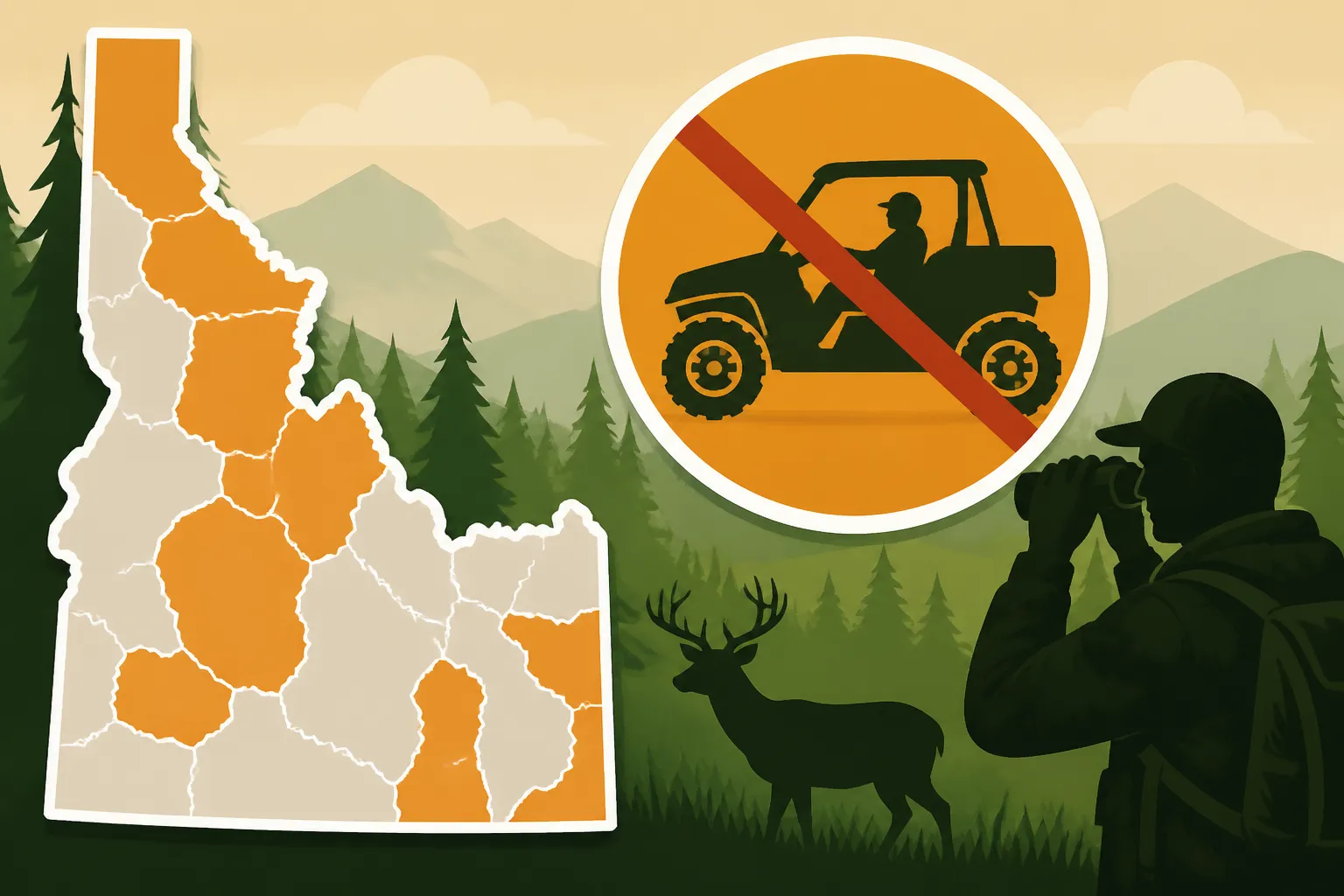
The question "Which units carry a motorized hunting rule?" is a bit of a trick, because in a general sense, all units in Idaho operate under the fundamental motorized hunting rule: you must stay on established roads. However, the nuance lies in which specific roads are open, which are closed, and if there are additional unit-specific motorized restrictions or seasonal closures beyond the statewide general rule. It's less about certain units having the rule and more about how the rule is applied within each unit, often depending on land ownership and local management plans.
General Application Across Public Lands
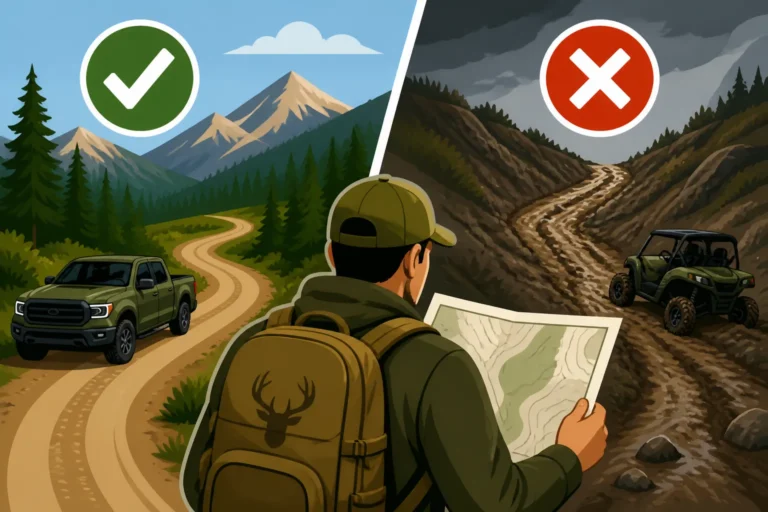
For the vast majority of Idaho's public lands, particularly those managed by the U.S. Forest Service (USFS) and the Bureau of Land Management (BLM), the motorized hunting rule means sticking to designated roads and trails. This is where tools like onX Hunt become absolutely indispensable. You can overlay land ownership, look at motor vehicle use maps (MVUMs), and see precisely which routes are open to motorized travel and which are not. Many hunters get caught out because a two-track trail might look like a road, but if it's not designated for motorized use on an MVUM, driving on it is a violation.
Consider hunting in the Boise National Forest or the Salmon-Challis National Forest. While you can drive your truck or ATV on many main roads, venturing off into a drainage on a faint game trail is a big no-no. This isn't just about protecting the land; it's also about preventing conflicts between hunters who value solitude and those who might inadvertently disturb game by driving where they shouldn't. The rule fundamentally applies to Which Roads Count Under the Motorized Rule, which are those clearly designated and maintained for public vehicular access.
Special Considerations for Wildlife Management Areas and Wilderness
While the general rule applies everywhere, certain areas have even stricter motorized restrictions. Idaho's Wildlife Management Areas (WMAs), for instance, are often managed with a heavier hand to protect critical habitats and wintering grounds. Many WMAs have extensive road closures, some year-round, others seasonally. For example, some WMAs might completely close internal roads during the winter to minimize disturbance to deer and elk on their winter ranges. Similarly, designated Wilderness Areas, like the Frank Church-River of No Return or the Selway-Bitterroot, have a complete prohibition on motorized vehicles. If you plan to hunt in these incredible, rugged areas, you're packing in and out on foot or with pack stock – no exceptions. Idaho's Motorized Hunting Rule Keeps You on the Road is a principle that is especially stringent in these sensitive ecological zones.
You might find that a WMA within a larger Game Management Unit (GMU) has its own specific set of motorized rules, which can be more restrictive than the broader GMU regulations. Always check the individual WMA rules directly with Idaho Fish and Game. Failing to do so can land you in hot water and potentially jeopardize your hunting season.
Navigating Motorized Access on Your Hunt
Planning your hunt with motorized rules in mind is half the battle. It's not enough to simply know the rule exists; you need to integrate it into your scouting and trip preparations. Getting this right can save you a lot of headache and keep you on the right side of regulations, ensuring your focus stays on the hunt itself.
Researching Specific Unit Regulations
Before you even load up the truck, your first step should be to dive deep into the specific regulations for the Game Management Unit (GMU) or area you plan to hunt. The Idaho Fish and Game website is your best friend here, specifically their Hunt Planner. This incredible resource allows you to zoom in on any of Idaho’s Idaho Runs 99 Game Management Units and access detailed maps and regulations. You can pull up overlays that show public and private land, as well as designated roads and trails.
However, remember that state regulations often refer to federal land management agency rules for roads. This means you'll also need to consult the Motor Vehicle Use Maps (MVUMs) published by the U.S. Forest Service and BLM for the specific ranger districts or field offices within your chosen unit. These maps are the definitive source for determining which roads and trails are open to motorized traffic. Often, MVUMs are available as free downloads or can be viewed digitally using mapping apps like onX Hunt. Using these layers on your phone or GPS device while in the field is crucial for staying compliant. Reading an Idaho Controlled Hunt Area Boundary becomes much easier when you're also aware of the access rules within those boundaries.
Tools and Maps for Staying Compliant
In today's hunting world, digital mapping tools are an absolute game-changer for navigating motorized restrictions. Services like onX Hunt provide an invaluable resource by offering detailed layers that show land ownership, designated roads, and even MVUM overlays for federal lands. With onX Hunt, you can often see at a glance whether a trail is open to motorized vehicles or if it's foot-traffic only. This visual clarity is far more reliable than relying on faded paper maps or guesswork.
Another excellent practice is to download offline maps to your device before heading into areas with no cell service. Many of Idaho's prime hunting spots are far from cell towers, and you don't want to lose your ability to check regulations when you're miles into the backcountry. GoHunt also offers extensive unit data and resources that can complement your mapping efforts by providing harvest statistics and general unit information, helping you identify areas that might experience less motorized pressure. Always verify the most current regulations directly through the Idaho Fish and Game and the relevant federal land management agencies, as changes can occur.
| Type of Road/Trail | Typical Motorized Access Rule | Best Way to Confirm |
|---|---|---|
| Paved Highways | Generally open for travel and accessing hunting areas. | State/County Road Maps |
| Main Dirt/Gravel Roads | Often open unless posted otherwise; subject to seasonal closures. | MVUMs (USFS/BLM), onX Hunt map layers |
| Two-Track Trails | Highly variable; often closed to motorized traffic. Assume closed unless specifically marked open. | MVUMs (USFS/BLM), onX Hunt map layers |
| Hiking/Pack Animal Trails | Explicitly closed to motorized vehicles. | MVUMs, Forest Service trail maps, onX Hunt layers |
| Undesignated Game Trails | Always closed to motorized vehicles. | Assumed closed; no motorized travel allowed |
| Roads within WMAs | Often have specific, more restrictive seasonal or year-round closures. | IDFG WMA specific regulations, onX Hunt WMA layers |
Important Exceptions and Common Misunderstandings
Even with a solid grasp of the motorized rule, there are specific situations and common misconceptions that can trip up hunters. Understanding these nuances is key to a truly successful and compliant hunt in Idaho.
Retrieving Downed Game and the Motorized Rule
One of the most frequent questions hunters have about motorized rules concerns game retrieval. You've worked hard, made an ethical shot, and now you have a magnificent elk or deer down in a tough spot, maybe a quarter-mile off a designated road. Can you just drive an ATV in to retrieve it? Generally, the answer is no. Can You Drive Off Road to Retrieve Downed Game is a critical point of confusion for many. The motorized hunting rule typically applies whether you are actively hunting or retrieving game. Driving off designated roads or trails to retrieve an animal is still considered a violation in most cases and can lead to fines and citations.
The ethical hunter's responsibility is to retrieve their game, and that usually means packing it out on your back, with a game cart, or with pack animals. It's part of the challenge and reward of hunting in rugged country. Always consult the specific regulations for your unit and local land management offices. In very limited and extreme circumstances, a special permit might be issued for game retrieval, but this is rare and not something to count on. Always plan your hunt knowing you'll have to retrieve your game without motorized assistance off established routes.
Other Vehicle-Related Rules to Be Aware Of
Beyond the primary motorized hunting rule, Idaho has other regulations regarding vehicle use that hunters need to know. For example, some areas might have seasonal road closures that are not directly tied to hunting but rather to protect roads from damage during wet periods or to protect wintering wildlife. These closures can impact your access even if the "motorized hunting rule" isn't actively in effect. Always check for seasonal closures through the Forest Service or BLM.
Another aspect is the prohibition of spotlighting, which is using artificial lights to spot or locate game animals. While this isn't directly a "motorized" rule, it often involves vehicles. Generally, spotlighting is illegal for hunting big game and many other species in Idaho, with very specific exceptions for certain predators or furbearers under strict conditions and often with special permits. Make sure you understand Idaho Spotlighting Rules for Predator Hunting if you plan to pursue those species.
Finally, remember that the "motorized hunting rule" often applies to the act of hunting. This doesn't mean you can't drive on established roads to get to your hunting area, park your vehicle, and then proceed on foot. It’s about limiting the use of the vehicle as part of the hunt itself or for off-road access. Staying informed about all vehicle-related rules will make your Idaho hunting experience safer, more enjoyable, and always legal.
Disclaimer
This article is for general informational purposes only and does not constitute professional advice. Laws, prices and regulations vary by location and change over time. Consult a qualified professional for guidance on your specific situation.