How Many Units One Elk Zone Can Hold
Navigating Idaho's hunting regulations can sometimes feel like trying to solve a puzzle with too many pieces, especially when you start looking at how Game Management Units (GMUs) and Elk Zones overlap. It's a common point of frustration for many hunters, both seasoned and new, trying to figure out exactly what area their hard-won tag covers. This guide aims to clear up that confusion, helping you understand how Idaho structures its elk hunting areas and why knowing the relationship between units and zones is absolutely crucial for a successful and legal hunt.
Understanding Idaho's Layered Hunting Map: GMUs and Elk Zones
Idaho's approach to managing its diverse wildlife, particularly large game like elk, involves a sophisticated system that can initially seem a bit complex. Unlike some states that might operate with a single set of geographical boundaries for all hunting, Idaho uses a layered approach, primarily distinguishing between Game Management Units (GMUs) and Elk Zones. Understanding the difference and how they interact is fundamental to planning your hunt.
Game Management Units: The Granular View
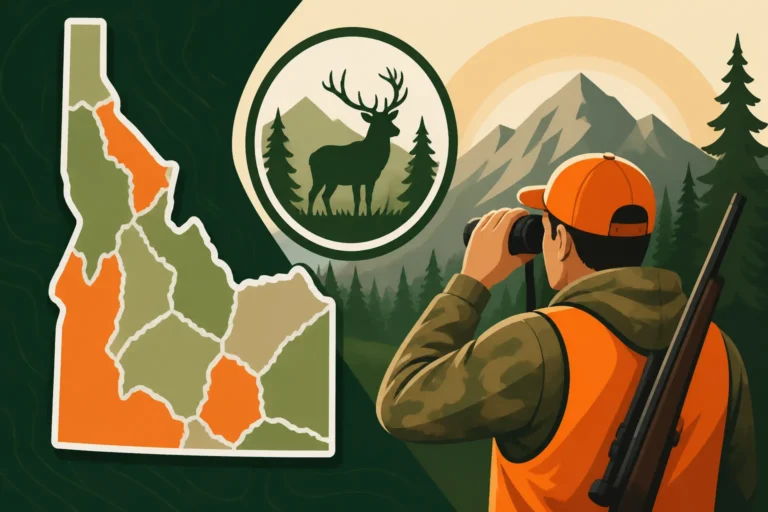
Think of Game Management Units (GMUs) as the building blocks of Idaho's hunting landscape. These are smaller, clearly defined geographical areas, each with a unique number, like Unit 10A, Unit 39, or Unit 50. There are 99 of these units across the state, and they are designed to allow Idaho Fish and Game to manage specific wildlife populations at a very localized level. This granularity means that regulations regarding deer, bear, mountain lion, or even specific types of elk hunts (like controlled hunts for cow elk) might vary significantly from one unit to the next, even if they're right next to each other. For example, How Idaho Numbers Its Game Management Units gives you a better idea of their structure. These units often follow natural boundaries like rivers, ridges, or major highways, making them identifiable on detailed maps.
Elk Zones: The Broader Management Strategy
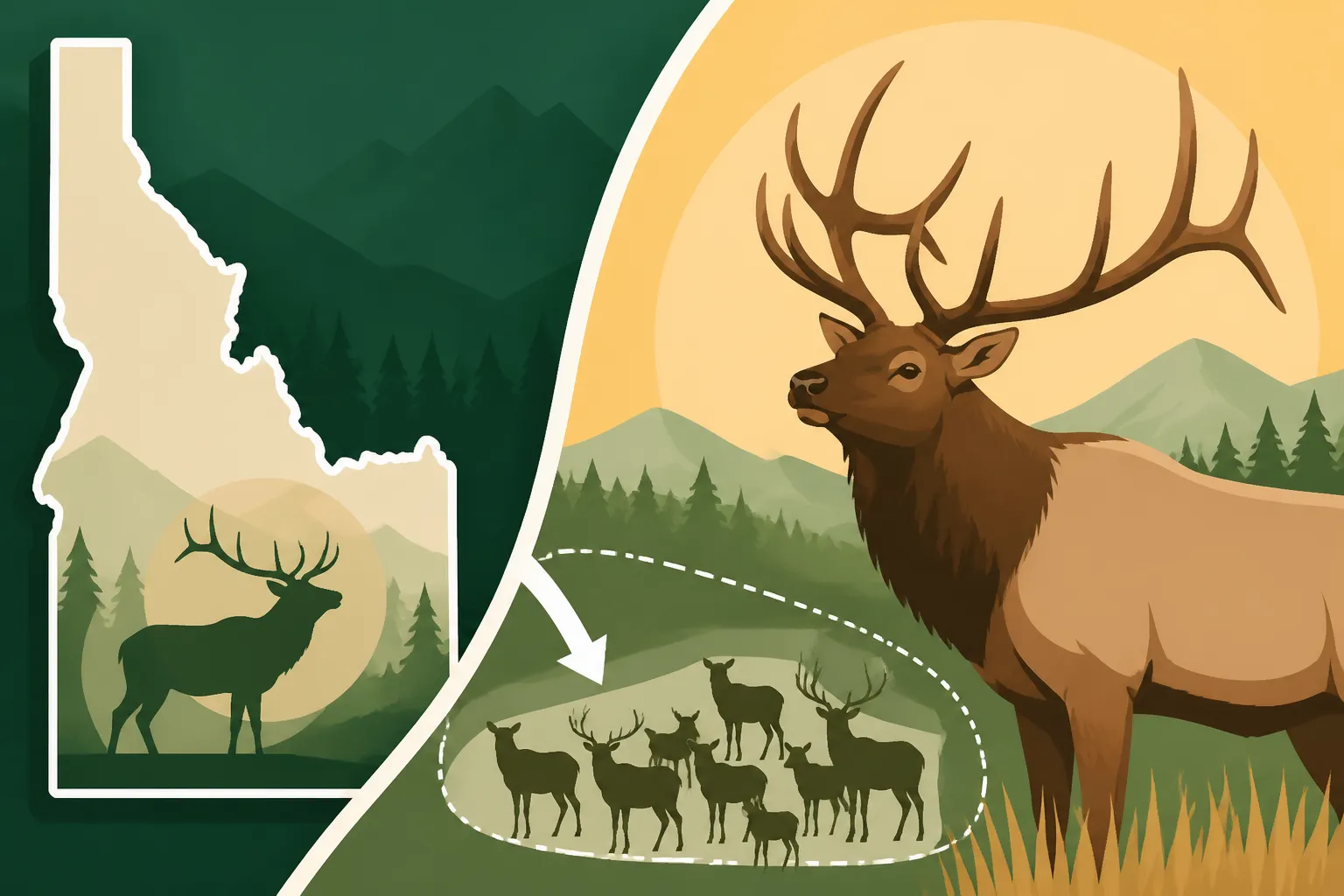
Elk Zones, on the other hand, are much larger geographical regions. Instead of being tailored to every species, these zones are specifically designed for the broader management of elk populations. Idaho currently has 28 named Elk Zones, such as the Panhandle Zone, Clearwater Zone, Lolo Zone, or Pioneer Zone. The critical thing to grasp is that an Elk Zone is almost always composed of multiple individual GMUs. The zone dictates the general elk hunting framework, often including broad season dates (like archery or rifle seasons) and the overarching tag type (like an A Tag or a B Tag) that applies to elk within that entire zone. For a deeper dive into these classifications, you can read Idaho Elk Zones Explained. This system allows the state to manage elk herds across their migratory routes and larger home ranges, considering environmental factors and hunting pressure on a grander scale.
The Varying Scale: How Many Units Make Up a Zone?
It's common for new hunters, especially those from states with simpler zone structures, to assume that an Elk Zone might perfectly align with a single GMU, or perhaps just two. The reality in Idaho is far more diverse and depends heavily on the specific zone you're looking at. There isn't a fixed number; some zones are quite compact, while others are sprawling areas encompassing a significant portion of the state.
Zone Size Dictated by Elk Behavior and Geography
The number of Game Management Units an Elk Zone holds isn't arbitrary. It's often determined by the natural movement and population distribution of elk within that region, as well as the underlying geography. In areas with vast wilderness, complex mountain ranges, and extensive elk migration corridors, a single Elk Zone might need to cover a larger area to effectively manage those herds. Conversely, zones in more fragmented landscapes or where elk populations are more localized might be smaller and thus contain fewer GMUs. This dynamic relationship is key to understanding How Idaho Elk Zones Sit on Top of the Units.
For instance, a smaller, more accessible Elk Zone might encompass just 3-5 GMUs, perhaps in a region with specific geographic barriers or where elk are managed more intensely within those boundaries. On the other hand, a massive, backcountry-heavy zone, like the Frank Church Zone or the Middle Fork Zone, might include 10, 15, or even more GMUs. These larger zones are designed to manage elk across vast, often roadless, wilderness areas where elk range widely.
Here’s a simplified illustration of how some hypothetical Idaho Elk Zones might be comprised of GMUs:
| Elk Zone Name (Example) | Typical Number of GMUs Encompassed | General Characteristics |
|---|---|---|
| Panhandle Zone | 5-8 | Northern Idaho, diverse terrain, often includes a mix of timber and agricultural lands. |
| Clearwater Zone | 8-12 | Central Idaho, extensive timbered mountains, key elk habitat. |
| Lolo Zone | 4-6 | Often smaller, dense timber, known for challenging hunting. |
| Sawtooth Zone | 7-10 | Central mountains, high elevation, mix of wilderness and accessible areas. |
| Pioneer Zone | 3-5 | More southern, typically involves a mix of mountainous and high desert terrain. |
| Frank Church Zone | 12-18+ | Large, remote wilderness, often requires significant effort or specialized access. |
Note: The numbers above are illustrative and based on general knowledge of Idaho's zones and units. Always refer to current Idaho Fish and Game regulations and maps for precise boundaries.
Practical Implications for Hunters
This variation in scale means that simply knowing you have an "Elk Zone" tag isn't enough. You must delve deeper into the specific GMUs that fall within your chosen zone. The unit boundaries within that zone become critical when you start looking at localized regulations. For example, while your zone tag might permit you to hunt elk, a specific GMU within that zone might have a different archery season length, a unique weapon restriction, or an antler point restriction (e.g., spike-only rules) that applies only to that unit. This level of detail is why resources like The Idaho Hunt Planner Is the Tool to Start With are invaluable.
Why This Overlap Matters for Your Hunt Planning
Ignoring the relationship between Elk Zones and Game Management Units is one of the quickest ways to find yourself in a bind in the Idaho backcountry. This layered system isn't just bureaucratic; it's a critical tool for Idaho Fish and Game to manage complex wildlife populations and hunting pressure effectively. For you, the hunter, understanding this overlap is paramount for both compliance and success.
Navigating Regulations and Tag Types
Idaho's elk tags are often tied directly to Elk Zones, and within those zones, you'll choose between an A Tag or a B Tag, which dictate your season framework. How to Pick Between an Idaho A Tag and a B Tag goes into this in detail. However, within the vast expanse of an Elk Zone, specific GMUs might have their own nuanced rules. Imagine you've drawn a coveted A Tag for a particular zone, believing you have free rein across it. You might later discover that certain units within that zone are designated for "short-range weapons only" for a portion of the season, or they might have different opening and closing dates for specific weapon types. This means that while your zone tag is valid, the unit you're standing in dictates the specific methods and dates you can legally hunt.
Furthermore, understanding the units is crucial for specialized opportunities. Perhaps there's a specific cow elk controlled hunt in a certain unit within your general Elk Zone. Or maybe you're interested in Spike-Only Bull Rules Inside Idaho A Tag Seasons which might apply to certain units more than others. Without studying the units, you'll miss these details or, worse, inadvertently violate a regulation.
Scouting and Access Considerations
When you start to plan your hunt, whether it's E-Scouting an Idaho Unit Before the Season or physically covering ground, the GMU boundaries become your immediate focus for practical reasons. While elk move across large areas that align with zones, your scouting efforts and potential hunting spots will be in specific units. Public land access, for example, can vary dramatically between adjacent units. One unit might have extensive public land within a National Forest, while a neighboring unit within the same Elk Zone could be predominantly private land, requiring Getting Landowner Permission in Idaho or relying on programs like Access Yes.
Knowing the unit boundaries helps you:
- Locate Public Land: Using tools like onX Hunt, you can overlay land ownership maps onto GMU boundaries to pinpoint accessible hunting grounds.
- Identify Road Systems: Certain units might have more extensive road networks (subject to Idaho's Motorized Hunting Rule Keeps You on the Road) while others are designated as wilderness or roadless areas.
- Understand Pressure: By reviewing harvest statistics for individual units (which you can often find through Idaho Fish and Game or services like GoHunt), you can gauge hunting pressure and success rates more accurately than looking at zone-wide data. This granular detail allows you to make more informed decisions about where to focus your efforts for a less crowded or more productive hunt.
Tools and Strategies for Navigating Idaho's Boundaries
Understanding Idaho's layered hunting structure is one thing; effectively navigating it in practice is another. Fortunately, there are excellent resources and strategies available to help you pinpoint boundaries and stay compliant, whether you're planning from your armchair or deep in the backcountry.
Official Resources: Your First Stop
The absolute first place to start your research is always the Idaho Fish and Game (IDFG) website. They are the authoritative source for all regulations, season dates, and boundary descriptions. Their annual big game regulations booklet is invaluable, providing detailed maps and written descriptions of both Elk Zones and the GMUs that comprise them.
Beyond the printed regulations, the IDFG website features an interactive tool called the Idaho Hunt Planner Is the Tool to Start With. This online map center allows you to visualize unit and zone boundaries, overlay various data layers like public land ownership, and search for specific hunt opportunities. Learning Using the Idaho Hunt Planner Map Center effectively is a critical skill for any Idaho hunter. It might take a little getting used to, but the wealth of information available there is unmatched. You can zoom in, pan around, and see exactly where one unit ends and another begins, or how a unit fits into a larger elk zone.
Digital Mapping: Essential for Field Navigation
In today's hunting world, digital mapping applications are indispensable, especially when dealing with complex boundaries like those in Idaho. Apps like onX Hunt allow you to download offline maps to your phone or GPS device, showing parcel boundaries, public land, roads, trails, and most importantly, GMU and Elk Zone boundaries. This is crucial for real-time navigation in the field, preventing accidental trespass or hunting in the wrong unit.
For example, you can load your specific Elk Zone onto onX Hunt, then zoom in to see all the individual GMUs within that zone. The app will often highlight the boundaries of the unit you're currently in, giving you confidence that you're hunting legally. When you're trying to figure out Reading an Elk Zone Boundary on a Map while standing on a ridge line, a GPS-enabled app becomes your best friend. Services like GoHunt also provide mapping tools and unit-specific data that integrate seamlessly with official regulations, helping you cross-reference information and plan more effectively.
Continuous Cross-Referencing
The key to avoiding confusion and potential legal issues is constant cross-referencing. When you identify a potential hunting area, look it up in the official regulations by both Elk Zone and GMU. Make sure the season dates, weapon restrictions, and any antler point rules align for the specific unit you intend to hunt within your chosen zone. Don't assume that just because the zone is open, every unit within it is open for the same hunt type. This diligence is especially important if you're exploring units close to zone boundaries or in areas with known localized regulations. By taking the time to understand this layered system, you'll be well-prepared for an ethical and successful hunting adventure in Idaho.
Disclaimer
This article is for general informational purposes only and does not constitute professional advice. Laws, prices and regulations vary by location and change over time. Consult a qualified professional for guidance on your specific situation.