When Idaho’s Mourning Dove Opener Falls
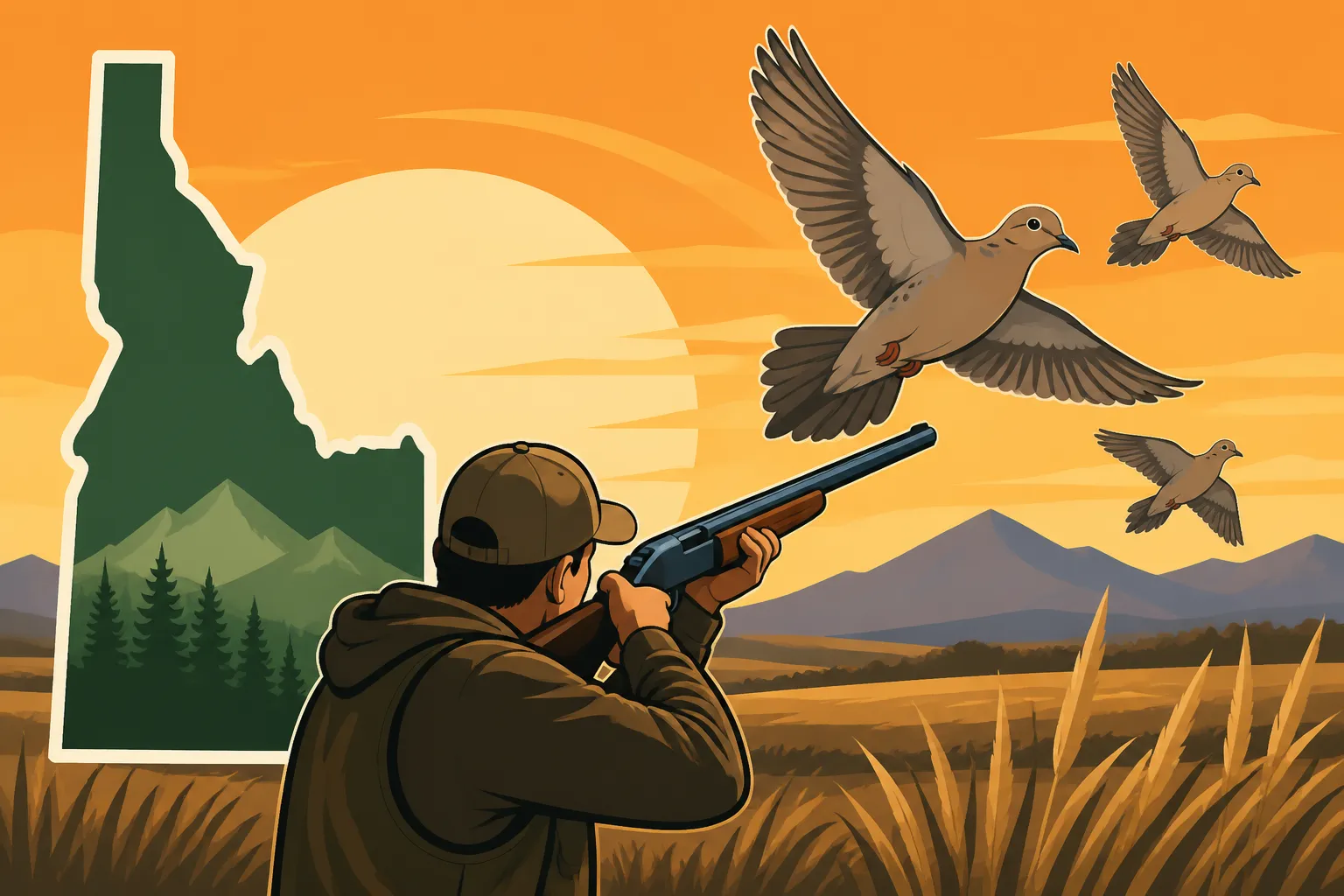
There's nothing quite like the sound of wings overhead on a crisp late summer morning, especially when you're thinking about dove season. But if you've ever tried to nail down the exact date for Idaho's mourning dove opener, you know it can feel a bit like chasing a ghost that zips between fields. This guide is here to cut through the confusion and give you a clear understanding of when you can reliably expect to hit the fields for these fast-flying, incredibly fun birds.
Understanding Idaho's General Mourning Dove Season Framework
For many of us who eagerly await the start of bird hunting, mourning doves represent one of the earliest opportunities to get out in the field. Their season is a rite of passage, signaling the gradual shift from summer's leisure to autumn's hunting fervor. While the exact calendar date might wiggle a bit, the overall timeframe for Idaho's mourning dove season is remarkably consistent, giving hunters a good idea of when to start their preparations.
The Traditional Opening Window
If you're new to dove hunting in Idaho, or even if you're a seasoned veteran just trying to keep track, the most important thing to remember is that the mourning dove season consistently opens around the same time each year: September 1st. This isn't a hard and fast law for every single migratory bird, but for mourning doves in Idaho, it's about as close to a fixed date as you'll find without consulting the official regulations for the current year. It's truly a tradition that many hunters rely on, marking the unofficial end of summer and the beginning of fall hunting pursuits.
This opening date is no accident; it's carefully coordinated by the Idaho Department of Fish and Game (IDFG) in conjunction with federal guidelines for migratory birds. Mourning doves are managed at a flyway level, meaning that states within designated migratory bird flyways – Idaho being in the Pacific Flyway – coordinate their season dates to ensure sustainable populations across their range. So, while Idaho sets the specific date, it's part of a larger, well-thought-out conservation strategy. This consistency provides a predictable window for hunters to anticipate, allowing them to plan their early season adventures, scout potential fields, and get their gear ready for action.
Season Length and Bag Limits
Beyond the opener, understanding the typical season length and bag limits is crucial for planning your dove hunts. Idaho's mourning dove season is generally quite generous, often running for about 30 days. This means that once the season opens, you usually have a full month to enjoy the fast-paced action that dove hunting provides. This extended period allows for multiple outings, giving hunters flexibility to accommodate weather, work schedules, and other hunting opportunities that might arise, such as Idaho Upland Bird Season Opening Dates for other species.
As for bag limits, these are also set annually but tend to follow a consistent pattern. Typically, hunters are allowed a daily bag limit of 15 mourning doves, with a possession limit of 45 birds. The daily limit means you can harvest up to 15 doves in one day, while the possession limit dictates the maximum number of doves you can have in your physical possession at any given time, whether in the field, in your cooler, or at home. These limits are designed to provide ample opportunity for hunters while ensuring the long-term health of the dove population. Always double-check the current year's official regulations, as these numbers, though consistent, are subject to change by IDFG.
What Influences the Specific Opener Date Each Year
While September 1st is the traditional and highly reliable opening day for mourning dove season in Idaho, it's important to grasp that wildlife regulations aren't etched in stone forever. There are specific processes and factors that determine the exact calendar date each year, and understanding these will empower you to always find the most accurate information. Relying on last year's calendar might get you close, but it’s always best to consult the definitive sources.
Idaho Fish and Game's Role and Federal Frameworks
The Idaho Department of Fish and Game (IDFG) plays the central role in setting Idaho's hunting seasons, including that for mourning doves. However, because mourning doves are migratory birds, IDFG doesn't act alone. They operate within a framework established by the U.S. Fish and Wildlife Service (USFWS), which has the primary responsibility for managing migratory bird populations at a national level. The USFWS sets broad guidelines and frameworks for season dates, bag limits, and shooting hours for different migratory bird species within each of the four North American flyways, including Idaho's Pacific Flyway.
What this means for Idaho hunters is that while the USFWS provides the overarching rules, IDFG then takes those federal guidelines and tailors them to Idaho's specific biological and social conditions. For mourning doves, this usually involves selecting a specific opening date within an allowed federal window, typically at the beginning of September. IDFG considers factors like local dove populations, nesting success, public input, and consistency with neighboring states when finalizing these dates. This collaborative process ensures both conservation and recreational opportunities, even if it means the opener occasionally lands on a slightly different calendar day than the previous year, such as a Monday instead of a Saturday, if September 1st moves.
Checking the Current Regulations
Given that the exact opening date, while consistently around September 1st, can shift by a day or two depending on how that date falls on the calendar and any minor adjustments by IDFG, it's absolutely vital to check the official regulations for the current season. This isn't just a suggestion; it's a non-negotiable step for any responsible hunter. The Idaho Fish and Game Hunting Seasons and Rules brochure is your definitive source. This publication is updated annually and contains all the specific dates, bag limits, shooting hours, and other regulations pertinent to mourning doves and all other game species.
You can usually find these regulations published online on the official Idaho Fish and Game website, often available as a downloadable PDF. Printed copies are also typically available at IDFG regional offices and licensed vendors across the state. Many serious hunters also use digital mapping and information platforms, such as GoHunt, which often integrate these regulatory dates once they are finalized, making it easier to plan your outings. Whether you’re planning your trip or just a quick afternoon hunt, cross-referencing with a platform like GoHunt can help you consolidate your research and ensure you have the most up-to-date information, preventing any potential violations. Remember, ignorance of the law is no excuse, and having the correct dates and rules at your fingertips is paramount to a successful and legal hunt. Where the Current Idaho Regulations Are Posted is a great resource to learn more about accessing these documents.
Here's a quick look at the typical seasonal pattern for mourning doves in Idaho:
| Season Aspect | General Timeframe / Rule | Notes |
|---|---|---|
| Opening Date | Consistently September 1st (may shift if 9/1 is a Sunday) | Federal and state coordination determines exact calendar day. |
| Season Length | Approximately 30 days | Provides ample opportunity through early fall. |
| Daily Bag Limit | 15 mourning doves | Number of birds legally harvested per day. |
| Possession Limit | 45 mourning doves | Total number of birds legally in your possession. |
| Legal Hours | Half-hour before sunrise to sunset | Always confirm specific Idaho Legal Shooting Hours for Big Game and small game in current regs. |
| Weapon | Shotguns (max 3 shells in magazine), air rifles, bows | Check specific rules for all legal methods; Which Weapons Qualify as Short-Range in Idaho. |
Prepping for Idaho's Mourning Dove Season
Getting ready for dove season is a unique experience. Unlike big game hunts that might require extensive physical conditioning and specialized gear, dove hunting is often a more relaxed, social affair. However, "relaxed" doesn't mean "unprepared." A little foresight and proper planning can significantly increase your success and enjoyment when those fast flyers start buzzing the fields.
Gear and Ammunition Considerations
When it comes to gear for mourning doves, simplicity is often key, but a few essentials will make your hunt far more productive. First and foremost, you'll need a shotgun. Most hunters opt for a 12 or 20 gauge, but even a 28 gauge or .410 can be effective in the right hands. The critical regulation to remember for migratory birds, including doves, is that your shotgun must be plugged to hold no more than three shells (one in the chamber, two in the magazine). This is a federal requirement for all migratory bird hunting and is strictly enforced.
Ammunition choice is also important. Doves are small, delicate birds, and smaller shot sizes are generally preferred. Common choices include #7.5 or #8 lead shot. Steel shot is usually not required for doves, as they are not typically hunted over water, but always double-check if you're hunting in specific areas like Wildlife Management Areas or federal refuges where non-toxic shot might be mandated. Since dove hunting can involve a lot of shooting, bringing plenty of shells is wise—a box or two per hunter isn't excessive. Beyond the gun and ammo, don't forget a comfortable stool or bucket to sit on, a cooler with ice for your harvested birds and drinks, and proper camouflage or drab clothing to blend into the field edges. You might also consider a pair of shooting glasses and hearing protection, as dove hunts can be surprisingly loud and dusty affairs. For more on specific shot sizes, consider reading What Shot Size Counts as Short-Range Legal.
Scouting and Access
Finding good dove hunting spots in Idaho largely revolves around understanding their habitat preferences. Mourning doves love agricultural fields, especially those with harvested grains like wheat, barley, or corn. They also frequent areas with sunflowers, gravel roads for grit, and nearby water sources. Early season scouting is vital. Before the opener, drive around agricultural areas, especially in the southern and western parts of the state, and look for doves flying into fields in the mornings and evenings, or perched on power lines. Binoculars can be a huge asset here for identifying potential concentrations.
Access is another crucial element. A significant portion of Idaho's prime dove habitat is on private land. This means you'll need to secure permission from landowners before you hunt. Always approach landowners respectfully, well in advance of the season, and offer to share some of your harvest or help with farm chores. Public lands, particularly BLM ground and State Endowment lands, can also offer good dove hunting, especially around water sources or agricultural leases. Tools like GoHunt can be invaluable for identifying land ownership boundaries and finding potential public access points. You can also explore programs like Idaho's Access Yes, which opens Access Yes Opens 328,000 Private Acres in Idaho to hunters. Remember, understanding Idaho's Motorized Hunting Rule Keeps You on the Road is key, as driving off established roads, even for retrieval, is generally prohibited.
Hunter Education and Licensing
Before you even think about stepping into a field with a shotgun, make sure you've taken care of the necessary administrative steps. First, you'll need a valid Idaho hunting license. For those born after a certain date, hunter education is a mandatory requirement. Specifically, Anyone Born After 1974 Needs Idaho Hunter Education. If you were born on or after January 1, 1975, you must successfully complete a hunter education course to purchase a hunting license in Idaho, unless you qualify for an exemption like The Idaho Hunting Passport Lets You Try Before You Certify program, which allows mentored hunting for new hunters.
The hunter education course covers crucial aspects of firearm safety, wildlife identification, hunting ethics, and Idaho's regulations. It's an investment in your safety and the future of hunting. You can find information on both online and in-person courses through the IDFG website. It's much better to get this requirement out of the way well before the season opener, rather than scrambling at the last minute. Ensure all your licenses and permits are up-to-date, and always carry them with you in the field. These preparations, while sometimes feeling like bureaucratic hurdles, are essential for a safe, legal, and ultimately enjoyable mourning dove season in Idaho.
Disclaimer
This article is for general informational purposes only and does not constitute professional advice. Laws, prices and regulations vary by location and change over time. Consult a qualified professional for guidance on your specific situation.