Where to Find Chukar in Sage Country
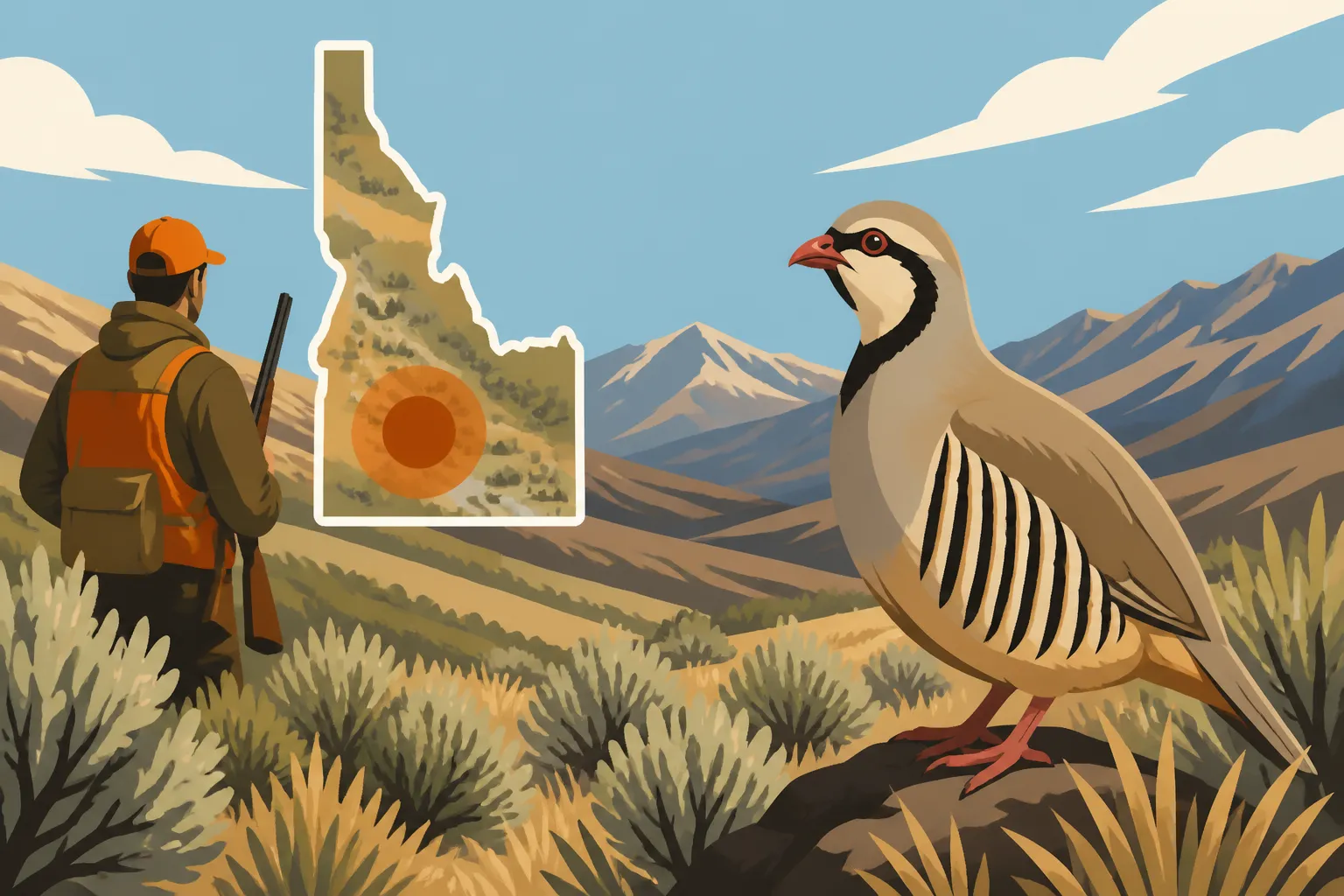
There’s nothing quite like the burn in your lungs as you scramble up another steep Idaho slope, only to hear that mocking "chuk-chuk-chukar" call just over the next ridge, signaling that the birds you just busted are already flying away to another inaccessible spot. Chukar hunting isn't for the faint of heart; these little devils thrive in some of the most unforgiving terrain Idaho has to offer. This guide is all about helping you understand where to find chukar, specifically in Idaho's vast sage country, so you can spend less time guessing and more time actually putting birds in the bag.
Understanding Chukar Habitat: Why Sagebrush is Key
Chukar partridge are, without a doubt, one of the most challenging upland birds to hunt. They call steep, rocky, and often arid landscapes home, and in Idaho, a significant portion of that habitat is dominated by sagebrush. If you want to consistently find chukar, you need to think like a chukar and understand what draws them to these seemingly barren hillsides. It's not just about sagebrush itself, but the entire ecosystem it represents.
The Ideal Chukar Environment in Idaho
When you're looking at a topo map or scouting in person, you're trying to identify that perfect trifecta of steepness, rocky cover, and specific vegetation. Chukar love south-facing slopes, especially in the cooler months, because they get the most sun exposure, which helps melt snow and warm the ground. But even in warmer times, these slopes dry out faster and offer different vegetation. Think about slopes that are 45 degrees or steeper—that's prime chukar country. These birds thrive in broken, rocky terrain where they can quickly run uphill to escape predators or hunters, then pitch off a cliff face when truly pressured.
Within this steep, rocky framework, look for a mix of grasses like cheatgrass and crested wheatgrass. These are often their primary food sources. And then, of course, the sagebrush. Sagebrush provides crucial cover from aerial predators like hawks and eagles, as well as ground predators. It also offers shade on hot days and shelter from biting winds. The density of the sagebrush matters too; they don't usually prefer super dense, thick stands, but rather more open sage that's interspersed with rocks and grass. Elevation-wise, you'll often find them anywhere from the valley floors near major river systems up to around 6,000 feet, depending on the specific mountain range and time of year. Knowing these characteristics can really narrow down your search, especially when you're just starting to Scouting a Unit From Satellite Imagery.
Water Sources and Their Importance
This is perhaps the single most critical factor in finding chukar in sage country, especially during the drier parts of the season. Chukar are extremely water-dependent. In an arid landscape, a reliable water source acts like a magnet, concentrating birds in a relatively small area. These aren't necessarily big rivers or lakes; we're talking about small seeps, springs, cattle troughs, or intermittent creeks. These subtle water features might be tough to spot from a distance, but they are gold mines.
When you're studying a map or using an app like GoHunt to scout, pay close attention to drainages. Even if a drainage looks dry on the surface, there might be subsurface water or small seeps that support vegetation and provide a drink. Look for areas where a prominent rock band or cliff face creates a natural funnel or catchment for moisture. Often, chukar will be found roosting or feeding within a reasonable distance—usually a quarter to a half-mile—from these water sources. They'll fly down to drink in the mornings and evenings, then work their way back up the slopes. If you can locate a reliable water source in the midst of prime, steep, rocky, sage-covered terrain, you've likely found a chukar hotspot. It's a key piece of the puzzle, and often the difference between a long, dry hike and a productive day.
Food Sources in Idaho's Chukar Haunts
While water often dictates where chukar will be, understanding their diet helps you pinpoint why they're there and where they'll be spending their time feeding. Chukar are primarily vegetarians, and their diet changes a bit with the seasons, but certain plants are always high on their menu. The seeds and greens of cheatgrass are incredibly important, especially in late summer and fall. This invasive grass is widespread across many Idaho hillsides, and chukar absolutely thrive on it. Crested wheatgrass is another favorite, offering similar nutritional value.
Beyond these grasses, chukar will also forage on the seeds and leaves of various forbs, wild mustard, and even the tender shoots of sagebrush. They're opportunistic eaters and will also pick up insects when available, especially chicks. When you're glassing a hillside, look for patches of these preferred food plants, particularly where they mingle with rocky cover and are within a reasonable distance of water. A healthy stand of cheatgrass on a steep, broken, south-facing slope, with a seep not too far off, creates the perfect chukar pantry. This isn't just theory; it's what your boots on the ground need to confirm. Understanding these dynamics helps you identify the nuances of Where to Find Chukar in Sage Country and avoid wasting time in less productive areas.
Scouting Chukar Ground: Reading the Landscape
Finding chukar isn't just about hiking. It's a chess match against a bird that is incredibly adept at using its environment to its advantage. Successful chukar hunting starts long before you even tie your boots, with diligent scouting and learning to read the subtle clues the landscape offers. Knowing how to leverage modern tools and what to look for on the ground can save you miles of unproductive walking.
Utilizing Topographical Maps and Satellite Imagery
Before you even leave your couch, a good topographical map or a digital mapping application like GoHunt can be your best friend. Start by identifying large areas of public land. This helps you avoid any surprises with Trespass Law on Posted Idaho Property. On these maps, you want to pinpoint those steep, rugged slopes we talked about. Look for tight contour lines indicating significant elevation changes and broken terrain. Pay special attention to south-facing aspects (you can determine this by the angle of the sun at certain times of day, or simply by noting the orientation on your map).
Next, zoom in with satellite imagery. Look for the telltale patchwork of sagebrush, sparse grasses, and exposed rock. Water sources are often harder to spot on satellite images, but look for greener vegetation lines in drainages or at the base of rock ledges—these can indicate a seep or spring. Some mapping apps like GoHunt will even have layers that show springs or historic water developments. Use these tools to identify potential access points, prominent ridges, and escape routes. You can even virtually "walk" the terrain, planning out your ascent and descent paths. Marking these waypoints and routes beforehand can make your actual hunt much more efficient and safer. It’s about creating a virtual roadmap of chukar habitat before you even smell the sage.
Fresh Sign and Where to Look
Once you're actually out in the field, it's time to become a detective. Chukar leave behind plenty of clues, but you need to know what you're looking for and where to concentrate your efforts. The most common signs are droppings, tracks, and dust baths.
- Droppings: Chukar droppings are typically small, dark, elongated pellets, often found in clusters. They’ll be freshest when shiny and soft. Look for these under prominent rocks, especially those that provide a good vantage point or shelter. These birds often roost on rocky ledges overnight, so the ground below can be a treasure trove of droppings. Also check around water sources and feeding areas.
- Tracks: In dusty or muddy areas near seeps, along faint game trails, or on dusty flats, you might find their distinctive three-toed tracks. They look like miniature chicken tracks. Pay attention to the direction of travel; this can tell you where they're heading for food or water.
- Dust Baths: Chukar love to take dust baths to clean their feathers and rid themselves of parasites. These appear as shallow, saucer-shaped depressions in dry, dusty soil, often in sunny, protected spots near where they roost or feed. If you find multiple fresh dust baths, you know you're in a frequented area.
- Feathers: While less common, finding chukar feathers (gray, black, and white striped body feathers, or reddish-brown tail feathers) can also indicate recent presence, especially near roosts or where a predator might have made a kill.
The fresher the sign, the closer you are to the birds. Combine your visual scouting with a keen ear for their calls.
Calling and Listening for Birds
Chukar are vocal birds, and their distinctive call is often the first indication you have that they're in the area. The classic "chuk-chuk-chukar" call is loud and carries a long way in open country. They are most vocal at dawn and dusk, or when they've been disturbed.
During your scouting, especially in the early morning or late evening, take time to stop and listen. Find a high vantage point, sit quietly, and just absorb the sounds of the hillside. If you hear a chukar call, try to pinpoint its direction. A common tactic is to use a locator call yourself – a simple hawk or owl hoot, or even a sharp whistle, can often elicit a response from nearby chukar, giving away their position. Just be mindful of other hunters if you’re using calls.
When a covey is busted, they'll often scatter, and individual birds might start calling to each other to regroup. This is your cue to listen carefully and try to determine their general direction of travel and where they might be landing. Sometimes, a series of agitated calls means you're very close. Other times, the silence after a burst of calling can mean they've seen or heard you and have already run up the hill or flown off silently. Learning to interpret these vocalizations is a skill that comes with experience, but it’s invaluable for Where to Find Chukar in Sage Country.
Hunting Strategies for Idaho Chukar
Okay, so you've done your homework. You've looked at maps, pinpointed prime areas, and maybe even done some in-person scouting. Now comes the moment of truth: the actual hunt. Chukar hunting is notorious for being physically demanding, but with the right approach and equipment, it can also be incredibly rewarding. It's about combining endurance with smart tactics.
The Right Approach: Up, Down, or Across?
This is the age-old debate among chukar hunters, and the answer often depends on the specific terrain, your fitness level, and the time of day.
- Hunting Up: Many hunters prefer to hunt uphill. The advantage is that when chukar flush, they almost always fly downhill. This means you’re often shooting at birds flying away from you, which can be a challenging shot, but they don't get as far as they would if you were above them. Hunting uphill is physically grueling, but it allows you to approach birds from below, which they are generally less wary of than an approach from above. It's a grind, but it often yields more shots.
- Hunting Down: Hunting downhill might sound easier on the lungs, but it presents its own challenges. Birds will still tend to fly downhill, meaning they're often flying past or below you at high speed, making for difficult shooting angles. More critically, chukar have excellent eyesight and are constantly looking downhill for danger. Approaching from above makes you much more visible, often resulting in birds running up the hill before you get into range.
- Hunting Across (Contouring): A hybrid approach often works well. Traverse across a slope, maintaining a relatively consistent elevation. This allows you to cover a lot of ground without constantly climbing or descending dramatically. When you hit a drainage or a prominent finger ridge, you can adjust your elevation as needed. This can be less exhausting than a straight uphill climb and can surprise birds that are expecting a direct uphill or downhill approach.
No matter your chosen strategy, move slowly and deliberately. Chukar are masters of blending into their environment. Rushing will only result in flushing birds out of range. Pause often to glass ahead, listen, and let your dog work. Be ready to shoot at all times; a chukar can burst out from under a single sagebrush. Also, remember to Reading Wind in Steep Timbered Country, as wind can play a significant role in how birds respond to your approach and how your scent carries.
Working with a Bird Dog
For chukar, a good bird dog isn't just an asset; for many, it's absolutely essential. These birds live in cover so dense and terrain so rugged that finding downed birds without a dog is often an exercise in futility. A well-trained pointer or versatile hunting dog can sniff out coveys from a distance, hold them until you get into position, and then, crucially, retrieve those hard-won birds from steep, rocky ledges.
When working your dog in chukar country, understand that the terrain itself can be exhausting for them. Keep them hydrated and check their pads frequently for cuts or abrasions from sharp rocks. Encourage them to work into the wind whenever possible, allowing them to scent birds effectively. If your dog goes on point, approach quickly but quietly, ready for the flush. When the covey breaks, mark where individual birds fly so your dog can focus on retrieving and you can potentially pursue singles.
Hunting with a GPS collar on your dog is a major advantage. It allows you to track their movement on your GoHunt app, see how far they’re ranging, and quickly locate them if they get out of sight in a steep drainage. It also helps you see exactly where they were when they busted a covey, providing valuable intel for future hunts in that area. A dog not only enhances your chances of success but also significantly increases the enjoyment of the hunt, sharing the challenge with a loyal companion.
Gear Essentials for Chukar Hunting
Chukar hunting is not a stroll in the park; it’s a marathon across some of the most unforgiving landscapes. Having the right gear isn't just about comfort; it's about safety and effectiveness.
- Footwear: This is paramount. You need high-quality, ankle-supporting hiking boots with excellent traction. Waterproofing is a bonus, but durability and comfort for miles of steep climbing are key. Expect to go through boots quickly.
- Hydration: Carry more water than you think you'll need. A hydration pack is ideal for easy access. Even on cooler days, the physical exertion will dehydrate you quickly. Electrolyte supplements can also be a lifesaver.
- Layered Clothing: Idaho weather in chukar country can be highly variable. Start with moisture-wicking base layers, add insulating layers, and top with a durable, windproof, and ideally water-resistant outer shell. You'll be shedding and adding layers throughout the day.
- Shotgun and Ammo: A lightweight 12 or 20 gauge shotgun is ideal. You'll be carrying it a lot, so every ounce matters. For shot size, many hunters prefer 6 or 7.5 shot. Carry plenty of shells, as chukar can offer multiple shooting opportunities, but also make you miss a lot!
- Optics: While not strictly essential for shooting, a good pair of binoculars (8x or 10x) can be invaluable for glassing distant slopes for birds or for identifying subtle terrain features. Binocular Size That Survives an All-Day Session can make a huge difference in comfort.
- Navigation: Your phone with a mapping app like GoHunt, a dedicated GPS device, and even a physical map and compass are crucial. The terrain is disorienting, and getting lost is a real concern.
- First Aid Kit: A basic first aid kit for both you and your dog is a must. Include blister treatment, pain relievers, and any personal medications.
- Game Bag: A sturdy game bag that can handle several birds and is comfortable to carry as you climb is essential.
Being prepared with the right gear ensures you can focus on the hunt, endure the physical demands, and safely enjoy the challenging pursuit of chukar in Idaho's sage country.
Disclaimer
This article is for general informational purposes only and does not constitute professional advice. Laws, prices and regulations vary by location and change over time. Consult a qualified professional for guidance on your specific situation.