When Idaho Super Hunt Winners Are Drawn
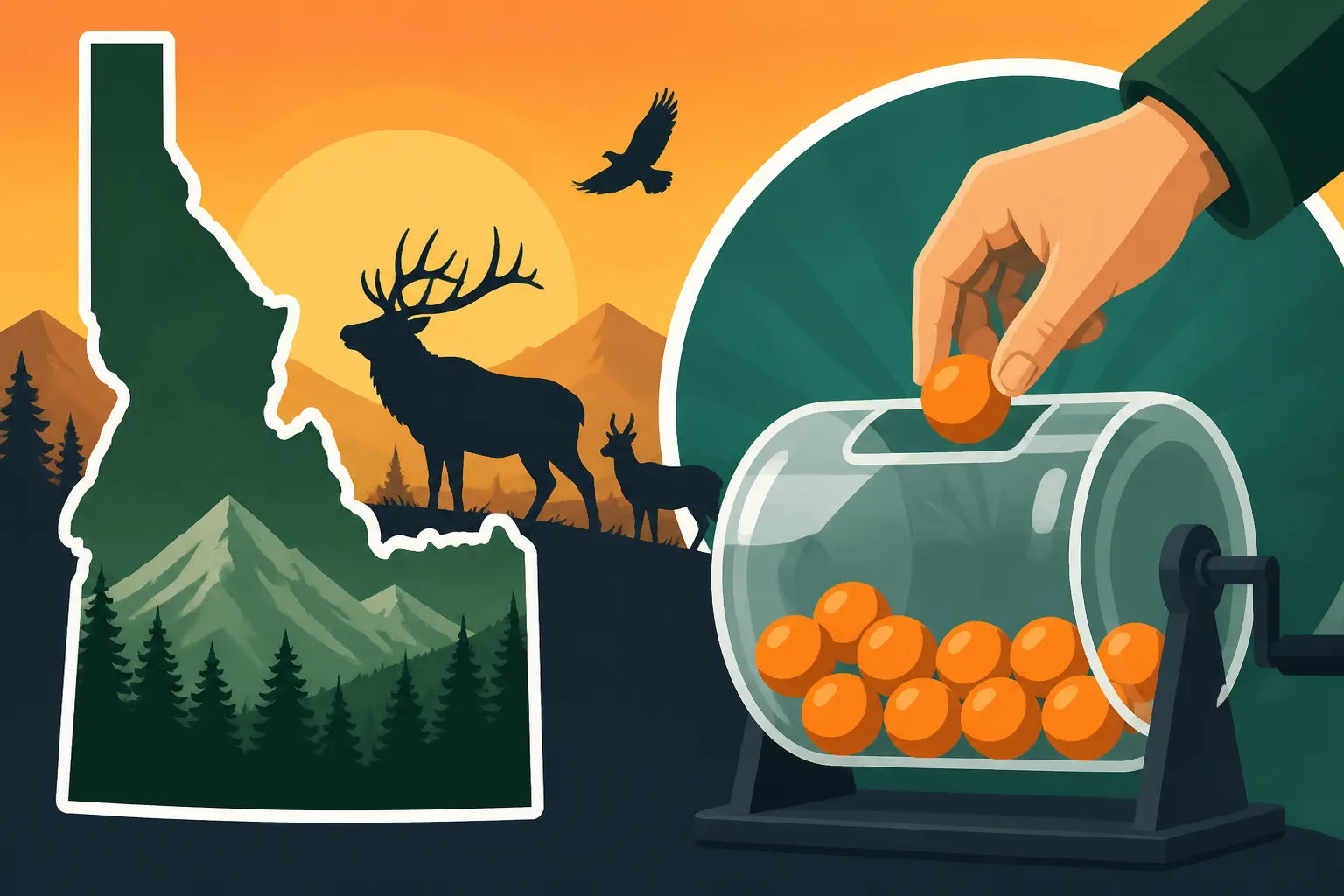
The anticipation of drawing a coveted hunting tag in Idaho can feel like an eternity, especially when it comes to the legendary Super Hunt. Many of us spend countless hours poring over regulations, dreaming of that one-in-a-million chance, only to be left wondering when the Idaho Fish and Game Department (IDFG) will finally announce the results. This guide is here to cut through the confusion, clearly outlining exactly when Idaho Super Hunt winners are drawn, how you're notified, and what to expect if your name is called.
Understanding the Idaho Super Hunt: A Hunter's Golden Ticket
For many hunters, the Idaho Super Hunt isn't just another tag lottery; it's a dream maker. Imagine the possibility of pursuing any big game species, in any unit, through any open season—even multiple seasons—with one incredibly rare tag. This isn't your standard controlled hunt where you apply for a specific unit and weapon. The Super Hunt offers unparalleled flexibility, making it the most sought-after tag in the state.
How the Super Hunt Differs from Standard Tags
Unlike the regular controlled hunts that require you to pick a specific game management unit and season, a Super Hunt tag is essentially an "all-access pass." For example, if you win a Super Hunt elk tag, you can hunt elk in any open elk zone, during any open elk season, with any legal weapon. This means if you want to bowhunt in September, then rifle hunt in November, and even muzzleloader hunt in between, you can do it—all on a single Super Hunt tag. This flexibility is truly what sets it apart, allowing hunters to target prime seasons and locations that would otherwise be spread across multiple, highly competitive draw entries. It's an opportunity that significantly elevates the standard Idaho hunting experience, making the prospect of Idaho Elk Zones and the A Tag or B Tag Choice feel almost mundane by comparison.
The Appeal of the Super Hunt's Unlimited Potential
The true appeal of the Super Hunt lies in its limitless potential. For a hunter who has always dreamed of a trophy mule deer hunt in the high desert, or a backcountry moose hunt deep in the wilderness, the Super Hunt provides that unique opening. Instead of being locked into a single unit or weapon type, a Super Hunt tag winner can adapt their strategy to conditions, target multiple prime rut periods, or even follow migration patterns. This freedom is especially valuable in a state like Idaho, where diverse terrain and species offer a lifetime of hunting opportunities. Many seasoned hunters use tools like GoHunt to scout and plan their ideal hunt areas, and for a Super Hunt winner, these resources become even more critical for navigating the vast options suddenly available. This level of access is precisely why the Super Hunt is often seen as the ultimate prize for those who understand What an Idaho Super Hunt Entry Costs and the incredible value it brings.
Key Drawing Dates and How to Stay Informed
The suspense surrounding the Super Hunt drawings is palpable for many applicants. Unlike the main controlled hunt draw, which has a predictable schedule, the Super Hunt operates on its own timeline with two distinct drawing periods each year. Missing these dates can be a real disappointment, so it's crucial to mark your calendar and know where to look for results.
First Drawing Period for Super Hunt Tags
The first drawing for the Idaho Super Hunt typically takes place in mid-June. This drawing covers a significant portion of the total Super Hunt tags offered for the year. For instance, if you've applied for one of the multi-species tags—the big "Super Hunt Combo" that includes elk, deer, moose, and mountain goat—or specific individual species tags like elk, deer, or moose, the results of this first drawing are usually announced around mid-June. It’s a nail-biting time for hunters who've been dreaming of that special opportunity. The IDFG strives to get these results out in a timely manner, but always allow for a little flexibility. Staying connected to official IDFG channels, like their website and social media, is your best bet for the absolute latest announcements. Remember, unlike the regular draw, Idaho Runs No Preference Points, and What That Changes means every entry in the Super Hunt has an equal chance, regardless of past applications.
Second Drawing Period and Final Chances
If you didn't get lucky in the first drawing, don't despair! Idaho offers a second chance with another Super Hunt drawing, usually held in mid-August. This second drawing allocates the remaining Super Hunt tags for the year. This means more opportunities for those highly coveted tags for species like elk, deer, moose, and potentially others. The application period for the second drawing typically runs from July through early August, giving hunters another window to purchase entries. Many hunters feel this second draw is their true "last shot" at a premier tag for the upcoming season, making the wait for August results equally intense. Knowing these two distinct drawing periods is key to understanding the full Super Hunt calendar. It’s also important to note that the process is entirely random, much like How Idaho Draws Without a Point System for other controlled hunts.
Here's a quick overview of the typical Super Hunt drawing schedule:
| Event | Application Window | Drawing Date (Approx.) | Notification Method |
|---|---|---|---|
| First Super Hunt Draw | Mid-May – May 31 | Mid-June | Email/Phone |
| Second Super Hunt Draw | Early July – Aug 10 | Mid-August | Email/Phone |
How Winners Are Notified
When it comes to being notified, the Idaho Fish and Game Department has a pretty straightforward process. If your entry is drawn as a winner, IDFG will directly contact you. This contact is typically made via email or phone call, so it's absolutely critical that the contact information associated with your IDFG account is current and accurate. Imagine winning a Super Hunt tag only to have the notification go to an old email address or disconnected phone number! That would be heartbreaking. They don't typically post a public list of winners with names for privacy reasons, so waiting for that direct contact is the key. If you haven't heard anything by a week or so after the stated drawing dates, it's generally safe to assume you weren't drawn in that particular round. This direct approach ensures that the lucky winners are promptly informed and can begin planning their extraordinary hunting adventure.
What Happens When You're One of the Lucky Super Hunt Winners
Winning an Idaho Super Hunt tag is a momentous occasion, truly a once-in-a-lifetime opportunity for many. But what exactly happens after that celebratory phone call or email? The process moves quickly, and there are important steps to take to ensure you make the most of your incredible prize.
Claiming Your Prize and Understanding the Rules
Once you receive that exciting notification, the first step is to formally claim your Super Hunt tag. This usually involves a confirmation process with the IDFG, which will outline any specific paperwork or procedures. It’s not simply "here’s your tag, go hunt." You’ll receive detailed information on how to utilize the tag, which species it covers, and the incredible flexibility it offers. This is where you'll really grasp that you can hunt Elk Are Why Most Hunters Come to Idaho, Mule Deer Across Idaho's High Desert and Breaks, and other species across a multitude of seasons and units. It's critical to read and understand all the rules and regulations specific to the Super Hunt, as they can differ significantly from general season or even standard controlled hunt rules. Don't assume anything; clarification from IDFG staff is always a good idea to ensure you're compliant. They want you to have a successful and legal hunt, so they're there to help you navigate the unique privileges of this tag.
Planning Your Dream Hunt
With the tag in hand, the real work—and fun—begins: planning your ultimate Idaho hunting adventure. A Super Hunt tag provides an unparalleled canvas. You can scout multiple units for the best trophy potential, time your hunt around the peak of the rut for any species, and choose the most advantageous weapon season. This is where tools like GoHunt become invaluable. Their detailed unit data, public land maps, and historical harvest statistics can help you identify prime areas for Idaho Moose Is a Controlled Hunt You Wait Years For, or target a specific trophy mule deer buck. It's a chance to truly execute a dream hunt without the usual constraints of draw odds or limited season dates. Many winners even consider hiring a reputable outfitter for a portion of their hunt, especially if targeting difficult-to-access areas or less familiar species like Mountain Goat Hunting Above Idaho Timberline or Idaho Counts Rocky Mountain and California Bighorns Separately. The flexibility of the Super Hunt means you can truly customize the experience to match your wildest hunting aspirations, making the investment in research and planning well worth it.
Species Included in the Super Hunt
The Idaho Super Hunt offers tags for several of the state's most sought-after big game species. While the exact allocation can vary slightly year to year, typically the Super Hunt includes opportunities for:
- Elk: A dedicated Super Hunt elk tag allows you to hunt any open elk season, in any unit, with any legal weapon. This is huge for targeting trophy bulls.
- Deer: A Super Hunt deer tag applies to both mule deer and whitetail deer, giving you the flexibility to chase the species you prefer, again across any unit and season.
- Moose: This is one of the hardest tags to draw in Idaho, and a Super Hunt moose tag is an incredible prize, offering a rare chance at these magnificent animals.
- Mountain Goat: Similar to moose, mountain goat tags are extremely limited. A Super Hunt tag offers a unique opportunity to hunt these high-alpine dwellers.
- Super Hunt Combo: The grand prize is the Super Hunt Combo tag, which allows the winner to hunt all four of the above species—elk, deer, moose, and mountain goat—in a single license year. This truly is the ultimate Idaho hunting experience and an absolutely unparalleled opportunity for someone passionate about Western big game.
The Super Hunt system is designed to provide once-in-a-lifetime opportunities, which means the tags are incredibly scarce. This rarity emphasizes why hunters pay close attention to Which Idaho Species Require a Controlled Hunt Tag and view the Super Hunt as their best chance at some of Idaho's most elusive game animals.
Strategic Insights for Participating in the Idaho Super Hunt
While the Super Hunt is a pure lottery with no preference points, there are still some strategic considerations for those hoping to someday hear that winning phone call. It’s not about manipulating the system, but rather understanding how it works and how to best position yourself.
Understanding How Entries Are Counted
The Idaho Super Hunt operates on a simple premise: the more entries you have, the higher your odds. Each entry you purchase for a specific drawing period is an individual chance to win. There's no complex point system like in some other states; it's a true game of chance where every ticket has an equal shot. This means that if you buy 10 entries for an elk tag, your name is entered into the drawing pool 10 times, giving you 10 chances compared to someone with one entry. The IDFG takes care to ensure fairness in the random drawing process, treating each entry as a unique opportunity. While it can be tempting to focus on the long odds, remember that someone will win, and every entry makes you that much more likely to be that lucky individual. For deeper dives into general hunt planning and data, resources like GoHunt can provide statistical breakdowns that, while not directly impacting the Super Hunt's random nature, can inform your overall hunting strategy for other controlled hunts. Knowing the number of entries sold for the Super Hunt, while not publicly released in real-time, would highlight the intense competition for these coveted tags.
Multiple Entries and Strategic Purchasing
Since the Super Hunt is a lottery, purchasing multiple entries is the primary way to increase your chances. Many hunters decide to buy several entries for their top desired species, or even for the combo tag, maximizing their presence in the drawing pool. You can purchase entries for both the first and second drawing periods, essentially giving yourself two distinct chances each year. For example, if you're passionate about moose hunting, you might buy several Super Hunt moose entries in May for the first draw, and if unsuccessful, buy more in July for the second draw. This strategy, while increasing cost, directly translates to increased odds of drawing that dream tag. While there’s no specific "system" for increasing your chances beyond buying more tickets, taking advantage of both drawing periods is a straightforward way to double your opportunities within a single season. It really just comes down to personal budget and how much you're willing to invest in that extraordinary possibility. Planning for these entries might even involve checking The Idaho Hunt Planner Is the Tool to Start With to dream up where you'd go if you won!
Disclaimer
Please note that hunting regulations and drawing schedules are subject to change. While this guide provides the most current and accurate information available at the time of writing, it is essential to always consult the official Idaho Fish and Game Department website and the current year's regulations booklet before planning any hunting activity or purchasing Super Hunt entries.