Which Idaho Elk Zones Are Capped
It's incredibly frustrating to spend hours researching Idaho's elk hunting regulations only to feel more confused about where you can hunt and how to get a tag for those prime areas. The terminology alone, especially when you encounter phrases like "capped zones," can be a real head-scratcher. This guide is here to untangle the complexities of Idaho's elk zones, specifically shedding light on which zones are capped, why they exist, and what that means for your hunting aspirations in the Gem State.
Understanding Idaho's Elk Zone System
Idaho Fish and Game manages its diverse elk populations through a strategic system of elk zones. These zones are not just arbitrary lines on a map; they represent distinct management areas designed to balance elk numbers with habitat capacity, agricultural impacts, and hunter opportunity. While it might seem complicated at first glance, understanding this framework is crucial for any hunter hoping to punch an elk tag in the Gem State. Getting to grips with how these zones operate is the first step toward a successful hunt plan.
The Basics of Elk Zones and Unit Overlap
Idaho's hunting regulations are built upon a foundation of Game Management Units (GMUs), which are numerical designations for specific geographical areas. However, for elk hunting, the state often groups multiple GMUs together to form larger "Elk Zones." This means that an elk zone, like the Lolo Zone or the Frank Church-River of No Return Zone, can actually encompass several individual GMUs. It’s important not to confuse the two; while GMUs define the very granular boundaries, elk zones provide the broader framework for tag allocation and season structures. Understanding this overlap is key because specific season dates and weapon restrictions might apply to individual GMUs within a larger zone, even if the zone itself has a general set of rules. For a deeper dive into how these areas are structured, check out our guide on How Idaho Elk Zones Sit on Top of the Units. Knowing the relationship between zones and units allows you to pinpoint precisely where you can hunt once you have a tag for a particular zone.
When you're looking at a regulation book or an online map, you'll see these zones clearly delineated. Each zone has its own unique set of management objectives, often dictated by the local elk population trends, hunter success rates, and habitat conditions. For instance, some zones might be managed for trophy potential, while others focus on providing ample general season opportunities. This system allows Idaho Fish and Game to implement very specific strategies for different regions, rather than applying a one-size-fits-all approach across the entire state. This localized management is what makes Idaho's elk hunting so varied and often so challenging to navigate without a clear understanding of the rules. Using digital mapping tools with IDFG overlays, like those found on GoHunt, can make visualizing these boundaries much simpler.
General Tags vs. Capped Zones
Within the Idaho elk zone system, there are two primary categories of elk tags you'll encounter: general season tags and controlled hunt tags, which often include what are referred to as "capped zones." General season tags are exactly what they sound like – they are available for purchase over the counter (or through a lottery for nonresidents, which is changing in 2026 for deer and elk), and they allow you to hunt in designated general zones during specific seasons, often with certain weapon restrictions (e.g., archery, muzzleloader, or general any-weapon). These tags are typically more abundant and offer broader access across large swathes of public land. The challenge with general tags often lies in finding unpressured elk and navigating crowded areas, especially on opening weekend when everyone rushes out.
Capped zones, on the other hand, represent a more limited opportunity. These are specific elk zones where the number of available tags is capped at a predetermined limit, even for residents. The purpose of capping these zones is typically to manage hunter pressure, maintain higher success rates, or protect specific elk populations from overharvest. This means that once the allocated number of tags for a particular capped zone is sold, no more tags will be issued for that season, regardless of demand. This makes hunting in a capped zone a highly sought-after experience, often leading to earlier sell-outs and requiring more strategic planning to secure a tag. For nonresidents, this distinction is particularly important, as these limited opportunities require careful attention to application dates and purchase windows, especially with the upcoming changes to the draw system.
Identifying the Capped Elk Zones in Idaho
Now that we understand the concept of capped zones, let's dive into the specifics. Idaho has a select number of elk zones that fall under this "capped" designation. These zones are often some of the most popular, either due to their reputation for quality animals, good success rates, or unique terrain. Knowing exactly which zones are capped is the first step in planning your hunt, as it immediately tells you that you’ll need to act quickly and strategically to obtain a tag.
The Specific Capped Zones
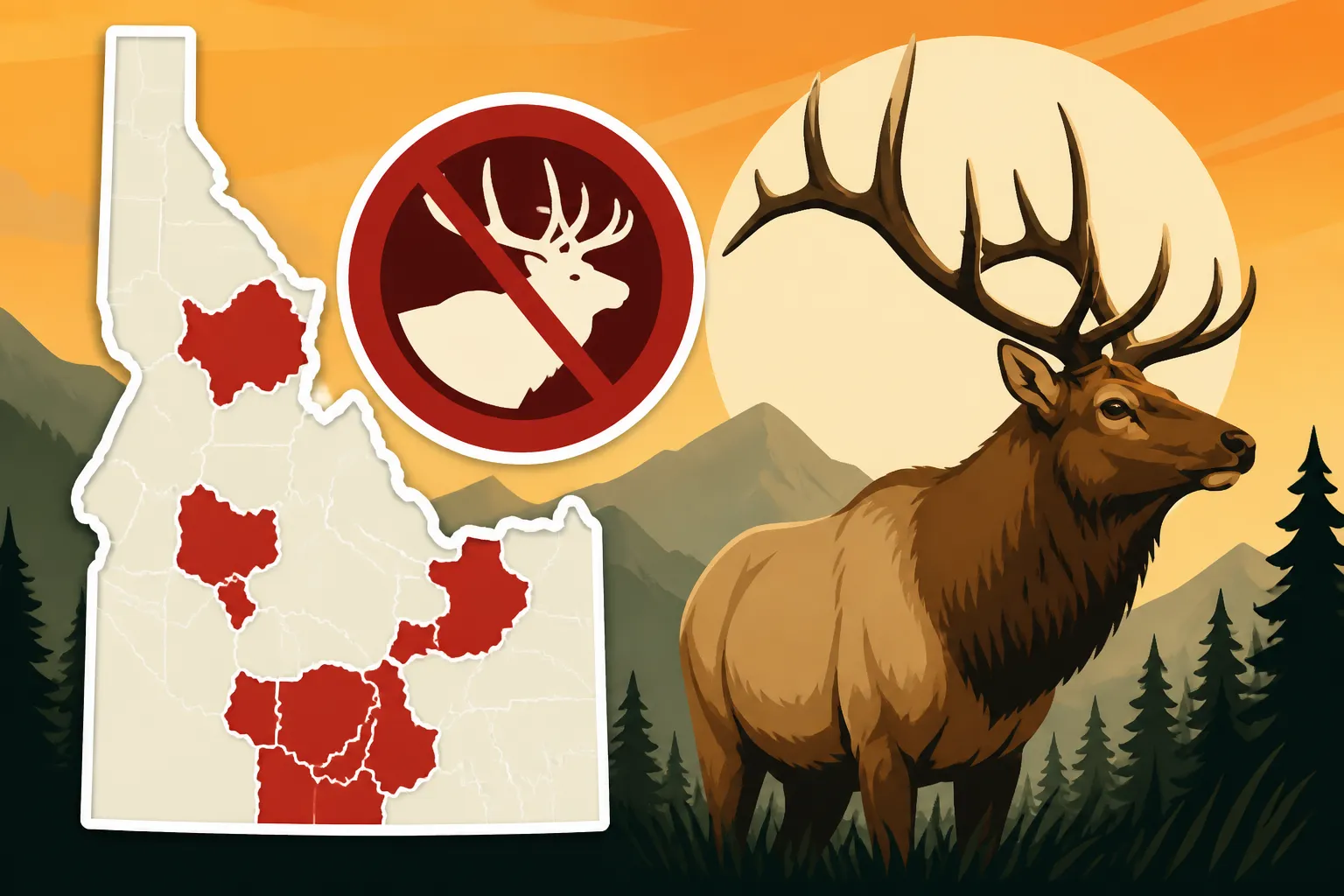
Idaho currently manages nine specific elk zones under the capped tag system. These zones are distributed across various parts of the state, each offering unique challenges and opportunities. They include:
- Dworshak Zone (Units 10A, 12, 14, 15): Located in the north-central part of the state, known for its steep, timbered country and challenging access. This zone frequently draws hunters looking for a backcountry experience away from roads.
- Elk City Zone (Units 16, 16A, 17, 19, 20): Also in north-central Idaho, this zone encompasses vast wilderness areas like the Gospel Hump. It's a favorite for those seeking truly remote hunting.
- Lochsa Zone (Units 10, 12): Iconic for its rugged wilderness, part of the larger Clearwater Region. The Lochsa is renowned for its vast, unbroken timber and the demanding physical effort required to hunt it effectively.
- Selway Zone (Units 16A, 17, 20): Another part of the formidable Selway-Bitterroot Wilderness complex, demanding true backcountry skills. This zone often requires horse packing or serious backpacking to access the best areas.
- Middle Fork Zone (Units 20A, 26, 27): This zone covers portions of the Frank Church-River of No Return Wilderness, a vast and remote landscape. Access here is often via private planes to backcountry airstrips or jet boats on the Salmon River, making it a serious logistical undertaking.
- Pioneer Zone (Units 36B, 49, 50): Situated in the central Idaho mountains, offering a mix of high country and lower elevations. This zone is popular for its diverse habitat and often produces good numbers of elk.
- Smoky-Bennett Zone (Units 43, 44, 48): Found in the central-southern part of Idaho, often with good access to forest lands. Its relative accessibility compared to the wilderness zones contributes to its popularity, hence the need for capping.
- Lemhi Zone (Units 21, 21A, 28, 36B): This zone covers the vast Lemhi Mountain Range, offering diverse habitats from high desert foothills to alpine peaks. The Lemhi is known for its strong elk populations and challenging terrain.
- Island Park Zone (Units 60, 60A, 61, 62): Located in eastern Idaho, near Yellowstone National Park, known for its high-elevation sagebrush and timber. This zone often sees significant winter migration, and its proximity to the park influences elk behavior and management.
These nine zones are the ones you need to pay particular attention to when planning an Idaho elk hunt, especially if you're aiming for areas with potentially less pressure and higher quality animals. The specific units within each zone can be further explored on resources like the Idaho Fish and Game website or detailed mapping applications like GoHunt, which can layer zone boundaries over land ownership and topographical data. This information is critical for understanding the terrain you'll encounter and planning your access points.
Why Certain Zones Are Capped
The decision to cap tags in specific elk zones isn't arbitrary; it's a strategic wildlife management tool employed by Idaho Fish and Game (IDFG). There are several key reasons why these zones are singled out for limited tag allocation:
Firstly, population management is paramount. In certain areas, elk populations might be at desired levels or even below them, and capping tags helps prevent overharvest, ensuring the long-term health and sustainability of the herd. This is particularly true for zones that encompass critical winter range or sensitive calving grounds. By limiting the number of hunters, IDFG can control harvest rates more precisely and allow elk numbers to remain stable or grow where necessary. This careful control is essential in maintaining robust elk numbers across the state, especially in areas where habitat might be more fragile or limited.
Secondly, habitat capacity and quality play a significant role. Some zones might have more limited suitable habitat, or the habitat might be particularly sensitive to disturbance. Capping hunter numbers helps reduce human impact on these delicate ecosystems, minimizing erosion, reducing stress on elk during critical periods, and preserving the overall wild character of the area. Think of it as a way to ensure that the land can continue to support a healthy elk population for generations without being overwhelmed by excessive hunting pressure. This is especially true in wilderness zones where preserving the natural state of the land is a core management principle.
Thirdly, hunter experience and success rates are often a consideration. Capped zones generally aim to provide a higher-quality hunting experience. By reducing the number of hunters, the state can often maintain higher hunter success rates and minimize crowding, which many hunters value deeply. Fewer hunters in the field mean less pressure on the elk, potentially leading to more natural elk behavior and better opportunities for those who draw a tag. For hunters looking for a more remote or challenging experience with a greater chance of success, these zones become highly attractive. The goal is to avoid the feeling of hunting shoulder-to-shoulder with other parties and to foster a more solitary and authentic outdoor experience.
Finally, addressing specific issues like depredation or disease can also lead to capping. While less common, if a zone is experiencing particular management challenges that require very specific harvest control, capping tags allows IDFG to tailor the hunting pressure to those unique needs. For example, if a specific disease is impacting a herd, carefully controlled harvest might be part of a broader strategy. These are all part of Idaho’s complex approach to game management, aiming to balance multiple factors for the benefit of both the wildlife and the hunting public. This proactive approach ensures that elk populations remain healthy and provide sustainable hunting opportunities.
The Mechanics of Hunting Capped Elk Zones
So, you've identified a capped elk zone that looks promising. Now comes the critical part: understanding how to actually get a tag for it. This process is different from simply buying an over-the-counter tag and requires careful attention to deadlines and specific procedures. Missing a deadline or misunderstanding the process can mean missing out on your preferred hunt entirely. It’s a game of preparation and timing, and knowing the rules is half the battle.
Application and Purchase Process for Capped Tags
Securing a tag for an Idaho capped elk zone has historically been a scramble, particularly for residents. Unlike controlled hunts for species like moose or bighorn sheep, where you apply to draw a tag and then purchase it if successful, capped elk zones typically operate on a "first-come, first-served" basis after a short waiting period for residents. For residents, once the initial general season tags go on sale, there's a specific "resident-only" buying period for capped zones before any remaining tags become available. It’s a literal race to the computer or vendor on opening day. Imagine sitting by your computer, finger poised over the mouse, waiting for the clock to strike sale time – that's often the reality for popular capped zones. These tags can sell out in minutes, or even seconds, for the most desirable zones. You need to have your hunting license already purchased and your payment information ready.
However, the game is changing for nonresidents. With Idaho's significant shift to a draw system for nonresident deer and elk tags starting in 2026, many of these capped zone opportunities for nonresidents will move into a lottery. This means nonresidents will apply during the designated application period (typically in December for the following year's hunt) and then await draw results. While this eliminates the speed contest, it introduces the uncertainty of a draw. Even with the draw, using resources like GoHunt's draw odds calculator can give you an edge in understanding your chances. For nonresidents, the focus shifts from being first to being smart with your application choices.
Differences for Residents and Nonresidents
The distinction between resident and nonresident tag acquisition is significant, particularly with the upcoming changes for 2026.
For Idaho Residents, the capped zone tags are generally sold on a first-come, first-served basis, but with a specific window during which only residents can purchase them. This resident-only buying period usually occurs a few days or weeks before any public sale. This gives residents a significant advantage in securing tags for these coveted zones. If you are an Idaho resident, being prepared to purchase your tag online or at a vendor precisely when the sales open is paramount. There is no draw involved for residents for these capped zones; it's purely a matter of speed and readiness. Many residents mark their calendars and set alarms to ensure they are among the first to log in to the Idaho Fish and Game licensing system. They know that missing the opening minute can mean missing out on their preferred zone entirely, reinforcing the idea of "use it or lose it."
For Nonresidents, the landscape is changing dramatically. Historically, nonresidents also had to be lightning-fast to snag a capped zone tag when they became available after the resident-only window. However, with Idaho's upcoming shift to a draw system for nonresident deer and elk tags starting in 2026, many of these capped zone opportunities for nonresidents will move into a lottery. This means nonresidents will apply during the designated application period (typically in December for the following year's hunt) and then await draw results. This change aims to provide a more predictable and fair process, moving away from the frantic rush of direct sales. While it eliminates the speed contest, it introduces the uncertainty of a draw. Nonresidents will need to pay close attention to the new application deadlines and understand the new Idaho Moved Nonresident Deer and Elk Tags Into a Draw for 2026 structure. The application fee is typically non-refundable, so careful planning and research into draw odds are still essential.
Strategies for Drawing a Capped Zone Tag
While "drawing" for a capped zone tag used to be mostly a resident concern (and more about speed than luck), the new nonresident draw system for 2026 brings new strategies into play. For residents, the strategy remains simple: be ready at the exact moment sales open. Practice logging into the system, ensure your payment method is up to date, and have your desired zone and tag type pre-selected if possible. Sometimes, multiple family members or hunting partners will coordinate to purchase tags simultaneously to increase the odds of at least one person securing a tag. This cooperative effort can significantly boost your chances of getting into a desired zone.
For nonresidents applying through the draw, several strategies can improve your odds, or at least help manage expectations. Firstly, research drawing odds from previous years. Websites like GoHunt or the Idaho Fish and Game official site often publish draw statistics. This data can show you which zones are exceptionally difficult to draw and which might offer slightly better chances. Applying for a "less popular" capped zone might increase your mathematical odds, though "less popular" is relative in Idaho when it comes to elk. Secondly, consider applying as a party. While Idaho doesn't have a preference point system, applying with a group means if one person draws, everyone in the party draws. This can be a useful strategy, especially if you have a tight-knit hunting group. You can learn more about this in our article on Idaho Has No Preference Points, and What That Changes.
Lastly, understand the season dates and weapon types within the capped zones. Some zones might have specific archery, muzzleloader, or short-range weapon seasons that have slightly different draw odds than the general rifle season. If you're proficient with multiple weapon types, this might open up more opportunities. For example, some hunters might find better draw odds for an archery-only season in a particular capped zone than for the rifle season. Always double-check the current year's regulations because dates and rules can change annually. Resources like the Idaho Hunt Planner can be invaluable here. The key is thorough preparation and understanding the specific nuances of Idaho’s complex system, ensuring you align your application with the best possible chance for success based on your hunting preferences.
Navigating the Challenges and Opportunities of Capped Zones
Hunting in a capped elk zone in Idaho is often seen as a premium experience, offering distinct advantages over general season hunting. However, it also comes with its own set of challenges that hunters need to be prepared for. Understanding both the upsides and the potential difficulties will help you decide if pursuing a capped zone tag is the right choice for your hunting goals and abilities. It's not just about getting the tag, but being ready for the hunt itself.
Benefits of Hunting Capped Zones
The primary allure of hunting in a capped elk zone is the reduced hunter pressure. With a finite number of tags issued, these areas naturally experience fewer hunters in the field compared to general season units. This can translate to a more serene and wilderness-like experience, where you're less likely to bump into other hunting parties around every corner. For many, this solitude greatly enhances the quality of the hunt, allowing for more natural elk behavior and a stronger connection to the landscape. Less pressure often means elk are less wary, less nocturnal, and more predictable in their movements, potentially leading to better opportunities for a stalk or call.
Another significant benefit is the potential for higher quality animals and success rates. Because harvest is controlled, IDFG can manage these populations more closely for specific objectives, which sometimes includes fostering a higher proportion of mature bulls. With fewer hunters, the animals might also live longer, contributing to a better age structure within the herd. While a capped zone tag doesn't guarantee a trophy bull, the statistical likelihood of encountering mature animals is generally higher than in heavily hunted general units. This often attracts hunters who are looking for a more challenging and rewarding experience, focused on ethical harvest and potentially a larger animal. The Idaho Fish and Game publishes harvest statistics, and a careful review on platforms like GoHunt can often show the difference in success rates between general and capped zones.
Finally, capped zones often offer unique season structures or expanded opportunities. Some capped zones might have earlier archery seasons, or a longer muzzleloader season, providing unique windows to hunt elk when they might be more vocal or less pressured. This can be particularly appealing for archery hunters looking to capitalize on the rut, or muzzleloader enthusiasts seeking a primitive weapon challenge. These specialized seasons can provide a tactical advantage for hunters willing to adapt their methods and schedules. For those truly committed to a specific type of hunt, these zones can provide ideal conditions that are simply not found in general, unlimited tag areas.
Potential Drawbacks and Considerations
Despite the appealing benefits, hunting in Idaho's capped elk zones isn't without its challenges. The most immediate hurdle is the difficulty of securing a tag. For nonresidents especially, with the shift to a draw system, success is not guaranteed. Even for residents, the first-come, first-served rush for popular zones can be incredibly stressful and often results in disappointment for those who aren't fast enough. This means you might spend years applying or waiting for an opportunity, and there's always the risk of not getting a tag for your preferred zone, forcing you to have a backup plan. This uncertainty can make planning an annual hunt much more complex, especially for those traveling long distances and needing to book time off work.
Another consideration is that many of Idaho's capped zones encompass rugged, remote, and physically demanding terrain. Areas like the Lochsa or Selway zones are deep wilderness, requiring significant physical conditioning, extensive backcountry knowledge, and specialized gear. You're not likely to find easy road access or many amenities. This type of hunting demands a high level of self-sufficiency and preparedness for challenging conditions, including variable weather, steep climbs, and potentially grizzly bear encounters. While the reduced pressure is a draw, it often comes hand-in-hand with formidable landscapes that deter casual hunters. To successfully hunt these areas, one might consider a guided trip or at least extensive preparation as discussed in our guide on Physical Conditioning for Idaho Backcountry.
Lastly, season dates and weapon restrictions within capped zones can be very specific. While some offer expanded opportunities, others might have very short seasons, or be restricted to certain weapon types. This requires careful study of the regulations to ensure your hunting style and equipment align with the rules for your chosen zone. You might find that your preferred rifle season isn't available, or it clashes with other commitments. Flexibility and a willingness to adapt your hunting plans are crucial when pursuing a capped zone tag. It’s not just about getting the tag; it’s about making sure the tag aligns with the hunt you actually want to pursue, and that you're prepared for the specific conditions of that season and area. This often means being flexible with your schedule and your preferred weapon.
| Capped Elk Zone | Primary Game Management Units | General Location | Key Characteristics / Why Capped |
|---|---|---|---|
| Dworshak Zone | 10A, 12, 14, 15 | North-central Idaho | Steep, dense timber; challenging access; managed for stable populations and quality experience. |
| Elk City Zone | 16, 16A, 17, 19, 20 | North-central Idaho | Vast wilderness, rugged; focus on backcountry experience and population balance. |
| Lochsa Zone | 10, 12 | North-central Idaho | Iconic wilderness; very remote; managed for quality experience and herd health. |
| Selway Zone | 16A, 17, 20 | North-central Idaho | Part of Selway-Bitterroot Wilderness; extreme terrain; low pressure focus. |
| Middle Fork Zone | 20A, 26, 27 | Central Idaho | Frank Church Wilderness; significant remote access challenges; population management. |
| Pioneer Zone | 36B, 49, 50 | Central Idaho mountains | Mix of high country and lower elevation; good habitat, managed for balanced harvest. |
| Smoky-Bennett Zone | 43, 44, 48 | Central-southern Idaho | Accessible forest lands; popular area; capping controls hunter density to maintain quality. |
| Lemhi Zone | 21, 21A, 28, 36B | East-central Idaho | Diverse habitats in Lemhi Range; managed for stable to growing populations. |
| Island Park Zone | 60, 60A, 61, 62 | Eastern Idaho (near Yellowstone) | High elevation, sagebrush, timber; proximity to national park; controls pressure on wintering elk and preserves habitat. |
Disclaimer
Please note: Hunting regulations and tag allocation processes in Idaho can change. Always consult the most current Idaho Fish and Game regulations and official publications before planning your hunt. This guide is for informational purposes only and does not supersede state regulations.