Transferring an Idaho Tag to Another Hunter
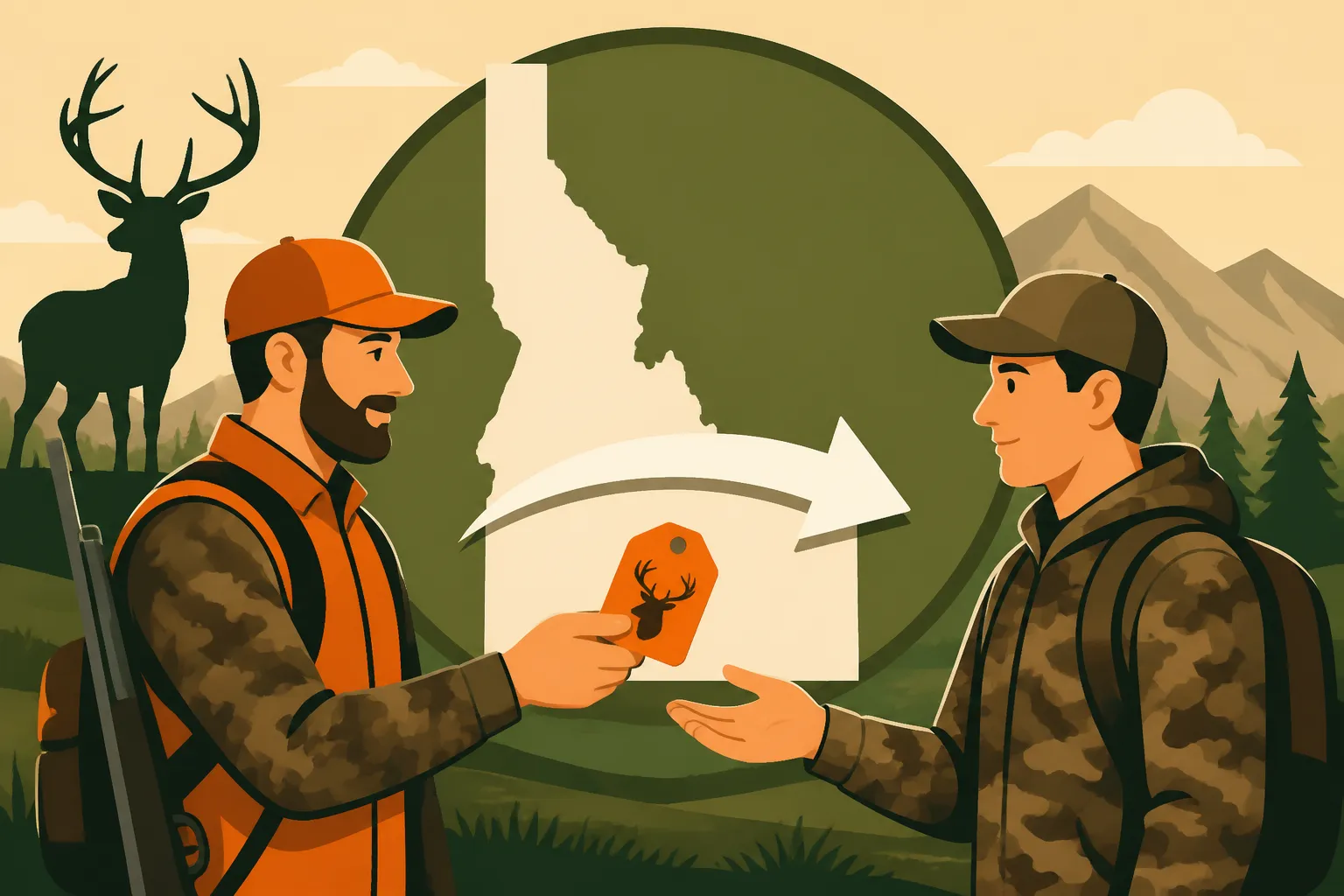
Life throws curveballs, doesn't it? You've spent countless hours scouting, planning, and maybe even endured the nail-biting Idaho draw, only for an unexpected event to crop up. Now you're holding that coveted Idaho hunting tag, but suddenly you can't go. Maybe a family emergency, a work obligation, or an illness has sidelined you. The immediate thought for many is, "Can I just transfer this tag to my buddy, or my kid, or a relative?" It's a natural question, filled with the hope of not letting a hard-earned opportunity go to waste. But Idaho Fish and Game (IDFG) has some very specific rules about who can hunt with what, and unfortunately, direct tag transfers among hunters aren't generally part of the equation. This guide is going to walk you through the realities of Idaho's tag system, what your options truly are if you can't use your tag, and how to navigate those tough situations.
The Reality of Tag Transfers in Idaho
It’s easy to assume that once you’ve paid for something, it’s yours to do with as you please, especially when it comes to hunting tags. However, Idaho's hunting tags are not like a concert ticket you can simply hand off to a friend. The system is designed with very specific goals in mind, primarily conservation and fair chase, which impacts how tags are issued and used.
Why Direct Transfers Are Generally Not Allowed
Idaho hunting tags are issued to a specific individual and are inherently tied to that person's hunting license and personal information. When you apply for or purchase a tag, you're not just buying a piece of paper; you're obtaining a privilege that's been allocated to you based on various factors, including quotas, residency, and previous draw success. This individual assignment is critical for several reasons:
- Conservation Management: Tags are a primary tool for managing wildlife populations. By knowing exactly how many tags are issued for a specific species in a specific unit, and to whom, IDFG can regulate harvest numbers precisely. If tags were freely transferable, it would create an uncontrollable variable, potentially leading to over-harvest or difficulty in tracking success rates accurately.
- Fairness and Equity: Many of Idaho's most sought-after tags, especially for big game like elk, moose, sheep, and goat, are distributed through controlled hunts, which often involve a draw system. This system aims to provide a fair chance to all eligible applicants. Allowing transfers would undermine this fairness, potentially creating a secondary market for tags or favoring those with connections over those who applied through official channels. Imagine going through the Idaho draw system, putting in your application, perhaps after checking Idaho Application Fee Per Species and carefully selecting your hunt choice, only for someone who missed the deadline to buy a tag from a friend who couldn't go. It simply wouldn't be equitable.
- Legal Accountability: Each hunter is responsible for understanding and adhering to Idaho's hunting regulations. Tying tags to individuals ensures that accountability for any violations rests with the person actually hunting. If a tag could be transferred without official record, it would complicate law enforcement efforts.
So, while your heart might be in the right place wanting to help a friend or family member get out into the field with your unused tag, the Idaho Fish and Game sees it as a specific permission granted to you and you alone.
Exceptions and Misconceptions About Tag Ownership
There's a persistent misconception that because a tag is part of a family's hunting tradition, it can be shared or passed down if someone can't make it. Unfortunately, this isn't the case in Idaho. The individual to whom the tag is issued is the only person authorized to use it. This means:
- No "Family Sharing": Even if you planned a father-son hunt and the father falls ill, the son cannot use the father's tag. The son would need his own legally acquired tag for the specific unit and species.
- Junior Hunters: While Idaho has programs like the Idaho Hunting Passport Lets You Try Before You Certify and rules for Direct Supervision for Hunters Under Ten, these provisions don't allow for the transfer of an adult's tag to a minor. Junior hunters must possess their own valid license and tag, obtained through the standard application or purchase process, often with specific youth-only opportunities.
- Group Hunts: If you're hunting with a group and one person has to drop out, their tag cannot be distributed among the remaining hunters. Each hunter in the group must have their own valid tag. This is even true for Party Application Rules in the Idaho Draw, where a group applies together, but each successful applicant receives their own tag.
The general rule is unwavering: the name on the tag is the only person who can lawfully fill it. Attempting to use another person's tag is a serious violation that can lead to fines, license revocation, and other legal consequences.
What to Do If You Can't Use Your Idaho Tag
Discovering you can't use your hard-won Idaho tag is a huge disappointment, but all is not lost. While direct transfers aren't an option, Idaho Fish and Game does have specific policies in place for refunds and for reissuing tags back into the general pool, which can indirectly benefit other hunters.
Idaho's Tag Refund and Exchange Policy
If you find yourself in a situation where you simply cannot make your hunt, your first step should be to explore Idaho's refund policy. It’s not always a straightforward process, and there are strict deadlines and conditions, but it's often your best bet to recoup some cost and ensure the tag doesn't simply go unused.
Generally, IDFG offers refunds under specific circumstances, often related to medical emergencies, military deployment, or other unforeseen events, and usually requires documentation. The key is to act quickly. Most refund requests must be made well in advance of the season opener or by a specific deadline. For instance, you might find that you can Can You Cancel an Idaho Tag After Drawing? if you act promptly, but missing the window drastically reduces your options.
- Deadlines are Critical: The specific deadlines vary depending on the type of tag (general season, controlled hunt, etc.) and the reason for the refund. Always consult the current Idaho hunting regulations or contact IDFG directly to get the most up-to-date information. If you miss these deadlines, even for a legitimate reason, your chances of a refund diminish significantly.
- Application Fees: Be aware that application fees for controlled hunts are often non-refundable, even if you are granted a refund for the tag itself. This is because the administrative cost of processing your application has already been incurred.
- The Process: Typically, you'll need to fill out a specific refund request form, available on the IDFG website or at their regional offices. You may be asked to provide supporting documentation, such as a doctor's note, military orders, or other official papers. Submitting this promptly and completely is crucial.
Understanding the nuances of the Idaho Tag Refund and Exchange Policy can save you a lot of headache and potentially some money. Don't just let the tag expire; explore your options immediately.
Understanding Returned Tag Sales
When a hunter successfully receives a refund for their tag, or if a tag goes unclaimed after a draw deadline, that tag doesn't just disappear. Instead, it often re-enters the system and becomes available for purchase by other hunters during what are known as "returned tag sales" or "leftover tag sales." This is Idaho's primary mechanism for ensuring that available hunting opportunities are utilized.
- First-Come, First-Served: Unlike the initial controlled hunt draw, which is often a lottery, these returned tag sales are typically conducted on a first-come, first-served basis. This means speed is of the essence! Once these tags are released, they can sell out incredibly fast, especially for desirable units or species.
- The Release Schedule: IDFG usually announces specific dates and times when these returned tags will become available. It's vital to mark these dates on your calendar and be ready at your computer or phone exactly when sales open. Websites like GoHunt often track these announcements and provide notifications, which can be invaluable for hunters hoping to snag a last-minute tag.
- How to Purchase: These tags are almost exclusively sold online through the Buying a Tag Through GoOutdoorsIdaho portal. You'll need to have an active hunting license and be ready to make the purchase immediately. Familiarize yourself with the GoOutdoorsIdaho platform beforehand to ensure a smooth transaction.
While you cannot directly transfer your tag to someone, by refunding it within the established guidelines, you indirectly contribute to another hunter's opportunity. Think of it as passing the torch, even if it's through official channels. The article Returned Tag Sales Are Idaho's Back Door delves deeper into this process, explaining how these opportunities arise and how hunters can best position themselves to take advantage of them. Similarly, How Idaho Returned Tag Sales Work provides a detailed look at the mechanics of these sales.
Alternative Strategies for Hunters Unable to Go
While the inability to transfer a tag directly can be frustrating, especially when personal circumstances change, there are proactive steps you can take to mitigate the impact or ensure that you're making the most of a difficult situation.
The Importance of Planning Ahead and Insurance
Unexpected events are, by definition, unexpected. However, for serious hunters who invest significant time, effort, and money into their pursuits, planning for potential disruptions can be a smart move.
- Contingency Planning: Before you even apply for a tag, consider your schedule and potential commitments for the upcoming year. Are there any major life events on the horizon that could conflict with hunting season? While you can't predict everything, a bit of foresight can go a long way. This might influence your decision on which tags to apply for, or even whether to apply at all in a particular year.
- Trip Insurance: For those embarking on expensive or elaborate hunts, especially out-of-state trips, hunting trip insurance is an increasingly popular option. Many insurance policies are designed to cover non-refundable expenses, including license and tag fees, travel costs, and outfitter deposits, in the event of unforeseen cancellations due to illness, injury, or other covered circumstances. Before purchasing, it's absolutely crucial to read the policy's terms and conditions carefully to understand what is and isn't covered, paying close attention to stipulations regarding hunting tags specifically. This won't allow you to transfer your tag, but it can protect your financial investment.
By being proactive, you can soften the blow if you find yourself unable to hit the woods.
Finding Opportunities for Other Hunters (Indirectly)
Even if you can't use your tag, your situation might indirectly create an opportunity for another hunter. As discussed with returned tag sales, your refunded tag re-enters the system. For hunters actively looking to get into the field, staying vigilant for these opportunities is key.
- Monitor IDFG Updates: Regularly check the Idaho Fish and Game website for announcements regarding leftover or returned tags. They are the official source for this information.
- Utilize Hunting Platforms: Websites and apps like GoHunt are excellent resources. They often aggregate information from various state agencies, provide drawing odds, and importantly, send out alerts for returned tag opportunities. This can give you a crucial edge in a fast-paced, first-come, first-served sale. Being ready with your Idaho hunting license and payment method when these tags drop can make all the difference.
- Engage with Hunting Communities: Online forums and social media groups dedicated to Idaho hunting can be good places to hear informal chatter about potential tag availability. While not official sources, they can sometimes provide early warning signs or tips on where to look.
Remember, the goal is to get as many people into the field as possible within the conservation framework. While your specific tag can't be handed off, your decision to refund it contributes to the overall pool of available opportunities. Before applying, it's always wise to check Checking Idaho Drawing Odds Before You Apply to gauge your chances and make informed decisions.
Applying as a Group for Idaho Controlled Hunts
Sometimes, hunters wonder if applying as a group, or "party," for controlled hunts offers a workaround for tag transfers. While party applications are a fantastic way to coordinate hunts with friends and family, they don't change the fundamental rule about individual tag ownership and transferability.
How Party Applications Work and Their Limitations
Idaho Fish and Game allows groups of hunters to apply together for certain controlled hunts. This means that if any member of the party draws a tag, all members of that party receive a tag, assuming sufficient tags are available and all applicants are eligible. This is a huge benefit for ensuring friends and family can hunt together.
- Joint Draw Odds: When you apply as a party, your application essentially goes into the draw as one unit. If that unit is selected, all members of your party draw a tag. However, the draw odds for a party application are typically the same as for a single applicant. For instance, if you're applying for an elk tag, even if you are part of the Maximum Party Size in an Idaho Controlled Hunt, everyone in that group must draw for any to be successful.
- Individual Tag Issuance: Even within a party application, each successful hunter receives their own individual tag. This is not a "group tag" that can be shared. So, if four friends apply as a party and all four draw, each friend receives a tag in their own name, tied to their own license.
- No Post-Draw Transfers: If, after drawing, one member of the party can no longer go, their tag cannot be transferred to another member of the party or any other hunter. The same refund policies discussed earlier would apply to that individual's tag. The other party members who still have their tags are still free to hunt, but they cannot take advantage of the unused tag.
Understanding the Party Application Rules in the Idaho Draw is crucial for any group considering this option. It's a great tool for increasing the chances of hunting together, but it doesn't offer flexibility in tag ownership post-draw.
Why Individual Responsibility Remains Key
The party application system, while collaborative, still hinges on individual responsibility. Each hunter in a party must meet all eligibility requirements, have a valid hunting license, and be prepared to use their own tag if successful in the draw.
- Eligibility and License Requirements: Before applying, ensure every member of your party holds the appropriate Idaho hunting license. For non-residents, this typically means purchasing a non-resident hunting license before applying for any controlled hunt tags.
- Consequences of Non-Use: If a member of your party draws a tag but cannot use it and doesn't secure a refund, that tag effectively goes to waste. It represents a lost opportunity that could have gone to another hunter, and the individual loses the money spent on the tag. This is why careful planning within a party is just as important, if not more so, than for individual applications.
- Researching Units: Just like with individual applications, groups should thoroughly research the units they plan to apply for. Platforms like GoHunt can help you analyze draw odds, public land access, and success rates for various units, ensuring that your party makes the most informed decision possible.
The spirit of a party hunt is about shared experience and success, but it's built upon the foundation of each hunter's individual commitment and adherence to the rules. No system exists in Idaho that allows for the transfer of a tag from one hunter to another, regardless of whether they applied as part of a group or individually.
| Feature | Direct Tag Transfer (Not Allowed) | Tag Refund / Reissue (Allowed under conditions) | Party Application (Allowed for Drawing) |
|---|---|---|---|
| Recipient | Any hunter you choose | Any eligible hunter via returned tag sales | Each member of the successful party |
| Method | Handing over your physical tag (illegal) | Official IDFG refund process, then public sale | Joint application through IDFG draw system |
| Ownership | Attempted transfer of personal privilege (illegal) | Original tag voided, new tag issued to new hunter | Each successful applicant gets their own tag |
| Cost Recovery | None, potential legal penalties | Partial or full refund possible if conditions met | Individual cost for tag, refundable per policy |
| Benefit to Others | None, potential for abuse | Creates opportunity for another hunter indirectly | Increases chances for group to hunt together |
| Flexibility | Zero flexibility | Limited by strict deadlines and conditions | Limited to pre-draw arrangement, no post-draw transfer |
Disclaimer
Please remember that hunting regulations in Idaho are subject to change. While this guide provides comprehensive, up-to-date information, it is crucial to consult the official Idaho Fish and Game regulations or contact IDFG directly for the most current and authoritative information before making any decisions related to licenses, tags, or hunting activities.