Do Nonresidents Need a Guide in Idaho Wilderness?
Hunting in Idaho's vast wilderness areas is a dream for many, especially those of us from out of state, but the rules around needing a guide can feel like navigating a dense thicket without a compass. It's frustrating to plan for an epic backcountry adventure only to realize a specific regulation might derail your unguided plans. This guide is here to untangle the confusion surrounding Idaho's nonresident guide requirements, helping you understand exactly when and where an outfitter becomes a legal necessity for your wilderness hunt.
The Idaho Wilderness Guide Rule for Nonresidents
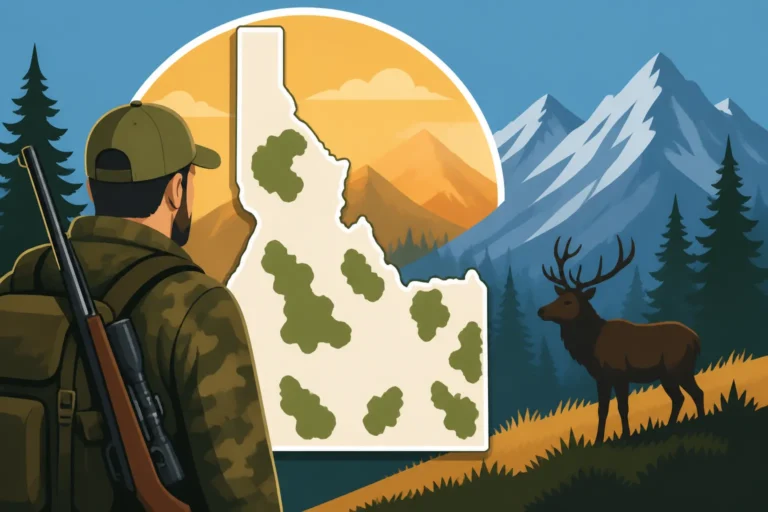
Idaho has a unique and often misunderstood regulation that mandates nonresidents hire a licensed outfitter or guide when hunting specific big game species within certain designated wilderness areas. This isn't just a suggestion; it's a legal requirement designed to manage nonresident hunting pressure and support the state's outfitting industry within these pristine, federally protected lands. Many a hunter has started planning their DIY elk hunt into the heart of the Frank Church River of No Return Wilderness, only to hit a brick wall when they realize this rule applies directly to their dream hunt. It’s a bitter pill to swallow when you've invested time in e-scouting and physical training, so understanding this upfront is absolutely crucial.
Which Species Trigger the Guide Requirement
When it comes to the mandatory guide rule in Idaho's designated wilderness areas, certain sought-after big game animals are at the top of the list. If you're coming from out of state and eyeing these particular species within these special boundaries, you'll need to plan for a professional guide.
The primary species that trigger this requirement for nonresidents are:
- Elk: This is often the biggest surprise and point of contention for many nonresident hunters. If you're dreaming of bugling bulls in the deep wilderness, pursuing elk in these areas means booking with an Idaho-licensed outfitter. It's a significant factor in trip planning and budget, turning a potentially self-guided adventure into a commercially guided one. For many, the allure of Elk Are Why Most Hunters Come to Idaho is strong, and this rule is a key part of that pursuit in specific landscapes.
- Bighorn Sheep: These majestic animals inhabit some of the most rugged and remote wilderness in the state. Given the extreme terrain and the highly regulated nature of sheep hunting, it's perhaps less surprising that nonresidents need a guide for bighorns in wilderness settings. This is often a once-in-a-lifetime tag, and guided trips are typical for these challenging hunts regardless.
- Mountain Goat: Similar to bighorn sheep, mountain goats live in incredibly steep, high-elevation wilderness. The guide requirement here aligns with the difficulty and specialized knowledge often needed to pursue these animals safely and successfully.
- Moose: While Idaho moose tags are incredibly rare and usually secured through a long draw process, if you're lucky enough to draw a moose tag and plan to hunt it within a designated wilderness area, the nonresident guide rule will apply.
It's vital to check the specific regulations for the year you plan to hunt, as rules can occasionally be refined or exceptions made. Always consult the official Idaho Fish and Game regulations.
Which Wilderness Areas Are Affected
Idaho is home to some of the largest and most rugged designated wilderness areas in the lower 48, and it's within these boundaries that the nonresident guide rule comes into play. These are not merely remote tracts of public land; they are federally protected lands managed under strict wilderness guidelines, which often impacts access and permitted activities. Knowing Which Wilderness Areas the Idaho Rule Applies To is key to your hunt planning.
The main wilderness areas where nonresidents are required to use a guide for the aforementioned species include:
- Frank Church River of No Return Wilderness: This is Idaho's largest wilderness area and one of the largest in the contiguous United States. It's a vast expanse of rugged mountains, deep canyons, and wild rivers, offering prime habitat for elk, deer, and other big game. Many a nonresident hunter dreams of an elk hunt deep within the "Frank Church," and this is precisely where the guide rule applies to elk.
- Selway-Bitterroot Wilderness: Straddling the Idaho-Montana border, this is another immense and challenging wilderness. Its steep, timbered slopes and remote drainages are classic elk country, and nonresidents planning to pursue elk here will need to engage an outfitter.
- Hells Canyon Wilderness: Encompassing parts of the deepest canyon in North America, Hells Canyon is incredibly rugged and remote. While access can be challenging, any nonresident hunting regulated species like elk within its wilderness boundaries will need a guide.
- Gospel-Hump Wilderness: Located southeast of the Selway-Bitterroot, this area also presents classic Idaho backcountry hunting opportunities.
It's important to differentiate these federally designated wilderness areas from other large, remote tracts of public land that are not designated wilderness. The guide rule specifically applies to the federally designated wilderness boundary. You can typically find detailed maps showing these boundaries on Forest Service or BLM websites, or through mapping apps like GoHunt, which provide critical layers for land ownership and restricted areas.
| Species | Nonresident Guide Required in Designated Wilderness |
|---|---|
| Elk | Yes |
| Bighorn Sheep | Yes |
| Mountain Goat | Yes |
| Moose | Yes |
| Mule Deer | No |
| Whitetail Deer | No |
| Black Bear | No |
| Mountain Lion | No (unless specifically targeted and regulated) |
| Wolf | No |
This table provides a general overview for designated wilderness areas; always confirm with the latest Idaho Fish and Game regulations for specific hunt areas and seasons.
Why Deer and Bear Are Exempt From the Rule
It might seem arbitrary that elk, moose, sheep, and goats require a guide, but deer and bear do not. However, there's a practical and historical basis for Why Deer Escapes the Idaho Wilderness Guide Rule and why black bears are also generally exempt. It's not about making things more complicated; it's about balancing resource management, hunter opportunity, and the economic realities of the outfitting industry in Idaho.
Focus on Elk and Trophy Species Management
The primary species that trigger the nonresident guide rule – elk, moose, bighorn sheep, and mountain goat – are often considered Idaho's premier big game or trophy species. These animals often require significant effort, specialized knowledge, and access to remote areas where outfitters traditionally operate. The state's reasoning leans heavily into several factors:
- Managing Pressure: Designated wilderness areas are sensitive ecosystems. By requiring a guide for certain high-demand species like elk, Idaho can exert a degree of control over the number of nonresident hunters pursuing these animals in these specific, often fragile, environments. It helps manage the overall footprint and potential impact.
- Outfitter Livelihoods: The outfitting industry plays a significant role in Idaho's rural economies, particularly in areas adjacent to vast wilderness. This rule helps ensure a consistent client base for outfitters who invest heavily in permits, stock, and equipment to operate in these remote areas. It’s a way to support local businesses while also facilitating access for nonresidents who might otherwise struggle with the logistics of a deep wilderness hunt.
- Conservation through Expertise: While not explicitly stated as the primary reason, professional guides often possess extensive knowledge of the wilderness, wildlife behavior, and ethical hunting practices. Their presence can contribute to responsible hunting and minimize impact, especially in areas where self-guided nonresidents might be less familiar with the terrain or species.
It's a system that, while sometimes frustrating for the DIY enthusiast, aims to serve multiple objectives simultaneously.
Different Management Philosophies for Deer and Bear
The exemption for deer (both mule deer and whitetail) and black bear stems from a different management approach, reflecting their populations, distribution, and historical hunting traditions across the state.
- Wider Distribution and Higher Numbers: Deer and black bear populations are generally more widespread and robust across Idaho, including areas both inside and outside designated wilderness. This wider distribution means there are ample opportunities for nonresident hunters to pursue them in non-wilderness public lands without the guide requirement. The state doesn't face the same level of management pressure for these species in wilderness settings as it does for elk or other trophy animals.
- Accessibility: Deer and bear are often accessible in areas closer to roads or in less extreme terrain, making self-guided hunting a more feasible and common endeavor for many hunters. While tough hunting can certainly be found for deer and bear deep in the wilderness, the overall opportunity isn't concentrated solely within those boundaries in the same way it might be for specialized species like mountain goats.
- Historical Hunting Practices: Historically, many hunters have pursued deer and bear across Idaho without the aid of a guide. Maintaining the option for nonresidents to self-guide for these species allows for a broader range of hunting experiences and skill levels to be accommodated. This allows for diverse opportunities, from hunting Whitetail Deer Hold Idaho's Northern Panhandle to glassing Mule Deer Across Idaho's High Desert and Breaks.
So, while you might be required to hire an outfitter for elk in the Frank Church, you could still plan an unguided mule deer hunt in the same general area, as long as you're not targeting one of the regulated species. This nuanced approach requires careful study of the regulations and your chosen hunt unit.
Navigating Your Options as a Nonresident Hunter
Understanding Idaho's nonresident wilderness guide rule doesn't mean your dreams of hunting the Gem State are over; it just means you need to be strategic in your planning. Whether you embrace the guided experience or lean into DIY on different terrain, there are plenty of pathways to a successful hunt.
Embracing a Guided Wilderness Hunt
If your heart is set on hunting elk, moose, bighorn sheep, or mountain goat within Idaho's designated wilderness, then hiring a licensed outfitter is your path forward. This isn't just a regulatory hurdle; it's an opportunity for a truly immersive and often highly successful hunt.
- The Experience: A guided hunt in the wilderness offers an unparalleled experience. Outfitters provide logistical support, horses or mules for access, camp setup, meals, and most importantly, the expertise of guides who know the terrain, the animals, and their habits. They handle the hard work of getting deep into the backcountry, allowing you to focus on the hunt itself. For many, the cost of What a Guided Idaho Elk Hunt Costs is an investment in a bucket-list experience.
- Finding an Outfitter: It's crucial to find a reputable, licensed outfitter. Start your research early, often a year or more in advance, especially for high-demand hunts. Websites like BookYourHunt can be a great starting point for discovering outfitters, reading reviews, and understanding what different packages include. Always verify an outfitter's license through The Idaho Outfitters and Guides Licensing Board and ask for references. Don't be afraid to ask detailed questions about their success rates, camp logistics, and what you need to bring.
- Types of Guided Hunts: Beyond fully guided hunts, many outfitters offer "drop camps." With a drop camp, the outfitter packs you and your gear into a remote location in the wilderness, establishes a basic camp, and then picks you up at a predetermined time. You hunt independently from that camp, providing a semi-DIY experience within the wilderness rules. This can be a more budget-friendly option while still complying with the guide requirement. Understanding the difference between Drop Camp Against Fully Guided is key here.
Alternatives: Hunting Outside Designated Wilderness
If a guided hunt isn't in your budget or doesn't align with your desire for a completely self-reliant experience, Idaho still offers vast opportunities for nonresidents to hunt elk, deer, bear, and other species without a guide.
- Public Lands Adjacent to Wilderness: Many of Idaho's general public lands, particularly National Forests and BLM ground, are incredibly wild and offer a backcountry feel without being designated wilderness. You can often hunt areas that are just outside wilderness boundaries, providing a similar hunting challenge and remote experience without the guide requirement. These areas can be just as rugged and require similar skills for Packing an Elk Out of Steep Country Alone.
- Focus on Exempt Species in Wilderness: Remember, deer and black bear are exempt from the nonresident guide rule in designated wilderness. If you want a deep wilderness experience without an outfitter, planning a mule deer hunt or a black bear hunt within these areas is a viable option. You'll still need to be self-sufficient and capable of navigating remote terrain, but you won't need to hire a guide.
- General Season Opportunities: Idaho has extensive general hunting seasons for deer and elk that cover vast swaths of public land across the state, none of which require a guide for nonresidents. These hunts might be more accessible via forest roads and typically see more hunter pressure, but they offer tremendous opportunities for a DIY experience. Researching units with high public land percentages and good harvest statistics using tools like GoHunt can help you pinpoint promising areas. Consider Planning a DIY Public Land Hunt in Idaho in these zones.
- Short-Range Weapon Seasons: Idaho also has specific short-range weapon seasons in many units, allowing for hunting with muzzleloaders, shotguns, and archery equipment. These seasons can extend opportunities in certain areas and often occur outside the general rifle seasons, potentially offering different experiences. Just be sure to know Which Weapons Qualify as Short-Range in Idaho.
Ultimately, Idaho is a hunter's paradise with diverse opportunities. Knowing the specific rules for designated wilderness areas simply helps you plan your hunt to match your budget, your preferred style, and most importantly, your legal obligations. A bit of research and strategic thinking will ensure your Idaho hunting adventure is a memorable one, no matter how you choose to pursue it.
Disclaimer
This article is for general informational purposes only and does not constitute professional advice. Laws, prices and regulations vary by location and change over time. Consult a qualified professional for guidance on your specific situation.