How Many Wildlife Management Areas Idaho Runs
Ever felt like navigating the myriad of public land options in Idaho is like trying to solve a complex puzzle, especially when you're aiming to find productive hunting ground away from the beaten path? Idaho's Wildlife Management Areas (WMAs) are often overlooked gems that offer incredible opportunities for hunters, and understanding how many there are and what makes them unique can unlock a whole new world of adventure for you. This guide will walk you through the specifics of Idaho's WMA network, helping you understand their purpose, what to expect, and how to effectively utilize them for your next hunting trip.
The Idaho Wildlife Management Area Network: A Vital Resource
When you're trying to pinpoint where to go hunting in Idaho, the sheer volume of public land can be both a blessing and a curse. You have National Forests, BLM ground, State Lands, and then there are the Wildlife Management Areas. These WMAs are truly special, purpose-built areas managed by the Idaho Department of Fish and Game (IDFG) specifically for wildlife. They're designed to conserve habitat, protect critical winter ranges, and provide public access for hunting, fishing, and other outdoor recreation. Knowing about these dedicated spots is a game-changer for many hunters.
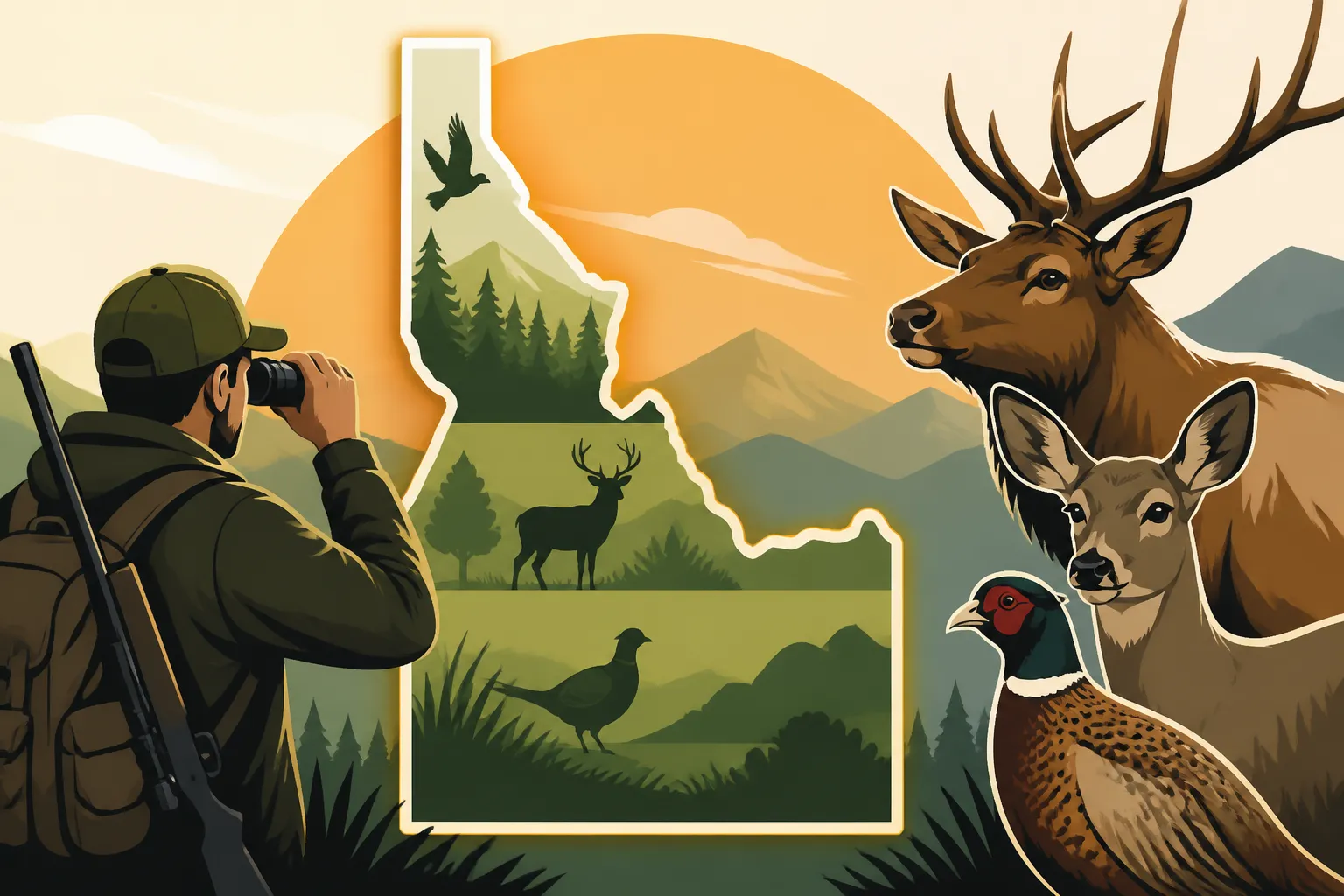
Idaho currently operates 31 distinct Wildlife Management Areas across the state. This might seem like a small number compared to the vast expanse of National Forest, but don't let the count fool you. Each WMA is a powerhouse of conservation, strategically located and intensively managed to benefit a diverse array of game species. From the desert plateaus of the south to the forested mountains of the north, these 31 areas are crucial components of Idaho's wildlife strategy, offering concentrated opportunities that can be harder to find on general public lands.
More Than Just a Number: What WMAs Represent
The existence of these 31 WMAs isn't just about providing acreage; it's about dedicated, active management. These aren't just tracts of land where hunting is allowed; they are areas where wildlife populations are actively fostered through habitat improvement projects, controlled burns, noxious weed eradication, and careful land use planning. This focused effort means that WMAs often boast higher densities of target species or provide critical seasonal habitat that concentrates animals, leading to potentially more successful hunts for those who know how to use them.
Think about it: instead of hoping to stumble upon a good spot in millions of acres of general forest, a WMA provides a more focused environment. These areas are often prime winter range for deer and elk, crucial breeding grounds for waterfowl, or key stopovers for migratory birds. They act as anchors for wildlife populations, providing secure places for animals to thrive, which then benefits surrounding public and private lands. This makes them incredibly valuable to both wildlife and hunters.
Geographic Spread and Diversity of Idaho's WMAs
Idaho's 31 WMAs are not all cut from the same cloth; they are incredibly diverse, reflecting the state's varied topography and ecosystems. You'll find WMAs that protect sagebrush steppe habitat vital for mule deer and pronghorn in the southern regions, like the Cecil D. Andrus WMA (formerly Craig Mountain), which spans incredible breaks and canyons. Then there are WMAs in the northern Panhandle, such as Boundary Creek, which consists of heavily timbered mountainsides and riparian zones, providing excellent habitat for whitetail deer, elk, and bear.
Others, like Market Lake WMA in the southeast or Fort Boise WMA in the southwest, are primarily focused on wetland and riparian environments, making them exceptional destinations for waterfowl and upland bird hunters. This geographic and ecological diversity means that no matter what species you're pursuing or what kind of terrain you prefer, there's likely a WMA suited to your hunting style. Understanding this spread allows you to strategically pick areas that align with your hunting goals. Idaho Wildlife Management Areas by Region can help you visualize this distribution.
What Makes a Wildlife Management Area a Prime Hunting Spot?
So, why should you specifically target a WMA for your next hunt, especially when Idaho has so much other public land? The answer lies in their fundamental design: they are managed for wildlife, first and foremost, and that management translates directly into enhanced hunting opportunities. Unlike vast, sometimes passively managed national forests or BLM lands, WMAs often receive more intensive habitat work and have specific objectives to support robust game populations.
This dedicated focus means that WMAs can often hold higher numbers of certain species compared to general surrounding areas. They might have food plots, improved water sources, or specific timber thinning projects designed to create ideal forage and cover. For example, a WMA might be a critical Mule Deer Winter Range Across the High Desert, meaning deer concentrate there during the colder months, offering accessible opportunities. This active ecological engineering can make a significant difference in your scouting and hunting success.
Habitat Management and Species Focus
One of the biggest advantages of hunting a WMA is the direct, hands-on habitat management taking place. IDFG biologists and staff are continually working on these lands. They might be planting native grasses and shrubs, restoring wetlands, or implementing controlled burns to rejuvenate browse for deer and elk. This isn't just theory; it's practical, on-the-ground work aimed at creating better living conditions for game animals.
This intense management often leads to WMAs being hotspots for specific species. For instance, some WMAs are renowned for their Elk Herd Distribution by Zone or their ability to hold healthy populations of pheasant and quail, often enhanced by habitat planting. If you're looking for a particular type of hunting experience, researching which WMAs are managed for those specific species can be incredibly productive. It's like having a dedicated wildlife farm, but it's open to the public for hunting.
Accessibility and Infrastructure on WMAs
Another often-underestimated benefit of WMAs is their relative accessibility and infrastructure. While you can find truly remote hunting on National Forest or BLM land, WMAs are often designed with public access in mind. This can mean well-maintained gravel roads, designated parking areas, and sometimes even informational kiosks with maps and regulations. For hunters who may not have pack strings or the desire for extreme backcountry excursions, WMAs provide a more approachable public land option.
Many WMAs also feature established trails or fire breaks that make navigating the terrain easier than hacking through thick, unmanaged timber. This doesn't mean they're always easy hunts—far from it—but the infrastructure can reduce the logistical challenges, allowing you to focus more on hunting and less on getting stuck or lost. However, it's crucial to remember that accessibility can also mean more pressure, especially on opening weekends.
Unique Opportunities and Challenges
WMAs can present unique hunting opportunities, sometimes even for species that are harder to find elsewhere. For example, some WMAs might have specific youth hunting days, or offer special late-season archery opportunities that aren't available on general public land. Their focused management sometimes means they can support populations of certain species, like specific waterfowl or upland birds, that thrive in those managed habitats.
However, these benefits come with their own set of challenges. Because WMAs are actively managed and often more accessible, they can sometimes experience higher hunting pressure. It's not uncommon to find more vehicles at WMA trailheads during peak seasons. Furthermore, WMAs often have very specific and sometimes stricter regulations than general public land. You might encounter restrictions on vehicle use, Camping Limits on Idaho WMAs, or specific weapon types in certain zones. Always check the individual WMA regulations before you go, as they can differ significantly.
Navigating the Rules and Making the Most of WMAs
So, you've identified a WMA that looks promising for your next Idaho hunt. Now comes the critical part: understanding the rules and using the right tools to make your trip successful. Hunting on a WMA isn't just like hunting anywhere else; these are managed areas, and they come with their own distinct set of guidelines designed to protect both the wildlife and the habitat. Ignoring these rules can not only get you a citation but also negatively impact the resource.
One of the best ways to prepare is to treat WMAs as unique hunting units. Each WMA will have its own detailed rules and regulations, often posted at entry points or available online through the Idaho Fish and Game website. These can cover everything from vehicle access and camping to shooting hours and even specific weapon restrictions. Don't assume that what applies on the adjacent National Forest also applies within the WMA boundaries; often, it does not. Being prepared means knowing these specifics inside and out. Hunting Rules Specific to Idaho WMAs are paramount to a successful trip.
Understanding WMA-Specific Regulations
The Idaho Department of Fish and Game manages WMAs with specific objectives, and these objectives dictate the rules. For example, many WMAs are critical Idaho's Motorized Hunting Rule and Where It Applies in these areas is often strictly enforced to prevent habitat damage and reduce disturbance to wintering animals. You might find "motorized vehicle use prohibited" signs, even on what looks like a well-established road, during certain times of the year or in specific sections. This is a huge difference from general public lands where some roads might be open year-round.
Similarly, camping regulations within WMAs can be very different. While dispersed camping might be broadly allowed on National Forest land, WMAs often have designated camping areas, or even outright prohibitions on overnight stays during certain seasons. This is often to reduce human impact on sensitive habitats or to prevent conflicts with wildlife. Always look for signage or check the IDFG website for the specific WMA you plan to visit. Understanding these nuances is crucial for staying legal and respectful.
Tools for Scouting and Planning
In today's hunting world, digital scouting tools are indispensable, and they become even more powerful when planning a WMA hunt. Services like onX Hunt and GoHunt offer detailed maps that clearly delineate WMA boundaries, often showing specific restrictions or land features within them. You can use these apps to overlay public land data, identify access roads, and even scout potential hunting spots from the comfort of your home.
For instance, onX Hunt allows you to see the exact boundaries of a WMA, often highlighting areas with specific motorized restrictions or habitat features. You can drop waypoints on promising looking cover or water sources, helping you plan your approach long before you ever set foot on the ground. Similarly, GoHunt can provide valuable insights into drawing odds and harvest statistics for various units, which can often overlap with or include WMAs. Using these tools to understand the terrain, access points, and specific regulations before you go is not just smart, it's essential for maximizing your limited hunting time. Remember, The Idaho Hunt Planner Is the Tool to Start With on the IDFG website is also a fantastic free resource for initial research.
Maximizing Your WMA Experience
To truly make the most of your WMA hunt, consider a few key strategies. First, scout thoroughly, both digitally and in person if possible. WMAs, by their nature, are managed areas, which means patterns of wildlife use can sometimes be more predictable than in vast, unmanaged landscapes. Look for areas of transition between different habitat types, edges, and water sources. If there are designated access roads, note where they lead and if they offer good glassing points.
Second, hunt smart by understanding pressure. Because WMAs can be popular, consider hunting during weekdays or focusing on areas that require a bit more effort to reach. Most hunters stick close to the road, so a willingness to walk an extra mile or two can often get you into less-pressured areas. Use your onX Hunt app to identify these less-accessed pockets. Finally, be respectful of other users and the resource. Pack out everything you pack in, adhere strictly to all regulations, and leave no trace. This ensures that these vital areas remain productive and enjoyable for all hunters for years to come.
Here's a quick overview of a few example WMAs to illustrate their diversity:
| WMA Name | Primary Region | Key Species/Focus | Typical Terrain |
|---|---|---|---|
| Cecil D. Andrus WMA | North Central | Elk, Mule Deer, Whitetail, Bear, Upland Birds, Predators | Steep breaks, canyons, forested ridges |
| Fort Boise WMA | Southwest | Waterfowl (Ducks, Geese), Pheasant, Quail | Riparian, wetlands, agricultural fields |
| Market Lake WMA | Southeast | Waterfowl, Pheasant, Sandhill Cranes | Wetlands, marshes, grassland |
| Boundary Creek WMA | Northern Panhandle | Whitetail Deer, Elk, Bear, Grouse | Timbered mountains, river bottoms |
| C.J. Strike WMA | South Central | Waterfowl, Pheasant, Quail, Mule Deer | Reservoir edges, sagebrush, riparian |
These 31 WMAs truly are invaluable assets for hunters in Idaho. They represent a commitment to wildlife conservation and public access that benefits all outdoor enthusiasts. By understanding their purpose, knowing their rules, and utilizing modern scouting tools, you can turn these managed lands into some of your most productive and enjoyable hunting destinations.
Disclaimer
This article is for general informational purposes only and does not constitute professional advice. Laws, prices and regulations vary by location and change over time. Consult a qualified professional for guidance on your specific situation.