How Many Capped Elk Zones Idaho Runs
Navigating Idaho's elk hunting regulations can feel like trying to solve a complex puzzle, especially when you start diving into the nuances of how tags are allocated. One of the biggest sources of confusion and frustration for many hunters, both resident and nonresident, revolves around the "capped" elk zones – understanding what they are, why they exist, and most importantly, how many there are, is crucial for planning a successful hunt. This guide will meticulously break down Idaho's capped elk zones, offering clarity on the system and strategies to help you secure a tag in these highly sought-after areas.
Understanding Idaho's Elk Zone System
Idaho's approach to managing its vast elk populations and the hunters who pursue them is done through a system of "elk zones." These zones are essentially large geographical areas, often encompassing multiple Game Management Units (GMUs), each with its own set of regulations, season dates, and tag structures. It's a system designed to balance hunter opportunity with the health and sustainability of local elk herds.
General Zones vs. Capped Zones
At the heart of Idaho's elk tag system lies a fundamental distinction between general elk zones and capped elk zones. When you first look at the regulations, it might all seem like a blur of dates and unit numbers, but understanding this difference is paramount.
General elk zones are those where general season tags are sold over-the-counter (OTC) until a certain quota is met, or until the season simply closes. For the most part, if you're looking for an accessible elk hunting experience without the extreme pressure of a lottery or a lightning-fast tag sale, many of these general zones offer fantastic opportunities. These tags are often available for longer periods, sometimes even well into the season, though popular zones will certainly sell out. The key here is availability: as long as tags are left, you can buy one. This provides flexibility for many hunters who might not have their plans finalized months in advance. You can often find detailed harvest statistics and public land percentages for these units through tools like the Idaho Hunt Planner, which helps in identifying areas that might offer lower pressure or better success rates.
Capped elk zones, however, are an entirely different beast. While they still fall under the umbrella of "general season" tags in the sense that they aren't part of a controlled hunt draw, they come with a hard, predetermined limit on the total number of tags that can be sold. Once that cap is hit, that's it—no more tags are available for that specific zone, regardless of how many hunters are still hoping to purchase one. This creates an incredibly competitive environment, turning the tag sale into a high-stakes race where seconds can literally mean the difference between hunting and staying home. This competitive nature is often why many hunters turn to resources like GoHunt, which can provide insights into demand and historical sell-out times, giving them a slight edge when these tags drop. The choice between an Idaho A Tag and a B Tag can also come into play within these zones, as they dictate different season structures and weapon types, further complicating a hunter's decision.
Why Capped Zones Exist
The concept of capped zones isn't about making life harder for hunters; it's a strategic move by Idaho Fish and Game to achieve specific management objectives. One primary reason is conservation and herd health. Certain elk populations might be more sensitive to hunting pressure due to habitat constraints, lower overall numbers, or specific herd management goals (like increasing bull-to-cow ratios). By capping the number of tags, the state can carefully control the harvest, preventing over-pressuring vulnerable herds and ensuring the long-term health and vitality of the elk.
Another crucial aspect is distributing hunter pressure and providing quality experiences. Imagine if Idaho allowed unlimited tags in its most famous or accessible elk country. Those areas would quickly become overcrowded, leading to a diminished hunting experience for everyone involved. Capped zones help spread hunters out across the landscape, giving both the elk and the hunters a bit more breathing room. It's about trying to maintain a semblance of a quality backcountry experience, even in popular areas, by limiting the sheer number of boots on the ground. For hunters, this translates to knowing that even if the competition for a tag is fierce, the in-field experience in a capped zone often comes with lower hunter density than some truly OTC free-for-all areas.
Finally, these zones often represent areas of exceptionally high demand. Whether it's historical success rates, reputation for large bulls, or accessible wilderness, some zones simply attract more interest. Capping these tags is a way to manage that demand, ensuring that the resource isn't exploited while still offering a premier hunting opportunity to those lucky enough to secure a tag. The frustration of tags selling out instantly is real, but it's a direct consequence of this careful balancing act designed to protect the very resource we all cherish.
How Many Capped Elk Zones Idaho Currently Manages
This is the burning question, isn't it? As any seasoned Idaho hunter will tell you, the specific number of capped elk zones can sometimes feel like a moving target as IDFG adapts to herd conditions and management needs. However, for the most part, Idaho has consistently managed a set number of these highly sought-after zones.
The Specific Number and What It Means
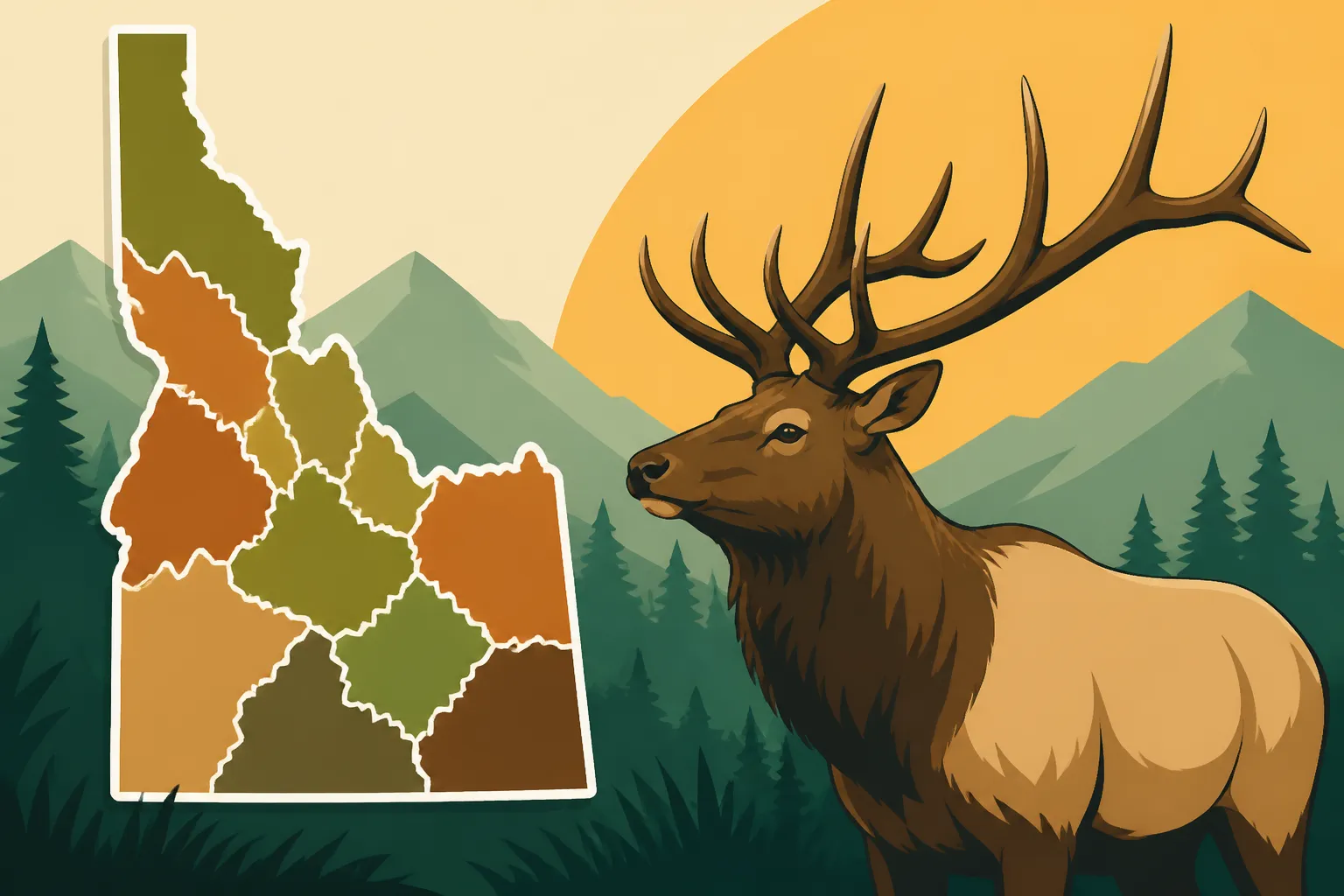
Currently, Idaho manages nine specific elk zones that operate under a capped general tag system. These are not random choices; they are strategically selected areas known for their unique elk populations, challenging terrain, or significant hunter demand.
The nine capped elk zones are:
- Lolo: Famous for its rugged mountains and dense timber, often a bucket list hunt.
- Selway: Another wilderness-heavy zone, requiring serious effort and commitment.
- Middle Fork: Known for vast wilderness and challenging access, offering a true backcountry experience.
- Palouse: A mix of private and public land, with specific access challenges and opportunities.
- Owyhee: Found in the high desert country of southwestern Idaho, a stark contrast to the timbered zones.
- Weiser River: Offers diverse terrain and good opportunities, but tags are limited.
- Sawtooth: Iconic mountain ranges with significant wilderness character, drawing immense interest.
- Pioneer: Another central Idaho zone with beautiful, high-elevation habitat.
- Island Park: Nestled near Yellowstone, known for its unique elk behavior and wintering grounds.
Each of these zones represents a distinct hunting experience, from the dense timber of the Lolo and Selway to the expansive, open sagebrush of the Owyhee. The fact that these zones are capped means that the state is intently focused on managing the pressure within these specific areas. For hunters, it means that while the quality of the hunt can be exceptional, the competition to even get your foot in the door is incredibly fierce. These tags often sell out in minutes, sometimes even seconds, especially for nonresidents. This high demand makes it absolutely critical to be prepared and act swiftly.
The Process for Acquiring Capped Zone Tags
Securing a capped elk zone tag in Idaho is less about luck and more about preparation and speed. Unlike controlled hunts, which are application-based with specific draw odds, capped tags are a first-come, first-served affair when they become available.
The sale of these tags typically follows a specific timeline, differentiating between residents and nonresidents:
- Resident Priority: Idaho residents usually get a head start, with their sale window opening several days before nonresidents. This five-day waiting period for residents is designed to give local hunters a significant advantage in securing tags for these popular zones. For someone born after 1974, ensuring you have your Idaho Hunter Education certificate complete is a prerequisite for purchasing any tag, including these.
- Nonresident Race: Once the nonresident sale window opens, it's an all-out sprint. These tags are released online at a specific time and date, and they often sell out literally within minutes. It’s not uncommon for hunters to have multiple devices ready, logged into the Idaho Fish and Game licensing system, just to increase their chances. This is where tools from companies like GoHunt become invaluable; they often monitor sell-out times and provide reminders, helping hunters prepare for the exact moment the tags drop.
The process itself is straightforward but unforgiving:
- Create/Update Your Account: Ensure your IDFG licensing account is up to date, with all your hunter education information correctly entered.
- Verify Funds: Have the exact funds available on a valid payment method. Any delay or error in processing can cost you the tag.
- Be Ready at Launch: Log in early, confirm your selection, and hit "purchase" the instant the sale goes live. This requires knowing exactly when Idaho's Capped Elk Zones go on sale.
This intense competition is a testament to the quality of hunting these zones can offer, but it also means many hunters will be left empty-handed. Having a backup plan, whether it's looking into other general zones or considering a different species, is always a wise move.
Navigating the Capped Zone Challenge
The challenge of capped elk zones can feel daunting, but with the right approach, you can significantly increase your odds of success, or at least plan effectively if you miss out. It’s all about strategy and preparation.
Strategies for Securing a Capped Zone Tag
If your heart is set on hunting one of Idaho's capped elk zones, here are some actionable strategies to give you the best possible shot:
- Practice Your Purchase: Seriously. Before the actual sale day, familiarize yourself with the GoOutdoorsIdaho website. Practice navigating to the correct tag selection screen, adding it to your cart, and going through the checkout process (without actually buying anything, of course). This muscle memory can save precious seconds on the big day.
- Multiple Devices, Multiple Browsers: While not foolproof, having a laptop, tablet, and smartphone all logged into separate browsers and ready to go can sometimes give you an advantage. If one connection lags, another might go through.
- Reliable Internet: Don't rely on spotty Wi-Fi. A fast, stable internet connection is paramount. Consider using an ethernet cable if possible, or positioning yourself where you have optimal cell signal if using a mobile hotspot.
- Exact Time Sync: Sync your computer or device clock to an atomic clock online. Tags drop at a specific second, and even a few seconds difference can mean missing out.
- Have Backup Zones in Mind: Realistically, you might not get your first choice. Know which other capped zones you'd be willing to hunt, or even which general zones you'd pivot to. Having a quick plan B can prevent panic if your primary option sells out instantly. The Idaho Hunt Planner is an excellent resource for researching these backup options, providing detailed information on harvest statistics and public land percentages.
It’s an intense few minutes, and it requires focus. But for many, the potential reward of hunting in one of Idaho's premier elk zones is well worth the stress.
Alternatives to Capped Zones
Missing out on a capped zone tag doesn't mean your Idaho elk hunting dreams are dashed. The state offers a wealth of opportunity in its general elk zones, many of which still have tags available well after the initial rush, and even some that are still available during the Idaho's Second Controlled Hunt Drawing Works window if you're looking at a different species or special hunt.
Consider these alternatives:
- Explore General Elk Zones: Idaho has numerous general elk zones that offer fantastic hunting experiences, often with less competition for tags. While these might not carry the same "glamour" as a Lolo or Selway tag, they can still provide incredible opportunities for a DIY hunter. Research units within these general zones, focusing on areas with good public land access and reasonable success rates. Understanding Idaho Elk Zones and the A Tag or B Tag Choice can help you pick a zone that aligns with your preferred weapon and hunting style.
- Focus on Public Land Access: Idaho boasts vast tracts of public land, including millions of acres of National Forest and BLM ground. Even within general zones, you can find incredible solitude and quality hunting if you're willing to hike away from roads and popular trailheads. Utilize mapping tools to identify remote pockets or areas that require more effort to access. This is where researching Idaho's Motorized Hunting Rule Keeps You on the Road becomes critical, as knowing vehicle restrictions helps in planning your backcountry access.
- Controlled Hunts: While this guide focuses on general tags, don't forget Idaho's controlled hunt system. These hunts are drawn through an application process and can offer very specific opportunities in terms of timing, weapon choice, and hunt areas, often with lower hunter densities. The downside is the low draw odds for popular hunts, but it's a long-term strategy many hunters employ.
- Consider Different Species: If elk tags prove too elusive, Idaho offers incredible hunting for other species. Mule deer are abundant in the state's high desert and breaks, and whitetail deer hold Idaho's northern panhandle. Perhaps a focused deer hunt could be an excellent alternative, allowing you to experience Idaho's diverse landscapes and gain valuable hunting experience.
The Impact of Capped Zones on Hunt Planning
The existence of capped elk zones fundamentally alters how many hunters approach their annual hunt planning, injecting a significant dose of urgency and strategic thinking into the process. It's no longer just about picking a week; it's about playing a game of chess months in advance.
Increased Competition and Early Planning
The most immediate impact of capped zones is the dramatic increase in competition for those specific tags. For nonresidents, this means that while Idaho has No Preference Points, and What That Changes for controlled hunts, the general capped zone tags require you to be a digital sprinter. This competition forces hunters to initiate their hunt planning much earlier in the year than they might for other states or general OTC tags.
You can't just wake up in August and decide you want a Selway elk tag. By then, they've been gone for months. This means:
- Decision-Making by Fall/Early Winter: You need to decide which capped zone (if any) you're targeting by late fall or early winter of the prior year. This allows time to research the zone, understand its terrain, and mentally commit to the intense tag acquisition process.
- Financial Preparation: Be prepared to pay for the license and tag immediately. This isn't a "pay later" scenario. The nonresident Idaho Elk Hunt Starts at $836.75, which includes the license and tag fee, is a significant investment that needs to be ready upfront.
- Backup Plans are Essential: Because the odds of securing a specific capped tag are so low due to demand, having a robust Plan B (and C!) is non-negotiable. This might mean identifying several general zones as alternatives, or even considering a different species if elk tags don't pan out.
This early planning often extends to scouting as well. While e-scouting through tools like onX Hunt or Google Earth is invaluable, some dedicated hunters might even plan scouting trips during the off-season to familiarize themselves with potential hunt areas, knowing the tag is a long shot.
When Capped Tags Go on Sale
The specific dates and times when capped tags go on sale are perhaps the most critical pieces of information for anyone targeting these zones. These dates are typically announced by Idaho Fish and Game well in advance, but they vary year-to-year and must be confirmed directly through official channels.
Historically, the general pattern has been:
- Early December for Residents: Idaho residents usually have their opportunity to purchase capped zone tags starting in early December. This window typically lasts for a few days, giving residents priority access.
- Mid-December for Nonresidents: Nonresidents then get their chance, usually a few days after the resident sale opens. This is often the most competitive sale, with tags selling out in minutes.
Here's a quick look at how the sale process typically unfolds:
| Feature | General Elk Zones (Uncapped) | Capped Elk Zones |
|---|---|---|
| Tag Availability | Over-the-counter until quota/season ends | Limited, predetermined number of tags |
| Sales Process | Generally available for extended periods | First-come, first-served; often sell out in minutes |
| Hunter Pressure | Varies, can be high in accessible areas | Often lower overall density post-sale due to limits |
| Competition | Moderate to high, depending on zone | Extremely high, especially for nonresidents |
| Management Goal | Provide broad opportunity, manage harvest | Protect specific herds, distribute pressure, ensure quality |
The "race" aspect on sale day cannot be overstated. Websites like GoHunt often have features or community discussions around these specific sale dates and times, providing countdowns and tips for maximizing your chances. Being logged in, credit card information saved, and ready to click "purchase" the literal second the sale goes live is the only way to play. Missing the opening minute means you've likely missed the tag. This intensity highlights why so many hunters meticulously plan their Idaho seasons, often with a mix of strategies including applying for controlled hunts or leveraging Returned Tag Sales Are Idaho's Back Door if the initial rush doesn't pan out.
Ultimately, while challenging, the capped elk zones in Idaho represent some of the state's most coveted hunting opportunities. Understanding the system, preparing thoroughly, and acting decisively are your best tools for success.
Disclaimer
Please remember that hunting regulations, tag availability, and season dates are subject to change. Always consult the official Idaho Fish and Game website and the most current hunting regulations brochure before planning any hunt. This guide is for informational purposes only and does not constitute legal advice.