Where to Look Up Your Controlled Hunt Result
It can feel like a lifetime waiting to hear back after submitting your application for an Idaho controlled hunt. The anticipation is palpable, but the process of actually finding those results can sometimes feel a bit opaque, leaving you scrolling and clicking with bated breath. This guide is designed to cut through that confusion, providing you with a clear, step-by-step walkthrough on where and how to look up your Idaho controlled hunt results, what they mean, and what to do next.
Understanding Idaho's Controlled Hunt System
Before we dive into checking results, it’s helpful to understand the landscape of Idaho's controlled hunt system. It's not like some other states with complex preference point accrual systems, which can be a relief but also means every year is a fresh start. This system aims to distribute limited tags fairly, offering incredible opportunities for hunters willing to put in their time.
The Application Process and Deadlines
Applying for an Idaho controlled hunt involves navigating specific timelines. Generally, the main application period for most big game controlled hunts runs from early April through June, with results usually posted sometime in early July. However, species like moose, bighorn sheep, and mountain goat have an earlier application window, typically closing in April, with results appearing around mid-May. Missing these deadlines is a common pitfall, and unfortunately, there's no going back once they've passed.
One of the most crucial aspects that often surprises new applicants, especially non-residents, is that Idaho operates without a preference point system. This means that whether it's your first time applying or your twentieth, everyone starts with equal odds each year. This can be both a blessing and a curse; it means you have just as much a chance as a seasoned applicant, but also that years of applying don't increase your statistical likelihood of drawing a coveted tag. For more insight, our article on Idaho Has No Preference Points, and What That Changes really breaks down what this unique system means for your draw odds.
Why Controlled Hunts Exist
Controlled hunts in Idaho are a critical wildlife management tool. They exist for several key reasons: to manage game populations in specific areas, to provide high-quality hunting experiences, and to distribute limited tags for species with high demand or low populations. For instance, species like moose, bighorn sheep, and mountain goat are often incredibly difficult to draw, precisely because their populations are smaller, and the hunting experience is designed to be exceptional and sustainable.
These hunts often target specific units or zones, and can be specialized by weapon type (archery, muzzleloader, or general weapon) and animal sex (e.g., bull-only, cow-only, either-sex). This level of control allows Idaho Fish and Game to fine-tune harvest numbers to align with conservation goals. The aim is to ensure healthy herds for future generations while still offering incredible opportunities today. It’s a delicate balance, and controlled hunts are a big part of how Idaho manages that.
Navigating the Idaho Fish and Game Website for Results
Once the application period closes and the draws are run, the next step is finding out if your name was called. The primary hub for all your Idaho Fish and Game licensing and drawing results is their official online portal.
Step-by-Step Guide to Checking Your Application Status
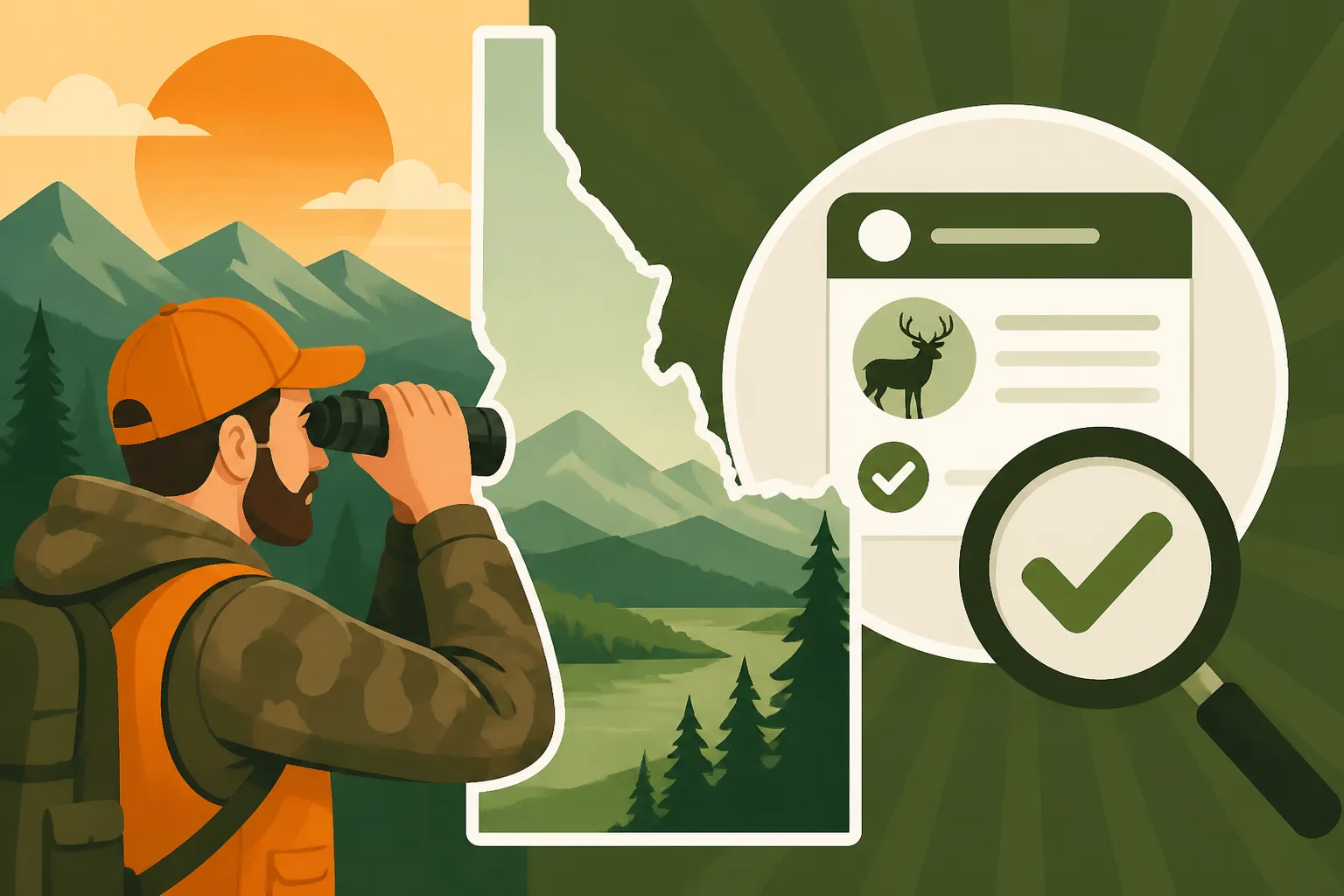
To check your Idaho controlled hunt results, you'll need to head to the Idaho Fish and Game licensing system, often accessed through the "GoOutdoorsIdaho" platform. It's fairly straightforward once you know where to look.
- Visit the Official IDFG Licensing Site: Open your web browser and go directly to the GoOutdoorsIdaho portal. This is the central hub for all license purchases, applications, and results.
- Log In to Your Account: You'll need your customer ID and password. If you've applied before, you should already have these. If you're a new user or have forgotten your credentials, there are options to retrieve your customer ID or reset your password. It's always a good idea to test your login before results are released, just to avoid any last-minute panic!
- Navigate to "Controlled Hunt Applications" or "Draw Results": Once logged in, look for a section related to "Controlled Hunt Applications," "Draw Results," or "My Applications." The exact wording might vary slightly year to year, but it's usually prominent on your personal dashboard.
- View Your Application History: This section will display all the controlled hunts you've applied for, along with their current status. This is where you'll see "Successful," "Unsuccessful," or potentially "Pending" if the draw hasn't been finalized for that specific hunt yet. Our article on When Idaho Posts Controlled Hunt Results provides precise timing details you might find helpful.
- Check Each Application Individually: If you applied for multiple controlled hunts, make sure to check the status of each application. It’s possible to draw one and not another.
Many hunters also use third-party platforms like GoHunt, which can integrate with your IDFG account or simply provide a user-friendly interface to quickly check results and analyze historical data. While not official, these tools can sometimes offer a more consolidated view of draw statistics and personal application history, making the process feel a little less like searching for a needle in a haystack.
Interpreting Your Controlled Hunt Results
When you finally see that status update, understanding what it means is crucial.
- "Successful": Congratulations! This means you drew a controlled hunt tag. This is the moment every hunter dreams of. However, simply drawing isn isn't the final step. You still need to claim and purchase your tag by the specified deadline. More on this in the next section, but don't celebrate too hard until that tag is in your virtual cart and paid for!
- "Unsuccessful": This means you did not draw a tag in the primary drawing. It's a bummer, for sure, but it's also a very common outcome, especially for highly sought-after hunts. Don't lose heart, though; there are often secondary opportunities available, which we'll discuss shortly.
- "Pending" or "Undetermined": If you see this status, it usually means the draw for that specific hunt hasn't been completed or the results haven't been fully processed and posted yet. Sometimes, results are released in phases, or there might be a slight delay. Patience is key here. Keep checking back periodically.
It’s important to remember that draw odds for controlled hunts can vary wildly depending on the species, specific unit, and type of tag. A hunt for a particular bull elk unit might have 2-3% draw odds, while a cow elk hunt in a different unit could be 30-40%. Sites like GoHunt are fantastic for analyzing these odds and understanding the difficulty of the tag you applied for. This kind of research beforehand can help temper expectations and guide future application strategies.
What Happens After You Draw (or Don't Draw)
Whether you’ve drawn a tag or not, the journey doesn’t end with seeing your result. There are crucial next steps to take that can impact your hunting season.
Claiming Your Hard-Earned Tag
If you are one of the lucky ones to draw a controlled hunt tag, the absolute next thing you need to do is claim it. This isn't just a suggestion; it's a hard deadline. Idaho Fish and Game sets a firm date by which all drawn tags must be purchased. For the main big game controlled hunts, this deadline is typically in August, but it's vital to confirm the exact date for your specific tag. You can find detailed information on this process in our guide, The August Deadline to Claim an Idaho Controlled Hunt Tag.
To claim your tag, you’ll log back into your GoOutdoorsIdaho account, navigate to your controlled hunt applications, and you should see an option to "Purchase Tag" or "Claim Tag" next to your successful application. Don't procrastinate! If you miss this deadline, your drawn tag will be forfeited and will become available to other hunters in subsequent drawings or sales. There are no extensions, and a missed deadline means you're out of luck for that particular hunt, even if you successfully drew it. Imagine the frustration of drawing that once-in-a-lifetime moose tag only to forget to claim it!
Exploring Other Opportunities if You Don't Draw
Drawing "unsuccessful" can sting, especially when you've been dreaming of that hunt all year. But an unsuccessful draw doesn't necessarily mean your Idaho hunting season is over. There are several avenues to explore:
- Second Controlled Hunt Drawing: Idaho often conducts a second drawing for tags that were not claimed in the initial draw. This provides another chance for hunters who didn't draw the first time around, or perhaps for those who initially missed an application. Our article on How Idaho's Second Controlled Hunt Drawing Works details the application period and process for these often overlooked opportunities. These tags are usually much more limited, but someone has to draw them!
- Leftover Tags: After the second drawing, any remaining controlled hunt tags are typically sold on a first-come, first-served basis. These "leftover tags" can be a golden opportunity, especially for less popular units or cow hunts. They tend to sell out incredibly fast, often within minutes or hours of becoming available online, so being ready at your computer on release day is critical. Learn more about these last-chance opportunities in Returned Tag Sales Are Idaho's Back Door.
- General Season Tags: Don't forget Idaho's abundant general season opportunities! Many elk and deer zones offer over-the-counter tags that provide fantastic hunting experiences without the controlled hunt draw. While controlled hunts offer specific advantages, general seasons cover vast amounts of public land and can be incredibly rewarding. If your heart was set on a specific area, use the Idaho Hunt Planner to research general season opportunities in that or nearby units.
- Other Species: Maybe this year wasn't your year for elk or deer. But what about bear, mountain lion, or even upland birds? Idaho offers diverse hunting opportunities, and exploring different species can lead to new passions and successful hunts.
Missing a claim deadline is a harsh reality for some hunters. Our detailed explanation of What Happens If You Miss the Claim Deadline will walk you through the consequences and potential workarounds, though none are as good as simply claiming your tag on time.
Tips for Future Controlled Hunt Applications
An unsuccessful draw isn't a failure; it's a learning opportunity. Each year gives you more data to refine your strategy for the next.
Learning from Current Season Results
After results are posted, the Idaho Fish and Game website, and resources like GoHunt, will often publish draw statistics. This data is invaluable for future planning.
- Analyze Draw Odds: Look at the odds for the hunts you applied for, and compare them to other hunts in similar zones or for similar species. Did you apply for a hunt with 1% odds and are now surprised you didn't draw? Understanding the historical difficulty of a hunt can help set realistic expectations. Checking Idaho Drawing Odds Before You Apply is a critical step in building a smart application strategy.
- Study Harvest Reports: Beyond draw odds, look at the harvest success rates for different units. A unit might have great draw odds, but if hunter success is extremely low, it might not be the best choice for you. Conversely, a unit with tougher odds but high success could be worth the gamble. The Idaho Hunt Planner is an excellent resource for this kind of in-depth research, offering historical data on both draw and harvest success.
- Consider Trends: Are certain units becoming more popular? Are new controlled hunts being introduced? Staying current with changes in regulations and hunter pressure can give you an edge. Many online communities and forums, as well as subscription services, help track these trends.
For instance, if you continuously apply for a premium A Tag elk hunt in a capped zone with extremely low odds, and you're unsuccessful year after year, it might be time to consider applying for a B Tag in a different zone or focusing on general season opportunities. The key is to be flexible and adaptive in your application strategy.
Utilizing Scouting Tools for Better Odds
Modern technology has revolutionized the way we research and plan hunts. Using e-scouting tools and resources can significantly improve your chances of drawing a tag you're well-prepared for.
- Online Mapping Software: Tools like onX Hunt, BaseMap, and even Google Earth are indispensable for e-scouting. They allow you to study terrain, identify public vs. private land, find potential bedding areas, water sources, and access points—all from your computer. You can analyze unit boundaries and cross-reference them with various data layers to get a comprehensive understanding of the area.
- Draw Odds Services: As mentioned, platforms like GoHunt offer detailed draw odds and application strategies for various states, including Idaho. They consolidate historical data, provide personalized recommendations based on your profile, and can help you identify hunts with the best balance of draw odds and quality. They often break down draws by resident and nonresident success, weapon type, and even specific tag types, which can be immensely helpful.
- IDFG Resources: Don't overlook the official resources! The Idaho Fish and Game website itself is a treasure trove of information, including interactive maps, regulation pamphlets, and harvest statistics. While some third-party tools streamline the data, understanding how to navigate and utilize the official IDFG site is fundamental. This is also where you'll find details on Idaho's February Second Application Period, a critical time to check for additional tag opportunities.
Remember, a successful hunt often begins long before opening day, with careful planning and research. Using these tools to understand the nuances of the Idaho draw system will not only increase your chances of drawing a tag but also ensure you're applying for hunts that align with your hunting goals and expectations.
Final Thoughts and Disclaimer
Hunting in Idaho truly offers some of the most spectacular experiences an outdoors enthusiast can ask for. The controlled hunt system, while sometimes challenging to navigate, provides access to incredible opportunities. Don't be discouraged by an unsuccessful draw; use it as motivation to learn more, refine your strategy, and apply smarter next time.
Disclaimer: This information is for general guidance only and is not a substitute for the official Idaho Fish and Game hunting regulations. Always consult the most current Idaho Fish and Game regulations and official publications before applying for any hunt or going into the field. Regulations can change annually, and it is the hunter's responsibility to be aware of and comply with all applicable laws and rules.