Bear Safety Practices in an Outfitter Camp
Bear safety practices in Idaho outfitter camps explain how black and grizzly bears behave and approach food sources.
Book the hunt, not the brochure.
Guided, semi-guided, and drop-camp options, which outfitters work which units, guide licensing requirements, booking timelines, and what a deposit actually covers.
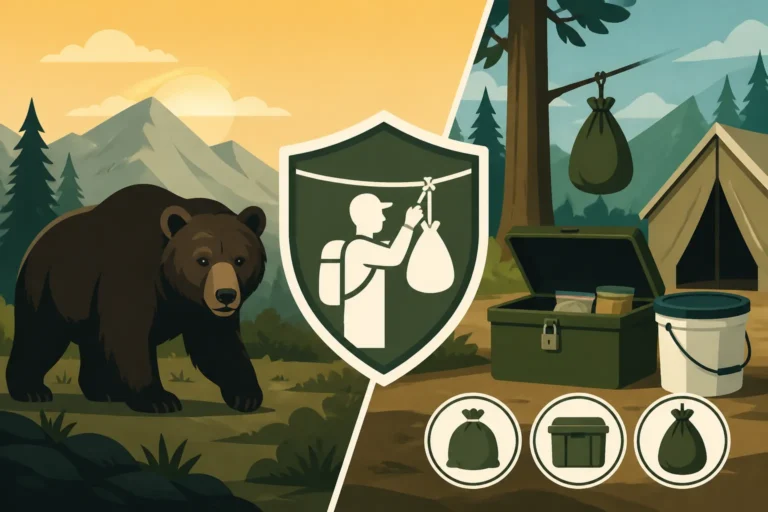
Bear safety practices in Idaho outfitter camps explain how black and grizzly bears behave and approach food sources.
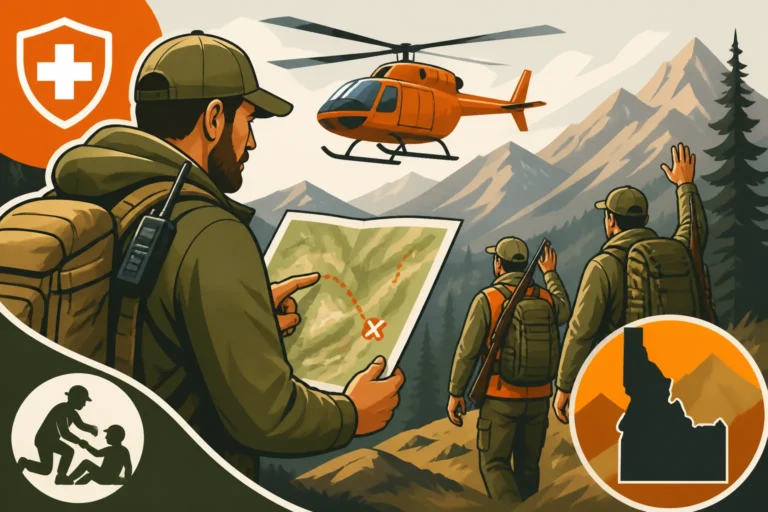
Idaho hunting outfitters explain how they plan emergency evacuations for backcountry injuries, sudden illnesses, and lost clients.
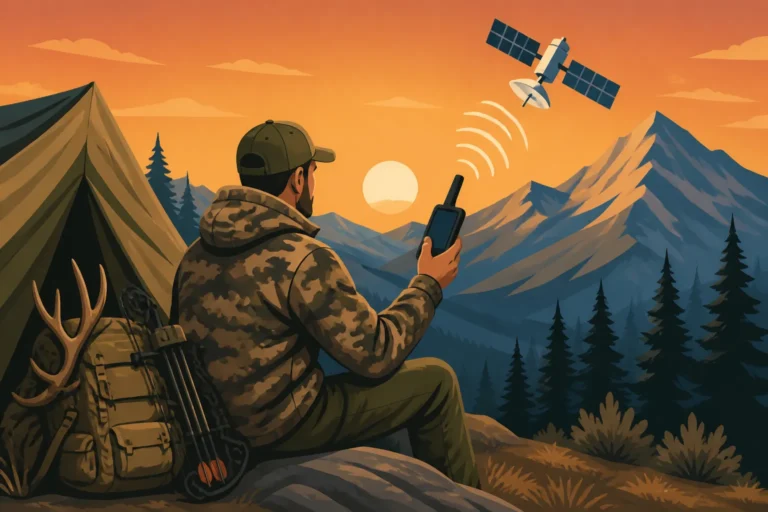
Satellite communication devices provide emergency signaling and daily check-ins for hunters in remote Idaho wilderness areas without cell service.
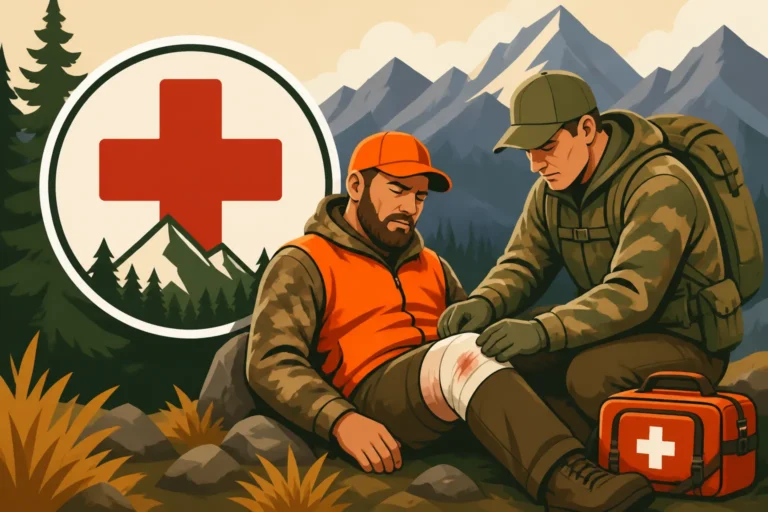
Wilderness first aid during Idaho guided hunts requires understanding remote medical care limits and personal preparations.
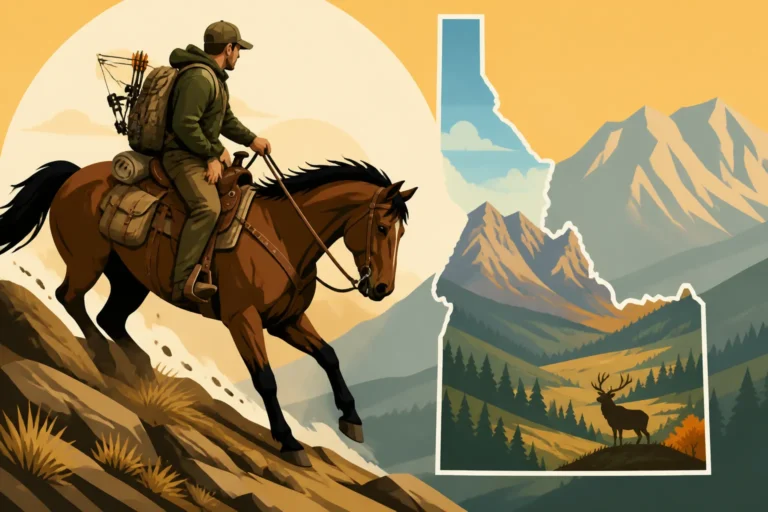
Horseback hunting skill levels needed for Idaho backcountry terrain, steep mountain trails, and long saddle hours.
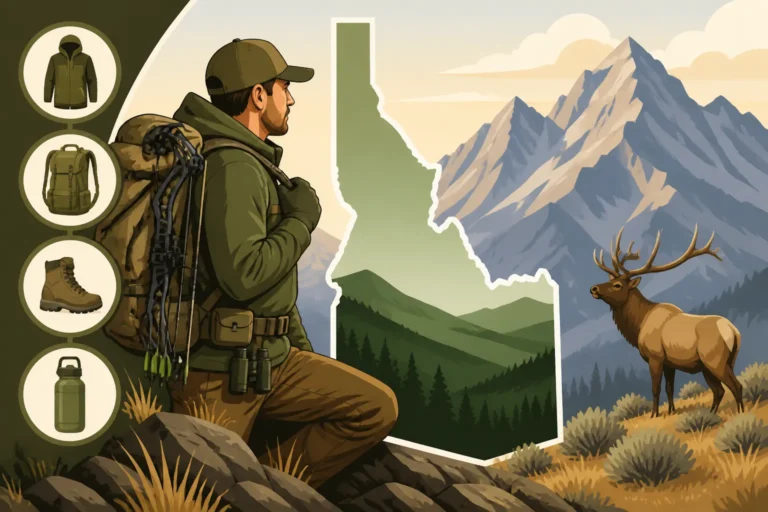
High altitude hunting preparation strategies help elk and mule deer hunters physically conquer steep Idaho mountain terrain.
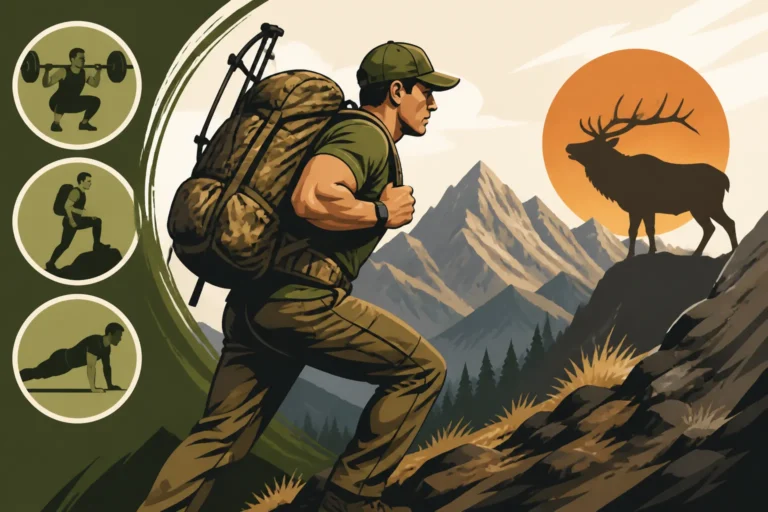
Physical conditioning for Idaho backcountry hunts explains how to build strength, lung capacity, and endurance for steep terrain.
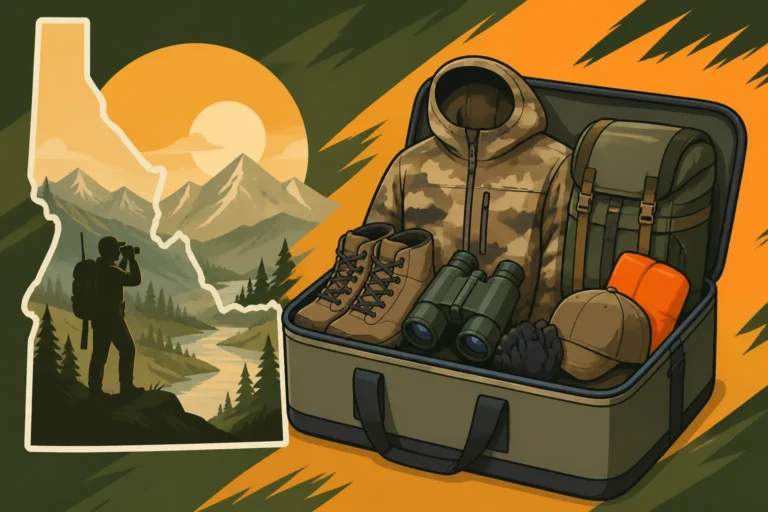
Idaho outfitters gear lists provide crucial safety requirements and specific packing instructions for guided hunts.
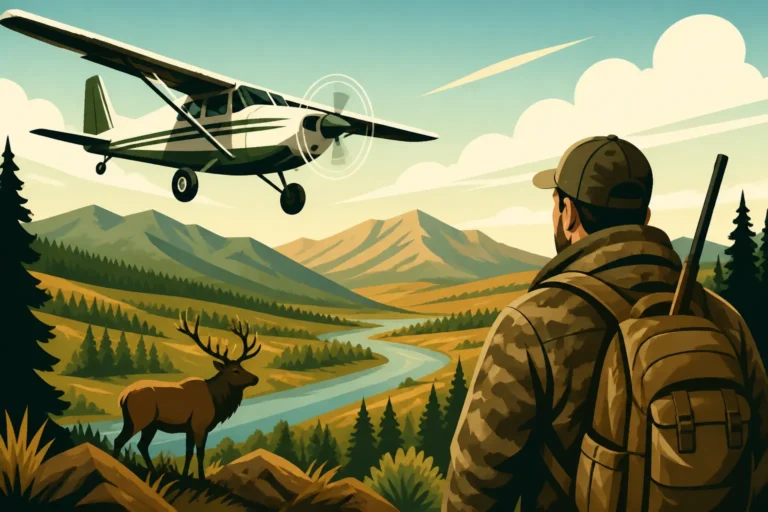
Flying into Lewiston provides hunters with direct access to game management units, public lands, and elk habitat.
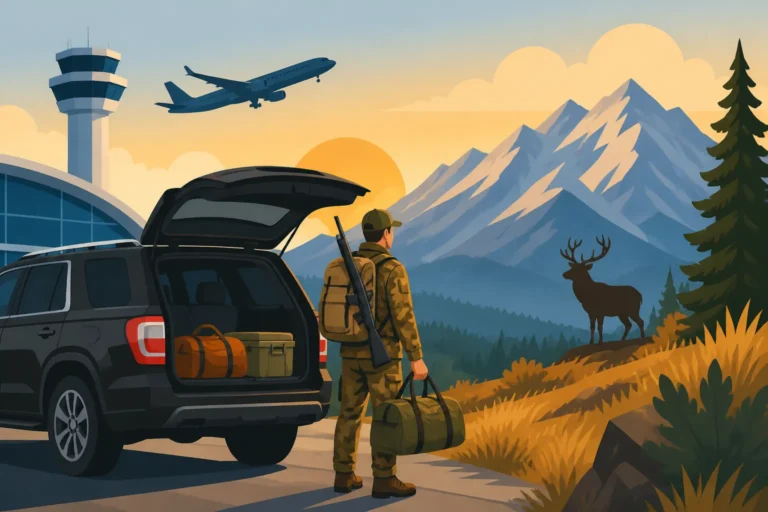
Airport transfers from Boise to remote hunting camps require planning for long four to six hour drives and rough roads.