Why the Subspecies Rule Matters When You Apply
Idaho bighorn sheep subspecies rules dictate separate applications for Rocky Mountain and California tags to ensure precise wildlife management.
Know what you’re after.
Big game, small game, upland birds, and waterfowl — identification, behavior, rut and migration timing, and how each species moves through the season.
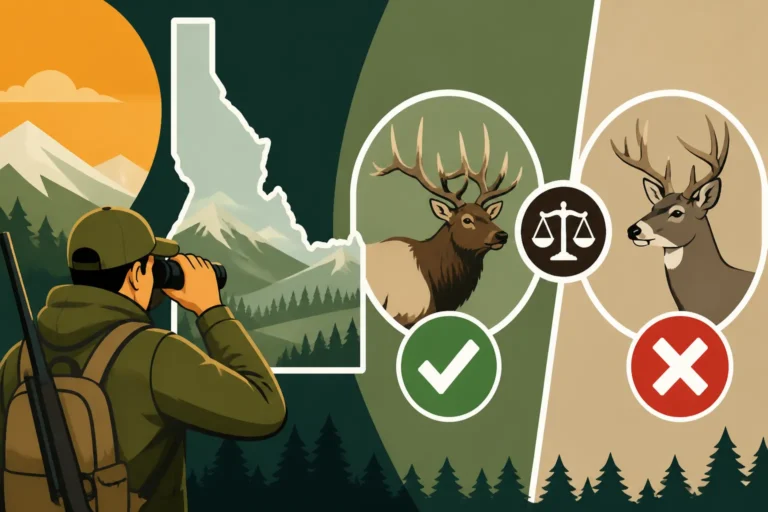
Idaho bighorn sheep subspecies rules dictate separate applications for Rocky Mountain and California tags to ensure precise wildlife management.
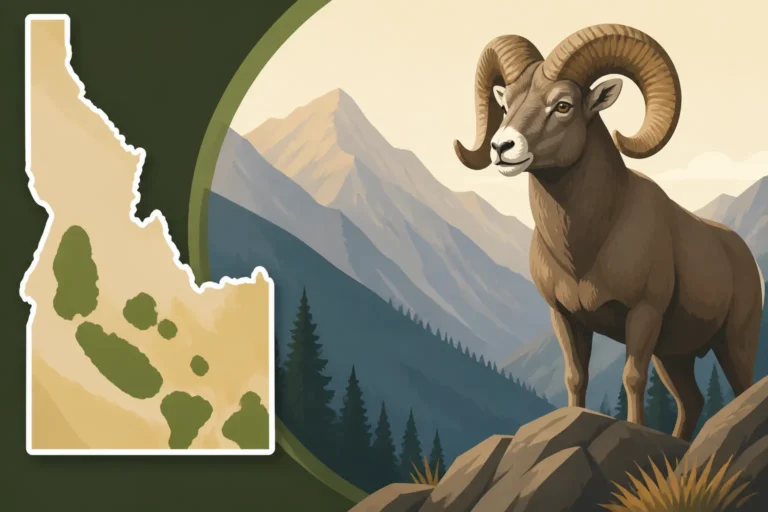
California bighorn sheep in Idaho live almost exclusively within the remote rimrock canyons of the Owyhee country region.
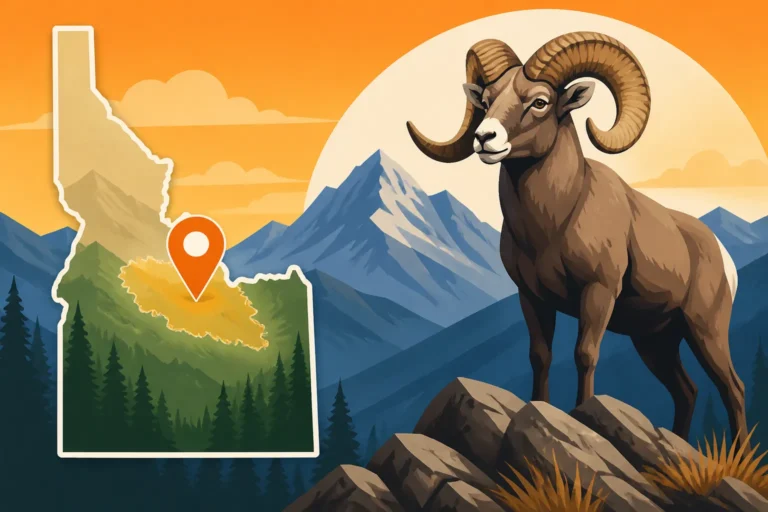
Rocky Mountain bighorn sheep inhabit steep Idaho terrain like alpine ridges, rocky slopes, and the Salmon River canyons.
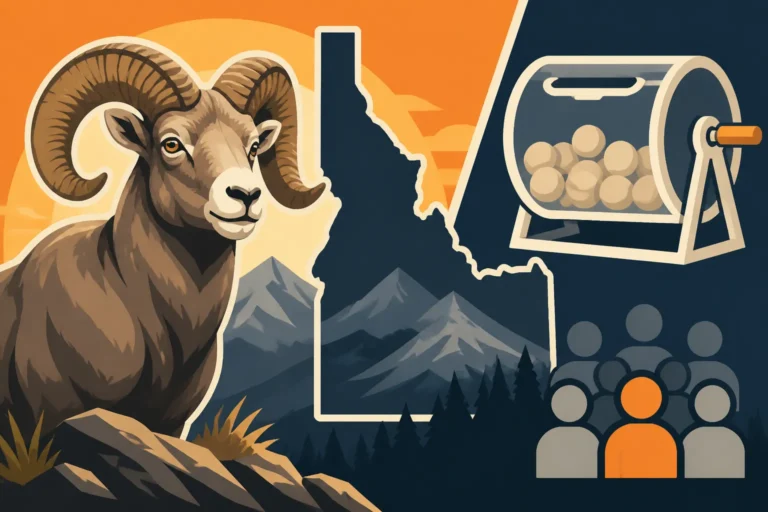
Idaho bighorn sheep draw odds and strict tag allocations explain why thousands of hunters face extreme competition for permits.
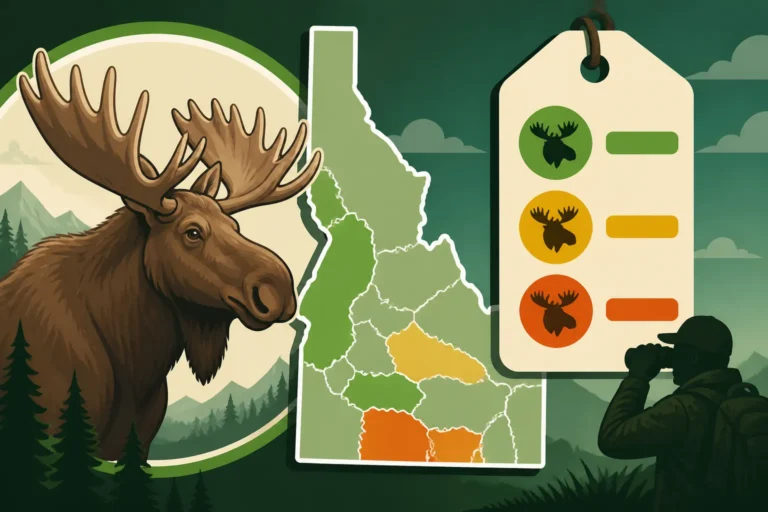
Idaho cow moose tag availability and the controlled hunt application process help hunters manage state wildlife populations.
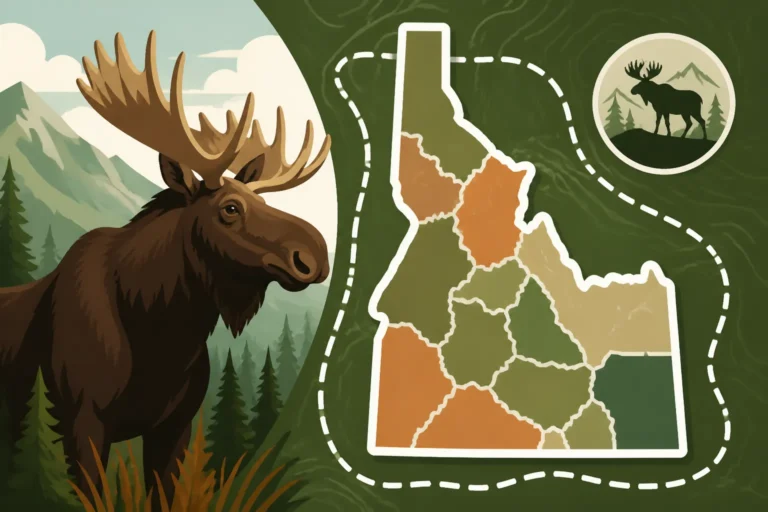
Idaho moose hunt boundaries and controlled tag rules help applicants understand specific geographic areas and game management units.
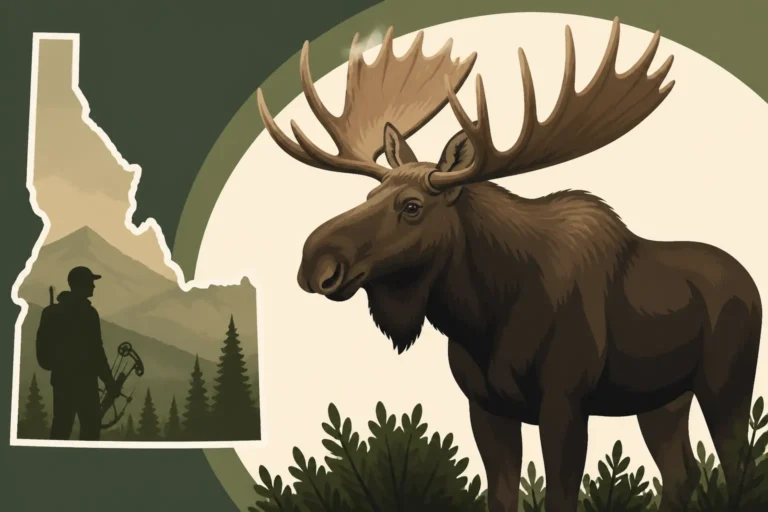
Mature Idaho Shiras moose bulls stand six to seven feet tall at the shoulder and weigh up to twelve hundred pounds.
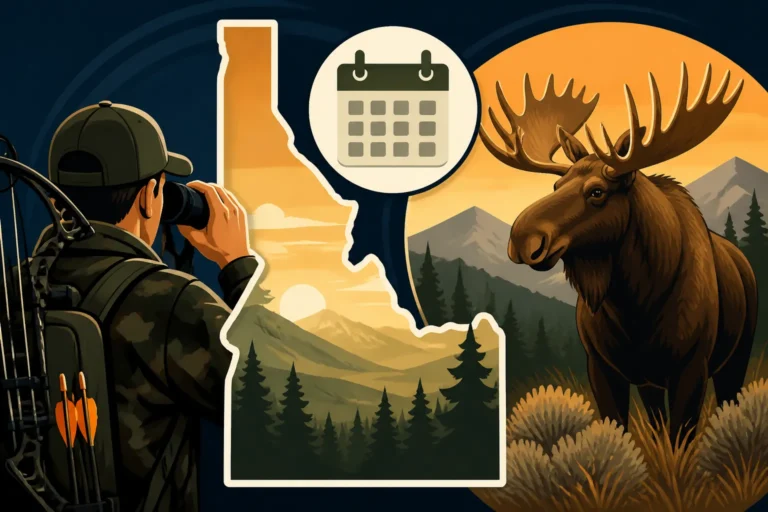
Idaho moose permits are extremely limited and in heavy demand from residents and nonresidents, so many applicants get years of unsuccessful notices.
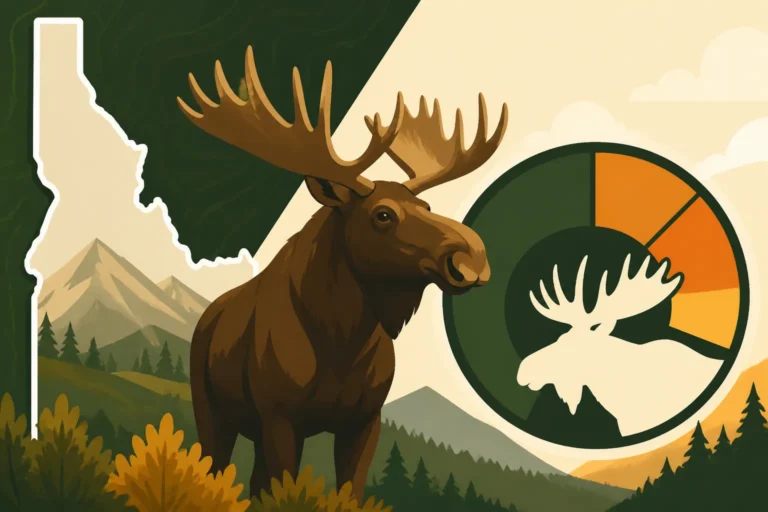
Shiras moose are carefully managed in Idaho, so tags come only through a controlled hunt draw with very long odds instead of an over-the-counter purchase.
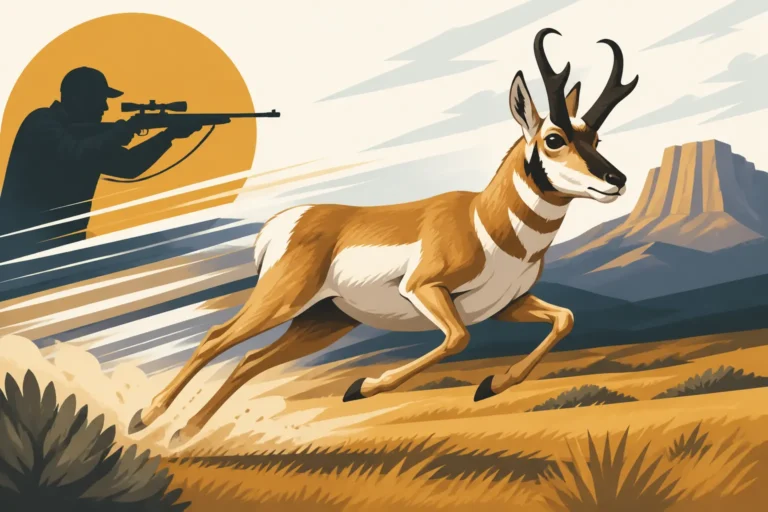
Idaho pronghorn reach top speeds of 55 to 60 miles per hour and sustain 30 to 40 miles per hour across southern Idaho plains.