Why Idaho’s Once-in-a-Lifetime Rule Is Per Subspecies
It can be incredibly confusing, not to mention a little frustrating, when you hear about "once-in-a-lifetime" hunting opportunities in Idaho. Does that truly mean one time, forever? Especially when you know there are different kinds of the same animal out there. This guide is here to clear up that very specific nuance, explaining why Idaho's "once-in-a-lifetime" rule often applies per subspecies, opening up more incredible hunting dreams than you might initially realize.
Understanding Idaho's Unique Once-in-a-Lifetime Philosophy
When you first dive into the world of trophy hunting in the West, particularly for highly sought-after species like bighorn sheep, moose, or mountain goat, the term "once-in-a-lifetime" often brings with it a sense of finality. It implies that if you're lucky enough to draw one of these coveted tags, that's it—you’ve had your shot, and you can never pursue that species again. For many, this feels like an immense pressure, making every scouting trip, every shot, and every moment of that single hunt feel monumental. It’s natural to feel that weight, given how rare these tags are.
However, Idaho, like a few other Western states, has a more nuanced approach to this concept, particularly for bighorn sheep. It’s not simply a blanket "one and done" for all bighorn sheep, for example. Instead, the Idaho Fish and Game Department's regulations are carefully crafted around the biological realities of the animal populations themselves. This distinction is crucial because it can mean the difference between one dream hunt and potentially two, or even more, for the incredibly persistent and fortunate hunter. This framework acknowledges that while these animals share a common name, their distinct genetic lines and geographical distributions warrant separate management strategies and, consequently, separate hunting opportunities. It's a testament to a deep understanding of wildlife science and a commitment to sustainable, yet enriching, hunting experiences.
Beyond the "One and Done" Misconception
The common understanding of "once-in-a-lifetime" implies a single opportunity for a species, period. For moose in Idaho, for instance, if you draw and harvest a Shiras moose, that’s your once-in-a-lifetime tag for Idaho moose. The same generally applies to mountain goats. But when we talk about bighorn sheep, Idaho's regulations present a fascinating exception. This isn't just a loophole; it's a deliberate management strategy based on scientific classification and the distinct populations within the state. The frustration of believing you only get one chance at any bighorn can be quickly replaced with the exciting realization that if you're dedicated and patient enough, you might pursue two different types.
This distinction is rooted in the biological reality that while all bighorn sheep are indeed Ovis canadensis, there are recognized subspecies that have evolved with genetic differences and adapted to different geographical and ecological niches. Managing them as distinct units helps ensure the health and genetic integrity of each unique population. It’s a conservationist's approach that also, fortunately, offers more opportunities for ethical hunters who understand and respect these biological boundaries.
The Core Principle: Managing for Distinct Populations
At the heart of Idaho's "once-in-a-lifetime per subspecies" rule is the concept of managing distinct populations. Instead of viewing all bighorn sheep as one monolithic entity, the Idaho Fish and Game recognizes that the Rocky Mountain Bighorn Sheep and the California Bighorn Sheep, while sharing the overarching bighorn name, are different enough to be managed separately. This distinction is not arbitrary; it's based on genetic markers, physical characteristics, and geographical separation that have led to these groups evolving along different paths.
For the hunter, this means that if you're fortunate enough to draw and harvest a Rocky Mountain Bighorn Sheep in Idaho, you are still eligible to apply in the future for a California Bighorn Sheep tag, and vice-versa. This principle is vital for conservation because it allows wildlife managers to set harvest quotas and implement management plans that are tailored to the specific needs and population health of each subspecies. It prevents over-pressuring one population while another might be more robust, ensuring the long-term sustainability of both. Understanding this core principle is key to navigating the Idaho hunting regulations and planning your long-term trophy hunt aspirations.
Rocky Mountain Bighorns vs. California Bighorns: A Case Study
The best way to truly grasp the "per subspecies" rule is to look directly at Idaho's bighorn sheep. These magnificent animals represent a pinnacle of Western big game hunting, and Idaho is one of the few places where you might encounter two distinct types. The chances of drawing either of these tags are incredibly slim, often requiring decades of applications, but knowing that a second opportunity exists for a different subspecies keeps the dream alive for many. This unique situation directly answers the question of why Idaho's Once-in-a-Lifetime Rule Is Per Subspecies.
For those planning to hunt Idaho, understanding the specifics of these animals is not just academic; it’s fundamental to where you might apply and what you might encounter. The sheer ruggedness of their habitats alone suggests different adaptations, and those differences are what the "per subspecies" rule acknowledges.
Differentiating Idaho's Bighorn Subspecies
Idaho is home to two recognized bighorn sheep subspecies, each with its own unique characteristics and preferred habitats.
The Rocky Mountain Bighorn Sheep (Ovis canadensis canadensis) are perhaps the most iconic image of bighorns. They are generally larger, with rams often sporting massive, tightly curled horns that can complete a full curl or more. Their coat color tends to be a medium brown, with a distinctive white rump patch and muzzle. In Idaho, you'll find Rocky Mountain Bighorns primarily in the central mountains, in areas like the Frank Church-River of No Return Wilderness, Gospel Hump Wilderness, and the Salmon River Breaks. These are typically high-elevation, rugged, and timbered environments, often with steep, rocky slopes and alpine meadows. Hunters pursuing these animals often face extreme physical challenges, navigating vast roadless areas and vertical terrain. Success often hinges on rigorous scouting and the ability to glass vast distances.
On the other hand, the California Bighorn Sheep (Ovis canadensis californiana) are generally smaller in body size and their horns tend to be more flared and less massive than their Rocky Mountain cousins, though still impressive. Their coats often appear a lighter, grayish-brown. In Idaho, California Bighorns are predominantly found in the more arid, high-desert canyon country of the southwestern part of the state, most notably in the Owyhee Mountains and surrounding breaks. This habitat is characterized by deep canyons, sagebrush flats, rimrock, and sparse juniper, often at lower elevations than the Rocky Mountain bighorns. Hunting these sheep involves navigating different challenges, from heat and scarcity of water to vast, open landscapes where spotting sheep from a distance becomes critical.
These differences are not just aesthetic; they reflect distinct genetic lineages and adaptations to vastly different ecosystems within Idaho. For conservation, managing these as separate populations allows for specific focus on the unique threats and needs of each group.
The Path to Two Different Tags
The incredible opportunity in Idaho is that a hunter can, theoretically, draw and harvest both a Rocky Mountain Bighorn Sheep and a California Bighorn Sheep over their lifetime. This is a monumental feat, requiring an unparalleled level of persistence, patience, and luck. Given that Idaho Bighorn Sheep Draw Odds Explained are incredibly low for any bighorn tag—often in the single-digit percentages even after years of applying—the probability of drawing both subspecies tags is astronomically low.
Many dedicated trophy hunters apply year after year for one subspecies, hoping that their number will eventually be called. Once a tag is drawn and successfully harvested, that hunter is then eligible to apply for the other subspecies. It's not uncommon for hunters to spend 20, 30, or even 40+ years in the draw for a single bighorn tag. The cost of applying each year, which includes purchasing an Idaho hunting license and the application fee, adds up, but for many, the dream of a bighorn hunt is worth every penny and every year of waiting. Resources like GoHunt can provide crucial data on historical drawing odds, harvest success rates, and unit breakdowns, helping applicants refine their strategy, though even the best strategy for these hunts still boils down to pure luck in Idaho’s non-preference point system. The ability to eventually pursue both subspecies makes the long wait a little more bearable, offering a glimmer of extended possibility in an otherwise extremely limited pursuit.
Here's a quick comparison of the two bighorn subspecies in Idaho:
| Feature | Rocky Mountain Bighorn Sheep | California Bighorn Sheep |
|---|---|---|
| Scientific Name | Ovis canadensis canadensis | Ovis canadensis californiana |
| Appearance | Larger body, dark brown coat, massive horns, tighter curl | Smaller body, lighter grayish-brown coat, horns more flared |
| Primary Habitat | High-elevation, rugged, timbered mountains, rocky slopes (Central Idaho) | Arid, high-desert canyon country, sagebrush, rimrock (Southwestern Idaho – Owyhee) |
| Idaho Management | Managed as a distinct subspecies | Managed as a distinct subspecies |
| Hunting Opportunity | Once-in-a-lifetime for this subspecies only | Once-in-a-lifetime for this subspecies only |
Other Species and the Subspecies Question
While bighorn sheep are the prime example of Idaho's "per subspecies" rule, it's important to understand how this concept applies, or doesn't apply, to other highly coveted trophy animals. This helps clarify the specific management decisions behind each species and sets appropriate expectations for hunters who might be planning a long-term strategy for their bucket list hunts. The state’s wildlife managers make these distinctions based on a combination of biological science, population distribution, and genetic differentiation.
Moose: One Subspecies, One Tag
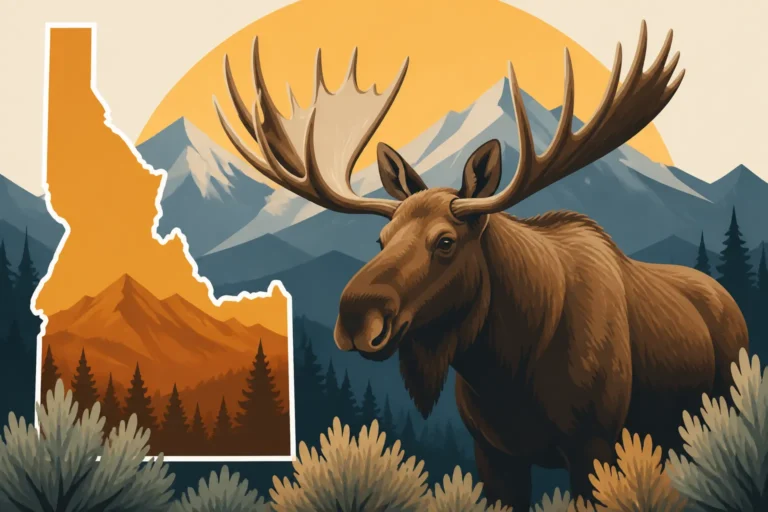
When it comes to moose in Idaho, the "once-in-a-lifetime" rule truly means just that for the species as a whole. Idaho is home to the Shiras moose (Alces alces shirasi), which is one of the smaller subspecies of moose found in North America. These magnificent animals typically inhabit high-elevation forests, riparian areas, and willow bottoms throughout central and northern Idaho, as well as parts of the southeast. If you are lucky enough to draw an Idaho Moose Is a Controlled Hunt You Wait Years For and harvest a Shiras moose, you will not be eligible to apply for another moose tag in Idaho ever again.
Unlike bighorn sheep, there aren't distinct, recognized subspecies of moose within Idaho that would warrant separate hunting opportunities under the state's regulations. While other moose subspecies exist globally (like the massive Alaska-Yukon moose or the Eastern moose), they simply don't naturally occur in Idaho. Therefore, the "per subspecies" nuance doesn't expand the opportunity for moose. Drawing a moose tag in Idaho is an incredibly rare event, often taking decades of applications, and the experience is considered the absolute pinnacle of a hunter’s journey for this species in the Gem State. The low odds for a moose tag mean that when When Moose and Sheep Applications Open in Idaho each April, hundreds, if not thousands, of hopeful hunters put their names in the hat for what will likely be their only opportunity.
Mountain Goat: A Singular Opportunity
Similar to moose, Idaho's mountain goat population is considered a single subspecies, the Rocky Mountain Goat (Oreamnos americanus americanus). Consequently, drawing an Idaho Mountain Goat Hunting Above Idaho Timberline tag and successfully harvesting one means your once-in-a-lifetime opportunity for mountain goat in Idaho is fulfilled. There are no other distinct mountain goat subspecies within the state’s borders that would allow for additional tags.
Mountain goat hunts are among the most physically demanding and logistically challenging hunts in Idaho, taking place in some of the state's most rugged and high-alpine environments. The limited number of tags issued each year reflects the sensitive nature of their populations and the desire to maintain sustainable numbers. The Idaho Mountain Goat Draw Odds Explained are incredibly slim, often even lower than for bighorn sheep in many units. Hunters who do draw a mountain goat tag typically dedicate immense time and effort to physical conditioning, scouting, and preparing for an arduous hunt in vertical terrain above timberline. This singularity of opportunity only amplifies the challenge and the profound sense of accomplishment for those who manage to secure and fill one of these truly special tags.
The Application Process for Trophy Hunts
Securing any trophy tag in Idaho is a monumental task, and the process itself can be a source of significant frustration and confusion for new and even seasoned applicants. Idaho operates on a lottery system without preference points for these coveted hunts, meaning every applicant, regardless of how many years they've applied, theoretically has the same chance each year. This makes the dream feel both incredibly distant and tantalizingly close. Understanding the ins and outs of this system, and when to apply, is paramount for anyone hoping to chase a bighorn, moose, or mountain goat.
Navigating the Controlled Hunt Draw
Idaho's trophy species—bighorn sheep, moose, and mountain goat—are exclusively managed through a controlled hunt draw system. This means you can't just buy a general tag over the counter for these animals; you have to apply in advance and be selected in a random drawing. The application period for these highly sought-after species typically opens in April, with a strict deadline around the end of the month. It's crucial to mark The April Deadline for Idaho Trophy Species on your calendar, as missing it means waiting another entire year.
Unlike many other Western states, Idaho Has No Preference Points, and What That Changes means there's no accumulating advantage for applying year after year. Every application, whether it's your first or your fiftieth, theoretically holds the same weight in the draw. This can be a double-edged sword: it means a newcomer could draw a coveted tag in their first year, but it also means a dedicated applicant might go decades without success. This system underscores the pure luck involved, and why Checking Idaho Drawing Odds Before You Apply is so important. When Idaho Releases Moose and Sheep Results, it’s a nail-biting experience, as these notifications determine who gets to live out a lifelong dream.
Understanding Drawing Odds and Long-Term Strategy
Let's be brutally honest: the drawing odds for Idaho's trophy species are astronomically low. For prime bighorn sheep units, moose, and mountain goat, odds can often be less than 1% for non-residents and only slightly higher for residents, even for those applying in what are considered "better" units. This reality can be disheartening, but it doesn't deter the truly dedicated. Many hunters adopt a long-term strategy, committing to applying year after year, sometimes for decades, recognizing that it's a marathon, not a sprint.
This strategy often involves careful research using tools like The Idaho Hunt Planner Is the Tool to Start With, which provides data on historical drawing odds, harvest success, and population trends. While there are no preference points, some units might have slightly better odds due to higher tag allocations or less applicant competition. This is where resources like GoHunt become invaluable. They compile detailed draw statistics and analysis, helping hunters decide which units might offer the least bad odds or align with their specific hunt preferences (e.g., whether they want to target a specific subspecies of bighorn sheep). The financial commitment is also a factor; each application requires a non-refundable license purchase and an application fee, so the cumulative cost over many years can be substantial. Despite the daunting odds, the possibility of drawing a once-in-a-lifetime (or twice-in-a-lifetime for bighorns) tag keeps the dream alive for countless hunters across the country.
Conservation and Management Implications
The seemingly complex rules around "once-in-a-lifetime" tags and subspecies aren't arbitrary bureaucratic hurdles. They are deeply rooted in sound conservation principles and a commitment to sustaining Idaho's incredible wildlife heritage for future generations. For the Idaho Fish and Game, every tag issued for a trophy species like bighorn sheep, moose, or mountain goat is a carefully calculated decision, balancing hunting opportunity with the long-term health and stability of these vulnerable populations. Understanding this underlying philosophy can help hunters appreciate the thought and science that goes into managing these precious resources.
Preventing Overharvest of Vulnerable Populations
The primary driver behind the strict "once-in-a-lifetime" rules, particularly when applied per subspecies, is the prevention of overharvest. Trophy species like bighorn sheep, moose, and mountain goats are often characterized by slower reproductive rates, specific habitat requirements, and populations that can be sensitive to environmental changes or excessive hunting pressure. By limiting hunters to one successful harvest per subspecies (or species, for moose and goats) over their lifetime, Idaho Fish and Game ensures that the cumulative impact of hunting remains sustainable.
For bighorn sheep, in particular, the distinction between Rocky Mountain and California bighorns allows for finely tuned management. If one subspecies is experiencing a population dip due to disease, habitat loss, or severe winter, managers can reduce tag quotas for that specific group without necessarily impacting the other. This granular approach, backed by ongoing scientific research and population surveys, is critical. Each year, wildlife biologists meticulously analyze population data—including herd health, recruitment rates, and habitat conditions—to recommend tag quotas that protect the long-term viability of these incredible animals. Without such strict controls, these populations could easily be depleted, leading to the loss of hunting opportunities for everyone.
Sustaining Hunting Opportunities for Generations
The goal of Idaho's conservation efforts isn't just to protect wildlife for its own sake, but also to ensure that the tradition of hunting these magnificent animals can continue for generations to come. The "once-in-a-lifetime per subspecies" framework plays a crucial role in achieving this balance. By carefully managing harvest and preventing over-exploitation, the state ensures that a healthy population remains available for future hunters to pursue. It's a long-term vision that requires sacrifice and patience from individual hunters in the present.
Furthermore, the significant revenue generated from hunting licenses and tag applications, especially for high-demand trophy species, directly funds crucial conservation work. This includes habitat improvement projects, disease monitoring, anti-poaching efforts, and scientific research—all of which benefit wildlife populations across the state. Every application fee, even for those who don't draw a tag, contributes to this vital cycle. So, while waiting decades for a bighorn or moose tag can be frustrating, hunters can take solace in knowing that their participation in the draw is an investment in the very wildlife they hope to pursue, helping to ensure that these species thrive in Idaho's wild landscapes long into the future.
Disclaimer
Please remember that hunting regulations, including those pertaining to "once-in-a-lifetime" tags and subspecies distinctions, can change. Always consult the most current official Idaho Fish and Game regulations or visit their website before planning any hunt or submitting an application. This article is for informational purposes only and does not constitute legal advice or official hunting regulations.