How Idaho Landowner Permission Slips Work
It's incredibly frustrating when you're geared up and ready for an Idaho hunting adventure, only to find prime areas inaccessible due to private land, or worse, accidentally stumble onto someone else's property. Understanding and properly securing landowner permission is not just about avoiding a ticket; it's about respecting property rights and maintaining the positive image of hunters. This guide will meticulously walk you through the nuances of Idaho's landowner permission slips, ensuring you're legally compliant and fostering good relationships for future hunts.
The Core Purpose of an Idaho Landowner Permission Slip
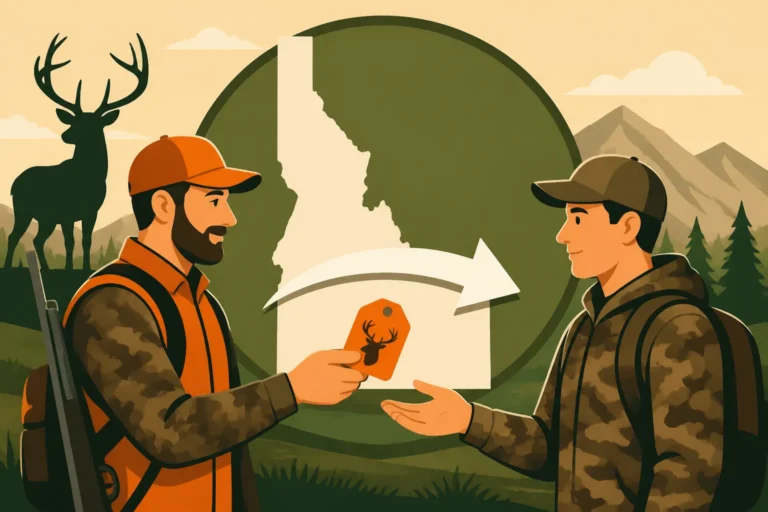
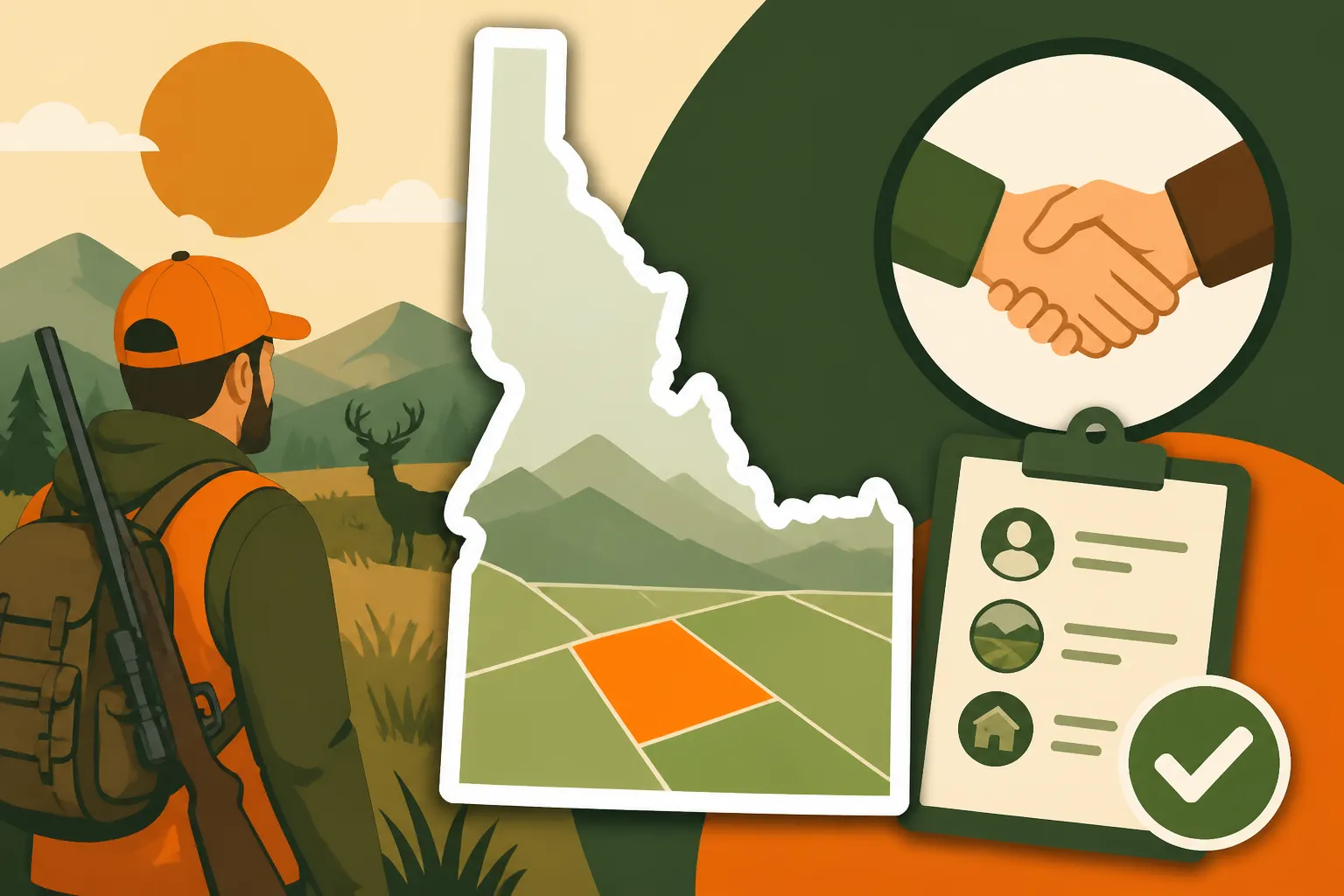
Navigating the patchwork of public and private land in Idaho can feel like a maze, and honestly, it’s a legitimate point of anxiety for many hunters. You spend hours e-scouting, only to realize that the basin you've targeted is bordered by private ranchland. That's where the Idaho landowner permission slip comes into play. It’s not just a piece of paper; it's your golden ticket to legal, ethical hunting on private ground, a clear demonstration of respect for the land and its owner.
Why Landowner Permission is Non-Negotiable
In Idaho, hunting on private land without the express permission of the landowner is trespassing, plain and simple. This isn't just an informal suggestion; it's a legal requirement that carries real consequences, from fines to the loss of hunting privileges. Think about it from the landowner's perspective: their property is their livelihood, their home, or their sanctuary. Uninvited guests, even well-meaning hunters, can cause damage, disturb livestock, or create safety concerns. Showing up with a pre-arranged, written permission slip demonstrates foresight and respect, immediately setting a positive tone. It clarifies boundaries, dates, and what exactly you're allowed to do, avoiding misunderstandings that can sour landowner-hunter relations for everyone. For detailed guidance on the specific legal boundaries, you might want to look into Trespass Law on Posted Idaho Property.
What a Valid Permission Slip Looks Like
A permission slip isn't a one-size-fits-all document; it's best when it's tailored to the specific agreement between you and the landowner. While Idaho Fish and Game might offer a basic template, the most effective slips are comprehensive. At a minimum, it should clearly state the names of the landowner and the hunter(s), the specific dates for which permission is granted, and a clear description of the property (often with a map or legal description). It should also specify what species can be hunted, what weapons are allowed (e.g., archery only, rifle), and any other rules the landowner has, such as no driving off established roads or specific entry/exit points. Without these critical details, a vague verbal "sure, go ahead" might not hold up if there's a misunderstanding or a game warden questions your presence.
Understanding the Legal Ramifications of Trespass
Let's be blunt: trespassing in Idaho is no joke. If you're caught hunting on private land without proper permission, you could face hefty fines, have your hunting license suspended or revoked, and even have your equipment confiscated. Beyond the immediate legal penalties, there's the long-term damage to your reputation as a hunter and, more broadly, to the perception of all hunters in the eyes of landowners. One bad apple can spoil the bunch, making it harder for other hunters to gain access in the future. Moreover, if you cause any damage to property or livestock while trespassing, you could be held liable for civil damages, adding financial woes to your legal troubles. Always err on the side of caution and ensure your permission is rock solid before stepping foot on private ground.
Steps to Secure Landowner Permission in Idaho
Getting permission isn't just about asking; it's about strategy, respect, and clear communication. Many hunters shy away from asking, assuming all private land is off-limits or that landowners will always say no. But with a thoughtful approach, you might be surprised at the opportunities that open up, especially in areas with significant private land holdings.
Identifying Huntable Private Property
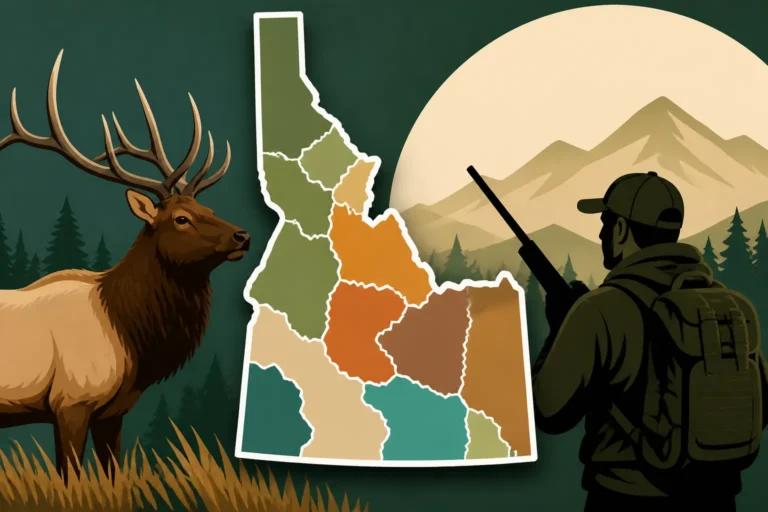
Before you even think about approaching a landowner, you need to know whose land you're looking at. This is where modern mapping tools become indispensable. Services like GoHunt or onX Hunt are game-changers, allowing you to overlay land ownership maps with satellite imagery, showing you exactly where public land ends and private property begins. These tools can also help you identify landowners, giving you a starting point for contact. Look for parcels that connect to public land, provide access to otherwise landlocked areas, or simply offer desirable habitat for the game you're pursuing. Don't forget to cross-reference these maps with the Idaho Hunt Planner Is the Tool to Start With to understand unit boundaries and species distribution. Identifying these "sweet spots" is the first critical step. You can read more about how to precisely identify land boundaries using various tools in Reading a Land Ownership Layer Correctly.
The Art of Approaching Landowners Respectfully
This is arguably the most crucial step. A cold call or an unannounced knock on the door can be off-putting. Start by doing your homework: find out the landowner's name, and if possible, learn a little about their operation. A brief, polite phone call or a letter of introduction can often be more effective than a surprise visit. When you do speak with them, be prepared, articulate, and respectful of their time. Clearly state your purpose, the game you're interested in, and the specific dates you'd like to hunt. Offer to share references, volunteer to help with a chore, or even offer to share some of your harvest. Be prepared for a "no," and accept it graciously without pushing. Remember, you're not just asking for access; you're building a relationship. Many landowners are more amenable to hunters who demonstrate respect and responsibility.
Crafting a Comprehensive Permission Slip
Once you've secured a verbal agreement, it's time to formalize it with a written slip. This protects both you and the landowner. You can find generic templates online, or sometimes the Idaho Department of Fish and Game offers one. However, it’s often best to create your own or customize a template to include all the specific details. This might include:
- Hunter Information: Full name, contact number, license number.
- Landowner Information: Full name, contact number, property address.
- Property Description: Legal description, unit number, map attached with boundaries clearly marked.
- Permitted Dates: Start and end dates for hunting access.
- Permitted Species: Which animals you are allowed to pursue.
- Permitted Weapons: Archery, rifle, muzzleloader, shotgun, etc.
- Specific Rules: Any restrictions on vehicle use (e.g., Can You Drive Off Road to Retrieve Downed Game), areas off-limits, gate closures, or access points.
- Indemnification Clause: A statement acknowledging the hunter assumes risk and releases the landowner from liability (often crucial for landowners).
- Signatures: Both hunter and landowner, with dates.
A well-crafted slip leaves no room for ambiguity, ensuring everyone is on the same page. Using a service like GoHunt can help you visualize the property boundaries for your map attachment.
Here’s an example of what a simple permission slip might contain:
| Section | Details to Include |
|---|---|
| Landowner Info | Full Name, Phone Number, Mailing Address |
| Hunter Info | Full Name, Phone Number, Mailing Address, Idaho Hunting License Number |
| Property Details | Legal Description (e.g., Township/Range/Section), Physical Address, GMU (Game Management Unit) Number. Attach a marked map. |
| Permitted Dates | From (MM/DD/YYYY) to (MM/DD/YYYY) |
| Permitted Activity | Hunting (specify species: e.g., Mule Deer, Elk, Pheasant), Scouting, Tracking, Game Retrieval |
| Allowed Weapons | Rifle, Shotgun, Muzzleloader, Archery, Crossbow (specify allowed calibers/draw weights if applicable) |
| Access Rules | Permitted entry/exit points (e.g., specific gate), Vehicle restrictions (e.g., park at gate, no off-road driving), No overnight camping, Avoid livestock areas, Close all gates. |
| Special Conditions | (e.g., Notify landowner before arriving, Pack out all trash, No open fires, Provide evidence of hunter education, Share contact for emergency, Specific times of day for hunting) |
| Liability Clause | Hunter acknowledges inherent risks and agrees to hold landowner harmless from injury or damage. |
| Signatures | Landowner Signature & Date, Hunter Signature & Date |
Common Pitfalls and Best Practices for Hunters
Even with a permission slip in hand, there are still ways things can go awry. Being proactive and thoughtful can prevent many common issues and help maintain that crucial positive relationship with the landowner. This isn't just about this year's hunt; it's about potentially securing access for years to come.
Misconceptions About Public Land Access Adjacent to Private
A common mistake hunters make, especially those new to Western states like Idaho, is assuming that if public land is adjacent to private land, they can automatically traverse the private parcel to reach the public ground. This is often not the case. Unless you have specific written permission to cross private land, even if it's just to get to public access, you are trespassing. This is particularly relevant in areas where public land might be "landlocked" by private holdings. Always consult detailed maps from sources like GoHunt or onX Hunt to understand the exact boundaries. Never assume a "county road" or "two-track" is public if it crosses private ground, especially if gates are present. It's on you, the hunter, to know where you are at all times.
The Importance of Communication and Follow-Through
A permission slip is a contract, but ongoing communication makes the relationship thrive. Always notify the landowner before you arrive and when you leave. If you harvest an animal, inform them and, if applicable, offer to share some of the meat or a photo. If you notice anything amiss on their property—like a broken fence, downed timber, or suspicious activity—let them know. This demonstrates that you're not just there to hunt but that you also care about their property. Leaving the property cleaner than you found it, packing out all trash, and being mindful of livestock are non-negotiable courtesies. These small acts of follow-through build trust and increase the likelihood of future access, distinguishing you as a responsible hunter.
Building Long-Term Relationships with Landowners
The goal isn't just a one-time hunt; it's about establishing a lasting connection. Over time, a trusted relationship with a landowner can become an invaluable asset. This means not only adhering to all the rules on the permission slip but also perhaps offering a helping hand outside of hunting season. Maybe you can help with fence repair, weed control, or even just sharing insights on game movement you observed. A small gesture of appreciation, like a gift certificate to a local store or a useful tool, can also go a long way. Think of yourself as a guest in their home; respect, gratitude, and responsibility are key. This kind of relationship benefits everyone, opening up opportunities that simply aren't available to the average hunter.
Navigating Specific Situations and Resources
Beyond the general approach, there are specific scenarios and tools that can either simplify or complicate the process of gaining private land access in Idaho. Being aware of these can save you time, effort, and potential legal headaches.
Retrieving Game from Private Land
Imagine this scenario: you make a perfect shot on a magnificent bull elk, but it bolts, crossing a fence onto private property. What do you do? This is a high-stress situation where having a prior relationship or clear understanding of landowner expectations is critical. In Idaho, you cannot automatically pursue wounded game onto private land without permission. Doing so is trespassing. Your best course of action is to contact the landowner immediately, explain the situation, and respectfully request permission to retrieve your animal. If you had the foresight to discuss this possibility when obtaining your initial permission slip, you're in a much better position. This clause can sometimes be added to your initial permission slip, outlining the process for game retrieval. Otherwise, a quick and polite call is your only legal option. Don't be afraid to read up on this specific issue by checking out Retrieving Game From Private Land in Idaho.
Special Programs Like Access Yes
Idaho recognizes the challenge of private land access, and programs like "Access Yes!" are designed to help. This program, administered by Idaho Fish and Game, provides financial incentives to private landowners who open their land to public hunting and fishing. These lands are often marked with distinctive "Access Yes!" signs. While this isn't the same as obtaining a personal permission slip from a specific landowner, it significantly expands hunting opportunities on private ground. You can find detailed maps and information about these properties through the Idaho Fish and Game website or in tools like GoHunt, which often integrates these layers. Understanding and utilizing Access Yes! can be a game-changer, providing new opportunities, especially for species like pheasants or ducks on agricultural lands. Learn more about it by reading Access Yes Opens 328,000 Private Acres in Idaho.
Tools for Identifying Land Ownership
In today's digital age, you have incredible resources at your fingertips to identify land ownership, which is the foundational step for obtaining permission. As mentioned, apps like GoHunt and onX Hunt are invaluable. These platforms offer detailed topographic maps, satellite imagery, and, crucially, land ownership overlays that clearly differentiate public, private, state, and tribal lands. They can even provide landowner names and sometimes contact information. Beyond these apps, county assessor's offices maintain public records of property ownership, which can be accessed online or in person. Learning how to use these tools effectively is paramount for any hunter serious about maximizing their opportunities. You can scout from your couch, identify potential private land access points, and research landowners before making any contact. Understanding Using onX Layers for Idaho Public Land is a definite advantage here.
Disclaimer
The information provided in this article is for general guidance only and does not constitute legal advice. Hunting regulations, trespass laws, and land ownership details in Idaho can change. Always consult the most current Idaho Fish and Game regulations and, if necessary, seek legal counsel regarding specific situations.