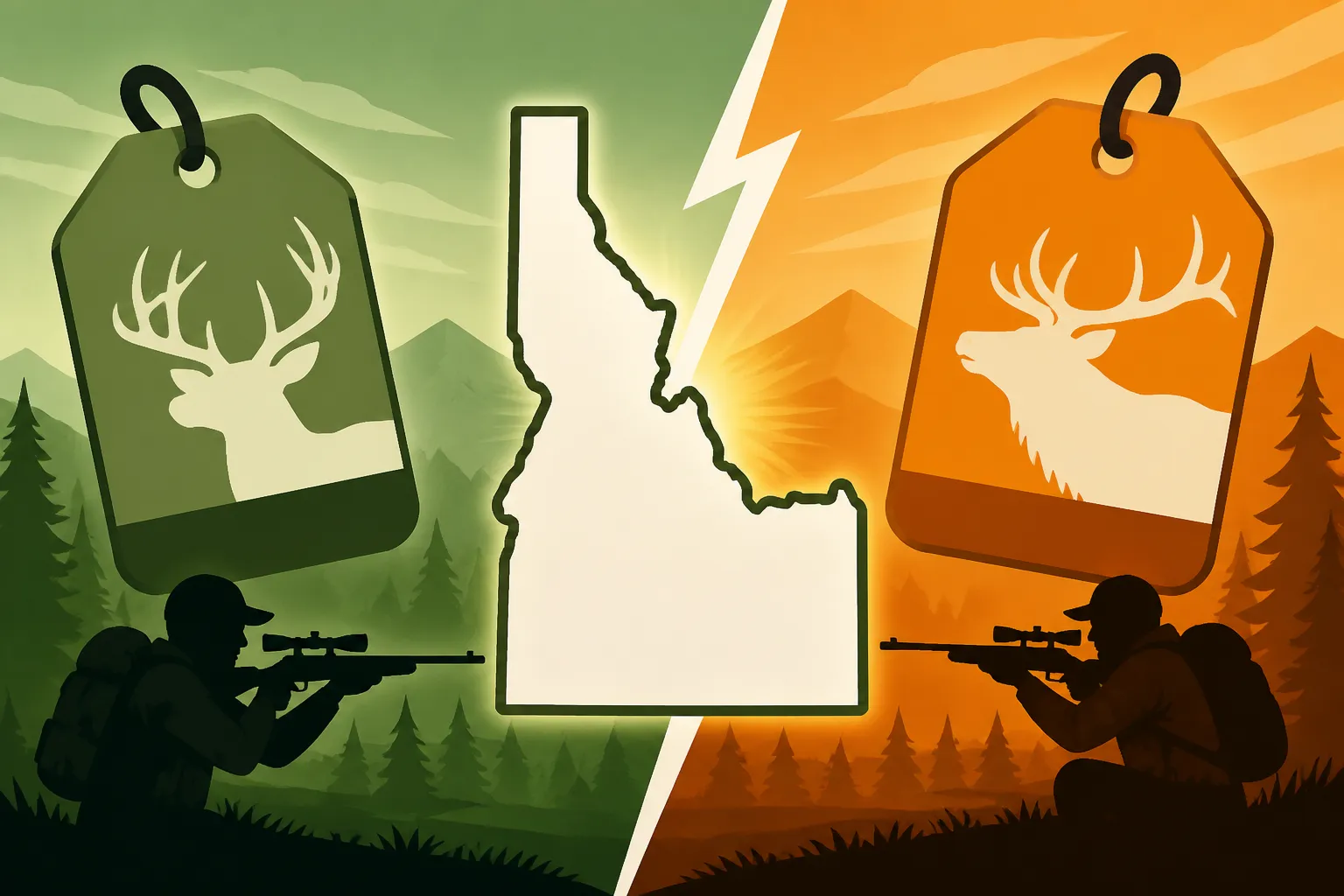
Idaho A Tag Against B Tag for Rifle Hunters
You’ve finally decided to pull the trigger on an Idaho elk hunt, picturing yourself glassing steep timbered slopes for a bull, rifle slung, ready for action. But then you hit the Idaho Fish and Game website, and suddenly you’re staring at "A Tags" and "B Tags," and your head starts to spin. What’s the difference, especially when you prefer to hunt with a rifle? It’s a common point of confusion, and understanding these two tag types is absolutely critical to planning a successful Idaho elk hunt with your rifle.
Understanding Idaho's General Elk Tags: A Tags vs. B Tags
When you're looking at general season elk tags in Idaho, you'll inevitably encounter the "A Tag" and "B Tag" system. This isn't just arbitrary nomenclature; it's a foundational element of how Idaho manages its elk hunting opportunities, particularly when it comes to balancing pressure across different weapon types and ensuring diverse experiences for hunters. These tags are for general hunts, meaning they don't require you to draw in a controlled hunt lottery, though availability for nonresidents can be limited, especially for popular choices.
The Core Distinction: Seasons and Weapon Types
At its heart, the A Tag and B Tag system is designed to distribute hunting pressure and provide opportunities across different weapon preferences. Historically, A Tags tend to lean towards opening opportunities for archery and muzzleloader hunters earlier in the season, often when the elk rut is more active or accessible. B Tags, on the other hand, are typically aligned with the more traditional rifle seasons that occur later in the fall. However, this isn't a hard and fast rule that says "A Tag = no rifle" or "B Tag = rifle only." The crucial detail lies in when the seasons for each weapon type fall within a specific elk zone, and more importantly, what kind of bull you're allowed to harvest. Many hunters consult resources like GoHunt to understand these nuances.
Elk Zones and How They Apply
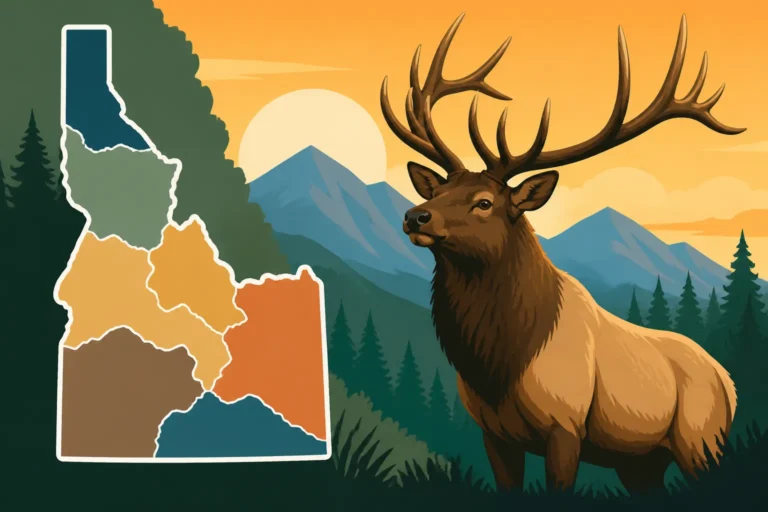
Idaho's elk hunting landscape is divided into numerous elk zones, and within each zone, specific hunt units (GMUs) exist. The availability of A Tags and B Tags, and the specific regulations tied to them, can vary significantly from one elk zone to another. One zone might offer robust B Tag opportunities for rifle hunters, while an adjacent zone might have only spike-only rifle seasons under an A Tag. This localized variation means that understanding a tag type in isolation isn't enough; you must also consider the specific zone you're interested in. For a deeper dive into how these zones are structured, check out our guide on Idaho Elk Zones and the A Tag or B Tag Choice. Some zones, known as Capped Elk Zones, have unique rules and tag limits that further complicate the choice, especially for those looking for specific experiences.
Deciphering the Idaho A Tag for Rifle Hunters
Many rifle hunters see "A Tag" and immediately dismiss it, assuming it’s exclusively for archers or muzzleloader enthusiasts. While it's true that A Tags often provide prime early-season opportunities for these weapon types, it doesn't necessarily mean there's no rifle hunting to be done with an A Tag. However, the rifle opportunities under an A Tag are typically much more restrictive, often designed to reduce pressure on mature bulls or to coincide with periods when elk are harder to find.
Rifle Seasons Under an A Tag: The Spike-Only Reality
For rifle hunters holding an A Tag, the most common scenario you'll encounter is a "spike-only" bull restriction. This means you are legally allowed to harvest an elk, but it must be a spike bull (typically defined as having antlers no more than six inches long on at least one side, with no branching). This is a significant difference from "any-bull" seasons, where you can harvest any legal bull, regardless of antler configuration. These spike-only rifle seasons usually occur later in the fall, often after the primary archery and muzzleloader seasons have concluded. The intent here is to spread out the harvest, giving archery and muzzleloader hunters a crack at older bulls during the rut, and then allowing rifle hunters to participate with a more selective harvest. Our guide on Spike-Only Bull Rules Inside Idaho A Tag Seasons goes into more detail about these regulations.
Imagine you've drawn an A Tag for a popular unit. You show up in late October with your rifle, only to realize that the "any-weapon" season that allows for any bull has long passed, and now you're limited to only a spike. This can be a real disappointment if you were hoping for a chance at a mature bull. It's not impossible to find spikes; in fact, it can be a fantastic hunt focused on meat and scouting younger animals. However, it requires a different mindset and strategy compared to hunting for a large, mature bull.
Why Rifle Hunters Might Choose an A Tag Anyway
Despite the restrictions, there are legitimate reasons why a rifle hunter might opt for an A Tag. Sometimes, an A Tag offers access to a specific unit or elk zone that doesn't have B Tag availability, or the B Tags for that unit sell out incredibly fast. For hunters primarily focused on meat and not necessarily a trophy bull, a spike-only rifle season can be a great option. It often means less competition in the field compared to the frenzy of an any-bull B Tag season.
Furthermore, an A Tag might allow you to hunt a specific area during a less crowded time. Perhaps you want to scout a particular piece of public land during the early archery season, and then come back later in the spike-only rifle season. Or maybe you're combining your elk hunt with other species, and the A Tag rifle season fits better into your overall schedule. It’s also worth noting that some A Tag units might offer a very short "any-weapon, any-bull" window, often for only a few days, so diligent research using tools like the Idaho Hunt Planner is key to uncovering these limited opportunities. For those who enjoy the challenge of a more restrictive hunt, or who are exploring new areas, an A Tag can present unique and rewarding experiences.
The Idaho B Tag: A Rifle Hunter's Primary Choice
For the vast majority of rifle hunters dreaming of an Idaho elk hunt, the B Tag is going to be your go-to option. These tags are specifically designed to accommodate traditional rifle hunting seasons, offering broader opportunities for harvesting an "any-bull" across many of Idaho's prime elk country. If you're looking to hunt during the classic October or November rifle windows with the chance at a mature bull, the B Tag is almost certainly what you'll be after.
Any-Bull, Any-Weapon Seasons: The Appeal of the B Tag
The primary draw of an Idaho B Tag for rifle hunters is access to "any-bull, any-weapon" seasons. This means you can use your rifle during designated season dates and pursue any legal bull elk, without the spike-only restriction. These seasons are often strategically placed in the fall to coincide with periods when elk might be more concentrated or vulnerable due to colder weather or post-rut behavior, or simply to provide a more general opportunity. This is where most hunters envision their classic Western elk hunt, navigating the timber and breaks with their centerfire rifle. You can find more details on these opportunities in Any-Bull Any-Weapon Seasons Under an Idaho B Tag.
For example, imagine scouting a specific unit in the Lolo Zone during September, and identifying a fantastic bull. With a B Tag, you can often return in October or November, rifle in hand, with a legitimate chance to pursue that same bull. This flexibility and increased opportunity for harvesting a larger bull make B Tags incredibly popular. Many hunters use comprehensive platforms like GoHunt to analyze historical harvest data and drawing odds, helping them identify zones with strong B Tag success rates and less pressure. If your focus is on a traditional rifle hunt for any bull, a B Tag offers the most direct path. Our article B Tags Favor the Centerfire Rifle Crowd further elaborates on why these tags are so popular among rifle hunters.
Navigating B Tag Draw Odds and Availability
While B Tags offer fantastic opportunities for rifle hunters, their popularity often means they come with their own set of challenges, particularly for nonresidents. In many desirable elk zones, B Tags can sell out very quickly when they go on sale. For nonresidents, Idaho's system for allocating general deer and elk tags includes a draw, and the number of available nonresident tags is limited, so competition can be fierce. It's crucial to be aware of the Idaho General Elk Season Openers Across Idaho Zones and the tag sale dates, as being prepared can be the difference between getting a tag and being shut out.
Idaho also has no preference points system, which means every applicant for a general nonresident tag has an equal chance, regardless of how many years they've applied. While this is great for first-time applicants, it also means there's no accumulated advantage for loyal applicants. Using resources like GoHunt can help you analyze past sell-out dates and drawing odds, giving you a realistic picture of your chances. Sometimes, the most popular B Tag units might be extremely difficult to get, pushing hunters to consider less-pressured areas or even explore controlled hunt applications if they're willing to wait. The total cost of a nonresident Idaho elk hunt, including the license and tag, is also a significant factor to consider.
Making Your Choice: A Rifle Hunter's Strategy
Choosing between an A Tag and a B Tag as a rifle hunter isn't a decision to be made lightly. It fundamentally shapes your hunting experience, from the time of year you hunt to the type of bull you can legally pursue. It’s not about one being inherently "better" than the other, but rather which tag aligns best with your personal goals, available time, and willingness to adapt.
Assessing Your Hunting Goals and Unit Research
Before you even look at the calendar, sit down and honestly assess what kind of elk hunt you're after. Are you looking for any bull, with a focus on a mature animal? Then a B Tag is likely your path. Are you perfectly happy with a spike bull, prioritizing meat and a less crowded experience, or perhaps hunting a specific area with limited B Tag options? An A Tag might be a surprisingly good fit.
Once you have a clear goal, the next step is intensive unit research. The Idaho Fish and Game website's hunt planner is an invaluable tool, but supplementing it with advanced platforms like GoHunt can provide even deeper insights. You'll want to:
- Check regulations for specific units: Don't just look at "A Tag" or "B Tag" in general. Drill down into the specific elk zone and unit you're considering. Check the exact season dates for rifle hunting, and critically, note the "any-bull" versus "spike-only" restrictions.
- Analyze harvest statistics: Look at past success rates for rifle hunters in those units. Are hunters consistently finding success? What's the ratio of spike bulls to any bulls harvested during the general rifle seasons? Understanding Reading an Idaho Harvest Statistics Report can provide significant context.
- Evaluate public land access and terrain: Consider the type of country you'll be hunting. A heavy timber unit might favor a shorter-range rifle, while open breaks require something different. Our guide on Choosing a Rifle for Idaho's Timber and Breaks can help here.
- Consider hunting pressure: Popular units with great B Tag opportunities often see more hunters. If solitude is a high priority, you might have to dig deeper into lesser-known units or accept more restrictive A Tag opportunities.
The Draw and Application Process
For nonresidents, the journey to an Idaho elk tag begins with the application period. While Idaho doesn't run a preference points system, understanding the application dates and the process for purchasing a drawn tag is critical. Idaho Runs No Preference Point System means every year is a fresh start, so don't get discouraged if you've been unsuccessful in the past.
You'll typically apply for your nonresident license and then for your general season elk tag (either A or B) during the designated application window. It's crucial to confirm these dates each year on the Idaho Fish and Game website. If you're successful in the draw, you'll then need to purchase your tag by a specific deadline. If you miss this, your tag might be re-released, creating opportunities for other hunters. Knowing When Idaho Controlled Hunt Applications Open and the various deadlines is paramount.
When making your final decision, consider this simple table comparing the typical experience for rifle hunters:
| Feature | Idaho A Tag (Rifle Hunter) | Idaho B Tag (Rifle Hunter) |
|---|---|---|
| Typical Bull Harvest | Primarily spike-only bull opportunities | Primarily any-bull opportunities |
| Season Dates | Often later in fall, after archery/muzzleloader seasons | More traditional October/November rifle seasons |
| Hunting Pressure | Generally lower during rifle seasons (due to restrictions) | Can be higher, especially in popular "any-bull" units |
| Opportunity for Large Bull | Very limited to spike-only | High opportunity for mature bulls (depending on unit) |
| Nonresident Availability | May be easier to secure in some units | Can sell out quickly; higher competition in draw |
| Strategy Focus | Meat hunt, specific unit access, less competition | Trophy potential, traditional rifle hunt, wider bull options |
Ultimately, the choice comes down to you. Don't be afraid to delve deep into the regulations, use all the available tools like the Idaho Hunt Planner and GoHunt, and talk to other experienced hunters. With careful planning and a clear understanding of what each tag offers, you can confidently pursue your Idaho elk hunting adventure with your rifle.
Disclaimer
Please be aware that hunting regulations, season dates, and tag availability can change annually. While we strive to provide the most current and accurate information, it is always your responsibility to consult the official Idaho Fish and Game regulations directly before planning and executing any hunt. This article is for informational purposes only and should not be considered legal or definitive advice.