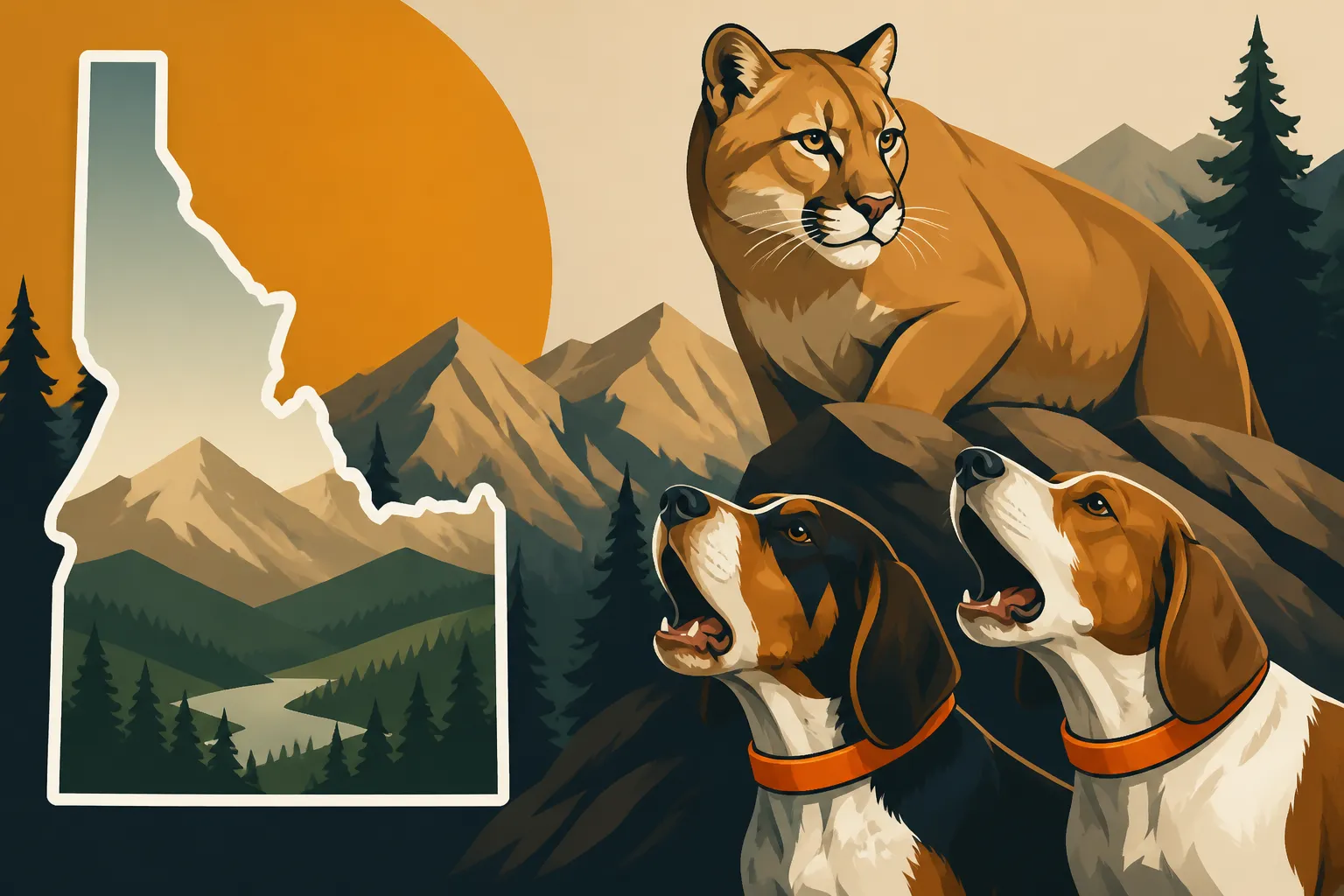
Idaho Hound Rules for Mountain Lion Hunting
Trying to make sense of all the different regulations when it comes to hunting mountain lions in Idaho with hounds can feel like untangling a ball of yarn after a kitten got to it. It’s not just about turning your dogs loose; there’s a whole framework of rules, ethical considerations, and practical logistics to navigate. This guide is going to walk you through everything you need to know about Idaho’s specific rules for hound hunting mountain lions, from what permits you need to how to report your harvest.
Understanding Idaho's General Approach to Lion Hunting
Idaho has a robust population of mountain lions, also known as cougars or pumas, across much of the state, from the northern timber to the rugged southern breaks. Managing this population is a balancing act, aimed at maintaining healthy lion numbers while also protecting ungulate herds like deer and elk. For many years, hunting with hounds has been a cornerstone of lion management, offering a unique and often effective method for hunters.
Why Mountain Lions Are Hunted with Hounds
Historically, and even today, hunting mountain lions with hounds is incredibly effective because these elusive predators are notoriously difficult to spot and stalk in their natural, often dense and mountainous habitats. Lions are masters of stealth, moving quietly through timber and rocky terrain. Hounds, with their exceptional scenting abilities, can pick up a cold track, follow it for miles, and eventually tree or bay a lion, allowing the hunter to approach. This method also provides an opportunity for hunters to assess the animal before harvest, helping to ensure selective take, especially in areas where specific quotas or management goals are in place. Without hounds, lion harvest rates would be significantly lower, making effective population management much harder to achieve.
The Role of Quotas and Seasons in Management
Idaho manages its mountain lion population through a system of regulated hunting seasons and harvest quotas. These quotas are set annually by the Idaho Department of Fish and Game (IDFG) for specific Game Management Units (GMUs) or larger regions to ensure sustainable harvest levels. Once the quota for a particular area is met, that unit or zone closes to lion hunting immediately, regardless of the published season end date. This means hunters need to be hyper-aware of closures, checking the IDFG website or calling a regional office regularly, perhaps even using a mapping tool like GoHunt to keep track of their target unit. These quotas are a critical tool for managing localized populations and ensuring that harvest remains within biological limits, preventing overharvest in any single area.
Specific Hound Rules for Mountain Lion Hunting in Idaho
When you decide to chase a lion with dogs in Idaho, you're stepping into a specific set of regulations designed to ensure fair chase, responsible hunting, and the welfare of both the quarry and your canine companions. These rules aren't just suggestions; they're legal requirements that every hound hunter must understand and follow.
Licensing and Permits for Hound Hunters
First and foremost, before you even think about releasing a dog, you need the right paperwork. This means a valid Idaho hunting license and a mountain lion tag. Beyond that, Idaho requires a specific "Hound Hunter Permit" if you plan to use dogs to hunt mountain lions or bear. This permit isn't just a formality; it signifies that you understand and agree to abide by the specific rules governing the use of hounds.
It's also crucial to remember that general hunting licenses and tags often have specific seasons and unit restrictions. You might need to check the current regulations carefully, possibly using resources like The Idaho Hunt Planner Is the Tool to Start With, to ensure your chosen unit is open for lion hunting with hounds. This permit ensures that the state can track hound hunting activity and enforce responsible practices, contributing to the overall integrity of the hunt. Make sure you carry all your licenses and permits with you in the field, ready for inspection, because game wardens do check.
Requirements for Your Hounds
Your hunting dogs aren't just tools; they're part of your hunting team and are subject to certain rules themselves. While Idaho doesn't typically require specific hunting dog licenses beyond the Hound Hunter Permit for the owner, there are expectations for their use. All dogs must be leashed or under direct control until a track is found and it's appropriate to release them. This prevents dogs from running loose, harassing non-target wildlife, or trespassing.
When the chase is on, it's vital that your hounds are properly identified. This usually means collars with your contact information. If a dog gets lost, this can be the only way to get them back. Remember, these hunts can cover vast, rugged terrain, and dogs can get separated from their handlers. Additionally, ensuring your dogs are healthy and well-conditioned is paramount. A fit dog is less likely to get injured or exhausted during a strenuous chase, especially in the steep, timbered country where lions often reside. It's an ethical responsibility to ensure your dogs are up to the task and not put in harm's way unnecessarily.
Restrictions on Hound Use
Idaho has clear lines drawn about what you can't do when using hounds to hunt mountain lions. One of the most significant restrictions is the prohibition against hunting during a closed season or after a unit's quota has been met. This sounds obvious, but with quotas closing on short notice, it requires diligent checking. You cannot release your hounds to pursue a lion if the season is closed or the quota is filled for that specific Game Management Unit. This also extends to pursuing a lion that you know, or reasonably suspect, to be protected (e.g., a mother with dependent kittens, if specifically protected, though Idaho regulations usually focus on adult lions).
It's also generally prohibited to use motorized vehicles to actively pursue or locate a lion track once the chase has begun. Idaho's Motorized Hunting Rule Keeps You on the Road means you can drive to an area, but once you release your dogs and begin the hunt, the pursuit must be on foot. There are also rules against harassing wildlife with hounds outside of a legal hunting season. These restrictions are in place to uphold the principles of fair chase and prevent unethical or unsporting practices, ensuring the hunt remains challenging and respectful of the animal.
| Aspect | Requirement/Rule | Notes |
|---|---|---|
| Hunter License | Valid Idaho Hunting License | Required for all hunters, resident and nonresident. |
| Species Tag | Valid Mountain Lion Tag | Specific tag for mountain lion; can be purchased over the counter in most areas, but subject to quotas. |
| Hound Permit | Idaho Hound Hunter Permit | Required in addition to hunting license and lion tag, specifically for using hounds for bear or lion. |
| Quota Monitoring | Mandatory checking of IDFG Quota Hotline/Website | Quotas close units immediately; hunters are responsible for checking status before and during the hunt. Refer to Mountain Lion Quota Areas Explained. |
| Dog Identification | Dogs must wear collars with owner contact info | Essential for recovery of lost dogs in rugged terrain. |
| Vehicle Use | No motorized pursuit of lions once hounds are released | Motorized travel is generally limited to established roads. |
| Ethical Chase | Avoid undue stress/injury to lion; proper shot placement | Hunters are expected to ensure a quick, humane harvest once the lion is treed or bayed. |
| Harvest Reporting | Mandatory harvest report within 10 days; skull/pelt validation within 10 days | Critical for biological data collection and proper management. See Idaho Mountain Lion Harvest Reporting Rules and Idaho Mountain Lion Pelt Tagging Rules. |
Legalities and Logistics of Using Hounds
Beyond the immediate act of hunting, there are several crucial legal and logistical steps that hound hunters must adhere to in Idaho. These administrative requirements are just as important as the field regulations for ensuring compliance and contributing to effective wildlife management.
Reporting Requirements After a Harvest
Once you've successfully harvested a mountain lion with your hounds, your work isn't over. Idaho Fish and Game mandates strict reporting procedures. First, you must report your harvest to IDFG within 10 days of the kill. This is typically done online or by phone. But that's not all; the carcass (specifically the skull and hide with evidence of sex naturally attached) must be presented to an IDFG regional office or designated vendor for validation and sealing within 10 days as well. This allows biologists to collect critical data, such as sex, age, and location of harvest, which feeds directly into their management models for setting future quotas and seasons. Failing to properly report and validate your harvest can result in fines and loss of hunting privileges. This process is fully detailed in Idaho Mountain Lion Harvest Reporting Rules. It’s a vital step that ensures accurate population data for future seasons.
Unit-Specific Regulations and Changes
Idaho's hunting regulations are dynamic and can vary significantly from one Game Management Unit (GMU) or Elk Zone to another. While the general rules for hound hunting apply statewide, specific quotas, season dates, and even special restrictions can differ locally. For example, some units might have earlier closures due to high hunter pressure or specific management objectives. Using tools like GoHunt's map layers can be incredibly helpful for visualizing these unit boundaries and overlaying current regulation data.
It is the hunter's responsibility to know the specific regulations for the unit they are hunting before they go into the field. Regulations are updated annually, and sometimes mid-season changes occur, particularly with quota-based hunts. Always consult the most current Idaho Big Game Hunting Seasons and Rules brochure, available on the IDFG website or at license vendors. This continuous checking is crucial, as ignorance of a regulation is never a valid excuse for non-compliance.
Ethical Considerations for Hound Hunting
Beyond the letter of the law, ethical hunting practices are paramount when using hounds. A treed or bayed lion is in a vulnerable position. It's the hunter's responsibility to ensure a quick, humane harvest. This means choosing your shot carefully, even if it requires waiting for the animal to present a better angle. It also means managing your dogs so they don't unduly stress or injure the lion once it's cornered.
Furthermore, hound hunting often involves pursuing an animal across vast tracts of land, sometimes entering areas that may have other wildlife, livestock, or even private property. Maintaining control of your dogs and being mindful of your surroundings is critical. Knowing and respecting property boundaries, especially if you're Hunting National Forests and BLM Ground, is key. If your dogs stray onto private land, you need to be prepared to retrieve them respectfully and with permission if necessary. The ethical hound hunter prioritizes the welfare of the animal, the safety of their dogs, and respect for other land users.
Practical Considerations for a Successful Hound Hunt
Hunting mountain lions with hounds is a physically demanding and skill-intensive endeavor. It requires not only a deep understanding of the regulations but also significant preparation, both for yourself and your dogs. Thinking through the practicalities before you head into the mountains can make all the difference between a frustrating trip and a successful, rewarding hunt.
Training and Conditioning Your Dogs
You can't just throw any dog into a lion hunt and expect success. Lion hounds are specialized animals, bred and trained for specific tasks: trailing a scent, enduring long chases, and holding an animal at bay or treed without harming it. This takes years of dedicated training. Puppies might start by trailing domestic animals or coons to develop their nose and voice. As they mature, they're exposed to more challenging scenarios, often alongside experienced older hounds. Consistency and patience are key.
Physical conditioning is equally vital. Idaho's lion country is steep, rocky, and often snow-covered. Your dogs need to be in peak physical condition to cover miles of rough terrain, sometimes through deep snow, for hours on end. This means regular exercise, a high-quality diet, and routine veterinary care. Think of it like training an athlete; you wouldn't expect a couch potato to run a marathon, and you shouldn't expect an out-of-shape dog to successfully run a lion. Neglecting their conditioning is not only ineffective but also unfair to your loyal hunting companions.
Navigating Idaho's Rugged Terrain with Hounds
Idaho offers incredibly diverse and challenging terrain. From the dense, steep timber of the Panhandle National Forests to the expansive, rugged breaks of the Salmon River, lion hunting with hounds will test your endurance and navigation skills. You'll often find yourself far off any trail, tracking your dogs through thick brush, over downed timber, and up steep inclines. A good GPS unit, reliable mapping software (again, GoHunt is a great choice for this), and the ability to read a topographical map are essential. You'll need to know where your dogs are at all times, predict where they might lead you, and plan your approach.
Weather also plays a huge role. Snow cover, while making tracks easier to find, can also make travel arduous and dangerous, both for you and your dogs. Being prepared for rapidly changing conditions, carrying adequate water and food, and having a plan for emergencies are non-negotiable. Knowing about specific land features or even Pack Stock Rules Inside Designated Wilderness can become relevant if your pursuit takes you into such areas. The wild spaces of Idaho, like Hunting the Frank Church River of No Return, are truly remote and demand respect and thorough preparation.
Working with an Outfitter or Experienced Hunter
If you're new to hound hunting for mountain lions in Idaho, or even just new to the state's specific terrain and regulations, consider working with an experienced outfitter or a seasoned local hunter. Outfitters specializing in lion hunts often have well-trained dog packs, intimate knowledge of specific units, and the logistical support (like horses or mules) to access remote areas. They can teach you the ropes, help you understand lion behavior in Idaho, and guide you through the intricacies of a chase.
Even if a fully guided hunt isn't in your budget, finding a mentor can be invaluable. This might be a friend who has successfully hunted lions with hounds for years or someone you meet through local hunting clubs. Learning from those with experience can shorten your learning curve, prevent common mistakes, and ensure you're hunting safely and ethically. Remember, even if you are an adult, if you were Anyone Born After 1974 Needs Idaho Hunter Education, and some of those lessons carry over into ethical conduct and safety no matter the type of hunt.
Disclaimer
Please note that hunting regulations, seasons, and quotas are subject to change by the Idaho Department of Fish and Game. While this guide aims to provide accurate and up-to-date information, it is your responsibility to consult the most current official Idaho Fish and Game hunting regulations before participating in any hunting activity.