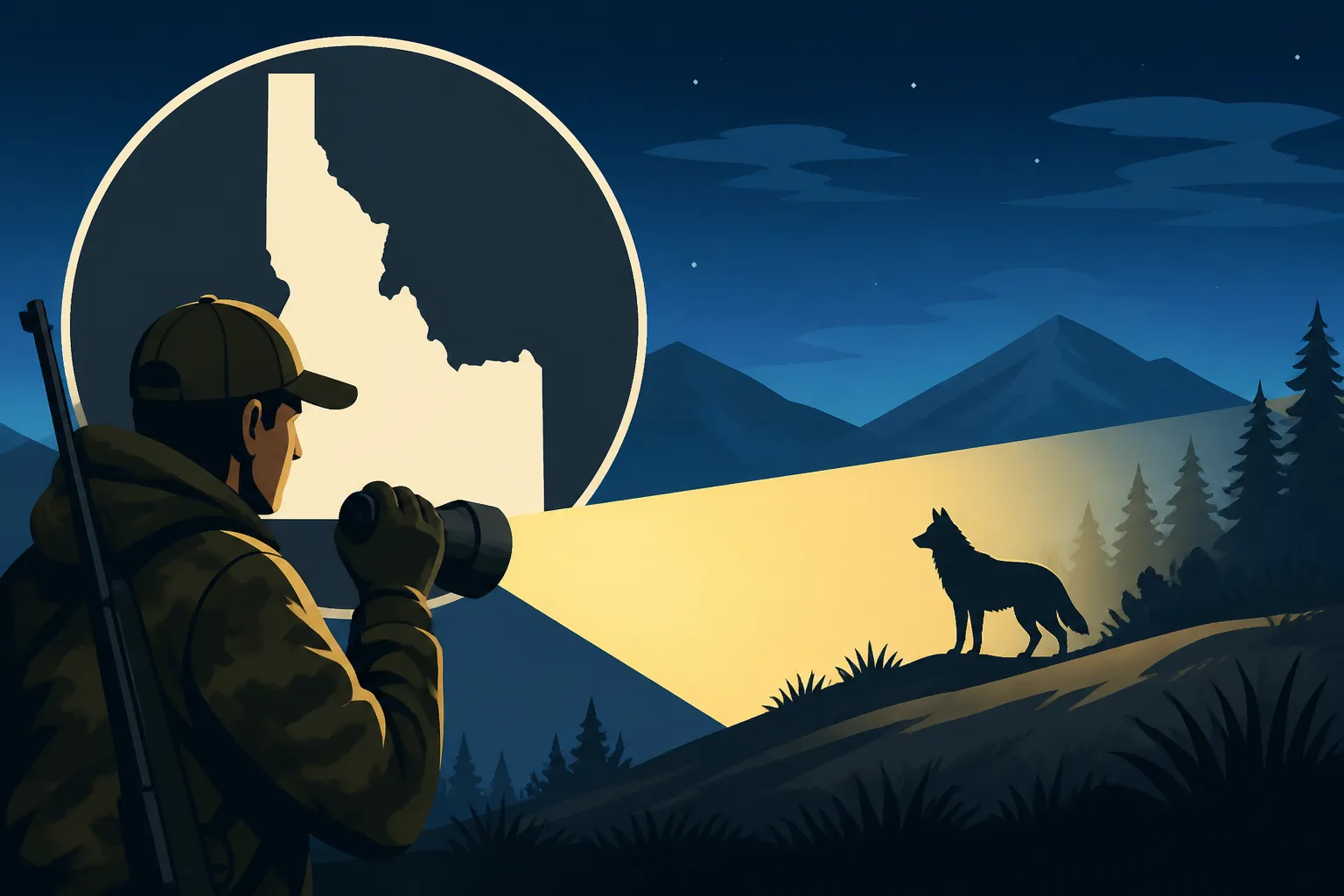
Idaho Spotlighting Rules for Predator Hunting
Navigating the world of Idaho hunting regulations can feel like trying to solve a Rubik's Cube in the dark, especially when you start looking into specific methods like spotlighting for predators. It’s easy to get confused about what’s allowed, what’s strictly off-limits, and why. This guide is here to shed some light on Idaho's spotlighting rules for predator hunting, helping you understand the nuances so you can hunt legally, ethically, and effectively without stepping into any unintended trouble.
Understanding Idaho's General Spotlighting Regulations
Let's get one thing straight from the get-go: Idaho has pretty firm rules about using artificial light when you're hunting, and for good reason. The main goal is to prevent unethical or unsafe practices, particularly regarding big game. No one wants to see a trophy elk or deer taken under the cover of darkness, or worse, have a hunter mistake an animal for a person in low light conditions.
The Night Hunting Ban for Big Game
The absolute core of Idaho's spotlighting rules is the unwavering prohibition against using artificial lights to locate, observe, or take big game animals. This isn't just a suggestion; it's a hard-and-fast rule. Whether you're driving down a county road with your headlights sweeping a field or using a powerful handheld spotlight, if you're doing so with the intent to spot deer, elk, or other large game, you're breaking the law. This rule protects big game populations and ensures fair chase principles are upheld. Imagine trying to hunt elk fairly if everyone was just driving around at night with spotlights! It would be chaos and incredibly detrimental to wildlife. This is why Idaho has strict regulations on legal shooting hours for big game, typically from one-half hour before sunrise to one-half hour after sunset, depending on the season and species. Anything outside that window, especially with artificial light, is a no-go for big game.
General Rules for Using Artificial Light
Beyond big game, there are broader implications for using artificial light. You can't just cruise down public roads shining a light into fields and timber, even if you claim you're not looking for big game. Idaho law specifically addresses casting a "ray of light" on any big game animal, domestic animal, or person, particularly from a motor vehicle or public roadway. This often leads to a lot of frustration for hunters who just want to scout or enjoy the evening, but it's a critical safety and ethical measure. The intent behind the light use is what matters most here. If your light hits a deer and you're known to be hunting, even if you say you weren't looking for it, you could still find yourself in a tricky situation. It's a fine line to walk, and Idaho Fish and Game officers are trained to discern intent. This is where knowing the specifics of Idaho's Motorized Hunting Rule Runs August Into December becomes really important, as driving off established roads is prohibited, which further limits where and how you can use lights from a vehicle.
Specific Rules for Predator and Varmint Hunting
Now, here's where it gets interesting and where many hunters feel a sigh of relief. While big game is off-limits, Idaho does allow spotlighting for certain predators and varmints under specific conditions. This isn't a blanket permission slip, though, so pay close attention to the details.
Legal Predator Species for Night Hunting with Lights
For many years, hunters have been using artificial lights to hunt common predators and varmints like coyotes, foxes, skunks, badgers, and raccoons. These species are often abundant, and hunting them can be a valuable wildlife management tool, helping to control populations that might prey on livestock or other game species. It's an effective way to hunt these often nocturnal animals. Think of it: a coyote is far more active when the sun goes down, making night hunting with a light a highly productive method. Wolves also fall into the predator category, but their hunting regulations are often more complex and unit-specific, sometimes requiring a separate tag or having stricter season dates and harvest limits. Always double-check the current Idaho Fish and Game regulations for wolves in your specific unit, as their status and rules can change. This is crucial because Wolf Seasons Change Unit by Unit in Idaho, so a rule that applies in one area might not apply in another.
Geographic Restrictions and Local Ordinances
Just because you can spotlight some predators doesn't mean you can do it anywhere. This is perhaps the biggest pitfall for new and experienced hunters alike. The golden rule for spotlighting predators and varmints in Idaho is that it must be done on private land, with explicit permission from the landowner. You absolutely cannot spotlight on public lands, including National Forests, BLM ground, or state Wildlife Management Areas (WMAs). Many WMAs, like those discussed in Hunting Rules on Idaho Wildlife Management Areas, have specific rules against night hunting or spotlighting, even for predators, to protect other wildlife and ensure public safety. Beyond that, always be aware of local city or county ordinances. Some jurisdictions might have their own rules regarding discharge of firearms at night or the use of artificial lights. It's your responsibility to know these local laws before you head out. A quick call to the local sheriff's office or county clerk can save you a lot of headache.
Equipment Considerations for Spotlighting
When it comes to equipment, the sky's largely the limit for predator hunting with lights in Idaho, as long as it's legal for the method. You can use handheld spotlights, vehicle-mounted lights, or even headlamps. The key is that the light itself isn't what's regulated, but how and where you use it. When hunting coyotes, for example, many hunters find a red or green lens filter on their spotlight to be advantageous. Animals, particularly canids, are often less alarmed by these colors, giving you a bit more time to make a clean shot. Brands like Cyclops or Wicked Lights are popular choices among night hunters for their powerful beams and variable color filters. And don't forget your optics! A good quality scope that gathers light well, or even one designed for low-light conditions, will be a huge asset.
Important Considerations Beyond the Spotlighting Rules
Beyond the black and white of the regulations, there are significant practical, ethical, and safety considerations you must factor in when planning a night hunt. Ignoring these can lead to dangerous situations, negative public perception, or simply an unsuccessful hunt.
Private vs. Public Land Spotlighting
Let's reiterate: spotlighting for predators and varmints in Idaho is strictly a private land activity. This isn't just a nuance; it's a fundamental difference. On public land, the risk of disturbing other wildlife, encroaching on other hunters, or simply violating a local regulation is too high. The law is designed to prevent conflicts and protect the hunting resource. When you're on private land, you're working directly with the landowner, who has the right to manage their property as they see fit (within state and local laws). Always obtain written permission and carry it with you. Landowners are often more than happy to allow predator hunting, especially for coyotes that might threaten their livestock or deer populations. Good relationships with landowners are the backbone of much of Idaho's hunting access, especially for opportunities like this. Programs like Access Yes Opens 328,000 Private Acres in Idaho highlight the importance of private land access, but these lands generally do not permit spotlighting unless specifically stated and allowed by the landowner. Always clarify the specific rules with the landowner directly.
Safety and Ethical Practices When Spotlighting
Hunting at night, even with a powerful light, introduces a whole new layer of safety concerns. Target identification becomes paramount. You need to be 100% certain of your target and what's beyond it. A predator can look remarkably like a domestic animal or even a person in the distance, especially in the dark.
Here are some critical safety and ethical points:
- Positive Target Identification: Never shoot at an unknown sound or movement. Use binoculars to confirm your target clearly before even thinking about raising your weapon.
- Backstop Awareness: Always know your backstop. Bullets can travel much farther than you think, especially at night when you can't see the terrain as clearly. Be mindful of houses, roads, and other structures that might be out of sight.
- Communication: If you're hunting with a partner, establish clear communication signals and stay aware of each other's positions at all times.
- Respect Property: Even with permission, be respectful of the landowner's property. Close gates, don't damage fences, and leave no trash behind.
- Noise Awareness: While hunting coyotes often involves calling, be mindful of noise levels, especially if you're near residences.
- Fair Chase: While rules are relaxed for predators, ethical hunting still applies. Avoid "canning" animals, which is essentially dazzling them with light to the point they are completely disoriented and can't escape. Use your light to locate, identify, and then make a clean, humane shot.
- Vehicle Use: If using lights from a vehicle, ensure your vehicle is legally parked and not obstructing any roads or private access points. Never shoot from a public road.
The Role of E-Calls and Other Tools in Night Hunting
Modern technology has revolutionized predator hunting, and electronic calls, thermal imagers, and night vision devices play a significant role. Understanding their legality and proper use is key to successful and legal night hunting in Idaho.
Electronic Calls and Their Legality
Good news for predator hunters: electronic calls are perfectly legal for hunting predators and varmints in Idaho. This includes species like coyotes, foxes, and bobcats. These devices, which can mimic a wide range of animal sounds—from distressed rabbits to coyote howls—are incredibly effective at drawing in curious predators. They allow you to set up your calling sequence, focus on scanning for incoming animals, and often produce more realistic and varied sounds than mouth calls. Many hunters integrate their e-calls with their spotlighting setups, placing the call some distance from their position to draw attention away from themselves, then using the light to pick up the incoming predator. It's a highly effective tactic that combines technology with traditional hunting skills. Remember, while legal for predators, electronic calls are strictly prohibited for big game in Idaho, so always confirm legality for the specific species you are targeting.
Thermal and Night Vision Devices
The use of thermal imaging and night vision devices has become increasingly popular, offering a distinct advantage in low-light conditions. In Idaho, these advanced optics are legal for hunting unprotected predators and varmints when spotlighting is also allowed – meaning on private land with landowner permission.
- Night Vision: These devices amplify ambient light, allowing you to see in near-total darkness. They are excellent for target acquisition and navigation at night.
- Thermal Imaging: Thermal imagers detect heat signatures, making it incredibly easy to spot animals against a cool background, even through light cover. They don't rely on ambient light at all, so they work just as well on the darkest nights.
Using these tools greatly enhances your ability to spot, identify, and track predators at night. However, they don't negate the need for a physical light source for target confirmation and shooting. While you might spot a heat signature with thermal, you'll still often want to illuminate the animal with a spotlight to ensure positive identification and a safe shot. Just like with spotlights, ensure you are using these devices responsibly, ethically, and strictly within the legal parameters of private land with permission. Combining an advanced thermal scope for detection with a powerful handheld spotlight for confirmation can create a very effective night hunting setup.
Here’s a quick summary table to help clarify Idaho’s spotlighting rules:
| Activity / Species | Big Game (Deer, Elk, Moose, etc.) | Predators / Varmints (Coyote, Fox, Skunk, Badger, Raccoon, Wolf) |
|---|---|---|
| Night Hunting with Artificial Light | PROHIBITED | ALLOWED |
| From Public Roads/Rights-of-Way | PROHIBITED | PROHIBITED |
| On Public Land (NF, BLM, WMAs) | PROHIBITED | PROHIBITED |
| On Private Land with Permission | PROHIBITED | ALLOWED |
| Using Electronic Calls | PROHIBITED | ALLOWED |
| Using Thermal/Night Vision | PROHIBITED | ALLOWED (where spotlighting is permitted) |
| Shooting Hours | 1/2 hr before sunrise to 1/2 hr after sunset | No specific shooting hours for predators when allowed at night |
As you can see, the distinction between big game and predators, and public versus private land, is absolutely critical. Tools like the Idaho Hunt Planner can be invaluable resources for understanding unit boundaries and land ownership, especially if you're trying to figure out where to focus your efforts. A premium mapping service like GoHunt also provides detailed land ownership maps, which are indispensable for verifying boundaries before you head out, ensuring you stay on the right side of the law and respect private property. They also offer detailed drawing odds and harvest statistics, which aren't directly related to spotlighting but are incredibly useful for broader hunt planning across Idaho. Knowing the terrain and potential access points, even for private land parcels, can be greatly assisted by these modern tools.
Ultimately, successful and legal night hunting in Idaho for predators comes down to careful planning, respecting the rules, and prioritizing safety. Do your homework, get your permissions, and hunt smart.
Disclaimer
Please remember that hunting regulations can change. It is always your responsibility to consult the most current Idaho Fish and Game regulations or contact the Idaho Department of Fish and Game directly before engaging in any hunting activities. This article is for informational purposes only and should not be considered legal advice.