Comparing Two Outfitter Bids Side by Side
Alright, let's talk about the often overwhelming task of planning an Idaho hunting adventure, especially when you're looking to hire an outfitter. It’s easy to get excited by a glossy brochure or an impressive website, but when you actually get two or three bids in your hand, it can feel like you're trying to compare apples to very expensive, slightly different oranges. Sorting through the jargon, understanding what's truly included (and what's definitely not), and trying to figure out which experience aligns best with your hard-earned money and hunting dreams is a real challenge. This guide is here to walk you through how to systematically compare outfitter bids side by side, ensuring you make an informed decision for your next hunt in the Gem State.
Understanding the Core Components of an Outfitter Bid
When those bid sheets land in your inbox, your first instinct might be to jump straight to the bottom line – the price. But I’m here to tell you that’s a rookie mistake many of us have made, only to find unexpected costs pop up later. A true comparison starts with dissecting what each outfitter is actually offering under the hood, and how transparent they are about the entire financial picture.
Initial Quote vs. All-Inclusive Package
The term "all-inclusive" gets tossed around a lot in the hunting industry, and it rarely means everything. An initial quote is often just the guiding fee for a specific number of days, maybe with basic camp provisions. It's the bare bones. An "all-inclusive" package, ideally, should cover your guide, lodging, meals, field transportation, and basic field care of your animal. However, this definition can vary wildly from one outfitter to the next, which is where the real comparison work begins.
You might see a price that looks fantastic, only to find out it doesn't include your actual hunting license or the tag you need for elk or deer. Imagine flying into Boise, driving hours to a trailhead, and then realizing you still need to fork over hundreds more for the legal right to hunt! Or consider the cost of processing your hard-won animal. Some outfitters include basic caping and quartering; others expect you to handle it all or pay extra. The same goes for meat transport from camp to a processor, or even the cost of shipping antlers and hides home. And let's not forget the gratuities for your hard-working guide and camp staff, which can add a significant percentage to your total cost. These are all common exclusions that, when added up, can dramatically alter the real price of your "all-inclusive" hunt. It's crucial to clarify every single potential expense beyond the quoted price.
Services and Inclusions: What's Really Covered?
Once you get past the sticker shock of potential hidden fees, it’s time to really dig into the quality and scope of the services being offered. Two bids might have similar prices, but the actual hunt experience could be vastly different. A critical factor is the guide-to-hunter ratio. Are you getting a dedicated 1-on-1 experience, or will you be sharing a guide with another hunter, potentially impacting your flexibility and personalized attention in the field? For some, sharing a guide is fine, especially if you're hunting with a buddy. For others, the solo experience is paramount.
Then, consider the lodging and meals. Are you staying in a comfortable lodge with hot showers and hearty home-cooked meals, or is it a rustic wall tent camp with freeze-dried fare? Both can be incredible experiences, but they cater to different expectations and comfort levels. Field transportation is another big one: will you be traveling by horseback deep into the backcountry, using ATVs on designated trails, or strictly relying on boot leather? Each method impacts how much ground you can cover, how quickly you can react to game, and the physical demands of your hunt. Finally, confirm what "trophy prep" entails. Does it mean a quick cape and quartering at camp, or does the outfitter assist with getting your trophy to a taxidermist and your meat to a processor? These details, while seemingly small, add up to the overall quality and ease of your hunting adventure. Understanding What a Fully Guided Idaho Elk Hunt Includes can help set a baseline for your expectations.
Analyzing the Fine Print: Beyond the Price Tag
The numbers on the bid are just one part of the equation. The true cost, and potential headaches, often lurk in the contractual language and unspoken expectations. Ignoring the fine print can lead to significant disappointments or financial surprises down the line.
Deposit, Payment Schedule, and Cancellation Policies
Before you commit to anything, you need to understand the financial roadmap of your hunt. What's the initial deposit required, and is it refundable? Many outfitters require a substantial deposit upfront to secure your dates, which is understandable given the demand for prime hunting slots. However, what happens if unforeseen circumstances force you to cancel? Or, more commonly in Idaho, what if you fail to draw the necessary controlled hunt tag? Some outfitters offer full refunds or permit you to roll your deposit over to the next year if you don't draw, while others consider the deposit non-refundable regardless of your draw success. This is a critical point to clarify, especially when dealing with draw-only species like moose, sheep, goat, or even some of the more popular elk zones.
It's equally important to know the payment schedule. When are the subsequent payments due, and when is the final balance expected? Missing a payment could jeopardize your spot. Carefully read the cancellation terms. Are there penalties for canceling within a certain timeframe? Can you transfer your hunt to another hunter if you can't make it? These policies protect both you and the outfitter, but they vary widely, so getting them in writing is non-negotiable. Understanding the details around your deposit and Idaho Tag Refund and Exchange Policy directly with the outfitter can save a lot of heartache.
Outfitter and Guide Licensing and Credentials
This might seem obvious, but it’s absolutely paramount: always verify that your chosen outfitter and their guides are properly licensed in Idaho. The Idaho Outfitters and Guides Licensing Board (IOGLB) regulates this industry to protect hunters and ensure certain standards are met. An unlicensed outfitter is not only operating illegally but may also lack proper insurance, putting you at risk. Checking references is also invaluable. Don't just rely on testimonials on their website; ask for a list of recent clients you can contact directly. Hearing firsthand accounts about the outfitter's professionalism, the quality of the hunt, and their commitment to client safety and satisfaction is worth its weight in gold. Look for consistent positive feedback about their honesty, hunting knowledge, and how they handle unexpected situations in the field.
There are specific requirements for guides in Idaho, including passing a written exam and demonstrating competence. Asking about their guides' experience in the specific units you'll be hunting can also give you peace of mind. For an even deeper dive into this, check out How to Verify an Idaho Outfitter License. This due diligence isn't about being distrustful; it's about protecting your investment and ensuring you have a safe, ethical, and successful hunt with a reputable professional.
Success Rates and Expectations
One of the most frequently asked questions is, "What's your success rate?" This is a loaded question, and how an outfitter answers it can tell you a lot. There's a big difference between "opportunity rate" (how many hunters had a shot opportunity) and "harvest rate" (how many hunters actually harvested an animal). An outfitter might boast a 90% opportunity rate, which sounds amazing, but if their harvest rate is 30%, it means most of those opportunities weren't converted. Ask for clarity. Furthermore, inquire about success rates for the specific species, unit, and weapon type you'll be hunting. Elk archery success rates are typically lower than rifle success rates.
Ask about the typical size of animals harvested, and whether the outfitter focuses on trophy quality or general harvest opportunity. Some outfitters specialize in putting hunters on record-book animals, which might come with a higher price tag or a lower success rate, as larger animals are harder to find. Others prioritize getting any legal animal for their clients. It's important that your expectations align with what the outfitter can realistically deliver. No reputable outfitter can guarantee a kill, but they should be able to provide transparent historical data and manage your expectations based on current conditions, herd numbers, and weather. Don't forget that The Average Cost of a Guided Idaho Elk Hunt can vary significantly depending on these factors and the quality of the experience.
Practical Steps for Side-by-Side Comparison
Now that you understand the intricacies of outfitter bids, it's time to put that knowledge into action. A systematic approach will help you objectively compare your options and make the best decision for your Idaho adventure.
Creating a Standardized Comparison Checklist
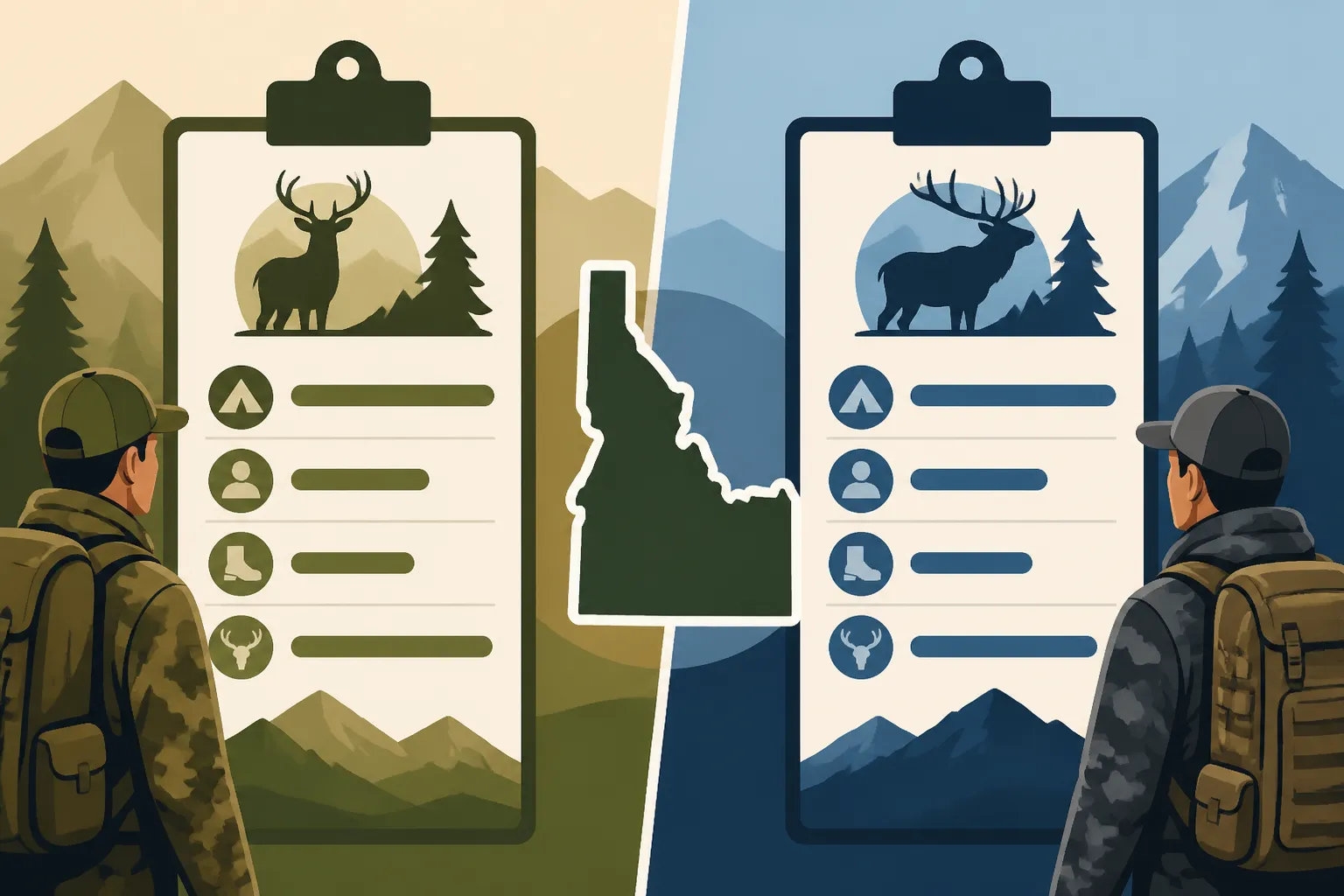
Trying to keep all the details straight for multiple bids in your head is a recipe for confusion. The smartest move you can make is to create a standardized checklist or a simple spreadsheet. This allows you to list out all the key components we've discussed and fill in the specifics for each outfitter.
Here's a starting point for what your checklist might include:
- Outfitter Name & Contact
- Total Base Price (for your chosen hunt/duration)
- Included Species (e.g., elk, mule deer, bear)
- Hunt Duration (e.g., 6 hunting days, 7 nights)
- Weapon Type (archery, rifle, muzzleloader)
- Guide-to-Hunter Ratio (e.g., 1×1, 2×1)
- Lodging Type (lodge, tent camp, cabin, hotel)
- Meals Included? (yes/no, quality description)
- Field Transportation (horses, ATVs, trucks, hiking)
- Trophy Prep Included? (field dressing, caping, quartering)
- Meat Transport to Processor? (yes/no, extra cost?)
- Airport Pickup/Drop-off? (yes/no, extra cost?)
- Deposit Amount & Refundability (especially for non-draw)
- Payment Schedule
- Cancellation Policy
- License/Tag Not Included? (Confirm exact costs)
- Estimated Tip Amount
- Reference Contacts Provided? (yes/no)
- IOGLB License Verified? (yes/no)
- Success Rate (Opportunity/Harvest for your species/weapon)
- Outfitter Notes/Impressions
Tools like BookYourHunt or GoHunt often have features or content that help outline these details, making your initial research phase much more organized. Using a structured approach eliminates guesswork and highlights discrepancies immediately.
Asking the Right Questions
Once you have your checklist, it's time to engage with the outfitters directly. Don't be afraid to ask detailed questions. A reputable outfitter will appreciate your thoroughness; it shows you’re serious about your hunt. Your questions should go beyond just what's included and delve into the specifics of the hunt experience itself.
Consider these crucial inquiries:
- "What's your typical daily routine in camp?" (This gives insight into logistics and atmosphere.)
- "What kind of physical conditioning do you recommend for this hunt?" (This helps you prepare adequately, especially for challenging Idaho terrain.)
- "What's your plan for inclement weather or unexpected events?" (Safety and preparedness are paramount.)
- "Can you describe the specific area we'll be hunting within the unit/zone?" (Understanding the terrain helps visualize the hunt.)
- "Are there any specific gear requirements I should be aware of beyond a standard packing list?" (Some hunts require specialized boots, optics, or cold-weather gear.)
- "What's the average shot distance for the species and weapon type I'm pursuing?" (Essential for practice and confidence.)
- "What communication methods are available from camp in an emergency?" (Satellite phones, inReach devices, etc.)
- "How do you handle wounded animals that aren't immediately recovered?" (Ethical hunting practices are important.)
These kinds of questions, discussed in more detail in articles like Questions Worth Asking Before You Book, will give you a much clearer picture of what you're signing up for. Pay attention not just to what they say, but how they say it. Responsiveness, clarity, and patience in answering your questions are often indicators of professionalism.
Trusting Your Gut and Gathering References
After you've done all the analytical work, there's still a qualitative aspect to choosing an outfitter. Your gut feeling matters. How well did you communicate with the outfitter? Did they seem genuinely interested in understanding your hunting goals and expectations, or did you feel like just another booking? Rapport and personality fit can significantly impact your enjoyment of a hunt, especially when you'll be spending days in close quarters in the backcountry.
This is where talking to references becomes indispensable. Ask for at least three recent references, ideally within the last year or two, who hunted the same species and type of hunt you're considering. When you call them, don't just ask, "Did you have a good time?" Dig deeper:
- "Were there any unexpected costs?"
- "How accurate was the outfitter's description of the hunt?"
- "How were the guides? Were they knowledgeable and personable?"
- "How were the meals and accommodations?"
- "How did the outfitter handle challenges or difficult situations?"
- "Would you hunt with them again?"
Listen for consistency in their stories. Be wary if an outfitter is reluctant to provide references, or if all their references are from five or more years ago. A truly transparent and confident outfitter will have no problem connecting you with satisfied clients. Sometimes, the best advice comes from someone who has been in your shoes. Remember, while a solo hunt is appealing, hiring a guide means you're putting a lot of trust in someone else, so make sure that trust is earned. This helps you avoid the common pitfalls and frustrations of hunters who decided on Hunting Solo Against Hiring a Guide without proper research.
Outfitter Bid Comparison Checklist
| Feature/Cost Item | Outfitter A Details | Outfitter B Details | Your Questions/Notes |
|---|---|---|---|
| Base Hunt Price | $X,XXX | $Y,YYY | What does this exactly include? |
| Species & Duration | Elk, 6 days hunting, 7 nights | Elk/Deer combo, 7 days hunting, 8 nights | Does the combo affect success rates for elk? |
| Weapon Type | Rifle | Archery | Specific to my tag? |
| Guide-to-Hunter Ratio | 1×1 | 2×1 | Is there an option for 1×1 with Outfitter B? |
| Lodging | Wall tent camp, cots, wood stove | Rustic cabin, bunks, propane heater | Hot showers available? Access to charging? |
| Meals | Cook provides 3 hot meals/day, snacks | Guides cook camp meals, mostly packed lunches | Dietary restrictions? Quality/variety of food? |
| Field Transportation | Horses in/out, then hiking | ATV to trailheads, then hiking | How much hiking per day expected? |
| Trophy Prep | Field dress, quarter, cape | Field dress & quarter only | Does Outfitter B help with caping if needed (extra cost)? |
| Meat Transport to Processor | From camp to trailhead, hunter handles from there | Included to local processor | What's the cost of the local processor? |
| Airport Transfer | Not included | Included from Idaho Falls airport | How much would a shuttle/rental cost for Outfitter A? |
| License/Tag Costs | Not included, est. $Z,ZZZ (check IDFG) | Not included, est. $Z,ZZZ (check IDFG) | When do I need to purchase these? |
| Estimated Tip | 15-20% of base price | 10-15% of base price | Is this a guideline or expectation? |
| Deposit Required | 50% upfront | 30% upfront | Is the deposit refundable if I don't draw my tag? |
| Payment Schedule | Balance 60 days prior to hunt | Balance 90 days prior to hunt | Are payment plans available? |
| Cancellation Policy | Non-refundable deposit; full refund for balance >60 days out | Deposit transferable to next year; full refund >90 days out | What if I find a replacement hunter? |
| Success Rate (Harvest) | 70% rifle elk | 45% archery elk | Is this average for my specific unit and target animal? |
| References Provided? | Yes | Yes | Called (date)? Impressions? |
| IOGLB License Verified? | Yes (License #123) | Yes (License #456) | Any complaints filed? |
This article is for general informational purposes only and does not constitute professional advice. Laws, prices and regulations vary by location and change over time. Consult a qualified professional for guidance on your specific situation.