Flying Into an Idaho Backcountry Strip to Hunt
The dream of truly escaping the crowds and getting deep into Idaho's untouched wilderness for a hunt often conjures images of rugged backpack trips or horse packing. But for many, the ultimate way to access those remote, roadless areas is by flying into a backcountry airstrip. It's an incredible experience, offering unparalleled solitude and a chance to hunt ground that few others ever see, but it comes with its own unique set of challenges and considerations that you absolutely need to understand before you commit. This guide will walk you through the ins and outs of planning and executing a successful hunt from an Idaho backcountry airstrip.
The Allure and Reality of Backcountry Airstrips
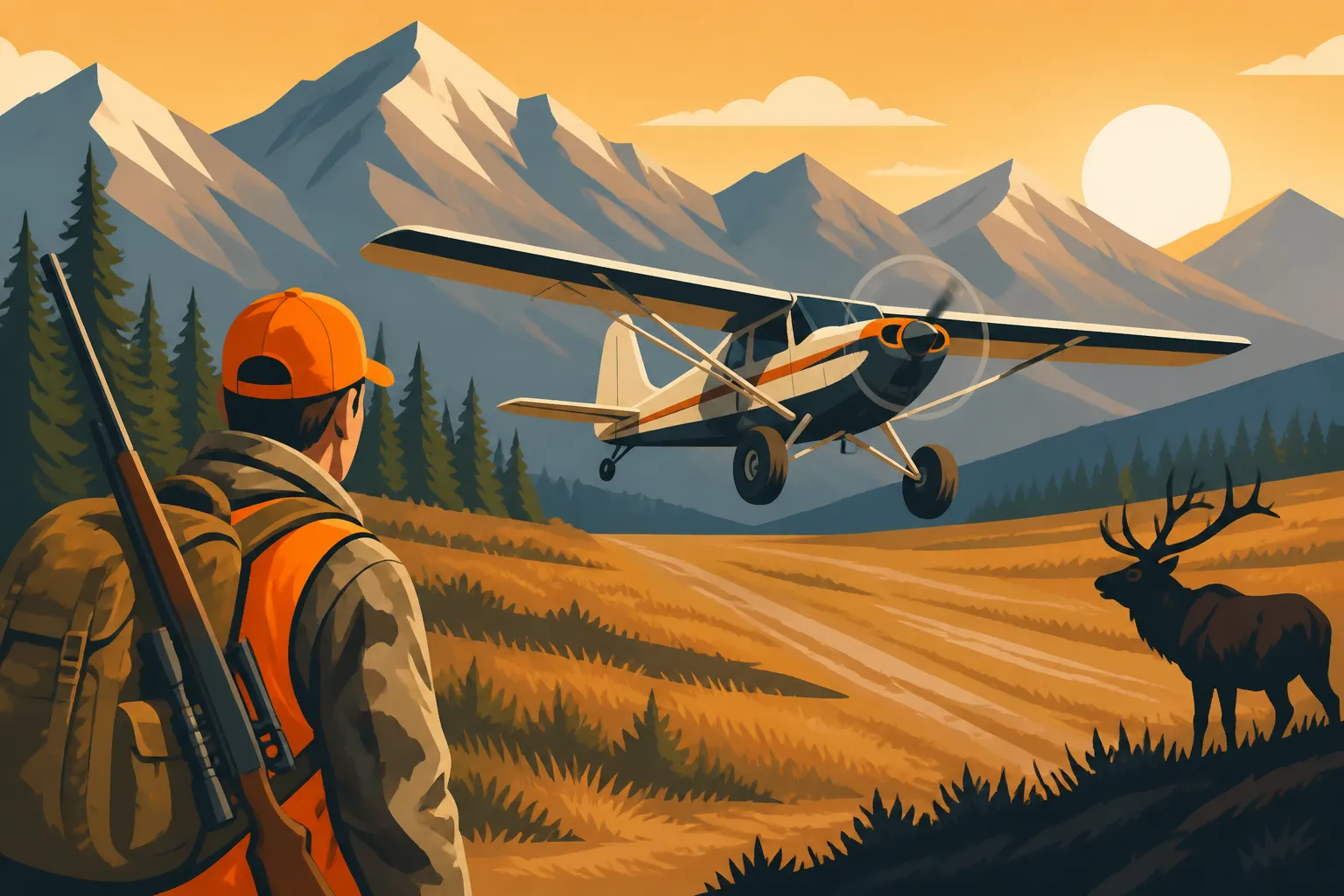
There's something incredibly romantic about watching the mountains disappear below you as a small bush plane ferries you deep into the wilderness. It feels like stepping back in time, a true adventure. But let's be realistic – that romantic image needs to be tempered with a heavy dose of practical planning.
Why Flying In Is Such a Unique Experience
When you fly into an Idaho backcountry airstrip, you're not just getting a ride; you're buying into an experience that very few hunters ever get to have. These strips are often nothing more than a cleared patch of dirt or grass, tucked away in canyons or on remote benches, far from any road system. The moment that plane touches down and then lifts off, leaving you in the silence of the mountains, you realize just how profound that isolation truly is. It's an opportunity to hunt truly untouched country, where the game might be less pressured and the sense of wildness is palpable.
You often find yourself surrounded by vast stretches of designated wilderness or national forest land, miles from any trailheads accessible by vehicle. This means you’re largely on your own, relying on your skills and preparation. The commitment required for such a hunt fosters a deep connection to the landscape and provides a sense of accomplishment that’s hard to replicate with more conventional hunting methods. It’s about more than just bagging an animal; it’s about the journey, the challenge, and the profound solitude.
The Practicalities: What You're Really Getting Into
While the allure is strong, the practicalities are significant. Small planes have strict weight and balance limitations. You can't just throw everything but the kitchen sink into your duffel bag. Every ounce counts, and you'll often be limited to a specific weight per person, usually around 50-75 pounds, including your rifle or bow. This forces a minimalist approach to packing that can be a real struggle for those used to over-preparing.
Moreover, these flights are entirely dependent on weather. Idaho's backcountry weather can change in a heartbeat, from clear skies to thick fog, heavy rain, or even snow, even during early seasons. This means your flight in could be delayed, and more importantly, your flight out could be pushed back by days. You need to be prepared to hunker down and ride out a storm, which adds another layer of planning to your food and fuel supplies. The airstrips themselves are primitive, unpaved, and often short, requiring skilled pilots and a certain type of rugged aircraft. This isn't a commercial airport experience by any stretch of the imagination.
Finding a Reputable Air Charter Service in Idaho
This isn't a casual taxi service; you're putting your life, and the success of your hunt, into the hands of an experienced pilot and their aircraft. Vetting your air charter service is paramount.
Key Questions to Ask Potential Providers
When you're calling around, don't be shy about asking direct and detailed questions. First and foremost, inquire about their safety record and how long their pilots have been flying in Idaho's backcountry. You want pilots who are intimately familiar with the specific airstrips you're considering and who understand the unique challenges of mountain flying, including unpredictable winds and rapidly changing conditions. Ask about the type of aircraft they operate – is it suitable for short, unimproved strips?
Beyond just the flight, ask about their experience with hunters. Do they routinely haul big game? How do they handle meat and capes on the return flight, especially if you're successful with a large animal like an elk? Some services might offer additional support, like helping coordinate a drop camp setup or providing advice on typical game movements in the area. Clarity on these points upfront can save you a lot of headaches and potential disappointments down the line. You can often find reputable outfitters and air charter services listed on platforms like BookYourHunt, which often provides reviews and direct contact information.
Understanding Cost Structures and Logistics
The cost of flying into a backcountry strip can vary wildly depending on the distance, the size of the plane needed for your group and gear, and the specific charter service. It's rarely a flat fee per person. Often, it's calculated based on flight time, fuel costs, and weight. You might pay a base rate for the aircraft per hour or per leg, plus additional fees for excess baggage weight or standby time if you need the plane to wait for a few hours. Always get a clear, itemized quote that explains exactly what's included in the price. It's important to understand What a Backcountry Airstrip Flight Costs early in your planning.
Logistically, you need to be very precise with your pickup and drop-off dates and times. While you want some flexibility for weather, the pilot often has other clients or schedules to adhere to. Clear communication about these details, including a backup plan if weather grounds the aircraft, is crucial. Remember, you're not just flying into a wilderness area; you're also committing to being picked up from a very specific, remote spot. Ensure you have a way to contact the pilot or their base if your plans change or if you need to be picked up earlier or later.
| Aspect | Pros of Flying In | Cons of Flying In |
|---|---|---|
| Access | Reaches truly remote, roadless wilderness areas | Limited airstrip availability; weather-dependent access |
| Hunting Pressure | Typically lower hunter density, less pressured game | Still possible to encounter other fly-in hunters |
| Experience | Unparalleled solitude, profound wilderness adventure | High cost; significant logistics and planning required |
| Gear Limits | Forces minimalist packing; essential gear only | Strict weight restrictions; difficult for comfort items |
| Game Retrieval | Can be challenging to pack out large game entirely by foot | No motorized assistance for retrieval; arduous process |
| Contingency | Requires extensive self-reliance and emergency prep | Vulnerable to weather delays for pickup; remote assistance |
Gear and Planning for a Fly-In Hunt
Every item you bring on a fly-in hunt has to earn its place. Forget the "just in case" items unless they are absolute necessities for survival or ethical hunting.
Weight and Space: The Ultimate Packing Challenge
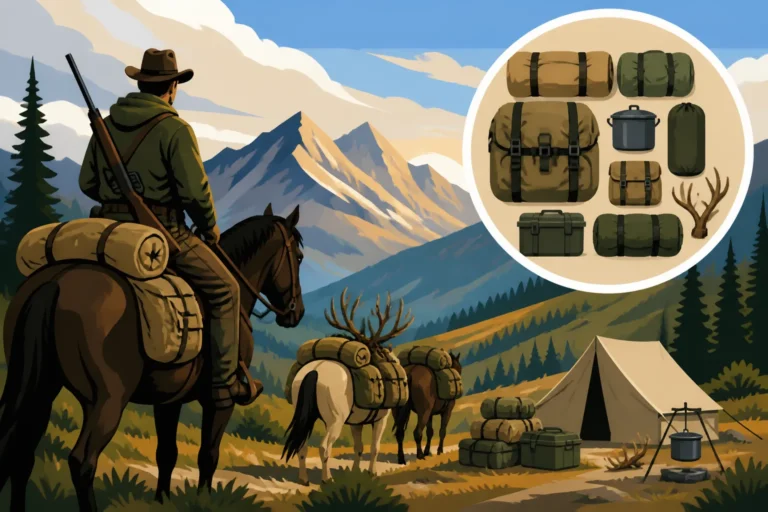
When your total gear weight is capped at a strict limit, you quickly become an expert in minimalism. Every piece of clothing, every bit of food, every component of your shelter system needs to be the lightest, most efficient option available. Think multi-use items: a tarp can be a tent fly, a ground cloth, or a rain shelter for processing meat. Your sleeping bag and pad should offer maximum warmth for minimum weight and packed size.
Prioritize your absolute essentials: shelter, sleeping system, water purification, food, first-aid, navigation tools, and your weapon. For hunters, a good kill kit (game bags, knife, saw) is critical and must be lightweight. When it comes to your archery setup, even Arrow Weight That Gets Through an Elk becomes a fine-tuned calculation between penetration and overall carry weight. Think about compacting everything. Compression sacks are your best friend. Every item should fit neatly into a soft duffel or backpack that's easy to load into the plane's cargo hold. Hard cases for rifles are often permitted but need to be accounted for in your total weight.
Food, Water, and Camp Logistics in Remote Areas
Food strategy is key. Dehydrated meals are your best bet for lightweight, calorie-dense nutrition. Plan every meal, every snack, and bring a little extra for emergencies or weather delays. Water is typically sourced from streams or springs and purified on-site. Bring a reliable filter or chemical treatment, and ideally, both as backups.
Setting up a camp in a remote fly-in location means embracing primitive living. You won't have picnic tables or established fire rings. Choose a low-impact site, pack out everything you pack in, and practice Leave No Trace principles. Critically, if you're in bear country (which much of Idaho's elk and deer habitat is), you need a robust bear safety plan. This includes proper food storage, such as using bear-resistant canisters or hanging food from a tree well away from camp. Understanding Food Storage Rules in Grizzly Country is not just a good idea, it's essential for your safety and the safety of the wildlife. A clean camp is a safe camp.
Contingency Planning for the Unexpected
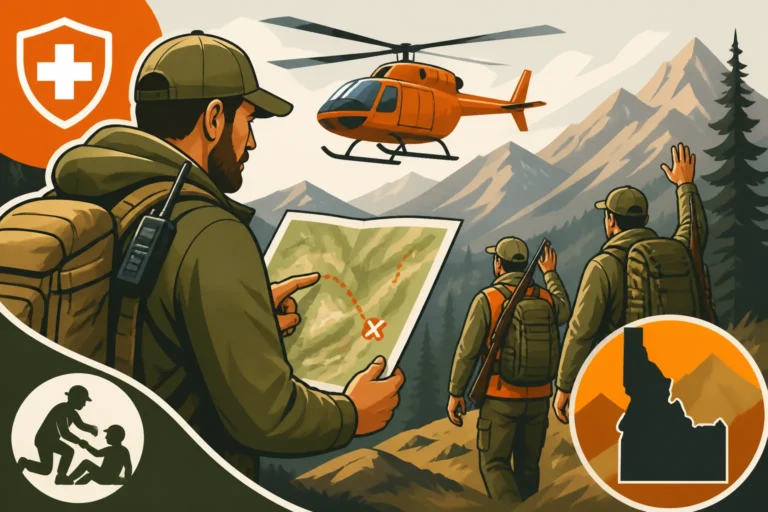
In the backcountry, unexpected events aren't a matter of "if" but "when." Weather delays, gear failures, injuries, or even getting turned around are all possibilities. This is where contingency planning saves lives and hunts. A reliable form of two-way satellite communication, like a Garmin InReach or a satellite phone, is absolutely non-negotiable. This allows you to send and receive messages, get weather updates, and activate an SOS beacon if disaster strikes. Being able to communicate is critical, and understanding Satellite Communication From a Backcountry Camp is part of your mandatory prep.
Always leave a detailed itinerary with someone reliable back home, including your expected flight dates, airstrip location, and a check-in schedule. Pack at least two extra days' worth of food and fuel beyond your planned trip length, just in case weather or other unforeseen circumstances delay your pickup. Carry a comprehensive first-aid kit and know how to use its contents. Your physical conditioning also plays a massive role here; consider Physical Conditioning for Idaho Backcountry long before you ever step onto that plane.
Hunting the Country You Flew Into
Landing on a remote airstrip is just the beginning. Now, the real hunting begins, and it's unlike many road-accessed hunts.
Navigating Untouched Wilderness
When you're miles from the nearest road, trails can be non-existent or overgrown, and the terrain often dictates game movement. Your navigation skills must be top-notch. Don't rely solely on a phone app; bring a dedicated GPS unit, a compass, and detailed topographic maps of the area. Even with modern technology, a solid understanding of how to read the land—identifying ridges, drainages, and potential travel corridors—is vital. E-scouting, using tools like GoHunt, is incredibly helpful for understanding the unit's topography and potential game hot spots before you even set foot in Idaho. You can get a huge head start on your hunt by E-Scouting an Idaho Unit Before the Season.
Remember, you’re hunting country that often sees very little human pressure. This can mean game acts differently than in more accessible areas. However, it also means there might be less established game trails, making travel tougher. You might be breaking brush through dense timber all day or navigating steep, rocky slopes where a fall could have serious consequences. Always be aware of your surroundings, know your limits, and prioritize safety over pushing too hard.
Game Retrieval Without Wheels
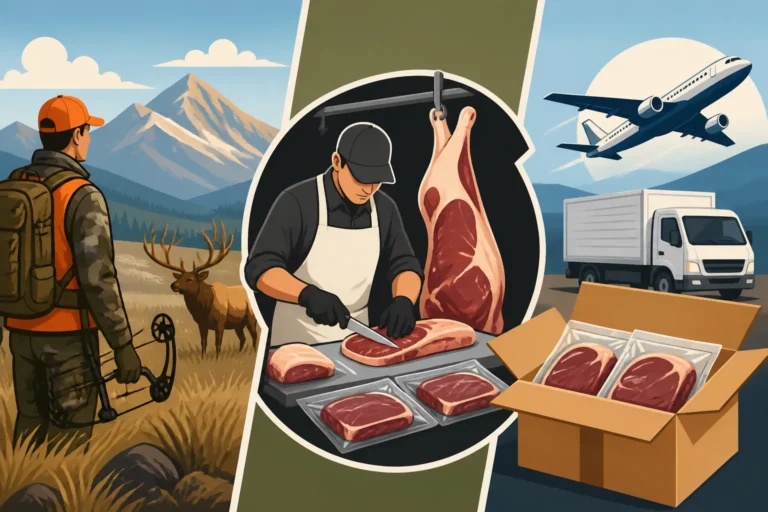
This is perhaps the most significant reality check for many flying into the backcountry: if you kill an animal, you have to get every bit of meat from the field to the airstrip without the aid of a vehicle. This often means quartering and boning out your animal on the spot, meticulously packing the meat into breathable game bags, and then making multiple grueling trips back to camp. For a large elk, this can easily be a two-day, multi-trip affair, especially if you’re hunting alone or with a small group. It truly tests your physical and mental fortitude.
Planning for Packing an Elk Out of Steep Country Alone is a critical component of your preparation, even if you're not planning to do it alone. Understanding the terrain, managing your energy, and properly cooling and protecting the meat are paramount. You’ll need a robust backpack designed for heavy loads. Don’t underestimate the physical toll this takes; many hunters have been forced to leave meat behind because they weren't physically prepared for the retrieve.
Understanding Wilderness Rules and Nonresident Restrictions
Many of Idaho's backcountry airstrips are either within or on the very fringes of designated wilderness areas, such as the Frank Church-River of No Return or the Selway-Bitterroot Wilderness. These areas come with specific rules, and for nonresidents, a major one to be aware of is the requirement to hire a licensed Idaho outfitter or guide for certain species. For example, Idaho Forces Nonresidents to Hire a Guide for Wilderness Elk. This rule specifically applies to elk, bighorn sheep, and mountain goat hunting in designated wilderness.
It's crucial to research the exact boundaries of the wilderness area you're flying into and understand if your target species falls under this nonresident guiding requirement. Deer and bear, for instance, are generally exempt, but always verify the latest regulations. This might mean that while you fly yourself in, you still need to coordinate with an outfitter for the actual hunting portion of your trip, even if it's just to meet the legal requirement. Some outfitters specialize in Wilderness Pack Trips Built for Hunters and can help navigate these complexities, or even assist with pack stock to help with game retrieval, which can be invaluable when adhering to Pack Stock Rules Inside Designated Wilderness.
Disclaimer
This article is for general informational purposes only and does not constitute professional advice. Laws, prices and regulations vary by location and change over time. Consult a qualified professional for guidance on your specific situation.