The Logistics of a Horseback Drop Camp
The dream of a true backcountry hunting adventure, far from roads and day-trippers, often bumps up against the harsh reality of getting all your gear, food, and supplies deep into the Idaho wilderness. It’s one thing to imagine a wall tent nestled beside a mountain stream, and quite another to figure out how to actually get that wall tent, a stove, a week’s worth of food, and all your hunting essentials up an impossibly steep trail. That’s where the magic of a horseback drop camp comes in, bridging the gap between a rugged do-it-yourself expedition and a fully outfitted, guided experience, giving you the solitude you crave with the heavy lifting handled.
Understanding the Heart of a Horseback Drop Camp
When folks talk about "backcountry hunting," it often conjures images of packing everything you own on your back for miles. While that's certainly one way to do it, it severely limits what you can bring in terms of comfort, specialized gear, and even the sheer volume of food. A horseback drop camp changes that equation entirely.
What Makes a Drop Camp Different?
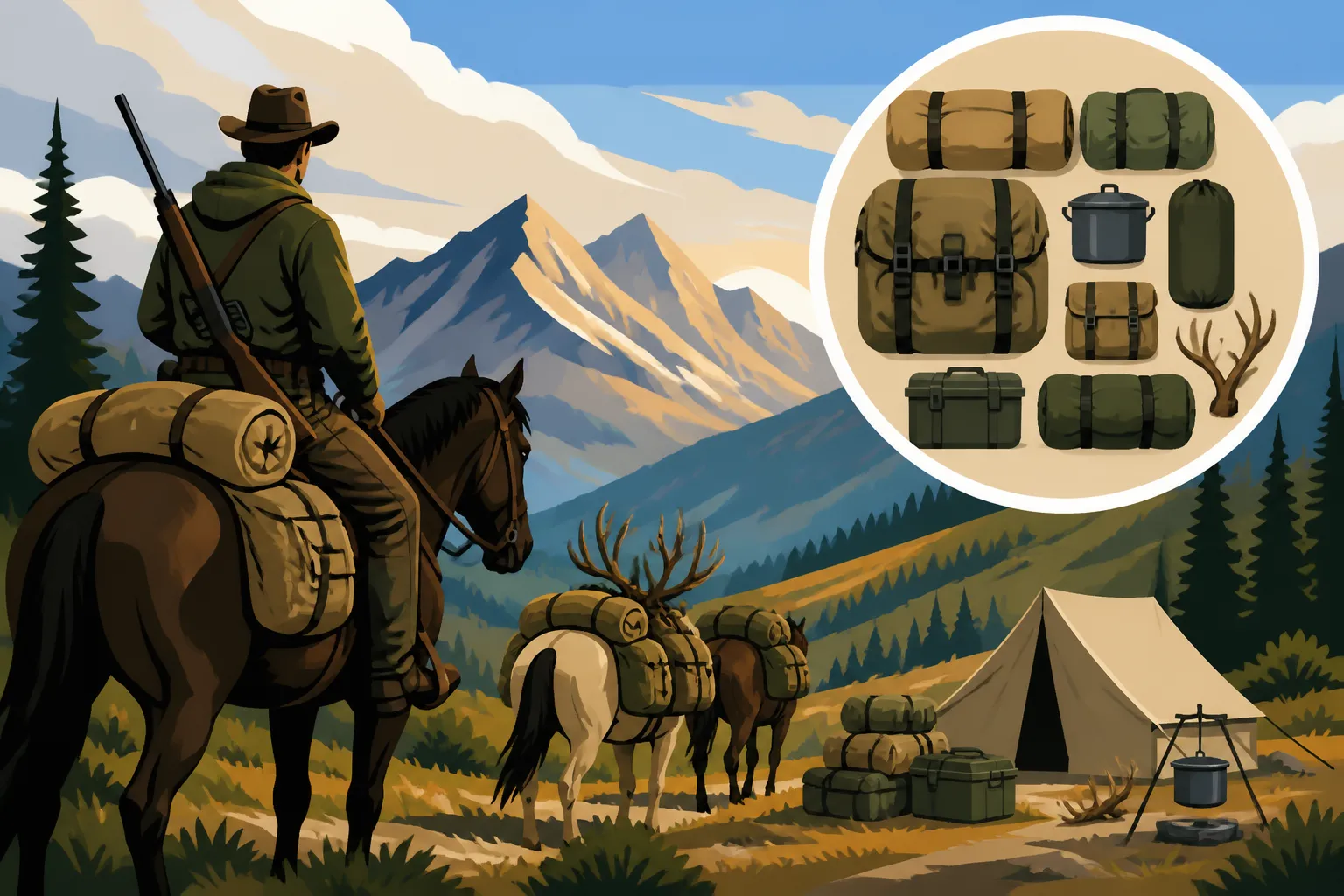
A drop camp is essentially a logistical service provided by a licensed outfitter. Unlike a fully guided hunt where an outfitter provides guides, cooks, and often a pre-set camp, a drop camp means they transport you and all your personal gear, food, and camp supplies via horseback and pack string to a pre-arranged, remote location. Once they've got you and your camp set up, they leave you there to hunt independently. They’ll typically return at a predetermined date to pack out your camp and, hopefully, your harvest. Think of it as a taxi service for your gear into the wilderness. This allows you to carry in far more than you ever could on your back, dramatically increasing your comfort and self-sufficiency for a longer stay in the backcountry.
For many hunters, the appeal lies in this blend of independence and access. You get the thrill of planning and executing your own hunt, calling your own shots (literally), and truly roughing it, but without the back-breaking labor of packing 100+ pounds of gear for miles. It’s a common misconception that "backcountry" means you have to do everything yourself. Drop camps offer a powerful alternative. This approach is significantly different from What a Guided Idaho Elk Hunt Costs because you're responsible for the hunting itself, the cooking, and all daily camp chores, rather than relying on a full-service team.
Who Benefits Most from This Setup?
Drop camps are perfect for experienced hunters who know how to hunt a specific species, navigate wilderness terrain, and are comfortable being self-reliant in potentially challenging conditions. You’re effectively doing a DIY hunt, but starting from a much more comfortable and well-equipped base camp deep in the wilderness. This setup isn't for novices who've never slept in a tent or who aren't confident in their ability to track, field dress, and navigate.
Consider a group of seasoned buddies who have hunted together for years but are getting a little older, or perhaps just want to extend their hunt duration without compromising on camp comfort. Instead of grinding out six miles with heavy packs, they can have their canvas wall tent, cots, stove, and a cooler full of fresh food delivered to a prime elk basin. They still do all the scouting, all the calling, all the packing of game back to camp, but they start each day from a much more robust and comfortable base. It's also often a more budget-friendly option than a fully guided hunt while still offering deep wilderness access.
The Nitty-Gritty: Planning Your Drop Camp Logistics
Successfully executing a horseback drop camp hunt is all about meticulous planning. You're the master of your own destiny out there, so every detail, from what you eat to how you communicate, matters.
Essential Gear for a Self-Sufficient Camp
Because an outfitter is hauling your gear, you can bring items that would be impossible on a pure backpack hunt. This includes a more substantial shelter, a proper cooking setup, and comfortable sleeping arrangements. Your outfitter will often specify weight and dimension limits per pack animal, so it's critical to adhere to these.
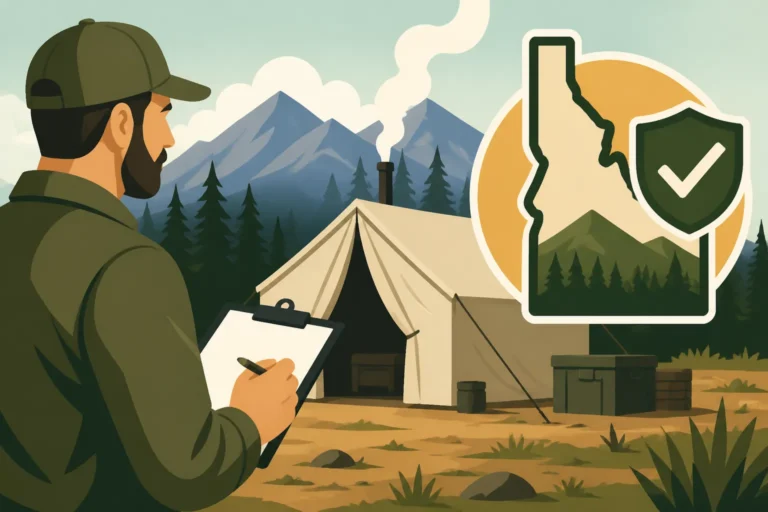
First, your shelter is paramount. Many drop camps utilize large canvas wall tents, which can be heated with a wood stove – a luxury you'd never get backpacking. This allows you to dry wet gear, warm up after a cold day, and simply relax in comfort. Make sure your tent is robust enough to handle Idaho's unpredictable mountain weather, from driving rain to early season snow. Next, consider your sleeping system. With a pack animal, you can bring a thick sleeping pad or even a cot, greatly enhancing your rest compared to a minimalist foam pad on the ground. A warm sleeping bag rated for colder temperatures than you expect is always a good idea, as mountain nights can drop unexpectedly low.
Your cooking system can be much more elaborate. Propane stoves with multiple burners, Dutch ovens, and even a small folding table can make camp life significantly better. Don't forget durable cookware, plenty of fuel, and an ample supply of water storage solutions, whether that's large jugs or a reliable filtration system. For more on what to expect, check out What an Idaho Drop Camp Actually Includes. Furthermore, robust game retrieval gear like quality game bags, a sturdy frame pack, and a sharp knife kit are non-negotiable. You’re responsible for getting your animal from where it falls back to camp.
Food Planning and Storage in Bear Country
Food is often the biggest luxury a drop camp affords. You can bring real food! Fresh fruits, vegetables, eggs, and even some meats are possible for the first few days, packed in coolers that the outfitter will bring in. After that, focus on shelf-stable, high-calorie options. Dehydrated meals are great for quick dinners, but a mix of staples like pasta, rice, canned goods, and jerky will keep you fueled. Don't forget coffee, tea, and comfort foods for morale.
Bear safety is an absolute must in Idaho's backcountry. Every morsel of food, every scrap of garbage, and anything with a scent must be stored securely. This means bear-resistant containers (often provided by or required by your outfitter), hanging food from trees away from camp, or using electric bear fences if permitted and practical. Always cook and eat a good distance from your sleeping area to minimize attracting unwanted visitors. The last thing you want is a curious black bear nosing around your tent at 2 AM. Discuss specific bear protocols with your outfitter; they know the local conditions best.
Communication and Emergency Preparedness
While the solitude is appealing, it also means you're largely on your own for emergencies. This isn't a place where your cell phone will reliably work. Your outfitter will establish a check-in schedule, but you need your own backup.
A satellite communication device is no longer a luxury, it’s a necessity. Devices like an inReach or SPOT allow you to send predetermined check-in messages, share your location, and, critically, send an SOS message if someone is seriously injured or lost. Ensure everyone in your group knows how to use it. A comprehensive first-aid kit designed for wilderness use is also non-negotiable, including personal medications, wound care supplies, and pain relievers. You should also carry map and compass, and know how to use them, even if you have a GPS device. Batteries can die, and electronics can fail. Being able to navigate effectively without electronic aids is a fundamental backcountry skill. For more on staying connected and safe, see Satellite Communication From a Backcountry Camp.
Choosing the Right Outfitter for Your Drop Camp
The success of your drop camp hunt hinges almost entirely on the outfitter you choose. They are your lifeline to and from the wilderness, and their reliability is paramount.
Vetting Potential Outfitters
Don't just pick the first name you find. Do your homework. Start by checking if they are licensed and in good standing with the Idaho Outfitters and Guides Licensing Board. A reputable outfitter will proudly display their license number. Many hunters find outfitters through platforms like BookYourHunt, which allows you to compare services and read reviews. When reaching out, you'll want to ask pointed questions:
- Experience: How long have they been running drop camps in that specific unit or area? Do they know the trails, the water sources, and the local game movements?
- Equipment: What kind of stock do they use? Are their horses and mules well-trained for packing? What's their policy on weight limits per animal?
- Safety Protocols: What are their emergency plans? How often do they check in, and what happens if they can't make it on a scheduled pickup day due to weather? What's their procedure if someone needs to be evacuated?
- Camp Locations: Can they show you potential drop sites on a map? Are these sites established, or will they be scouting new areas? What's the typical distance from the trailhead?
- References: Ask for recent references from other drop camp clients. A good outfitter will readily provide these. Call them and ask detailed questions about their experience. Did the outfitter deliver on promises? Was the gear handled well? Was the pickup on time?
It’s crucial to understand Questions to Ask an Idaho Outfitter before committing. You’re not just hiring someone to pack your gear; you’re entrusting them with your safety and the success of your hunt.
Understanding the Contract and Expectations
A written contract is non-negotiable. Read every line carefully before signing and paying a deposit. This contract should clearly outline:
- Services Provided: What exactly is included? Transportation of gear, specific camp setup items (e.g., tent, stove, water jugs), dates for drop-off and pick-up.
- Weight Limits: Explicitly state the maximum weight per person or per group for gear. Overweight charges can be significant and unexpected.
- Payment Schedule and Cancellation Policy: When are deposits due? What are the terms if you need to cancel, or if the outfitter needs to cancel due to unforeseen circumstances (like wildfires or extreme weather)?
- Harvest Retrieval: What's the policy for packing out your game? Is there an extra charge for additional trips or for unusually large animals? How many animals are included in the base price?
- Responsibilities: Clearly defines what the outfitter is responsible for and what you, as the hunter, are responsible for. This includes everything from field dressing to packing meat to the drop camp.
Misunderstandings often arise from vague expectations. Don't be afraid to ask for clarification on any point in the contract. Remember, you're paying for a professional service, and clear communication from both sides ensures a smoother experience.
Preparing Yourself and Your Group for the Backcountry
A drop camp makes the logistics of getting there easier, but it doesn't do the hunting or the hard work for you. Your physical and mental preparation is just as critical as your gear list.
Physical Conditioning and Realistic Expectations
Hunting in the Idaho mountains, even from a well-established camp, is physically demanding. You'll be climbing steep terrain, often at altitude, carrying a rifle or bow, and potentially packing out hundreds of pounds of meat over several trips. This is not a casual stroll.
Start a serious physical conditioning program months before your hunt. Focus on cardiovascular endurance (hiking, running, stair climbing), strength training (especially legs, back, and core), and carrying weight. Practice hiking with your hunting pack, loaded with a realistic amount of weight, over varied terrain. If possible, train at elevation if you live at sea level to acclimate your body. Many hunters underestimate the impact of thin air on physical exertion. A good rule of thumb is that if you can't comfortably hike a few miles with a 40-pound pack, you'll struggle when the real work begins. Your ability to get around comfortably directly impacts your hunting success. Consider reviewing articles on Physical Conditioning for Idaho Backcountry to get a head start.
Beyond the physical, set realistic expectations for your hunt. Not every drop camp results in a harvested animal. Weather can be unpredictable, game can be elusive, and you might have other groups hunting nearby. The success of a drop camp hunt should be measured not just by a filled tag, but by the experience of self-reliance, wilderness immersion, and the camaraderie of your hunting partners.
Mental Fortitude and Contingency Planning
Being in the backcountry for an extended period, especially when you're responsible for all your daily needs, requires mental toughness. Things will go wrong. The weather will turn sour. You'll get tired, cold, and maybe a little discouraged. Being prepared mentally means anticipating these challenges and having the resilience to push through.
Crucially, contingency planning is your best friend. What if someone gets sick or injured? What if you lose a critical piece of gear? What if your outfitter is delayed for pickup? Talk through these "what-if" scenarios with your group before you leave. Have backup navigation tools, extra fire-starting supplies, and emergency rations. Know how to build a basic shelter, administer first aid, and signal for help. Use tools like GoHunt to scout your unit thoroughly beforehand, identifying potential bail-out routes or emergency egress points.
It’s also wise to have a designated emergency contact back home who knows your itinerary, who your outfitter is, and when they should expect to hear from you (via satellite device). This person can be a critical link if communications fail or if you need assistance coordinating with authorities. The wilderness demands respect and preparation, but with the right mindset, a drop camp hunt can be an incredibly rewarding and unforgettable experience.
| Aspect | Fully Guided Hunt | Horseback Drop Camp | Pure DIY Backpack Hunt |
|---|---|---|---|
| Outfitter Role | Provides everything: guides, cook, camp, stock, hunt planning | Provides transport for hunters/gear to camp, retrieve camp/harvest | None, you are 100% self-reliant |
| Hunter Role | Focuses on hunting; outfitter handles logistics & camp | Hunts independently, manages camp, cooks, navigates, retrieves game | Hunts independently, manages all logistics & camp, minimal gear |
| Gear & Comfort | High comfort level; full camp, hot meals, amenities | Medium-high comfort; bring substantial gear like wall tents, stoves, coolers | Minimalist; lightweight backpacking gear, basic shelter, dehydrated food |
| Self-Reliance | Low; highly supported | High; complete independence once dropped | Very High; total self-reliance for survival |
| Cost | Highest investment | Mid-range investment | Lowest investment (gear purchase is primary cost) |
| Physical Demand | Medium (guides do heavy lifting); focused on hunting | High (responsible for game retrieval, camp chores, hunting) | Very High (pack all gear, hunt, retrieve game) |
| Logistics | Outfitter handles all | Hunter plans all hunt logistics; outfitter handles transport | Hunter handles all |
Disclaimer
This article is for general informational purposes only and does not constitute professional advice. Laws, prices and regulations vary by location and change over time. Consult a qualified professional for guidance on your specific situation.