Horsemanship Knowledge Guides Must Demonstrate
Planning a backcountry hunt in Idaho, especially one that involves horses, brings up a lot of questions. One that often sits heavy on a hunter's mind is whether their guide truly knows their way around a horse, not just the wilderness. After all, your safety, the success of your hunt, and the well-being of the animals carrying your gear and possibly you depend heavily on a guide's horsemanship. This guide will walk you through the essential horsemanship knowledge and skills that legitimate Idaho hunting guides demonstrate, giving you peace of mind and helping you understand what to look for when vetting an outfitter.
Why Horsemanship Matters for Idaho Hunting Guides
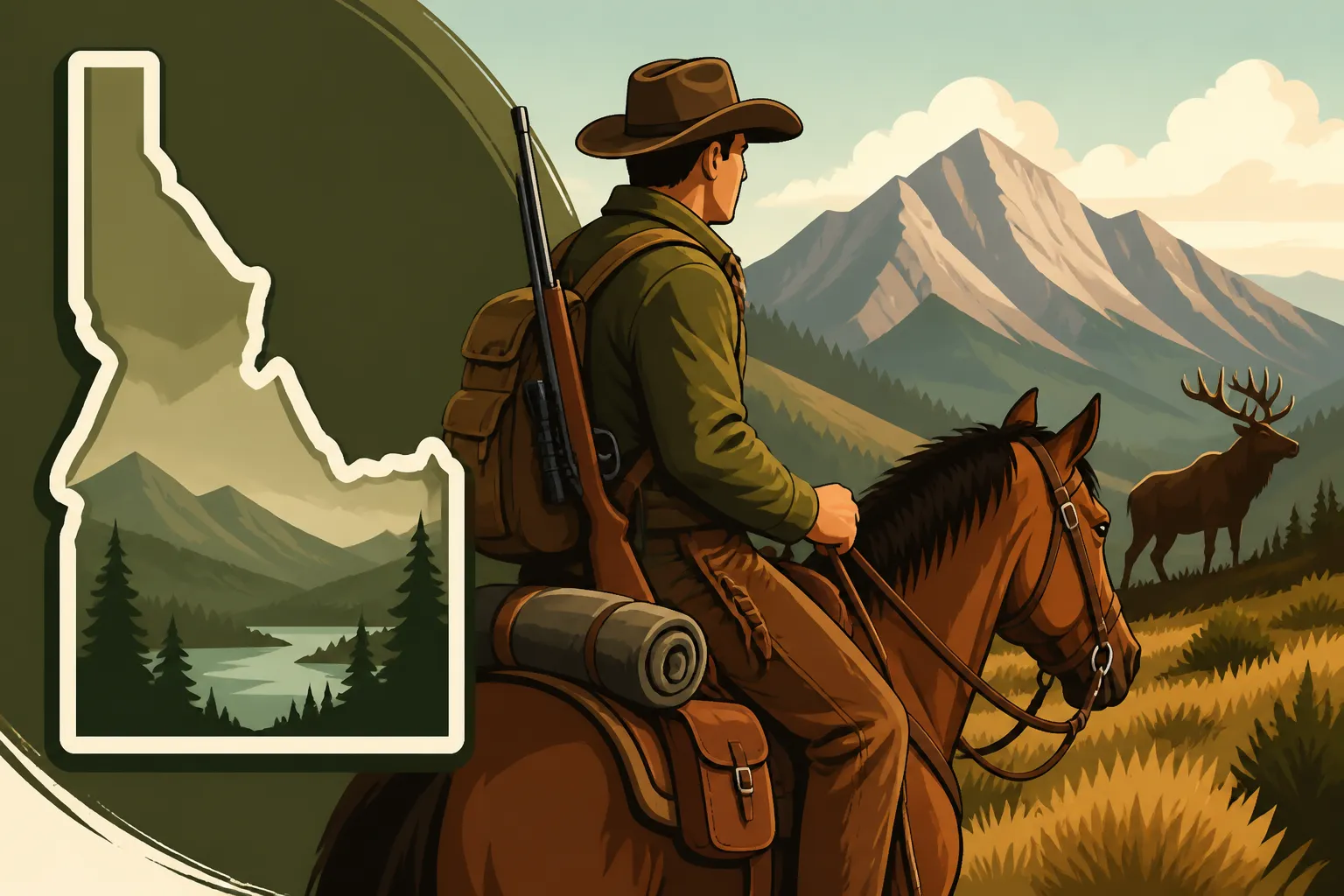
When you picture an Idaho backcountry hunt with horses, you're probably envisioning breathtaking scenery and efficient travel. What you might not immediately consider is the immense responsibility that falls on your guide's shoulders regarding the equine members of your team. Their proficiency with horses isn't just a nicety; it's absolutely crucial for several fundamental reasons, directly impacting your experience and safety.
Safety First on the Trail
The mountains and timber of Idaho are stunning, but they are also inherently dangerous, especially when you add unpredictable animals into the mix. A guide's horsemanship skills are your first line of defense against potential mishaps. Imagine navigating a narrow, rocky trail on the side of a steep canyon, a thousand feet down to the river below. If your horse stumbles, or if another horse in the string gets spooked, a guide who understands equine behavior and can quickly assert calm control can prevent a minor incident from becoming a serious accident. They need to anticipate problems before they arise, reading the horses' body language and the trail conditions simultaneously. This isn't just about riding; it's about being a leader for both humans and horses in challenging environments, ensuring everyone, two-legged and four-legged, gets through the day safely.
Navigating Idaho's Rugged Terrain
Idaho’s hunting grounds are renowned for their ruggedness, featuring everything from dense timber to steep, rocky climbs, deep creek crossings, and muddy stretches. Horses aren't just vehicles; they are partners in this terrain. A guide with excellent horsemanship knows which horse is best suited for a particular rider, understands how to manage a string of pack animals through tight spaces, and can select the safest path through difficult country. They know when to dismount and lead, when to encourage a horse over an obstacle, and when to pause for a rest. This intimate knowledge of both horse capabilities and the local topography is what makes a horse-supported hunt possible in areas where foot travel would be painstakingly slow or even impossible. This also ties into how Pack Stock Rules Inside Designated Wilderness are enforced, ensuring responsible use of animals in pristine areas.
Handling Pack Stock Effectively
The vast majority of horse-supported hunts involve pack stock—horses or mules carrying camp gear, food, and eventually, harvested game. The ability to properly pack an animal is a specialized skill that takes years to master. A poorly packed horse can lead to rubbed sores, thrown loads, unbalanced weight, and a generally miserable experience for everyone involved, not to mention potential injury to the animal. A skilled guide ensures that loads are balanced, cinches are tight but not too tight, and all gear is secured so it won't shift or snag on branches. They also know how to quickly re-pack a load if a horse rolls or decides to take an unscheduled detour through some brush. This expertise directly impacts the efficiency and success of your hunt, from setting up a comfortable camp to Packing an Elk Out of Steep Country Alone with the help of capable animals.
Core Horsemanship Skills Idaho Guides Need
Beyond the general importance of horsemanship, there are specific, practical skills that an Idaho hunting guide must possess to be truly effective and safe in the backcountry. These aren't just theoretical concepts; they are hands-on abilities refined through countless hours in the saddle and on the trail.
Basic Equine Care and Health
A great hunting guide isn't just a rider; they are a competent horseman who understands the fundamental needs of their animals. This includes daily care, preventative measures, and recognizing signs of distress or injury. They should be proficient in things like daily grooming, checking for rubs or lameness, and properly fitting saddles and bridles to prevent discomfort for the horse.
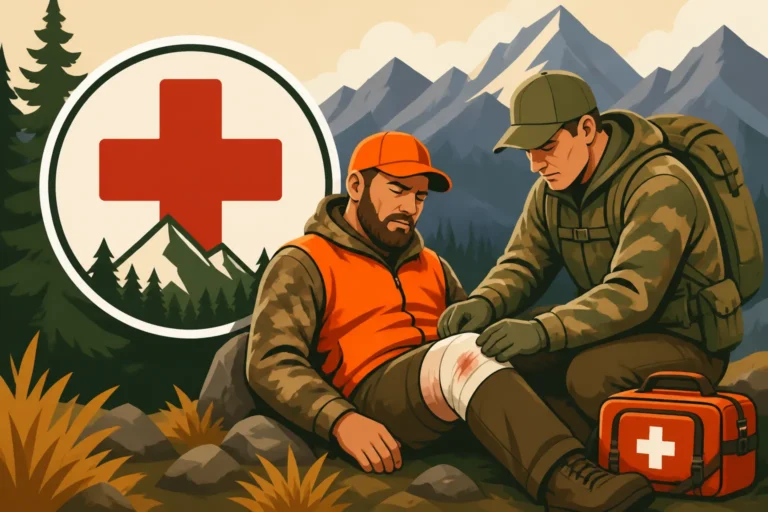
Consider a scenario: you're several days into a hunt, deep in the Selway-Bitterroot Wilderness, and one of the horses suddenly starts limping. A skilled guide will be able to assess the injury, determine if it's something minor like a stone in the hoof that can be cleared, or a more serious issue requiring immediate action or even an early return to civilization. They'll also understand basic first aid for horses, carrying essential supplies for minor cuts or strains. This proactive and reactive care is vital because veterinary services are simply not available when you're miles from the nearest road. Without a guide who understands basic horse health, your hunt could quickly unravel due to an injured animal.
Riding and Leading Proficiency
This might seem obvious, but there's a huge difference between someone who can sit on a horse and someone who can ride one effectively in challenging terrain while managing other animals. A guide needs to be an expert rider, capable of handling a horse through dense timber, across swift rivers, up steep grades, and down slippery slopes, all while maintaining control and awareness of their surroundings.
Furthermore, they must be equally adept at leading multiple pack horses. This often means walking miles, controlling a string of potentially stubborn or easily spooked animals, ensuring they don't wander off the trail, get tangled in brush, or create hazards for those riding behind. Imagine a string of six horses, each loaded with 80 pounds of gear, trying to navigate a narrow switchback. The guide needs to position themselves correctly, apply subtle cues to the lead horse, and constantly adjust to keep the entire string moving smoothly and safely. Their confidence and command translate directly to the animals, creating a safer and more efficient journey. This kind of nuanced riding and leading ability is critical for a smooth and effective trip through any of Idaho's national forests.
Packing and Load Management
As mentioned earlier, packing horses is an art form. It's not just about throwing gear on an animal; it's about balance, weight distribution, and security. A guide must know how to tie various hitches (like the half-diamond or the full-diamond hitch) that keep even awkward loads, like tent poles or large duffel bags, stable and secure. They also need to be able to assess the weight and bulk of different items to ensure each pack animal carries a manageable and balanced load. Overloading or unbalanced loads can lead to severe back problems for horses, rubs, or, more dramatically, a "thrown" pack where all your gear ends up scattered across the mountainside.
Beyond the initial packing, effective load management extends to daily checks and adjustments. As you travel, ropes can loosen, and loads can shift. A good guide will regularly check cinches, adjust ropes, and ensure nothing is rubbing or causing discomfort for the animal. They’ll also be proficient at quartering and packing out game meat, ensuring it's kept clean and secure. This skill is paramount once you've successfully harvested an animal, as Carcass Transport Rules After a CWD Detection require careful handling, and getting that meat out efficiently and without spoilage is a huge part of the hunt's success.
Regulatory Expectations for Guide Horsemanship in Idaho
It’s reassuring to know that Idaho doesn't just rely on an outfitter's word when it comes to guide qualifications. The state has specific regulations and expectations to ensure a certain level of professionalism and competency, especially concerning specialized skills like horsemanship. These regulations provide a framework that helps ensure your guide is truly prepared for the challenges of leading a hunt.
Idaho Outfitters and Guides Licensing Board Requirements
The Idaho Outfitters and Guides Licensing Board (IOGLB) is the state entity responsible for licensing and regulating all outfitters and guides in Idaho. They don't just hand out licenses; there are specific criteria that individuals must meet. For guides working in horse-supported operations, demonstrating proficiency with pack animals is often an implicit part of the overall experience requirement. While the IOGLB doesn't have a specific "horse riding test," the general experience requirements for a guide are quite stringent. Guides must be at least 18 years old, hold current first aid and CPR certifications, and, critically, must have at least ten days of experience working for a licensed outfitter in the specific area they intend to guide. This "10-day area experience guides must have" rule indirectly demands practical horsemanship if their guiding work involves horses, as that experience would be gained directly on the trail.
This board also sets standards for outfitters themselves, which includes ensuring their guides are qualified. When you Verify an Idaho Outfitter License, you're confirming they operate under these state-mandated guidelines. Should an outfitter or guide fall short, there's a process for Filing a Complaint Against an Idaho Outfitter, which helps maintain accountability and uphold standards across the industry.
Proving Experience and Competency
So, how does a guide actually prove they have the chops when it comes to horses? It's less about a formal certification and more about practical, documented experience. When applying for a guide license, individuals must attest to their experience, often backed by their supervising outfitter. This experience would naturally include significant time spent in the saddle, packing animals, and navigating varied terrain. Outfitters are also responsible for the competency of their guides and will often have their own internal vetting processes, which can include shadowing experienced guides, demonstrating packing skills, and proving they can handle different horses in the string.
Think of it like this: a guide who has spent countless seasons packing in supplies for remote camps, leading client groups on horseback through heavy timber, and packing out elk from deep canyons will have a wealth of practical experience that easily surpasses any single test. They learn through doing, under the mentorship of seasoned outfitters. This continuous, hands-on learning is what truly builds the confidence and competence needed for safe and successful horse-supported hunts.
What to Ask Your Outfitter About Their Guides
As a hunter, you have every right to feel confident in your guide's abilities. Before you commit to a horse-supported hunt, don't hesitate to ask your potential outfitter specific questions about their guides' horsemanship experience. This is where using resources like GoHunt or BookYourHunt can be valuable for researching outfitters and preparing your questions.
Here are some good questions to pose:
- "How long has my specific guide been working with horses in the backcountry?"
- "What kind of training or experience do your guides have with pack animals?"
- "Can you describe a challenging situation involving horses that one of your guides successfully navigated?"
- "What measures do you take to ensure your horses are healthy and well-conditioned for hunting season?"
- "Do your guides have specific Horsemanship Requirements for Idaho Guides that they must meet?"
A reputable outfitter will be transparent and proud to discuss their guides' qualifications and their equine operations. They should be able to provide clear answers and even share anecdotes that demonstrate their team's capabilities. Remember, you're not just booking a hunt; you're entrusting your safety and experience to their expertise.
| Skill Category | Key Competencies | Why It Matters for a Hunter |
|---|---|---|
| Basic Equine Care | Recognizing lameness, wound care, proper saddling/bridling | Ensures healthy, reliable horses throughout the hunt. |
| Riding Proficiency | Riding in varied terrain (steep, rocky, timber), river crossings | Safe, smooth travel, minimizing risks for riders. |
| Leading Pack Stock | Controlling multiple horses, navigating narrow trails | Prevents lost gear, animal injuries, and trail disruptions. |
| Packing & Load Management | Tying diamond hitches, balancing loads, securing game meat | Prevents rubs, thrown packs, spoiled meat, and lost gear. |
| Animal Behavior | Reading horse cues, calming spooked animals, herd management | Enhances safety, reduces stress for animals and hunters. |
| Trail Maintenance | Clearing small obstacles, assessing footing | Keeps trails passable and reduces risk of falls. |
| Backcountry Horse First Aid | Treating minor injuries, recognizing serious conditions | Mitigates issues that could end a hunt or harm an animal. |
Ultimately, choosing a hunting guide in Idaho who demonstrates excellent horsemanship skills is paramount for a safe, successful, and enjoyable experience. From the initial journey into the backcountry to the final pack-out of your hard-earned game, their ability to work seamlessly with horses is integral to every aspect of the hunt. By understanding what these skills entail and knowing what questions to ask, you can feel much more confident in your chosen outfitter and their team. Happy hunting!
Disclaimer
This article is for general informational purposes only and does not constitute professional advice. Laws, prices and regulations vary by location and change over time. Consult a qualified professional for guidance on your specific situation.