Does Idaho’s Wilderness Rule Cover Elk?
It’s a common scenario for nonresident hunters dreaming of an Idaho elk hunt: you spend countless hours poring over maps, dreaming of calling in a bull in the vast, wild backcountry, only to hit a brick wall when you realize that some of those truly wild places come with a catch. Specifically, Idaho has some pretty firm rules about nonresidents hunting certain species, including elk, in designated wilderness areas, and it often involves a licensed guide. This guide is here to clear up that confusion, explaining exactly when Idaho's wilderness rule covers elk, and what that means for your hunting plans.
The Idaho Wilderness Guide Rule Explained
Let's dive right into what this rule actually means because it's a critical piece of information for any nonresident planning an elk hunt in the Gem State. Idaho is home to some truly magnificent, federally designated wilderness areas, and while they offer incredible hunting experiences, they come with specific regulations for those visiting from out of state.
What the Rule Means for Nonresidents
Simply put, if you're a nonresident hunter and you plan to hunt certain big game species within a federally designated wilderness area in Idaho, you are legally required to employ the services of an outfitter or guide who is licensed by the state. This isn't just a suggestion; it's a hard and fast rule. The state of Idaho put this regulation in place to manage resource use, ensure safety in extremely remote environments, and maintain the integrity of the wilderness experience for everyone. These aren't just any large tracts of public land; designated wilderness areas, like the Frank Church-River of No Return Wilderness, are managed for their primitive character, meaning motorized vehicles are generally prohibited, and access is often challenging. This regulation aims to align with those primitive values by ensuring experienced professionals are involved in nonresident hunts for high-demand species. It can feel like a big hurdle, especially if you're a seasoned DIY hunter, but understanding it upfront is key to a smooth hunt. For a deeper dive, you can explore Do Nonresidents Need a Guide in Idaho Wilderness?.
Why Elk Are Included in the Rule
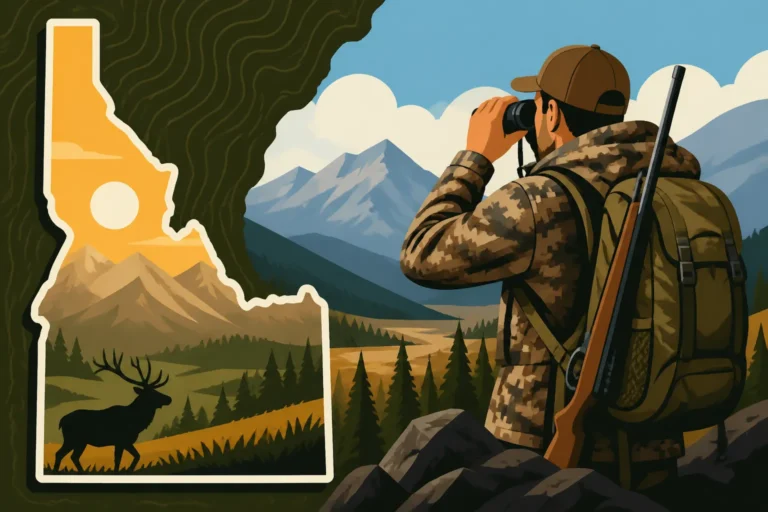
Among the species covered by Idaho's wilderness guide rule, elk are indeed front and center. Elk represent one of the most sought-after big game animals in Idaho, drawing hunters from all corners of the country. The demand for elk hunting, especially in these remote, pristine wilderness settings, is incredibly high. By including elk under the guide requirement, the state can better manage hunting pressure and ensure a level of expertise and safety in challenging terrain. This isn't about making it harder to hunt; it's about preserving the quality of the hunt and the health of the elk populations in these unique ecosystems. Elk hunting in Idaho's wilderness often means navigating incredibly rugged, steep, and timbered country, far from roads or emergency services. Having a licensed outfitter, who is intimately familiar with the terrain, game movements, and safety protocols, provides an added layer of responsible resource use. The rule applies to general season elk tags as well as controlled hunt tags if those hunts take place within designated wilderness. This distinction is crucial for planning your application and tag purchases. If you're wondering about other species, Which Species Trigger Idaho's Wilderness Guide Rule provides a comprehensive list.
Distinguishing Guided from DIY Elk Hunts in Wilderness
This is where many nonresident hunters hit a mental snag. Many of us pride ourselves on being self-sufficient, capable backcountry hunters. You might think, "Well, I'll just pack my own horses in, and that counts as DIY, right?" Unfortunately, no. For the purposes of Idaho's wilderness guide rule, if you're a nonresident hunting elk within a designated wilderness area, and you're not accompanied by or utilizing the services of a licensed Idaho outfitter, you are considered to be hunting illegally. It doesn't matter if you own the best pack string, have years of backcountry experience, or can navigate the roughest terrain blindfolded. The rule is specific: nonresident + elk + designated wilderness = licensed guide required. This means even if you're just receiving advice, logistical support, or transportation from someone who isn't a licensed outfitter or guide, you could be skirting the law. The rule is designed to be comprehensive to prevent loopholes. Your best bet is to either hunt outside the wilderness boundaries or embrace the guided experience if your heart is set on those specific wilderness units for elk.
Exceptions and Nuances to the Rule
While the rule about nonresidents and guides for wilderness elk hunting is pretty clear, like most regulations, it has its specific boundaries and exceptions that are important to understand. It's not a blanket ban on all nonresident hunting in all remote areas, but rather a targeted application.
When a Guide Is NOT Required for Elk
Here's the good news: the guide rule only applies if you are actually hunting elk within the boundaries of a federally designated wilderness area. This means if your dream hunt involves elk but takes place outside these specific wilderness boundaries, even if it's still remote backcountry on National Forest or BLM land, the nonresident guide requirement does not apply. You're free to hunt those areas on a DIY basis, packing in your own gear and horses, just like a resident. Many fantastic elk hunting opportunities exist in Idaho's vast public lands that are not designated wilderness. This distinction is critical when you're looking at maps and planning your hunt. Always double-check your unit boundaries against wilderness area maps to ensure you're in compliance. This often means understanding the nuances of Forest Service travel management plans and knowing exactly where the wilderness line is drawn. Sometimes, you can hunt right up to the wilderness boundary without needing a guide, though getting too close might lead to accidental incursions if you're not careful. Read up on Hunting Just Outside a Wilderness Boundary for more ideas.
How Residents Are Affected (Or Not)
One of the biggest differences with this rule is who it actually impacts: nonresidents. If you are an Idaho resident, you are absolutely free to hunt elk in designated wilderness areas without the need to hire an outfitter or guide. This privilege is extended to Idahoans as part of their resident hunting rights. So, while a nonresident might be eyeing the same steep, remote basin in the Frank Church Wilderness, the resident can pack in a horse, set up a spike camp, and hunt that country on their own terms. This difference often leads to questions about fairness, but it's a common approach in many Western states to prioritize resident access and hunting opportunities, especially in high-demand, limited-access areas. This resident privilege is a significant factor when considering your hunting options and budgeting your time and resources. For more on this, check out Can an Idaho Resident Hunt Wilderness Unguided?.
Species Exempt from the Rule
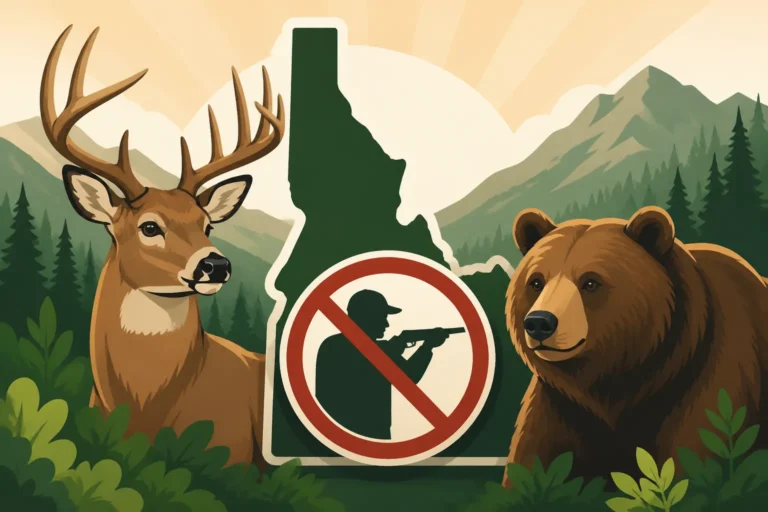
It's also worth noting that not all big game species fall under this nonresident guide requirement in wilderness areas. Specifically, deer (both mule deer and whitetail) and black bear are generally exempt from the rule. This means a nonresident can legally hunt deer or bear on a DIY basis within a designated wilderness area without a guide. This offers some fantastic opportunities for those looking for a true backcountry experience without the added cost of an outfitter. So, if your primary goal is a big mule deer buck in the Selway-Bitterroot, you can still plan that self-guided adventure. However, if an elk wanders into view and you have a deer tag, you cannot harvest it if you are a nonresident and unguided in wilderness. The rule is species-specific. This distinction between species is important for setting expectations and planning your tag applications. You can learn more about why these species are exempt in Why Deer Escapes the Idaho Wilderness Guide Rule.
Navigating Idaho's Wilderness Areas
Understanding the rules is one thing, but actually putting that knowledge into practice on the ground requires some serious planning and research. Idaho's wilderness areas are vast, rugged, and incredibly rewarding, but they demand respect and preparation.
Identifying Designated Wilderness
Before you can even think about hunting elk in Idaho, you need to know exactly where these designated wilderness areas are located. Idaho boasts some of the largest and most remote wilderness areas in the Lower 48, including the iconic Frank Church-River of No Return Wilderness, the Selway-Bitterroot Wilderness, and portions of the Sawtooth Wilderness. These areas are clearly marked on Forest Service maps, BLM maps, and most reputable hunting apps like GoHunt. It's not enough to simply look at a unit boundary; you need to overlay the wilderness boundary layer to see if your intended hunting ground falls within those lines. Understanding these boundaries is absolutely crucial for compliance. A good topographic map, satellite imagery, and GPS are your best friends here. Don't assume; verify. Even a small corner of your chosen hunting area touching wilderness could impact your plans. For a detailed look at which areas apply, check out Which Wilderness Areas the Idaho Rule Applies To.
Choosing an Outfitter for Elk
If you're a nonresident and set on hunting elk within Idaho's wilderness, then finding a reputable, licensed outfitter is your next critical step. This isn't a decision to take lightly, as a good outfitter can make or break your hunt. Start by researching outfitters who specifically operate in the wilderness area you're interested in. They hold special use permits from the Forest Service to conduct operations there. Websites like BookYourHunt are excellent resources for finding and vetting outfitters. Look for outfitters with a long history of operating ethically and successfully in that specific terrain. Ask for references and call them. Inquire about their success rates, what their typical hunts look like, how many clients they take, and what their safety protocols are. Verify their licensing through the Idaho Outfitters and Guides Licensing Board – it's a simple step that provides immense peace of mind. Remember, a licensed outfitter will have guides who meet Idaho's experience requirements and know the country intimately. Learn more about How to Verify an Idaho Outfitter License for essential tips.
Planning Your Hunt Around the Rule
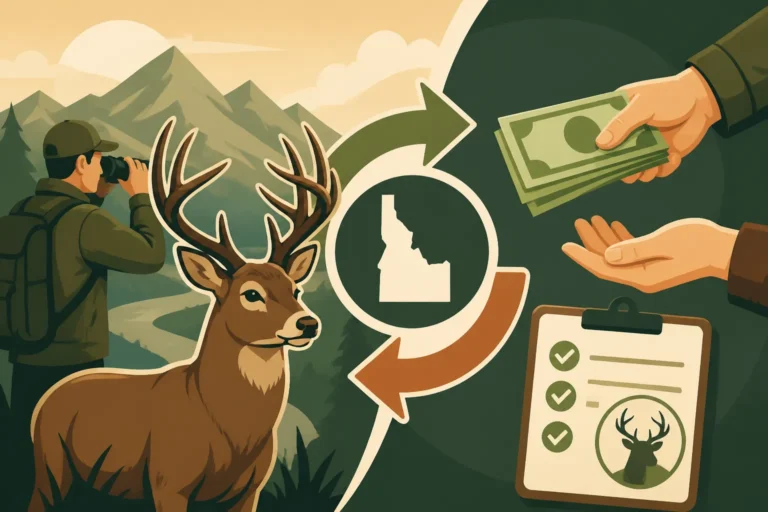
Effective planning involves more than just picking a unit; it means integrating the wilderness guide rule into every aspect of your hunt strategy. If you're going the guided route, start early. Top outfitters book up years in advance, especially for prime wilderness elk hunts. Coordinate your application for draw tags with your outfitter, as they often have specific units or hunt codes they prefer or have more experience in. If you're leaning towards a DIY hunt as a nonresident, you'll need to focus your research on units and areas outside designated wilderness boundaries. Utilize mapping tools from resources like GoHunt to clearly delineate these areas. Always double-check the current Idaho Fish and Game regulations each year, as rules can sometimes be updated. Understanding the draw calendar and how it aligns with booking an outfitter, or simply buying an over-the-counter tag for a general season outside wilderness, is paramount to a successful and legal hunt. Reviewing Booking Around the Idaho Draw Calendar can help you synchronize your application and booking timeline effectively.
Here's a quick summary table to help clarify Idaho's Nonresident Wilderness Guide Rule for Elk:
| Category | Nonresident Elk Hunt in Designated Wilderness | Nonresident Deer/Bear Hunt in Designated Wilderness | Nonresident Elk Hunt Outside Designated Wilderness | Idaho Resident Elk Hunt in Designated Wilderness |
|---|---|---|---|---|
| Licensed Guide Required? | YES | NO | NO | NO |
| Species Covered | Elk (also Moose, Bighorn Sheep, Mountain Goat, Mountain Lion) | Deer, Black Bear | Elk | Elk |
| Primary Goal | Preserve wilderness experience, resource management, safety for high-demand species | Provide DIY opportunities for other big game | Enable DIY access to vast public lands | Preserve resident hunting privileges |
| Planning Implication | Must contact licensed Idaho Outfitter | Can plan DIY hunt | Can plan DIY hunt | Can plan DIY hunt |
Remember, this rule is about protecting Idaho's incredible wilderness resources and ensuring a safe, responsible hunting experience. It might shift your plans, but it doesn't diminish the incredible opportunities that still exist in this magnificent state.
Disclaimer
This article is for general informational purposes only and does not constitute professional advice. Laws, prices and regulations vary by location and change over time. Consult a qualified professional for guidance on your specific situation.