Idaho Drop Camp Hunts Explained
Trying to get deep into Idaho's backcountry for an epic hunt, but feeling overwhelmed by the sheer logistics of packing in everything you need yourself? It's a common dilemma – you crave that remote experience, away from the crowds, but the thought of hauling all your gear, setting up a robust camp, and managing animal retrieval miles from the nearest road can quickly turn a dream hunt into a nightmare. This guide is here to walk you through everything you need to know about Idaho drop camp hunts, offering a fantastic middle-ground solution that brings those far-flung hunting dreams within reach without the full DIY headache.
What Exactly Is an Idaho Drop Camp?
A drop camp is essentially a backcountry camping experience where an outfitter provides the heavy lifting of getting your gear, and sometimes even a fully set-up camp, into a remote location. Think of it as a wilderness taxi service and sometimes a pre-made base camp rolled into one. You handle the hunting and all the daily camp chores, but you skip the grueling pack-in and pack-out of bulky tents, cooking equipment, and food supplies. It's an incredible option for hunters who are confident in their hunting skills and self-sufficiency in the wilderness but don't own horses, lack the specialized packing equipment, or simply don't have the time or physical ability to haul everything themselves.
The Wilderness Taxi Service
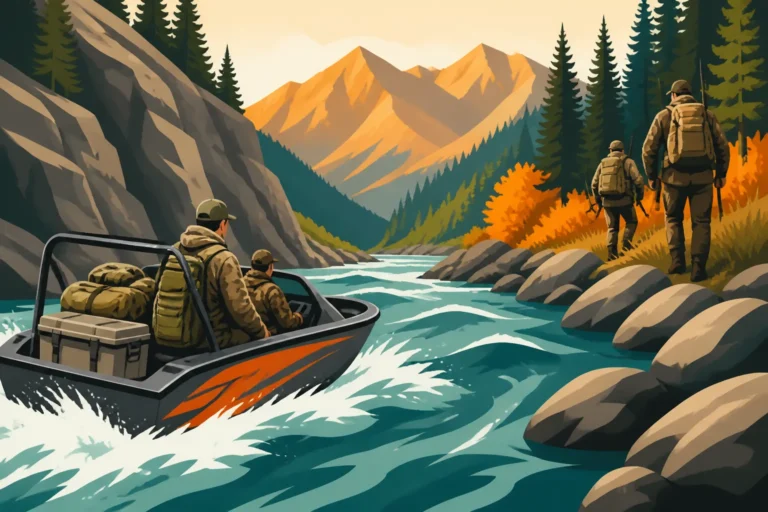
At its most basic, a drop camp is an outfitter transporting you and your gear via horses, mules, jet boat, or even small aircraft to a designated camp spot far from any road or trailhead. You supply all your personal hunting gear, food, sleeping arrangements, and even your own camp kitchen. The outfitter literally "drops" you off, sometimes leaving you with a few stock animals for retrieving game, and then picks you up on a pre-determined date. This option demands the highest level of self-reliance from the hunter, as you're truly on your own once the outfitter leaves. You'll need solid navigation skills, first-aid knowledge, and a complete understanding of wilderness living.
This can be a fantastic way to access areas that are impossible to reach on foot or with typical ATVs, putting you into prime, less-pressured game habitat. Imagine being flown into a remote airstrip deep in the Frank Church Wilderness and Idaho's Rules, where only a handful of hunters ever set foot. The feeling of solitude and raw wilderness is unparalleled, but so is the responsibility for your own well-being and success.
The Fully-Equipped Backcountry Basecamp
On the more comprehensive end of the spectrum, some outfitters offer fully equipped drop camps. This means they not only pack you and your gear in, but they also provide a complete camp setup, often including wall tents with wood stoves, cots, cooking gear, and sometimes even a limited food cache. You still do all your own hunting, cooking, and daily camp maintenance, but the major infrastructure is already there, ready for you. This significantly reduces the amount of personal gear you need to bring and the planning required for camp logistics.
This style of drop camp is perfect for groups of friends or families who want a comfortable backcountry experience without the enormous upfront investment in packing animals or specialized equipment. It allows you to focus more energy on scouting, hunting, and enjoying the camaraderie of camp life. You'll still need to bring your personal hunting gear, sleeping bag, and food for the week, but you won't be lugging in a 16×20 wall tent, which is a game-changer.
The Pros and Cons of an Idaho Drop Camp Hunt
Deciding if a drop camp is right for you involves weighing the benefits against the challenges. It’s a powerful tool for extending your reach into prime Idaho hunting grounds, but it's not without its specific demands. Many hunters find it the perfect sweet spot between a fully guided experience and a full-blown, gear-intensive DIY expedition.
Advantages of Choosing a Drop Camp
The biggest draw of an Idaho drop camp is undeniable access. Outfitters can get you into places that would be physically impossible or prohibitively time-consuming for most hunters to reach on their own. This means fewer human encounters, less pressured animals, and a truly wild hunting experience. You might be targeting Elk Are Why Most Hunters Come to Idaho deep in the timber, or Mule Deer Across Idaho's High Desert and Breaks in remote, rugged canyons, knowing that only a few determined souls will share that space with you.
Another significant advantage is the cost savings compared to a fully guided hunt. While you pay for the outfitter's services, you're not paying for a guide to be with you every single day, nor for them to cook and clean. This allows you to experience a high-quality backcountry hunt for a fraction of the price of a fully serviced trip. Furthermore, by letting the outfitter handle the heavy gear, you conserve your energy for the hunt itself. No more staggering under an enormous pack, questioning every step. You arrive fresher, more focused, and ready to pursue game. It's about optimizing your physical output for where it matters most: the actual hunting.
Disadvantages and Challenges to Consider
While drop camps offer incredible opportunities, they come with their own set of challenges. One of the most critical aspects is the complete lack of daily guidance. Unlike a fully guided hunt where your guide helps with strategy, animal location, and recovery, in a drop camp, you are entirely responsible for finding, stalking, and recovering your game. This requires excellent hunting skills, a deep understanding of the terrain, and robust navigation abilities. If you're new to Western hunting or unfamiliar with the specific area, this lack of guidance can be a steep learning curve. This is where tools like GoHunt can be invaluable for e-scouting and understanding the lay of the land before you even step foot in it.
Another major consideration is game retrieval. While some outfitters might leave you with a pack animal, often you are responsible for caping, quartering, and packing out your animal to a designated pickup point. A downed elk, especially miles from camp in steep country, can quickly become an overwhelming task if you're not prepared. You need to be in Physical Conditioning for Idaho Backcountry for this kind of work, and have a solid plan for how you'll manage hundreds of pounds of meat and bone. Also, remember that in some Designated Wilderness Changes the Rules for Idaho Nonresidents, nonresidents might even face restrictions on which animals they can hunt without a guide, so always double-check the regulations for your chosen area.
| Feature | DIY Hunt | Drop Camp Hunt | Fully Guided Hunt |
|---|---|---|---|
| Cost | Lowest | Mid-range | Highest |
| Effort (Prep) | Highest (all gear, logistics, packing) | Mid-range (personal gear, food) | Lowest (outfitter handles most) |
| Effort (Hunt) | Highest (all hunting, retrieval) | High (all hunting, retrieval) | Lower (guide assists with hunting, retrieval) |
| Camp Setup | You provide and set up everything | Outfitter transports/provides base camp | Outfitter provides and maintains |
| Daily Guidance | None (100% self-reliant) | None (100% self-reliant) | Full daily guidance |
| Gear Transport | You carry everything | Outfitter transports heavy gear | Outfitter transports all gear |
| Wilderness Access | Limited by personal packing ability | Excellent, deep backcountry access | Excellent, deep backcountry access |
| Recovery Assist | None | Limited/Self-reliant (sometimes pack animal) | Full assist from guide |
Logistics: How Idaho Drop Camps Actually Work
Once you've decided a drop camp is the right adventure for you, understanding the nuts and bolts of how they operate is crucial. This isn't like booking a hotel; there's a good deal of coordination and responsibility on your end. The more informed you are, the smoother your backcountry experience will be.
Booking and Coordination with Your Outfitter
The process typically starts by researching and selecting an outfitter. This is a critical step, as the quality of your drop camp experience hinges on a reputable and well-organized outfitter. Many hunters start by looking at platforms like BookYourHunt to compare different outfitters and their offerings. You'll want to ask plenty of questions, such as what's included in their standard drop camp package, what specific areas they operate in, and how they handle game retrieval. Pay close attention to their communication style and responsiveness – a good outfitter will be transparent and eager to answer all your concerns. Make sure to vet them thoroughly by following tips from Vetting an Idaho Outfitter Before You Send a Deposit.
Once you book, clear communication regarding dates, meeting points, gear weight limits, and specific expectations is paramount. Outfitters often have strict weight limits for gear due to the capabilities of their pack animals or aircraft. You’ll be given a timeframe for when to arrive at the trailhead or staging area, and when you can expect your pickup. It's like planning a military operation, where every detail matters for success and safety.
What a Drop Camp Typically Includes (and Excludes)
What exactly an Idaho drop camp "includes" can vary dramatically between outfitters and even between different packages from the same outfitter. At a minimum, you can expect transportation for you and your gear to and from a remote camp location. This could be by horseback and pack string, jet boat up a river like the Salmon, or even by plane to a backcountry airstrip.
Beyond transport, some outfitters might include a basic camp setup: a wall tent, wood stove, water filter, cooking grate, and perhaps even a table and chairs. Others might only provide the "drop" service, meaning you bring everything from your tent to your coffee pot. It's absolutely crucial to get a detailed list of what's provided versus what you need to bring.
What's Almost Always Excluded:
- Food: You are responsible for all your own food and cooking.
- Personal Gear: Sleeping bags, hunting clothes, optics, firearms, and personal hygiene items are always on you.
- Guiding: There is no daily guide services or assistance with hunting strategy.
- Tags and Licenses: You'll need to purchase your Idaho Nonresident Hunting License Price and specific game tags well in advance.
- Meat Processing: While the outfitter might assist with packing out game to a trailhead, further processing is your responsibility.
- Emergency Gear: First-aid kits, satellite communicators, and survival essentials are your burden.
It's wise to have a satellite communication device like a Garmin inReach or Zoleo, especially if you're in an area with no cell service. Even if the outfitter provides some camp items, a personal touch like a comfortable sleeping pad or your favorite coffee setup can make a huge difference in morale after a long day of hunting.
Vetting a Drop Camp Outfitter
Choosing the right outfitter for your Idaho drop camp can make or break your trip. You're entrusting them with your safety and access to the backcountry, so don't rush this decision. A little due diligence upfront saves a lot of heartache later.
Asking the Right Questions
When you're talking to potential outfitters, don't be shy about asking direct and detailed questions. Beyond the basics of what's included, dive into specifics about their experience in the particular hunt area you're interested in. Ask how long they've been operating drop camps in that unit or Idaho Elk Zones Explained. Inquire about their typical client success rates, especially for drop camps, keeping in mind that "success" for a drop camp often means "opportunity" rather than guaranteed harvest, given the unguided nature.
It's also important to understand their safety protocols. What's their plan for medical emergencies? How do they communicate with drop camps in the backcountry? Do they carry satellite phones or other communication devices? What about their animal handling practices – how well are their pack animals taken care of? This gives you insight into their professionalism and commitment to ethical operations. You can also ask about their policy on game retrieval and how many horses they typically leave with a group, if any.
Checking References and Credentials
Any reputable Idaho outfitter should be licensed by The Idaho Outfitters and Guides Licensing Board Explained. You can and should verify their license directly through the board's website. This ensures they meet the state's minimum standards for operation. Beyond licensing, ask for references – specifically from hunters who have used their drop camp services in the last year or two.
When you call these references, ask them about their overall experience:
- Did the outfitter deliver on everything promised?
- Were the camp facilities as described?
- How was the communication before, during, and after the hunt?
- Did they feel safe and well-supported (within the limits of a drop camp)?
- How did the outfitter handle any unexpected issues or challenges?
Also, check online reviews and forums, but take them with a grain of salt. Look for consistent themes, both positive and negative. A few negative reviews might just be disgruntled clients, but a pattern of issues is a red flag. Remember, the goal is to find someone reliable who will get you into the backcountry safely and set you up for a great hunt, even if the animals don't always cooperate.
What to Expect on a Drop Camp Hunt
Embarking on an Idaho drop camp hunt is an adventure unlike any other. It combines the thrill of self-reliant backcountry hunting with the convenience of outfitter support. But to truly enjoy it, you need to go in with realistic expectations.
Arrival, Setup, and Daily Life in Camp
Your adventure will likely begin at a designated trailhead or meeting point, often deep in the National Forest. Here, you'll meet your outfitter and guides, weigh your gear, and prepare for the pack-in. It's usually a long ride or boat trip into camp, often through stunning but rugged terrain. Once you arrive at your pre-determined camp location, you'll either find a fully set-up camp waiting or begin setting up your own tents and gear, depending on your chosen package.
Daily life in a drop camp is rugged and self-sufficient. You'll be waking up early, cooking your own meals over a fire or camp stove, filtering water, and managing your supplies. The days will be spent hunting, scouting, and hiking, often covering vast distances. Evenings are for camp chores, strategizing for the next day's hunt, and perhaps sharing stories around a crackling fire under a blanket of Idaho stars. This is where the solitude and raw beauty of the Idaho wilderness truly sink in. You might be camped near a hidden spring in a deep canyon, or on a high ridge overlooking miles of timber. Knowing your Idaho's Motorized Hunting Rule Runs August Into December means you'll be well off the beaten path, far from any vehicle noise.
Hunting Strategy and Game Recovery
The hunting strategy in a drop camp is entirely up to you and your group. This is where your pre-hunt scouting, mapping skills, and understanding of game behavior really pay off. Use tools like The Idaho Hunt Planner Is the Tool to Start With to study the unit, understand the terrain, and identify potential bedding, feeding, and water sources. Look at Reading Harvest Statistics by Idaho Unit to get a sense of historical success. You'll need to locate animals, plan your stalks, and make ethical shots. This self-direction is a huge part of the appeal for many drop camp hunters.
If you are fortunate enough to harvest an animal, especially something as large as an elk, the real work begins. You'll need to know how to field dress, quarter, and potentially bone out the animal efficiently to preserve the meat. Packing it back to camp, and then ultimately to your designated pickup point, can be the most physically demanding part of the entire hunt. Having a solid plan for game recovery, including enough robust pack frames and knowing your route, is crucial. This is particularly important because Why You Cannot Drive Off Road to Retrieve Game is a strict rule in Idaho, meaning any downed animal must be packed out to an established road. For non-residents, remember that certain species may fall under Idaho Forces Nonresidents to Hire a Guide for Wilderness Elk rules inside designated wilderness, so confirm your target species and unit boundaries.
Disclaimer
This article is for general informational purposes only and does not constitute professional advice. Laws, prices and regulations vary by location and change over time. Consult a qualified professional for guidance on your specific situation.