Is State Endowment Land Open to Hunting?
Navigating the patchwork quilt of public and private land in Idaho can feel like solving a complex puzzle, especially when you're just trying to figure out where you can legally pursue game. Many hunters, myself included, have stood at a fence line, scratching their heads and wondering if that promising-looking timber or sagebrush flat is actually open to them. One common source of confusion revolves around Idaho's State Endowment Lands, leaving many to ask: "Can I hunt here, or is this off-limits?" This guide aims to clear up that very question, giving you the confidence to explore these often overlooked hunting opportunities.
Understanding Idaho's State Endowment Lands
Idaho's State Endowment Lands are a unique and often misunderstood category of public land. Unlike National Forests or BLM ground, which are managed for multiple uses including recreation and conservation, endowment lands have a very specific primary purpose: to generate revenue for specific public institutions, primarily Idaho's public schools, universities, and other state entities. This fundamental difference in mission directly impacts how these lands are managed and, consequently, how they can be used for activities like hunting.
The Purpose Behind Endowment Lands
Imagine a trust fund, but instead of stocks and bonds, it's tracts of land across the state. That's essentially what Idaho's State Endowment Lands are. These lands were granted to Idaho at statehood to provide a perpetual income stream for public beneficiaries. This means the Idaho Department of Lands (IDL), which manages these properties, is legally bound to manage them for maximum long-term financial return. This can involve timber harvesting, agricultural leases, grazing permits, and even commercial development in certain areas. It's not always about recreation first, which can sometimes feel counterintuitive for hunters accustomed to federal public lands.
Sometimes, you'll see a prime piece of ground that looks perfect for an elk stand, only to find it's a State Endowment parcel. The initial reaction might be frustration, wondering if it's "public" but not really "open." The good news is, for the most part, hunting is absolutely permitted on these lands. However, because of their revenue-generating purpose, there might be ongoing operations like logging or cattle grazing that you need to be aware of. This isn't necessarily a deterrent, but it's a practical consideration for your hunting strategy, as activity on the land can influence game movement.
Differentiating From Other Public Land Types
It's crucial to understand that State Endowment Lands are distinct from other public land categories in Idaho. They are not federal lands (like those managed by the US Forest Service or Bureau of Land Management), nor are they state parks or Wildlife Management Areas (WMAs). Each type of land has its own managing agency, its own set of rules, and its own primary purpose.
For instance, National Forests typically have broad, long-standing policies for hunting and recreation, with an emphasis on preserving wilderness character and wildlife habitat. BLM lands are often vast and open, managed for multiple uses including grazing, mining, and recreation. Wildlife Management Areas, managed by Idaho Fish and Game, are specifically set aside and managed primarily for wildlife habitat and public hunting/fishing access. State Endowment Lands, while often providing great habitat, prioritize revenue generation. This distinction is vital because the nuances of access, temporary closures, or even the presence of commercial activity will stem from this core difference. Always confirm the specific managing agency when you're in the field, which is where tools like onX Hunt really shine, showing land ownership at a glance. Public Land Opportunity in Southern Idaho
Rules and Regulations for Hunting on Endowment Lands
Generally speaking, Idaho's State Endowment Lands are open to public hunting, fishing, and trapping. This is a huge benefit for hunters looking for additional access beyond federal ground. However, "generally" is the key word here. Because these lands are managed for revenue, there are specific circumstances and rules you need to be aware of to ensure you're hunting legally and safely.
General Access and Specific Restrictions
The default for Idaho State Endowment Lands is open access for hunting. You don't need a special permit from the IDL beyond your standard Idaho hunting license and tags for the species you're pursuing. This is a common misconception; many assume that because they're managed differently, a separate permit is required. That's usually not the case for general hunting.
However, there are important exceptions and conditions. Sometimes, portions of endowment land might be temporarily closed for active logging operations, wildfire prevention, or other commercial activities. These closures are usually posted with clear signage, and it's your responsibility as a hunter to heed them. Imagine rolling up to a prime hunting spot you scouted, only to find "No Entry" signs due to a timber sale. It's frustrating, but understanding the land's purpose helps manage expectations.
Furthermore, some endowment lands might be leased for agricultural purposes, such as grazing cattle or cultivating crops. While these leases don't always prohibit hunting, they often come with specific stipulations about respecting private property, gates, fences, and livestock. You should always close gates behind you and avoid disturbing active farming or ranching operations. If there are buildings or livestock, practice good judgment and give them a wide berth. These aren't private lands, but they are lands where commercial activities are taking place. Getting Landowner Permission in Idaho
Commercial Leases and Their Impact on Hunters
This is where the revenue-generating aspect of endowment lands really comes into play and can sometimes cause confusion for hunters. A significant portion of Idaho's State Endowment Lands are leased for various commercial activities, including timber, grazing, agriculture, and even recreation outfitters. These leases are legitimate commercial operations designed to fulfill the IDL's mandate.
While a commercial lease does not automatically close the land to public hunting, it can introduce complexities. For example, a parcel might be leased to a rancher for cattle grazing. The rancher doesn't own the land, but they have a right to conduct their business there. Hunters still generally have access, but they must do so in a way that doesn't interfere with the lessee's operations. This means:
- Respecting Infrastructure: Don't cut fences, leave gates open, or damage water lines or other rancher property.
- Avoiding Conflict with Livestock: Give cattle, sheep, or horses ample room. Do not harass them.
- Checking for Specific Posted Restrictions: In very rare cases, a lease might have specific provisions that restrict certain access, especially around active farmyards or during sensitive periods. Always look for posted signs.
It's a balance of rights. As a hunter, you have a right to access these public lands, but the lessee also has a right to conduct their business without interference. Good etiquette and prior research can prevent headaches. Remember, the Idaho Department of Lands aims to manage these lands for both revenue and public benefit, which includes recreational hunting where compatible.
Navigating Endowment Lands with Mapping Tools
In today's hunting world, digital mapping tools are an absolute game-changer, especially when dealing with complex land ownership like Idaho's State Endowment Lands. Relying on an old paper map or just hoping you're in the right spot is a recipe for trouble and potential trespassing.
The Power of GPS and Mapping Apps
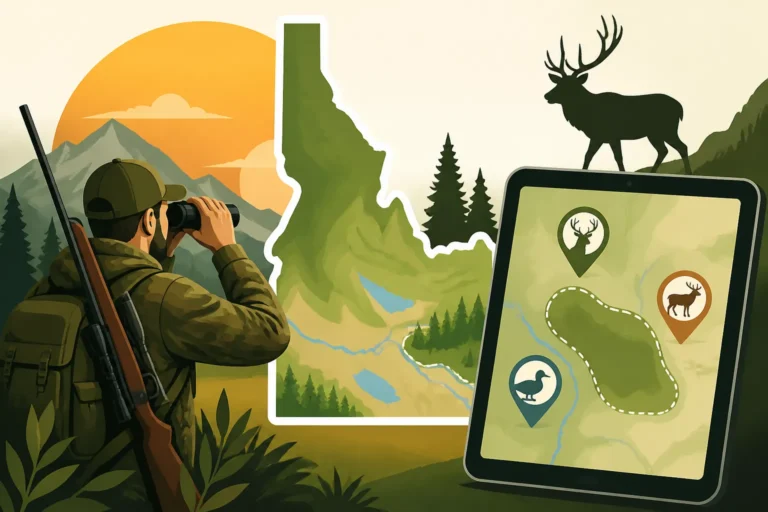
Gone are the days when you had to guess if you were on a state parcel or private property. Modern GPS devices and, more commonly, smartphone apps like onX Hunt, make identifying land ownership incredibly easy and accurate. These tools use GIS data to overlay land boundaries and ownership information directly onto a topographic map or satellite imagery.
When you're considering a hunt on State Endowment Land, these apps are indispensable. You can clearly see the distinct light green shading that often denotes these parcels, differentiating them from federal lands (like yellow for BLM or dark green for Forest Service) or private holdings. This visual clarity eliminates doubt and helps you plan your approach, understand potential access points, and avoid accidentally straying onto private ground. Using onX Layers for Idaho Public Land
Moreover, many of these apps, including onX Hunt, often include additional layers that can show things like roads, trails, water sources, and even public access points designated by programs like Access Yes, which might further aid your navigation on endowment lands. Being able to mark waypoints for a likely bedding area on a state parcel, or saving a route to avoid a leased agricultural field, puts a lot of power in your hands.
Utilizing Online Resources and Planning Tools
Beyond field-based mapping apps, there are also excellent online resources that can help you scout and plan your hunt on State Endowment Lands from the comfort of your home. The Idaho Department of Lands website often has interactive maps or GIS data viewers that show their land holdings. Similarly, the Idaho Fish and Game's The Idaho Hunt Planner Is the Tool to Start With is invaluable for overlaying hunt unit boundaries, elk zones, and even certain public land types.
Platforms like GoHunt also provide robust mapping features and detailed information that can include public land breakdowns, drawing odds, and harvest statistics. While they may not replace the official IDL maps for specific lease details, they offer a great big-picture view, allowing you to identify large blocks of endowment land within your chosen hunt unit. This upfront planning can save you countless hours of driving and on-the-ground scouting, helping you determine if a particular area has enough accessible endowment land to make it worth your effort.
When combining these online tools with your field-based mapping app, you create a powerful scouting system. You can identify potential areas with high public land percentages, including endowment lands, then dig deeper into specific parcels to understand the terrain, access, and any visible signs of commercial activity.
Making the Most of Your Idaho Endowment Land Hunt
Hunting State Endowment Lands can be a rewarding experience, often offering less pressured opportunities than some federal lands, simply because many hunters aren't as familiar with them or are intimidated by the perceived complexity. With a little homework and the right mindset, you can effectively incorporate these valuable parcels into your hunting plans.
Strategies for Scouting and Access
When scouting State Endowment Lands, approach them with the same diligence you would any other public land, but with a few added considerations:
- Look for Signage: Always be on the lookout for official IDL signs, especially those indicating temporary closures, active logging, or specific leaseholder instructions. If you see active timber operations, it's usually best to move to another area for safety and to avoid disturbing their work.
- Identify Access Points: Just like other public lands, not all endowment lands have clear, defined access points. Use your mapping app to identify roads, trails, and property lines. Sometimes, a small public road might offer the only legal access through adjacent private ground to reach an endowment parcel.
- Observe Commercial Activity: Pay attention to signs of agricultural use (fences, barns, cattle, irrigation equipment) or timber activity (skid trails, logging roads, fresh cuts). This tells you what's happening on the ground and can inform your hunting strategy. Elk might avoid areas with active logging, but they might also be drawn to new growth or forage in recently logged areas later.
- Terrain and Habitat: Endowment lands come in all shapes and sizes, from mountainous timber to sagebrush flats. Scout them for prime habitat just as you would any other land. Look for water, north-facing slopes, dense cover, and natural pinch points for game movement. Reading Fresh Elk Sign in Dark Timber
Think of these lands as another tool in your public land hunting toolbox. They add variety and often expand your options, especially if you're willing to do a bit more research and adapt to potential commercial uses.
Respecting the Land and Its Other Users
This cannot be stressed enough: ethical behavior and respect for the land are paramount, especially on State Endowment Lands. Because these lands are managed for revenue, they often have active commercial operations. Your actions as a hunter directly reflect on the hunting community and can influence future access decisions.
- Leave No Trace: Pack out everything you pack in. This includes trash, spent casings, and anything else.
- Respect Gates and Fences: If a gate is closed, close it behind you. If it's open, leave it open. Never damage fences.
- Be Mindful of Livestock: If you encounter cattle or other livestock, give them a wide berth. Do not harass them or their herding dogs.
- Avoid Disturbing Commercial Operations: If you see logging crews, farmers, or ranchers actively working, give them space and avoid interfering with their operations. This is their livelihood.
- Report Violations: If you witness illegal dumping, resource damage, or other violations, report them to the Idaho Department of Lands or Idaho Fish and Game.
- Know Your Boundaries: Use your mapping tools to ensure you are always on public land and not inadvertently trespassing onto adjacent private property. This is your responsibility.
By being a good steward of these lands and showing respect for all users, you help ensure that State Endowment Lands remain open and accessible for hunting for generations to come. They are a valuable, if sometimes complex, component of Idaho's incredible public land hunting heritage. Hunting Idaho's National Forests and BLM Ground
| Land Type | Primary Management Goal | Hunting Access (General) | Common Commercial Uses | Key Distinguishing Features |
|---|---|---|---|---|
| State Endowment Land | Generate revenue for public institutions | Generally Open | Timber, grazing, agriculture | Managed by IDL, revenue-focused, may have active leases. |
| National Forest (USFS) | Multiple use, conservation, recreation | Generally Open | Timber, grazing, recreation, some mining | Managed by USDA, emphasis on ecosystems, designated wilderness. |
| Bureau of Land Management (BLM) | Multiple use, resource management | Generally Open | Grazing, mining, energy, recreation | Managed by DOI, often vast, arid landscapes, checkerboard ownership. |
| Wildlife Management Area (WMA) | Wildlife habitat & public recreation | Specifically Managed | Limited (habitat focus) | Managed by IDFG, habitat enhancement, specific WMA rules may apply. |
| Idaho State Park | Recreation, conservation, public enjoyment | Often Restricted | None (recreation focused) | Managed by Idaho Parks & Rec, hunting typically prohibited or very limited. |
Disclaimer
This article is for general informational purposes only and does not constitute professional advice. Laws, prices and regulations vary by location and change over time. Consult a qualified professional for guidance on your specific situation.