Jet Boat Access on the Salmon River
When you're dreaming of hunting Idaho, you're likely picturing vast, untamed wilderness, steep canyons, and big game far from the beaten path. But actually getting into those remote, roadless areas, especially along the famed Salmon River, can feel like an impossible puzzle. Many of the most pristine hunting opportunities are locked behind miles of rugged terrain, where traditional vehicle access simply doesn't exist. This guide will help you understand how jet boats unlock those elusive hunting grounds on the Salmon River, detailing the logistics, regulations, and realities of hunting Idaho's "River of No Return."
Why the Salmon River Demands Jet Boat Access for Hunters
The Salmon River, often called the "River of No Return" due to its powerful currents and challenging navigation, carves a path through some of Idaho's most rugged and spectacular wilderness. For hunters, this translates into incredible opportunities for elk, mule deer, and even bear, but also significant access challenges. Unlike other regions where forest roads spiderweb through hunting units, much of the Salmon River corridor, particularly once you get upstream from towns like Riggins, is a roadless expanse.
Navigating Roadless Terrain and Deep Canyons
Imagine staring at a topographic map, seeing vast swaths of green and brown indicating national forest land or even designated wilderness areas, and realizing there isn't a single road or trail leading into the spots where the big bulls or bucks might be. This is the reality along much of the Salmon. The river itself becomes the highway, the only practical way to penetrate deep into these canyons. Attempting to hike in from distant trailheads often means multi-day treks just to reach the river's edge, let alone establish a base camp and hunt effectively. Jet boats drastically cut down on travel time, allowing hunters to access areas that would otherwise be almost impossible to reach on foot in a reasonable timeframe, saving precious days of energy for the hunt itself.
Bypassing Motorized Restrictions
Idaho has strict rules about motorized travel off established roads, especially during hunting season. Idaho's Motorized Hunting Rule Runs August Into December is a prime example of regulations designed to protect wildlife and habitat. While these rules restrict vehicles on land, jet boats operate within the river corridor, offering a legal and effective means of bypassing the very terrain that prevents vehicle access from the upland. You can power miles upstream, drop off, and then head into the country on foot, respecting the spirit of fair chase while still utilizing modern technology to get where you need to be. This unique form of access truly opens up units that might otherwise see very little hunting pressure.
Planning Your Jet Boat Hunt: Logistics and Regulations
Embarking on a jet boat hunt along the Salmon River is a significant undertaking that requires careful planning, a solid understanding of regulations, and often, specialized equipment. It's not as simple as launching a fishing boat and heading upstream; the Salmon demands respect and preparation.
Understanding River-Specific Regulations and Wilderness Rules
The Salmon River flows through a mix of national forest, BLM land, and famously, designated wilderness areas like the Frank Church-River of No Return Wilderness. Each of these land designations comes with its own set of rules, and it’s critical to know them before you go. For example, if you plan to hunt within a designated wilderness area, Designated Wilderness Changes the Rules for Idaho Nonresidents. Specifically, Idaho Forces Nonresidents to Hire a Guide for Wilderness Elk if you're targeting that species. This can significantly impact your planning if you're a nonresident dreaming of a DIY wilderness elk hunt via jet boat. Always double-check the specific unit regulations through the Idaho Fish and Game website or The Idaho Hunt Planner Is the Tool to Start With.
Beyond land-use rules, there are river-specific considerations. Speed limits might apply in certain zones, and knowing where to launch and land safely is paramount. The river can be unpredictable, with shifting sandbars, submerged rocks, and powerful rapids, particularly during different flow seasons. Always be aware of other river users, too, as the Salmon is popular for rafters, kayakers, and other recreationalists.
Mapping Out Access Points and Hunting Zones
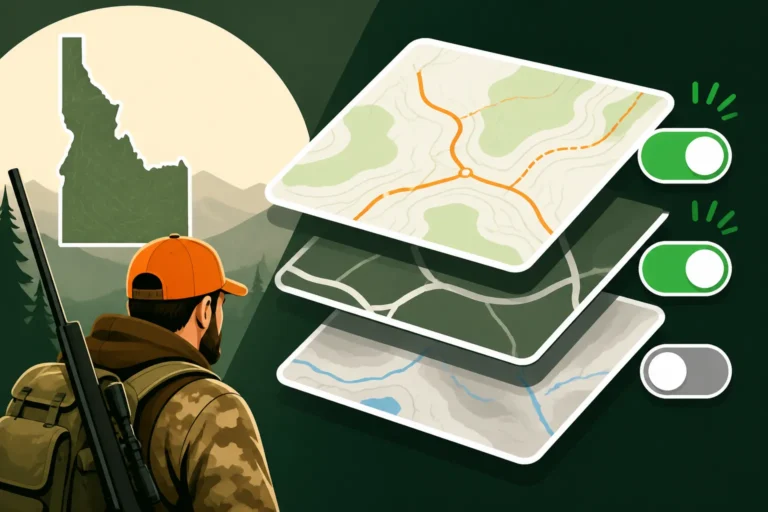
Choosing your launch and retrieval points is the first big logistical hurdle. Towns like Riggins serve as common gateways, but deeper access might require knowing the specific, remote ramps or suitable gravel bars where you can put in. This is where tools like onX Hunt become invaluable. You can zoom in and identify potential launch spots, scout the terrain for glassing points once you're ashore, and mark your camp locations. Layering public land boundaries, roads, and trails (or lack thereof) will give you a clear picture of where you can legally hunt and how far you might need to hike from your river drop-off.
Another valuable resource is GoHunt, which can help you research specific units accessible from the Salmon River. You can look at historical harvest data, draw odds for controlled hunts in those zones, and public land percentages to gauge potential hunting pressure and success rates. Combine this with detailed satellite imagery on onX Hunt to really get a feel for the terrain, elevation changes, and timber patterns that might hold game.
Essential Gear and Safety Considerations
A jet boat hunt demands a robust gear list. Beyond your standard hunting equipment, consider:
- River Gear: Dry bags for all your essentials, extra fuel, repair kits for the boat, satellite communication devices (many areas have no cell service), and comprehensive first-aid kits. Life jackets are non-negotiable.
- Camping Gear: Durable, weatherproof tents, cooking equipment, and food that can withstand rough transport and potential moisture. You'll likely be setting up camp on river bars or small benches.
- Packing Out Gear: Game bags, a solid meat hauling frame pack, and a robust quartering knife kit are critical. Remember, once you harvest an animal, you'll need to pack it back to the river, often across incredibly steep and brushy terrain. Can You Drive Off Road to Retrieve Downed Game is still in effect once you're off the water, so vehicles are out of the question for retrieval.
- Navigation: In addition to your onX Hunt app, carry physical maps and a compass as a backup. GPS devices are also highly recommended.
Safety on the river is paramount. Always tell someone your float plan, including your expected return time and exact access points. The Salmon River can turn dangerous quickly with weather changes or unexpected river conditions. Boating experience, particularly with jet boats in swift water, is not just recommended, it's essential.
On the Ground: The Jet Boat Hunting Experience
Once you've navigated the powerful currents and safely landed your jet boat on a remote gravel bar, the real Idaho hunting experience begins. This isn't a hunt for the faint of heart; it's physically demanding, often isolated, and deeply rewarding.
Target Species and Unique Challenges
The Salmon River country is prime habitat for several big game species. Elk Are Why Most Hunters Come to Idaho, and the deep canyons and timbered slopes accessed by jet boat hold significant numbers of these majestic animals. Mule deer also thrive in the more open, sagebrush-covered breaks and rocky outcroppings. Mule Deer Across Idaho's High Desert and Breaks often frequent the steep hillsides adjacent to the river. Black bears are also common, particularly in the spring during green-up, or in the fall when they're foraging for berries and other food sources before winter.
The challenges are considerable. The terrain immediately off the river is often incredibly steep, rocky, and covered in dense brush, making ascent and travel slow and arduous. Temperatures can swing wildly between day and night, and weather can change from sunny and warm to rain or snow in a matter of hours. Reading the wind in these canyons is also tricky, as currents can swirl unpredictably, making stalks difficult.
Life in a River Camp
Your camp will likely be a temporary setup on a river bar or a small, flat bench above the water. Isolation is a given, which for many hunters, is the entire appeal. The sounds of the river will be your constant companion. Water sources are plentiful, but always filter or treat river water. You'll spend your days climbing the brutal slopes, glassing timbered pockets and open draws for game, and your evenings recovering in camp, sharing stories, and planning the next day's strategy. This type of hunting fosters a deep connection to the wilderness and relies heavily on self-reliance and teamwork.
Packing out an animal from these remote river locations is arguably the biggest challenge. There are no ATVs, no roads, and often no easy trails. Every pound of meat, hide, and antlers must be carried on your back, often down incredibly steep slopes, back to your boat. This is why physical conditioning before a jet boat hunt is absolutely paramount. It's an adventure that requires grit, determination, and a willingness to push your physical limits.
DIY Versus Guided Jet Boat Hunts on the Salmon
Deciding whether to tackle a jet boat hunt yourself or hire an outfitter depends on your experience, comfort level with river navigation, budget, and hunting goals. Both options have distinct advantages and disadvantages.
The Self-Guided (DIY) Jet Boat Hunt
A DIY jet boat hunt offers the ultimate freedom and a potentially lower cost, assuming you own a capable jet boat and have the necessary experience. You control the schedule, the areas you explore, and the pace of your hunt. This option is best suited for experienced boaters who are familiar with the Salmon River's unique challenges and have extensive backcountry hunting experience. It requires significant preparation, including meticulous planning of routes, potential camp spots, and emergency contingencies. This is also where your own detailed scouting using onX Hunt comes into play, as you'll be solely responsible for finding game and navigating the terrain.
However, the risks are higher. A mechanical issue with the boat, an unexpected change in river conditions, or a hunting accident in a remote area can quickly turn dangerous. Retrieving game without assistance, especially large animals like elk, can be exhausting and time-consuming. You're completely on your own, responsible for all aspects of the trip, from navigation and safety to cooking and packing out your harvest.
Hiring an Outfitter for a Jet Boat Hunt
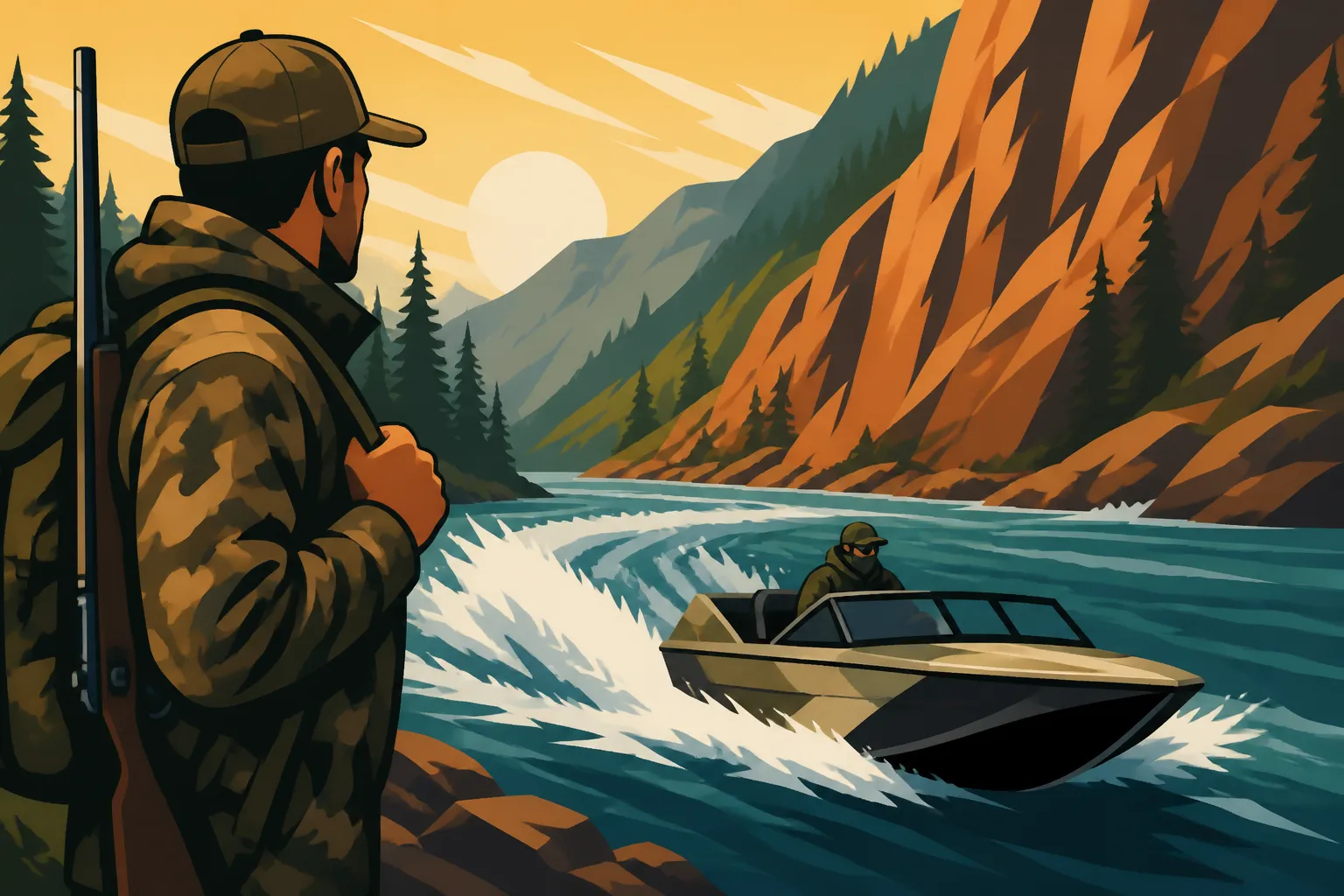
Many reputable Idaho outfitters specialize in jet boat access hunts on the Salmon River. These services can range from fully guided hunts, where the outfitter provides the boat, guides, camp, food, and often, even helps with game retrieval and packing, to "drop camp" services. With a drop camp, the outfitter transports you and your gear via jet boat to a predetermined, remote camp location, drops you off, and then picks you up at a specified time. Jet Boat Drop-Offs on the Salmon River are a popular service that allows hunters to access prime areas without the responsibility of owning or operating a jet boat.
Hiring an outfitter mitigates many of the risks and logistical headaches of a DIY trip. Experienced guides know the river, the hunting areas, and how to navigate safely. They often have established camps and systems for dealing with harvested game. This option is particularly attractive for nonresidents who face the wilderness guide rule for elk or for anyone who prefers to focus solely on the hunt without the added stress of river navigation and backcountry logistics. While the cost is significantly higher, the peace of mind and enhanced potential for success can make it a worthwhile investment. When vetting an outfitter, always look up their licensing information and ask for references.
Regardless of whether you go DIY or guided, jet boat access on the Salmon River provides a unique and unforgettable Idaho hunting adventure. It opens up a truly wild and challenging landscape, offering some of the most rewarding experiences a hunter can find.
| Feature | DIY Jet Boat Hunt | Guided Jet Boat Hunt (Full Service) | Drop Camp Jet Boat Service |
|---|---|---|---|
| Boat & Operation | Your responsibility, requires experience | Provided by outfitter, operated by guide | Provided by outfitter, operated by guide (transport only) |
| Cost | Lower initial cost (if boat owned), high prep | Significantly higher | Moderate, covers transport and camp setup |
| Logistics | All aspects your responsibility | Handled by outfitter | Outfitter handles transport, you manage camp/hunt |
| Experience Level | High river and hunting experience needed | Minimal river experience, some hunting experience | Moderate hunting experience, no river experience |
| Safety | Entirely your responsibility, higher risk | Outfitter manages, lower risk | Outfitter manages transport safety, you manage camp/hunt safety |
| Game Retrieval | Your responsibility, very challenging | Often assisted by guides | Your responsibility, very challenging |
| Wilderness Access | Limited for nonresidents targeting elk | Allowed for nonresidents targeting elk (with guide) | Limited for nonresidents targeting elk |
| Freedom | Maximum control over hunt parameters | Follows outfitter's plan | Freedom once dropped, within outfitter's pick-up schedule |
Disclaimer
This article is for general informational purposes only and does not constitute professional advice. Laws, prices and regulations vary by location and change over time. Consult a qualified professional for guidance on your specific situation.