Sawtooth Wilderness Hunting Access
Hunting Idaho's Sawtooth Wilderness is an experience that many dream of, but the sheer vastness and strict regulations can be incredibly daunting for anyone trying to plan a trip. It's easy to feel overwhelmed by where to even begin, from understanding the specific rules about motorized travel to figuring out how to access such remote areas. This guide is here to break down the complexities of hunting access in the Sawtooth Wilderness, giving you the clear, actionable information you need to confidently prepare for your adventure.
Understanding the Sawtooth Wilderness Landscape for Hunters
The Sawtooth Wilderness, a truly iconic part of Idaho, offers some of the most spectacular and challenging hunting grounds in the Lower 48. But this isn't your average road-accessible public land hunt. This is high-altitude, rugged, and often unforgiving country, demanding a different level of preparation and respect for the wild.
The Geography and Terrain Hunters Face
When we talk about the Sawtooth Wilderness, picture towering granite peaks, glacial cirques holding pristine alpine lakes, and deep, timbered drainages that seem to go on forever. Elevations here typically range from around 6,000 feet in the valley bottoms up to over 10,000 feet on the highest peaks. This means hunters are constantly dealing with steep ascents and descents, rocky footing, and highly variable weather conditions that can change from sunny and warm to snowing in a matter of hours, even in early fall. The sheer verticality of the landscape makes every step an effort, and finding level ground for a camp can be a challenge in itself. It's the kind of terrain that tests your physical limits and demands meticulous route finding.
Vegetation varies dramatically with elevation. Lower reaches might feature dense lodgepole pine and Douglas fir forests, often with thick underbrush that can be frustrating to navigate. As you climb higher, the timber thins out into more open subalpine fir and whitebark pine, eventually giving way to vast alpine meadows, talus slopes, and bare rock at the highest elevations. These transitions are important for hunters, as different species will inhabit different zones. Elk, for instance, might be found in the dark timber during the heat of the day, moving to open parks at dawn and dusk. Mule deer often prefer the broken country of sagebrush slopes leading up to timberline or the scattered islands of timber on exposed ridges. Understanding these shifts in habitat is crucial for planning your approach and knowing where to focus your glassing efforts.
Seasonal Access Challenges and Opportunities
The hunting season in the Sawtooth Wilderness typically runs from late summer through the fall, but access varies significantly throughout this period. Early archery seasons, often in August and September, can be ideal for weather, but stream crossings might be higher, and lingering snow in high passes can still be a factor. The advantage of early season is often less snow and milder temperatures, making pack-in trips more comfortable. However, late summer storms can still bring an unexpected freeze or several inches of snow, particularly at higher elevations, making it wise to pack layers and be prepared for anything.
As the season progresses into late September and October, especially for rifle hunts, hunters face the real possibility of significant snowfall, closing off high mountain passes and making trails treacherous. Access roads to many trailheads, particularly those that climb to higher elevations, are often subject to Seasonal Road Closures Across Idaho Forests as winter approaches, sometimes even before the hunting season fully wraps up. This means that an early-season plan might involve driving right to a popular trailhead, while a late-season hunt could require a much longer hike just to reach the wilderness boundary. Hunters must monitor weather forecasts closely and be prepared for self-extraction if conditions deteriorate, as getting snowed in deep in the Sawtooth can be a life-threatening situation.
Key Access Points and Trailheads
Access to the Sawtooth Wilderness is primarily from the surrounding national forests, including the Boise, Payette, and Sawtooth National Forests. The most common entry points are typically found along the main highway corridors like Highway 75 through the Stanley Basin or from the areas around Lowman and Featherville. Some popular trailheads include Grandjean, Redfish Lake (though often requiring a boat taxi across the lake to save miles), Pettit Lake, and numerous others branching off Forest Service roads. It's critical to note that "popular" here is relative; even well-known trailheads quickly lead to miles of rugged backcountry.
Finding these trailheads and understanding the labyrinth of Forest Service roads requires good planning and reliable mapping tools. Many seasoned hunters rely heavily on detailed topographic maps combined with digital mapping applications like onX Hunt. These tools allow you to pinpoint exact trailhead locations, view satellite imagery to gauge terrain, and check land ownership to ensure you're on public ground. You can load these maps onto your phone or GPS device, giving you crucial navigational aid even without cell service. Before you commit to a unit or a specific entry point, it's wise to scout potential routes virtually, paying close attention to contours and potential obstacles.
Navigating the Legalities of Sawtooth Wilderness Hunting
Hunting in a designated wilderness area like the Sawtooth comes with a unique set of regulations designed to preserve its pristine character. These aren't arbitrary rules; they're in place to ensure that the wilderness remains wild for future generations, and understanding them is paramount to a lawful and successful hunt.
Motorized Vehicle Restrictions and Their Impact
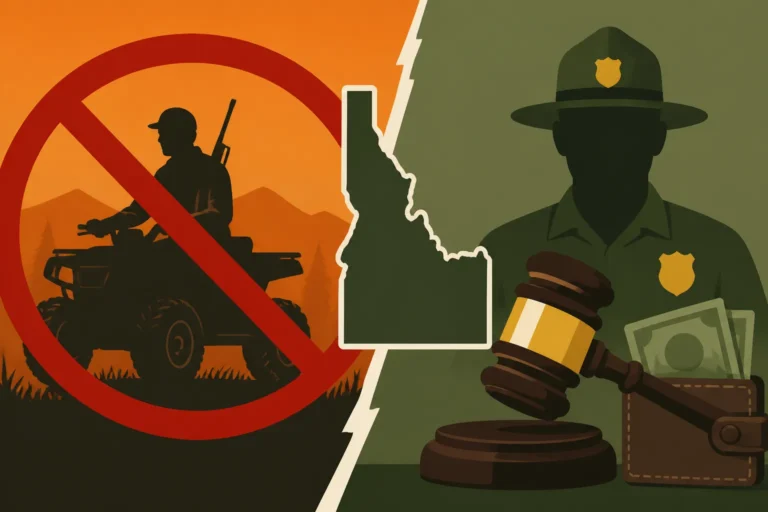
The most fundamental rule of any designated wilderness area is the prohibition of motorized vehicles. This means no ATVs, dirt bikes, e-bikes, or any other engine-powered transport. It also extends to flying in, so don't plan on Flying Into a Backcountry Airstrip to Hunt within the Sawtooth Wilderness boundary itself – while backcountry airstrips exist in other wilderness areas, the Sawtooth generally restricts these directly within its bounds. The moment you step into the wilderness, your mode of travel is limited to foot or horseback. This regulation dictates the entire nature of a Sawtooth hunt; it’s an inherently physical and often multi-day endeavor.
The impact of these restrictions is profound. It means you must be prepared to carry everything you need on your back or utilize pack animals. Game retrieval becomes a massive logistical challenge; if you harvest an elk miles deep, you'll be quartering it out and making multiple trips, or relying on pack stock. Motorized Vehicles Inside Wilderness Boundaries is a hard line, and violating it can result in significant fines and loss of hunting privileges. It reinforces the idea that this is a true backcountry experience, where grit and self-reliance are your primary tools, not horsepower.
Pack Stock and Low-Impact Camping Guidelines
For many hunters tackling the vastness of the Sawtooth Wilderness, pack stock—horses or mules—become essential for carrying heavy gear into camp and especially for packing out game. There are specific rules regarding Pack Stock Rules Inside Designated Wilderness. Stock must be fed certified weed-free forage to prevent the introduction of invasive species, and they must be managed to minimize impact on trails and campsites. This means picketing them in areas where they won't damage vegetation, rotating grazing areas, and properly dispersing manure.
Beyond stock use, general low-impact camping principles are critical. This means "Leave No Trace" is not just a suggestion, but a necessity. Camp at least 200 feet from water sources and trails, carry out all trash (including food scraps and spent casings), and minimize the size of your campfire (or, better yet, use a stove). Properly dispose of human waste by burying it at least 6-8 inches deep and 200 feet from water, trails, and campsites. These guidelines are crucial for preserving the delicate ecosystems of the Sawtooth and ensuring that hunting remains a privilege in these special places.
Outfitter and Guide Rules for Nonresidents
If you're a nonresident planning an Idaho hunt, especially for specific species in a wilderness area, you need to be acutely aware of the rules concerning outfitters and guides. Idaho has a unique regulation: nonresidents are required to employ the services of a licensed outfitter or guide when hunting certain big game species within designated wilderness areas. This rule specifically applies to elk, bighorn sheep, and mountain goat.
For instance, if you're a nonresident hoping to hunt elk in the Sawtooth Wilderness, you'll generally need to book a trip with an Idaho-licensed outfitter. This is a significant cost and logistical consideration. However, there are exceptions; deer and bear are generally exempt from this rule, meaning a nonresident can hunt them in the wilderness without a guide. It's crucial to understand Which Species Trigger Idaho's Wilderness Guide Rule and whether your target animal falls under this mandate. Always verify the most current regulations directly from the Idaho Fish and Game website or a licensed outfitter before making your plans. Don't make the mistake of showing up without proper arrangements, especially if you're after a species like elk where Does Idaho's Wilderness Rule Cover Elk? is a firm "yes" for nonresidents.
Here's a quick summary of key wilderness hunting rules:
| Rule Category | Restriction/Requirement | Impact on Hunters |
|---|---|---|
| Motorized Vehicles | Prohibited (including e-bikes) | Foot or pack stock travel only; challenging game retrieval |
| Pack Stock | Must use certified weed-free feed | Requires sourcing special feed; careful management to prevent environmental damage |
| Camping | Leave No Trace principles; 200ft from water/trails | Pack out all trash; proper waste disposal; minimal campfire use |
| Nonresident Guides | Required for Elk, Bighorn Sheep, Mountain Goat | Significant cost consideration; affects planning and booking |
| Permanent Structures | Prohibited | No permanent blinds, stands, or caches |
Practical Strategies for a Successful Sawtooth Hunt
A successful hunt in the Sawtooth Wilderness isn't just about finding game; it's about meticulous planning, physical conditioning, and being prepared for anything Mother Nature throws your way. This isn't a place for the ill-prepared, but with the right approach, it offers an incredibly rewarding experience.
Planning Your Backcountry Expedition
The first step in planning is always research. Before you even think about buying a tag, spend time poring over maps and harvest statistics. Online platforms are invaluable here. Many serious hunters begin their planning by looking at data on sites like GoHunt, which aggregates crucial information like draw odds and historical harvest success rates for different units, even those adjacent to or encompassing parts of the Sawtooth Wilderness. While access to the wilderness itself is typically general season, understanding the surrounding unit's dynamics can help you choose the best entry points.
Once you have a general area in mind, dive deep into the maps. Digital mapping apps like onX Hunt are game-changers for Sawtooth hunting. They allow you to download offline maps, identify potential game habitat (like north-facing timber for elk or high basins for mule deer), mark water sources, and pinpoint potential campsites. Critically, you can use these tools to visualize the topography, plot your routes, and understand Reading a Land Ownership Layer Correctly to ensure you're always on public land. Consider a multi-day scouting trip if possible, or at least a thorough e-scouting session using satellite imagery to identify open benches, natural funnels, and potential glassing knobs. Planning your approach from the trailhead to your intended hunting area, including bail-out routes, is non-negotiable.
Essential Gear for Wilderness Hunting
Given the rugged terrain and unpredictable weather, your gear list for a Sawtooth Wilderness hunt is critical. Think lightweight, durable, and versatile. Your pack should be capable of handling heavy loads, as you'll be carrying several days' worth of food, shelter, and potentially meat. A quality tent or shelter system that can withstand wind and snow is paramount. Layers of clothing, including a waterproof outer shell, are a must. Even in early September, nighttime temperatures can drop below freezing, and a sudden snowstorm can bring winter conditions.
Navigation tools, like a reliable GPS unit (and a backup paper map and compass!), are essential. Communication devices, such as a satellite messenger or inReach device, are highly recommended, as cell service is virtually nonexistent in the wilderness. For glassing, high-quality binoculars and a spotting scope mounted on a tripod are indispensable for picking apart distant slopes and identifying game. Consider the physical demands: sturdy, broken-in hiking boots, plenty of water, a reliable water filter, and an emergency first-aid kit. And, of course, your chosen weapon, ammunition, and all the necessary field dressing supplies, including strong game bags, are obvious additions. Remember, everything you pack in must be packed out.
Dealing with Wildlife Encounters and Safety
Hunting in the Sawtooth Wilderness means you're truly in wild country, and encounters with various wildlife are part of the experience. Beyond your target game, you might encounter black bears, mountain lions, and occasionally even grizzlies in some northern reaches of Idaho (though less common in the Sawtooth itself, always be bear aware). Carrying bear spray and knowing how to use it is a smart precaution, especially when traveling alone or moving quietly through thick timber. Always keep a clean camp to avoid attracting unwanted visitors.
Safety in the backcountry extends beyond just wildlife. The remote nature means that help is often days away. Twisted ankles, dehydration, hypothermia, or getting lost are serious threats. Always let someone know your detailed itinerary, including your entry and exit points and expected return date. Travel with a partner if possible, and carry enough food, water, and emergency supplies to last longer than your planned trip, just in case. Knowing basic first aid and how to signal for help can be life-saving. The reward of hunting in the Sawtooth is immense, but it comes with a responsibility to be prepared, self-reliant, and respectful of the wilderness itself. Planning for the retrieve of a large animal, potentially alone, is also crucial, so understanding how to efficiently quarter an animal and the effort involved in Packing an Elk Out of Steep Country Alone should be part of your preparation.
Disclaimer
This article is for general informational purposes only and does not constitute professional advice. Laws, prices and regulations vary by location and change over time. Consult a qualified professional for guidance on your specific situation.