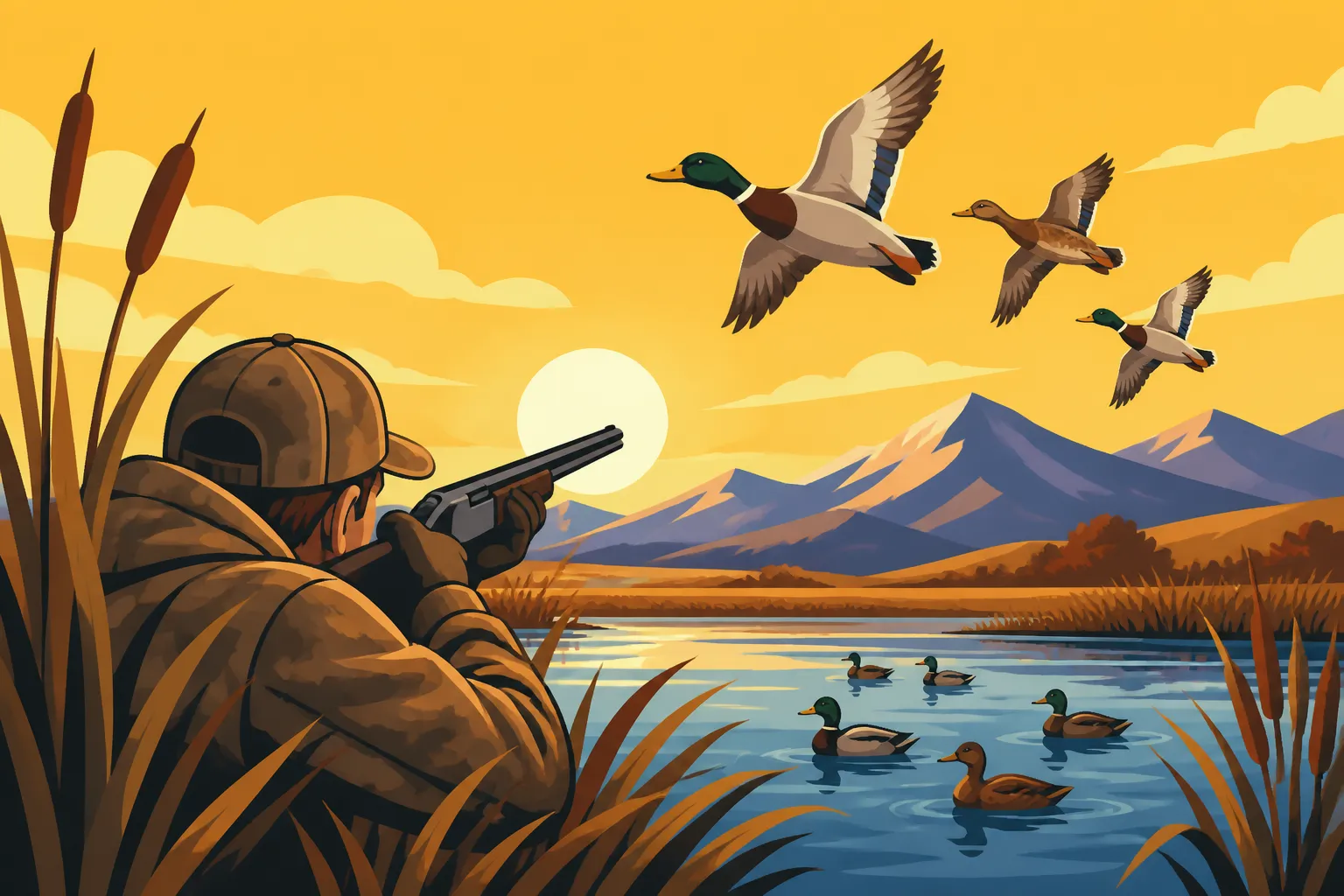
Waterfowl Hunting on Idaho Wildlife Management Areas
Finding consistent, productive waterfowl hunting spots in Idaho can feel like a constant puzzle, especially when public land access is a top priority. Many hunters get frustrated by crowded areas, inconsistent bird numbers, or simply not knowing where to start looking beyond the obvious public reservoirs. This guide aims to clear up some of that confusion, focusing specifically on how Idaho's Wildlife Management Areas (WMAs) offer some of the best, most dedicated opportunities for chasing ducks and geese across the state.
Understanding Idaho's Wildlife Management Areas (WMAs)
Wildlife Management Areas in Idaho are absolutely invaluable for hunters, anglers, and wildlife enthusiasts alike. They are parcels of land and water specifically acquired and managed by the Idaho Department of Fish and Game (IDFG) with the primary goal of enhancing wildlife populations and providing public access for recreation. For waterfowl hunters, WMAs are often game-changers, offering controlled environments designed to attract and hold ducks and geese throughout the migration and hunting seasons.
What WMAs Are and Why They're Important for Waterfowl Hunters
Think of WMAs as dedicated wildlife refuges that strategically integrate hunting opportunities. Unlike vast national forests or BLM lands where wildlife management might be a secondary consideration to timber or grazing, WMAs are all about the animals. This means specific habitats are cultivated, water levels are manipulated, and food sources are often planted or managed to be incredibly attractive to waterfowl. For a duck or goose hunter, this translates into more consistent bird concentrations and better chances for success, especially as the season progresses and birds become warier.
These areas are managed through various practices, including farming, controlled burns, water level adjustments in marshes and ponds, and even creating specific resting areas where birds can feel safe from pressure. This intricate balance ensures that while hunting is allowed, the overall health and population of waterfowl remain robust. They really are a testament to focused conservation efforts, designed to give both wildlife and hunters what they need.
Key Characteristics of WMAs for Waterfowl
The beauty of WMAs for waterfowl lies in their deliberate design. Most WMAs that are prime for ducks and geese will feature a mosaic of habitats, each playing a crucial role in supporting the birds. You’ll often find extensive wetland systems—marshes, shallow ponds, sloughs, and riverine habitats—that provide vital roosting and feeding grounds. These aren't just accidental puddles; they're managed wetlands with specific depths and vegetation.
Beyond the water, many WMAs incorporate agricultural fields where crops like corn, wheat, or barley are planted and then either left standing or partially flooded to create excellent foraging opportunities. This is a huge draw for geese and puddle ducks especially. Some WMAs also include upland areas, timber stands, or dense riparian zones that offer protective cover and secondary food sources. Furthermore, many WMAs will have designated "refuge" or "no hunting" areas where birds can rest undisturbed, which is crucial for holding them in the general vicinity for longer periods, even during hunting pressure. This careful blend of habitat management makes them highly attractive magnets for migrating and resident waterfowl.
Navigating Rules and Regulations on WMAs
One of the most critical aspects of hunting on Idaho WMAs is understanding that they often operate under a separate, more specific set of rules than the general statewide hunting regulations. Ignoring these WMA-specific rules can lead to citations, lost hunting privileges, or worse, negatively impact the very resource you're trying to enjoy. It’s absolutely essential to do your homework before heading out.
General Hunting Regulations vs. WMA-Specific Rules
While the statewide Idaho Waterfowl Season Framework and species-specific Idaho Duck Bag Limits by Species certainly apply, WMAs frequently have additional layers of regulation. These can include anything from specific shooting hours that differ slightly from general legal hours, to requirements for non-toxic shot only (which is a common standard for waterfowl regardless, but often strictly enforced on WMAs), or even restrictions on dog use. Some WMAs might have designated hunting days, limiting pressure to only a few days a week, while others might restrict access to certain portions of the area entirely.
It's not uncommon to find specific rules regarding the construction or placement of blinds, the use of motorized boats, or even where you can park your vehicle. For example, Motorized Rules on Idaho Wildlife Management Areas are usually quite stringent, often limiting travel to established roads or designated parking areas. The key takeaway here is to always consult the Idaho Fish and Game website or the specific WMA's signage and regulations brochure for the most current information. Never assume; always verify.
Permits, Access, and Sign-in Procedures
Accessing certain WMAs, especially popular ones or those with limited capacity, might require more than just your valid Idaho hunting license and waterfowl stamps. Some WMAs operate on a permit system, where you might need to apply for a special drawing to gain access for a specific hunt period, or even to secure a particular blind. This is often done to manage hunter numbers and spread out pressure, ensuring a quality experience for everyone and preventing overcrowding.
Even if a special permit isn't required, many WMAs have mandatory sign-in/sign-out procedures. This could involve physical check stations where you fill out a card with your name, date, and sometimes even report your harvest at the end of the day. Others might use online systems. These procedures are not just bureaucratic hurdles; they are vital for IDFG to gather data on hunter use and success, which in turn helps them make informed management decisions to improve future hunting opportunities. Always look for kiosks or clear instructions at primary access points. Tools like onX Hunt can help you identify established roads and access points, but always defer to official WMA signage for specific entry protocols.
Finding the Best Waterfowl Opportunities on Idaho WMAs
With many WMAs scattered across Idaho, knowing which ones offer the best waterfowl hunting can be a bit overwhelming. It takes a combination of diligent research and boots-on-the-ground scouting to unlock their full potential. Thankfully, there are excellent resources available to help you pinpoint those prime locations.
Researching Specific WMAs for Waterfowl Potential
Your first stop should always be the Idaho Department of Fish and Game website. They maintain detailed pages for each WMA, often including maps, specific regulations, and contact information for the WMA manager. This is where you'll find out what species are commonly found, what habitats are available, and any unique rules. Additionally, The Idaho Hunt Planner Is the Tool to Start With is an invaluable resource that can help you cross-reference units, seasons, and even show you public land boundaries, which is crucial for understanding the extent of WMAs.
Beyond official sources, online hunting forums, local sporting goods stores, and word-of-mouth from experienced waterfowl hunters can provide anecdotal insights. However, always take these with a grain of salt and verify information through official channels. Modern mapping applications like GoHunt and onX Hunt have become essential tools for this kind of research. You can overlay different map layers to identify wetlands, agricultural fields, and other habitat features that would attract waterfowl. By comparing satellite imagery from different times of the year, you can even get a sense of water levels and habitat changes, helping you focus your efforts on WMAs known to hold significant numbers of ducks and geese.
Scouting Techniques for WMA Waterfowl
Once you've narrowed down a few potential WMAs, the real work—and fun—begins. Pre-season scouting is absolutely critical for waterfowl. Driving or walking the perimeter of a WMA (where permitted) and observing from a distance can reveal flight paths, common roosting areas, and feeding zones. Pay attention to water levels, the presence of specific aquatic vegetation, and any agricultural fields that might have standing crops or waste grain.
Using an app like onX Hunt during your scouting can be a game-changer. Its satellite imagery allows you to identify potential blind locations, understand terrain features that might influence bird movement, and mark points of interest. You can note where you see birds feeding, where they're flying at different times of day, and even identify subtle changes in water patterns. Early morning or late evening drives can show you where birds are congregating, even if you’re just watching them from a distance. Knowing where the birds want to be is half the battle in waterfowl hunting.
Practical Tips for Hunting Waterfowl on Idaho WMAs
Hunting waterfowl on WMAs comes with its own set of considerations, especially when it comes to gear, setup, and interactions with other hunters. Being prepared and respectful will not only enhance your own experience but also contribute positively to the overall hunting community on these public lands.
Gear and Setup Considerations for WMA Hunting
When heading to a WMA for waterfowl, your gear list will look pretty standard, but there are nuances. Good waders are non-negotiable, as you’ll likely be dealing with varying water depths and muddy conditions. Decoys should match the species prevalent in the area, and a reliable call (or several, for different species) is essential. A sturdy blind, whether it's a layout blind for field hunting or a portable marsh blind, is often necessary, as cover can be sparse or heavily pressured. Remember that Fixed Blade Against Mechanical Broadheads on Elk might be a hot debate for archery hunters, but for waterfowl, it’s all about non-toxic shot, and it's rigorously enforced on WMAs.
Given the potential for shared access on WMAs, a portable setup is often advantageous. Being able to move quickly if birds aren't cooperating, or to find an unpressured spot, can make a huge difference. Always pack out everything you pack in, including spent shot shells. Consider bringing a dog if you have a well-trained retriever; they are invaluable for finding downed birds in thick cover or open water, ensuring no game is wasted.
Ethical Considerations and Hunter Etiquette
Public land hunting, especially on WMAs, is a shared experience. Maintaining proper hunter etiquette is paramount. This means arriving early enough to get to your spot without disturbing others, giving other hunting parties ample space, and respecting any established blind areas. If you're using a public blind, leave it cleaner than you found it. Avoid sky-busting—shooting at birds that are too far out of range—as this only educates the birds and makes them warier for everyone.
Retrieving every downed bird is not just good sportsmanship, it's a legal and ethical obligation. A wounded bird can easily be lost in thick reeds or murky water, which is why a good retriever or a diligent search is so important. The Meat Salvage Requirements for Big Game are strictly enforced in Idaho, and the same principle applies to waterfowl; wasting game is unacceptable. Finally, always abide by all specific WMA rules, even if they seem inconvenient. These rules are in place to ensure a sustainable hunting future for all.
Here's a look at some prominent WMAs in Idaho and their typical waterfowl focus:
| WMA Name | Primary Waterfowl Focus | Key Features for Waterfowl | Notes |
|---|---|---|---|
| Fort Boise WMA | Ducks (Puddle & Diving), Geese | Extensive marsh, agricultural fields, river frontage | Historically popular, often has specific access rules and controlled areas. |
| Market Lake WMA | Ducks, Geese | Large wetland complex, managed ponds, agricultural fields | Important stopover for migrants, offers diverse hunting opportunities. |
| Mud Lake WMA | Ducks, Geese | Open water, shallow wetlands, cultivated fields | Known for good goose hunting, also attracts various duck species. |
| Sterling WMA | Ducks, Geese | Snake River frontage, managed wetlands, cropland | Popular for early season ducks, later season geese along the river. |
| Niagara Springs WMA | Ducks, Geese | Spring-fed ponds, Snake River access | Offers unique conditions due to constant warm water from springs, late season draw. |
| Coeur d'Alene River WMA | Ducks (Puddle), Geese | River delta, marsh, riparian zones | Good for dabbling ducks, can hold geese depending on water levels. |
Disclaimer
This article is for general informational purposes only and does not constitute professional advice. Laws, prices and regulations vary by location and change over time. Consult a qualified professional for guidance on your specific situation.