Access Yes Opens 328,000 Private Acres in Idaho
Hunting in Idaho offers some incredible opportunities, but anyone who's spent time staring at a plat map knows the frustration of "checkerboard" land. You're out there, glassing a distant ridge, and suddenly realize that perfect bedding area or water source is tucked away on private ground, completely inaccessible. It's a common headache for public land hunters, but Idaho's Access Yes program is a real game-changer, proactively tackling this very problem by opening up hundreds of thousands of private acres for public use, often for the specific purpose of hunting and fishing.
Understanding Idaho's Access Yes Program
Navigating Idaho's diverse landscape, from vast national forests to sprawling private ranches, can be a complex endeavor for any hunter. The challenge often boils down to access—how do you get to the game, especially when prime habitat might be sitting behind a locked gate or a "No Trespassing" sign? That's precisely the dilemma the Idaho Fish and Game (IDFG) sought to address with its innovative Access Yes program. This isn't just some vague concept; it's a very real, very tangible initiative designed to bridge the gap between private land and public hunting opportunity.
What Access Yes Actually Is
At its heart, Access Yes is a voluntary program where private landowners agree to open their property for public recreation, primarily hunting and fishing, in exchange for certain incentives. Think of it as a handshake deal: landowners provide access to their land, and in return, the IDFG offers various benefits, most commonly financial compensation or assistance with wildlife management concerns. It’s a pragmatic solution born from the recognition that a significant portion of Idaho's wildlife habitat resides on private ground, and without landowner cooperation, much of that opportunity would simply be off-limits to the general public. These aren't necessarily properties where you'll find sprawling hunting lodges; often, they're working ranches, agricultural fields, or timberlands that offer excellent habitat for various game species.
The program isn't about the state acquiring land; it's about securing access rights. This means the land itself remains private property, but the public is granted specific, permitted entry for designated activities. This distinction is crucial because it means hunters must always remain mindful of the landowner's specific rules and conditions for entry, which can vary significantly from one Access Yes parcel to another. It's a living, breathing program that evolves as landowners opt in or out, and as such, hunters must always do their homework before heading afield.
The Core Goal: Opening Private Land for Public Use
The primary objective of Access Yes is straightforward: to increase recreational access opportunities on private land for Idaho's hunters and anglers. In a state where public land abounds, it might seem counterintuitive to focus on private parcels. However, anyone who has hunted in areas where public and private ownership are intertwined understands that isolated public parcels can often become "landlocked" without a way to legally reach them. Access Yes often provides these crucial arteries, connecting hunters to otherwise inaccessible public ground or simply opening up private land that offers unique hunting experiences.
Beyond simply expanding acreage, the program aims to disperse hunting pressure. By providing more options, it can help alleviate some of the crowding that can occur on popular public land spots, particularly during peak seasons. Imagine a situation where everyone converges on the same public timber patch, while a less-pressured, game-rich private pasture nearby remains untouched. Access Yes seeks to unlock these overlooked opportunities, leading to a more equitable distribution of hunters and a better experience for everyone. It's also a vital tool for wildlife management, allowing biologists to encourage hunting in areas where certain populations might need additional harvest pressure, often on private lands that serve as critical winter range or migration corridors.
How Access Yes Benefits Hunters and Landowners
The benefits of Access Yes are truly a two-way street, creating a synergistic relationship between hunters and landowners that might not otherwise exist. For hunters, the advantages are immediately apparent: more places to hunt. This isn't just about raw acreage; it's about gaining access to diverse habitats that can hold everything from mule deer to pheasants, often in areas that see less pressure than traditional public lands. It can open up agricultural fields that are magnets for waterfowl or big game, or provide entry to timbered canyons that serve as crucial travel corridors. Knowing that IDFG has brokered these agreements also offers a sense of security; hunters know they are on legal ground, as long as they adhere to the posted rules.
Landowners, on the other hand, receive tangible benefits that make participation worthwhile. As detailed in How Access Yes Compensates Landowners, this often includes financial payments that can help offset property taxes or other expenses. But it's not just about money. Many landowners are keen on proper wildlife management. They might have concerns about overpopulation of deer or elk causing crop damage, or they might want to ensure healthy game populations on their property. Access Yes provides a mechanism for them to partner with IDFG to achieve these goals, utilizing hunters as a vital tool in wildlife management. Furthermore, the program fosters a better relationship between landowners and the hunting community, promoting understanding and respect, which is a win for everyone involved.
The Scope of Opportunity: 328,000 Acres and Counting
When we talk about Access Yes, the number 328,000 acres isn't just a figure; it represents an incredible expansion of hunting and fishing opportunities across Idaho. To put that into perspective, it's a huge chunk of land, equivalent to hundreds of typical deer hunting sections, all suddenly available for public enjoyment. This isn't a static number, though; it's a dynamic program that grows and shifts, bringing new possibilities each year.
Visualizing 328,000 Acres of Hunting Ground
Imagine traversing a landscape roughly the size of a small national park, or an area large enough to comfortably contain several major cities, and knowing that every inch of it is open to you for hunting, thanks to the Access Yes program. That's the scale we're talking about with 328,000 private acres. These aren't necessarily contiguous blocks; rather, they are often scattered parcels, ranging from small, critical access points to expansive ranches. One parcel might be a 40-acre agricultural field offering prime pheasant habitat, while another could be a 5,000-acre timberland tract that forms a vital wintering ground for elk.
The impact of this acreage is multifaceted. For a local hunter, it might mean a new close-to-home spot for an evening pheasant hunt after work. For someone planning a multi-day trip, it could unlock a migratory corridor for mule deer or provide crucial access to an otherwise landlocked piece of public forest ground. This vast, dispersed network truly changes the calculus of hunting in Idaho, providing options that simply didn't exist before and alleviating pressure on more commonly hunted areas. Tools like onX Hunt become indispensable here, allowing hunters to visually comprehend these parcels and understand their layout within the broader landscape.
How Acreage Figures Change Over Time
It's important to understand that the "328,000 acres" figure is a snapshot, a representation of the program's success at a given point in time. The Access Yes program operates on voluntary agreements with landowners, which are typically renewed annually or for multi-year terms. This means the total acreage, and the specific parcels involved, can fluctuate. Landowners might decide to join the program for a few years, then take a break, or new landowners might come on board, adding fresh opportunities.
This dynamic nature requires hunters to stay vigilant and always check the most current information before planning a hunt. What was open last season might not be open this season, and new areas might have become available. The IDFG works hard to update its resources regularly, but the onus is on the hunter to verify access before venturing out. This constant evolution is a strength, as it allows the program to adapt to landowner needs and wildlife management priorities, but it also underscores the importance of pre-hunt research and checking official channels.
What Species You Can Hunt on Access Yes Lands
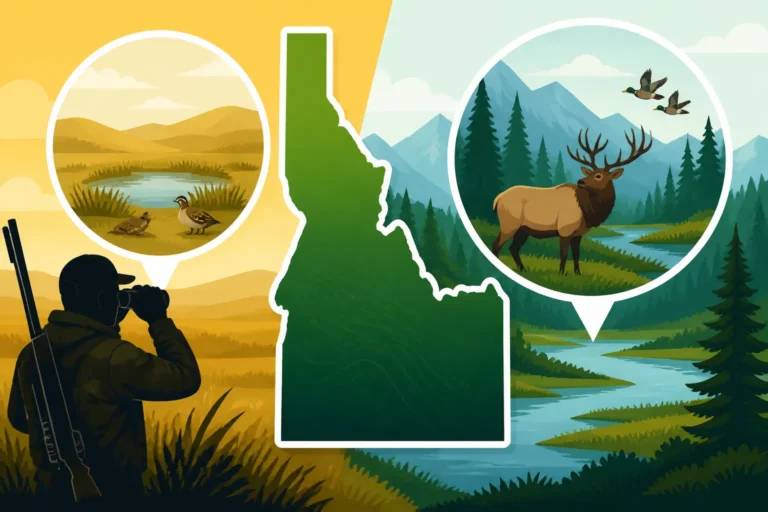
The beauty of Access Yes is that it doesn't just cater to one type of hunting. The variety of private lands enrolled means a huge diversity of game species become accessible. You might find properties perfect for big game, like deer or elk, especially parcels that offer critical feeding areas adjacent to public timber or act as migratory funnels. Imagine a private alfalfa field that elk frequent in the evenings, now open for a carefully planned stalk.
But it's not just about big game. Many Access Yes parcels are invaluable for upland bird hunters, providing access to prime pheasant, quail, or partridge habitat on agricultural lands or brushy draws. Waterfowl hunters also benefit, with access to ponds, rivers, or flooded fields that serve as important staging or feeding areas. Predator hunting, small game hunting, and even trapping opportunities can also be found on these lands, depending on the specific landowner agreement and the wildlife present. Each Access Yes parcel will have its own specific rules and list of permissible activities, so always check the details for that particular location.
Finding and Utilizing Access Yes Properties
Knowing that 328,000 acres are open is one thing, but actually finding these properties and understanding how to hunt them responsibly is quite another. It requires a bit of detective work and careful attention to detail. Thankfully, Idaho Fish and Game, along with modern mapping technology, has made this process far more accessible than ever before.
Locating Access Yes Properties on Maps and Apps
The first step in leveraging the Access Yes program is to know where these parcels actually are. The Idaho Fish and Game website is your primary resource, offering dedicated maps and lists of Access Yes properties. These maps will clearly delineate the boundaries of each parcel and often provide specific details about the type of access (e.g., walk-in only, designated parking areas) and the species allowed. Using the Idaho Hunt Planner Is the Tool to Start With on the IDFG website is crucial here, as it integrates Access Yes data with other vital hunting information.
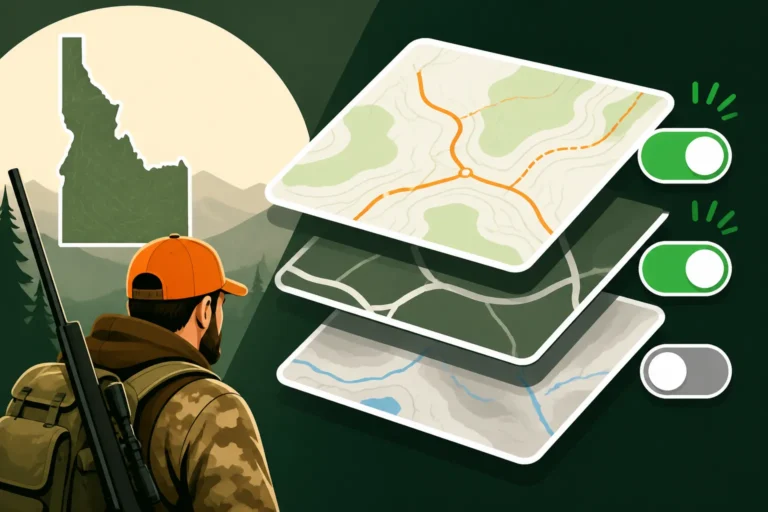
Beyond the official state resources, private mapping applications have revolutionized how hunters interact with land ownership data. Platforms like onX Hunt integrate Access Yes parcels directly into their mapping layers, making it incredibly easy to see where these opportunities lie relative to public land, roads, and other features. This allows you to scout potential hunting areas from the comfort of your home, identifying access points, terrain features, and likely game hangouts. With these apps, you can literally draw a boundary around an Access Yes parcel and see exactly what's permitted, often including specific instructions from the landowner. GoHunt is another excellent resource, often providing detailed analysis and strategies that can include Access Yes areas.
Reading the Specific Rules for Each Parcel
This is arguably the most critical step when hunting Access Yes properties: always read and understand the specific rules for each individual parcel. Unlike general public land, where regulations are broad and statewide, Access Yes agreements are highly individualized. A property might be walk-in only, while another allows ATV use on designated trails. Some might permit big game hunting but prohibit upland bird hunting, or vice versa. There could be specific open seasons, designated parking areas, or even requirements to check in with a landowner before hunting.
These rules are non-negotiable and are usually clearly posted at entry points and detailed on the IDFG Access Yes maps or within your mapping app. Ignoring them isn't just disrespectful; it can lead to losing access for everyone or even legal trouble. Always assume there are specific rules and actively seek them out. Many agreements have straightforward "Walk-in Only" designations, others might restrict vehicle access to certain roads, which is important given Idaho's Motorized Hunting Rule Runs August Into December. It's your responsibility to be informed.
Respecting Boundaries and Posted Signs
Just as crucial as understanding the rules is respecting the physical boundaries of Access Yes properties and any posted signage. While these lands are open to public use, they are still private property, and trespassing onto adjacent private land that isn't part of the program is illegal and damages the reputation of all hunters. Modern GPS mapping tools with land ownership layers, like those found in onX Hunt, are invaluable here. They can show you precisely where the Access Yes boundary ends and where other private or public lands begin.
Look for signs put up by the IDFG or the landowner indicating the Access Yes program. These signs often outline the specific rules for that parcel. If a gate is closed, close it behind you. If a sign says "No Vehicles Beyond This Point," obey it. Remember, the landowner is doing hunters a favor by providing this access. Maintaining a positive relationship through respectful behavior is paramount to the program's continued success. Every hunter who uses an Access Yes property is an ambassador for the entire hunting community, and a single act of disrespect can jeopardize access for countless others down the line.
Hunter Responsibilities on Access Yes Lands
Being granted access to private land through the Access Yes program is a privilege, not a right. With that privilege comes a significant set of responsibilities that every hunter must uphold. These responsibilities extend beyond merely following the law; they encompass ethical conduct, diligent preparation, and a commitment to preserving these valuable opportunities for future generations.
The Importance of Scouting and Planning
Even with the convenience of digital maps, proper scouting and planning are absolutely critical for success and responsible hunting on Access Yes lands. Just because an area is open doesn't mean it's teeming with game or that access is straightforward. Before you even set foot on the property, spend time studying the maps. Look at the topography, identify potential bedding areas, feeding grounds, and water sources. Trace out potential routes you'll take, considering wind direction and terrain. Tools like GoHunt often provide habitat maps and aerial imagery that can help immensely in this phase.
Understanding the specific layout of the Access Yes parcel is paramount. Is it a long, narrow strip that connects two larger public areas, or is it a sprawling block of timber? Are there distinct habitat types within the property? Having a clear plan for your hunt, including ingress and egress points, a mental map of where game might be, and an understanding of the property's unique features, will not only increase your chances of success but also ensure you stay within the designated boundaries and comply with all rules.
Ethical Behavior and Leaving No Trace
This is where the rubber meets the road. Ethical behavior is the bedrock of continued access to private lands. When hunting on an Access Yes property, you are a guest, and you should conduct yourself with the utmost respect for the landowner and their property. This means practicing "Leave No Trace" principles rigorously. Pack out everything you pack in, and then some. Don't litter, don't damage fences or other property, and avoid creating any unnecessary disturbances.
Consider your impact on the land itself. Avoid driving off designated trails or established roads, especially if the ground is soft and susceptible to rutting. If you harvest an animal, clean up the gut pile appropriately and away from water sources or public view. Be mindful of noise, especially if the property is near residences or livestock operations. Your actions reflect on every hunter, and maintaining a pristine appearance of the property after your visit is the best way to ensure the landowner remains happy to participate in Access Yes. Remember to review Access Yes Rules Hunters Must Follow for the general tenets, but also the specific rules for your parcel.
Reporting Violations and Concerns
Part of responsible stewardship is being proactive when you observe issues. If you witness someone violating the Access Yes rules, trespassing, littering, or engaging in unsafe hunting practices, it is your responsibility to report it. Contact the Idaho Fish and Game enforcement office. Provide as much detail as possible: license plate numbers, descriptions of individuals, time, date, and specific locations. This isn't about being a "tattletale"; it's about protecting a valuable program and ensuring that these opportunities remain available for everyone.
Similarly, if you encounter any concerns about the property itself—perhaps a broken gate, a fence down, or an unclear sign—it's helpful to report these to IDFG as well. They can then communicate with the landowner to address the issue. Open communication and a shared commitment to the integrity of the program are vital. By being a vigilant and responsible user, you contribute directly to the long-term viability and expansion of Access Yes, ensuring that future generations of hunters can also benefit from these unique private land opportunities.
The Landowner's Perspective: Why They Participate
It's easy to focus on the benefits for hunters, but understanding why a private landowner would open up their property to public access is crucial. It’s not just about altruism; there are clear, practical reasons that make participation in Access Yes an attractive proposition for many landowners across Idaho. The program is designed to be mutually beneficial, addressing specific needs and challenges faced by those who manage large tracts of private land.
Compensation and Incentives for Landowners
One of the most direct and compelling reasons for landowner participation is the financial incentive. The Idaho Fish and Game provides monetary compensation to landowners who enroll their property in Access Yes. This isn't necessarily a massive payout, but it can be a significant contribution that helps offset property taxes, management costs, or even lost revenue from other potential uses of the land. For many working ranches or agricultural operations, every bit of income matters, and Access Yes offers a reliable, consistent stream of revenue.
Beyond direct payments, the IDFG might offer other forms of assistance. This could include help with fence repairs, signage, or even wildlife habitat improvements on their property. For landowners grappling with habitat degradation or needing specialized equipment, this non-monetary support can be just as valuable as cash. The program essentially provides a mechanism for landowners to partner with a state agency, leveraging resources and expertise they might not otherwise have access to. This comprehensive approach is part of why How Access Yes Compensates Landowners outlines various forms of support beyond just a check.
Managing Wildlife and Mitigating Damage
Many private landowners, especially those with large agricultural operations or timberlands, frequently deal with wildlife-related challenges. Overabundant deer or elk populations can cause extensive crop damage, costing farmers thousands of dollars in lost yields. High numbers of big game animals can also damage fences, consume valuable forage intended for livestock, or spread disease. Predator concerns might also play a role, particularly for ranchers.
By participating in Access Yes, landowners gain a valuable tool for wildlife management. Allowing public hunting can help reduce game populations to more manageable levels, mitigating economic losses and promoting a healthier ecosystem balance on their property. IDFG biologists often work directly with participating landowners to identify specific wildlife concerns and tailor hunting access to address those issues. This cooperative management benefits both the landowner and the broader wildlife population, ensuring a sustainable approach. It allows for a more targeted harvest, which can be critical for species like deer or elk.
Building Relationships with Hunters
While often overlooked, the opportunity to foster better relationships with the hunting community is a significant, albeit intangible, benefit for many landowners. Historically, there have sometimes been tensions between private landowners and public land users, often stemming from issues like trespass, littering, or property damage. Access Yes provides a structured framework that encourages respectful interaction.
When hunters utilize Access Yes properties, they are explicitly given permission, removing the ambiguity of trespass. This structured access, combined with clear rules, can lead to more positive interactions. Landowners often appreciate knowing that hunters on their property are legitimate, regulated, and generally more responsible. This can help break down preconceived notions and build trust. For landowners who cherish wildlife and the outdoor heritage, seeing responsible hunters enjoy their land can be a rewarding experience in itself, solidifying their commitment to both conservation and access.
Comparing Access Yes to Other Public Access Options
Idaho boasts an incredible amount of public land, from vast National Forests to Bureau of Land Management (BLM) acreage. So, how does Access Yes fit into this diverse landscape, and why is it such an important complement to these other opportunities? It's not about replacing public land but enhancing the overall hunting experience by filling in gaps and providing unique access points.
Access Yes vs. National Forests and BLM Ground
When most people think of public land hunting in Idaho, they immediately picture sprawling National Forests or immense tracts of BLM ground. These federal lands are indeed the backbone of public hunting in the state, offering millions of acres of generally unrestricted access. You can typically set up camp, hike for miles, and hunt without needing specific permission, as long as you follow federal and state hunting regulations. National Forest Hunting in Northern Idaho and BLM Ground Across Southern Idaho are classic examples of these expansive opportunities.
However, even these vast areas have limitations. They can be heavily pressured in popular spots, or certain areas might be isolated by private holdings, creating "landlocked" public parcels. This is where Access Yes shines. It acts as a crucial bridge, often providing access through private land to reach these otherwise inaccessible public domains. Or, it offers hunting opportunities on private ground that may present different habitat types or hold game that is less pressured due to its private nature. While National Forests and BLM lands are the workhorses of public hunting, Access Yes provides surgical solutions to specific access problems, diversifying options and reducing crowding.
Access Yes vs. State Endowment Lands
Idaho also has a significant amount of State Endowment Land (SEL), which is managed by the Idaho Department of Lands. These lands are held in trust to generate revenue for specific beneficiaries, primarily public education. While often open to public recreation, including hunting, their primary purpose is revenue generation, and as such, access rules can sometimes differ from federal lands. Sometimes, a specific permit or fee might be required for certain activities on SEL. Idaho State Endowment Land Access Rules outlines these nuances.
Access Yes complements SEL by focusing on private land directly. Where SEL is state-owned property with specific management goals, Access Yes leverages existing private ownership through voluntary agreements. Both aim to provide public access, but they do so through different mechanisms and for different underlying reasons. An Access Yes parcel might abut a piece of SEL, creating a larger, more contiguous hunting block, or it might offer a completely different type of habitat not found on nearby SEL. The key takeaway is that each type of land offers distinct opportunities and understanding all three—federal, state, and Access Yes private—gives a hunter the broadest possible toolkit for finding game.
Access Yes vs. Landowner Permission on Non-Program Land
Many hunters have, at some point, knocked on doors to ask for permission to hunt private land. This direct approach can certainly be successful, but it's often hit-or-miss, time-consuming, and relies entirely on the individual landowner's willingness. It can be awkward, and without prior knowledge, you might be asking on property that offers no hunting opportunity at all.
Access Yes removes much of this uncertainty. When you hunt an Access Yes parcel, you have pre-negotiated, guaranteed permission brokered by the state. The rules are clear, the boundaries are marked, and you know the landowner is actively participating in a program designed for public access. This saves hunters valuable time and eliminates the anxiety of cold-calling. While direct landowner permission will always be a viable option for some, Access Yes provides a more structured, predictable, and scalable alternative, ensuring a consistent level of access across participating properties. For anyone looking to understand Getting Landowner Permission in Idaho, the Access Yes program offers a streamlined alternative to cold calls.
Maximizing Your Success on Access Yes Parcels
Just because land is open doesn't mean the hunting will be easy. Access Yes properties, like any other hunting ground, require strategy, research, and a thoughtful approach to maximize your chances of success. They often come with their own unique challenges and advantages that, when understood, can significantly improve your hunting experience.
Researching the Specific Habitat and Game
The sheer diversity of Access Yes properties means that each one is a unique ecosystem. A property in the Panhandle might be heavily timbered, holding whitetail deer and grouse, while one in southern Idaho could be sagebrush steppe, perfect for mule deer or chukar. Before heading out, delve into what specific habitat types are present on your chosen parcel. Are there agricultural fields? Riparian zones along a creek? Steep, rocky draws? Knowing these features helps you predict what game species are likely to be present and how they might be using the land.
Utilize resources like IDFG's harvest statistics (often available through the hunt planner or GoHunt) for the surrounding Game Management Unit to get a sense of local game populations. If it's a known deer migration corridor, plan accordingly. If it's prime pheasant habitat, think about how pheasants will use the cover. This granular level of research, combined with aerial imagery from onX Hunt, can reveal hidden pockets of cover, historical travel routes, or overlooked water sources that could be key to finding game.
Timing Your Hunts for Best Results
Timing is everything in hunting, and Access Yes properties are no exception. Consider the season, time of day, and even prevailing weather patterns. If an Access Yes property is primarily agricultural land, game activity might be highest during low-light conditions at dawn and dusk as animals move from bedding areas to feed. If it's timbered, mid-day still-hunting might be more productive, especially if pressure pushes animals into thicker cover.
Furthermore, understand how game uses these lands throughout the year. An Access Yes parcel that serves as crucial winter range might be fantastic for late-season hunting, while another that's a summer feed ground might be better earlier in the fall. Be mindful of crop rotations on agricultural lands – a field of corn might be an elk magnet in September but barren in October. Think about the specific habits of the target species and how their movements might be influenced by the presence of private land access. This careful consideration of timing can turn a good hunting spot into a great one.
Dealing with Potential Pressure on Accessible Lands
While Access Yes aims to disperse hunters, the very nature of an "open to public" sign means these parcels can still experience hunting pressure, especially on opening weekend or in easily accessible areas. Don't assume you'll have the place to yourself. One strategy is to scout for the less obvious access points or to focus on parts of the property that might require a longer walk or more effort to reach. Most hunters will stick to the easiest entry points, leaving deeper or more rugged sections relatively untouched.
Consider hunting during weekdays instead of weekends, or during less popular times of day. If you arrive and see multiple vehicles already parked, consider having a backup plan or shifting your strategy to hunt areas that pressured game might flee to. Understanding Finding Low Pressure Ground on Opening Weekend becomes just as relevant on Access Yes properties as on traditional public land. Patience and adaptability are key. The benefit of Access Yes is that it provides more options, so if one parcel is too crowded, you often have others to explore nearby.
Access Yes Properties at a Glance
To help visualize the practical differences and unique aspects of Access Yes lands compared to other access types, here's a quick comparison.
| Feature | Access Yes Property | National Forest/BLM Ground | Private Land (Non-Access Yes) |
|---|---|---|---|
| Ownership | Private (Landowner retains ownership) | Federal Government | Private (Individual or Corporate) |
| Access Mechanism | Voluntary agreement with IDFG; landowner compensated | Public domain; generally unrestricted access | Requires direct permission from landowner |
| Rules & Regulations | Specific to each parcel, set by landowner/IDFG agreement | General federal & state hunting/land use regulations | Set entirely by landowner (if permission is granted) |
| Acreage | ~328,000 acres (fluctuates annually) | Millions of acres | Undisclosed; varies by individual parcel |
| Hunting Pressure | Can vary; some areas may see pressure, others less so | High in popular areas, low in remote backcountry | Typically very low, if permission is granted |
| Primary Benefit to Hunter | New, specific access to private land; often less crowded | Vast, diverse wilderness; extensive DIY opportunities | Exclusive access; often holds unpressured game |
| Primary Benefit to Landowner | Compensation; wildlife management assistance; positive hunter relations | N/A (Landowner is the public) | Control over land use; potential for trespass fees |
| How to Find | IDFG website, onX Hunt, GoHunt | Federal land maps, IDFG maps, onX Hunt, GoHunt | Direct contact with landowners |
Disclaimer
This article is for general informational purposes only and does not constitute professional advice. Laws, prices and regulations vary by location and change over time. Consult a qualified professional for guidance on your specific situation.