Idaho Bobcat Season and Pelt Tag Rules
Hunting bobcats in Idaho offers a truly unique and challenging experience, often culminating in a beautiful pelt. However, the regulations surrounding bobcat hunting and trapping, especially the season dates and the crucial pelt tagging requirements, can feel like navigating a dense thicket if you don't know where to look. This guide is designed to cut through that confusion, providing clear, comprehensive information on Idaho's bobcat seasons and the indispensable rules for legally tagging your harvest.
Understanding Idaho's Bobcat Seasons
Idaho's approach to bobcat seasons is less about a single statewide calendar and more about specific unit-by-unit or regional regulations. This can be a source of frustration for hunters and trappers who are used to more uniform dates for other species. The variability is largely due to localized bobcat populations, habitat conditions, and management goals. It means you can't just assume the season is open everywhere at the same time.
General Season Dates and Regional Variations
Unlike some larger game seasons that might open and close statewide, bobcat seasons in Idaho are often delineated by Game Management Units (GMUs) or larger regions. Generally, you'll find bobcat seasons opening in early to mid-December and running through late February or early March. However, these dates are not set in stone and can shift year to year, or even vary significantly between adjacent units. For instance, a unit in the northern panhandle with a robust population might have a longer season than a high-desert unit in the south where populations are more sensitive. It's really vital to pinpoint the specific unit you intend to hunt or trap and consult the Idaho Fish and Game (IDFG) regulations for that precise area. Don't rely on word-of-mouth or last year's calendar; those details are prone to change. When looking at the regulations, you'll notice how Idaho Furbearer Trapping Season Dates are often listed alongside hunting dates, reflecting the dual methods used to pursue these elusive furbearers.
This regional variation is a deliberate management strategy to ensure sustainable harvest across diverse landscapes and varying bobcat densities. Habitat types, prey availability, and even weather patterns can influence local populations, prompting managers to adjust season lengths or timing. Always double-check the current year's furbearer regulations supplement, typically released in late summer or early fall. Many seasoned hunters will use tools like GoHunt's mapping features to overlay unit boundaries with their chosen hunting areas, making it easier to verify regulations for that specific parcel of land.
Special Management Units and Quotas
Beyond general season dates, some Idaho GMUs may have additional layers of regulation, specifically in the form of quotas. A quota means that the season for that particular unit will close once a predetermined number of bobcats have been harvested, regardless of the published end date. This is a critical detail that many new bobcat hunters or trappers overlook, often leading to disappointment or, worse, a violation if they continue hunting after a closure. These quotas are put in place for very sensitive populations or areas where intensive management is required to maintain healthy bobcat numbers.
When a quota is active, IDFG typically has a system in place for hunters and trappers to call in their harvests immediately. This allows the department to track progress toward the quota and announce closures swiftly. Ignoring this reporting requirement not only undermines conservation efforts but also puts you at risk of significant penalties. Keep an eye on the IDFG website or specific regional offices for quota updates, as these closures can happen with little notice, especially if harvest rates are high. Understanding these nuances is part of becoming a responsible furbearer enthusiast in Idaho, just as you'd check rules for Idaho Fox and Raccoon Season Dates or even Hunting Coyotes in Idaho Year Round.
Checking Current Regulations
The single most important piece of advice for anyone pursuing bobcats in Idaho is to consult the most current official regulations. I know, it sounds obvious, but it's where most mistakes happen. These regulations are published annually by the Idaho Department of Fish and Game and are available online, at IDFG offices, and often at licensed vendors. They outline everything from season dates and unit boundaries to legal methods of take and, of course, the all-important pelt tagging requirements.
Don't rely on old copies or summaries you find online unless they are directly from the official IDFG website. Laws change, season structures adapt, and specific rules for furbearers can be particularly dynamic. Before you even think about setting a trap or heading out with a call, download or pick up the latest "Upland Game, Furbearer & Turkey Seasons and Rules" booklet. I also recommend checking the IDFG website frequently for any in-season emergency closures or changes, especially if you're hunting in a quota unit. Using resources like The Idaho Hunt Planner Map Center can also help visualize unit boundaries and direct you to relevant information specific to those areas.
The Critical Role of Pelt Tags
Once you've successfully harvested a bobcat, your responsibility doesn't end there. Idaho has strict regulations regarding the tagging of bobcat pelts, and understanding these rules is absolutely non-negotiable for legal compliance and conservation efforts. These aren't just bureaucratic hoops; they're essential tools for managing the species.
Why Pelt Tags Are Required
Bobcat pelt tags serve several critical purposes in Idaho's wildlife management framework. First and foremost, they are a vital data collection tool. Each tag typically has a unique identifier, and when a hunter or trapper reports their harvest and obtains a tag, IDFG collects valuable information. This includes the date of harvest, the specific unit where the animal was taken, and sometimes even the method used. This data helps biologists monitor harvest levels, assess population health, and make informed decisions about future season structures and quotas. Without accurate harvest data, sustainable management of bobcats would be incredibly difficult.
Secondly, pelt tags are crucial for legal trade and transport. If you plan to sell the pelt, have it tanned, or even just transport it across state lines, that official IDFG pelt tag is your proof of legal harvest. Without it, your bobcat pelt is essentially illegal, and you could face significant fines or even confiscation. This tagging system helps deter poaching and the illegal wildlife trade, ensuring that only legally harvested animals enter the commercial market. It creates an auditable trail, much like how a hunter education card or specific license is required for other pursuits, such as those described in Trapping License Requirements for Resident Hunters.
How to Obtain and Affix a Pelt Tag
The process for obtaining and affixing a bobcat pelt tag is straightforward, but it requires prompt action. Typically, within a specified number of days (always check the current regulations for the exact timeframe, which can be as short as 10 days) of harvesting a bobcat, you must present the hide (or sometimes the entire carcass, depending on specific rules for that year) to an IDFG regional office or an authorized representative. At this point, you'll report your harvest details, and a small, secure tag will be issued and affixed to the pelt.
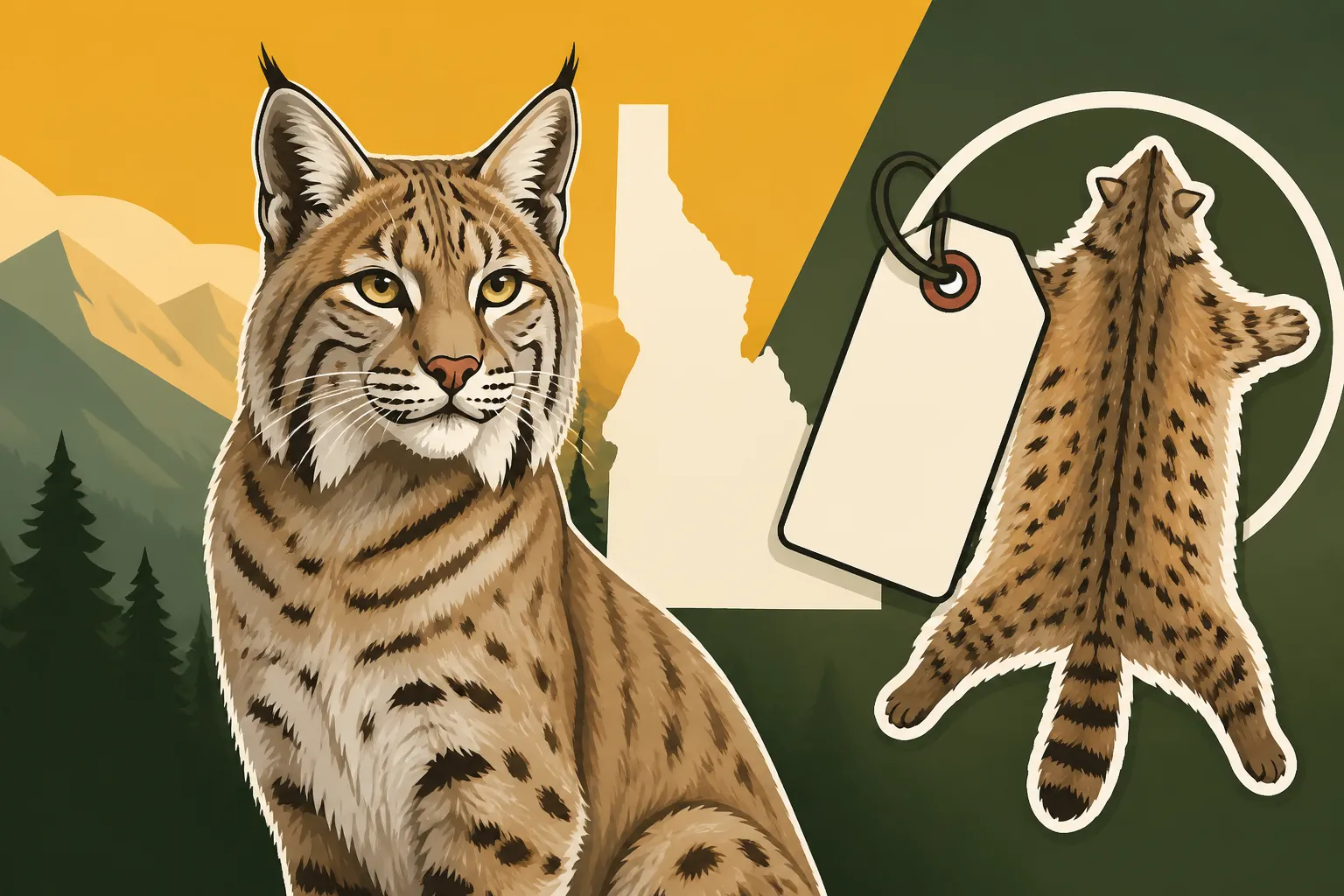
This tag is usually a tamper-proof plastic or metal seal that is permanently attached to the pelt, often through an eyehole or the jaw. It's designed so that it cannot be removed and reused without breaking it, ensuring its integrity. It is YOUR responsibility to ensure this tag is securely attached and remains with the pelt until it is processed or sold. Do not try to tag it yourself or use an unofficial tag; it must be an official IDFG-issued tag. If you're utilizing services like GoHunt for planning, you might also find mapping layers that show IDFG office locations, which can be invaluable for quickly getting your pelt tagged after a successful hunt.
Deadlines and Penalties for Non-Compliance
The deadlines for obtaining a pelt tag are strictly enforced. Missing the window – whether it's 10 days, 30 days, or whatever the current regulation states – can result in severe penalties. These penalties can include substantial fines, confiscation of the pelt, and loss of hunting or trapping privileges. Wildlife law enforcement officers take furbearer tagging very seriously because of its importance in controlling illegal trade and managing populations. It's not something you want to "get around to" next week.
Imagine you've had a fantastic hunt, calling in a beautiful bobcat in a remote canyon. You're exhausted but elated. You bring it home, thinking you'll skin it and then take care of the tag later. Then life gets busy, and suddenly you're past the deadline. That beautiful pelt, which was a source of pride, now puts you in legal jeopardy. The moral of the story is to prioritize the tagging process immediately after harvest. Know the deadline before you even head into the field. If you're unsure where your nearest tagging station is or what the current deadline is, a quick call to your regional IDFG office is always the best move.
Methods and Considerations for Bobcat Hunting
Successfully hunting or trapping bobcats in Idaho requires a combination of skill, patience, and adherence to legal methods. These animals are incredibly secretive, making them a worthy adversary for any furbearer enthusiast. Knowing the allowable methods and practicing ethical techniques are fundamental.
Legal Hunting Methods
For bobcats, both hunting and trapping are legal methods of take in Idaho, but each comes with its own set of rules.
Hunting:
- Calling: This is a popular and effective method. Hunters use electronic or mouth calls to mimic distressed prey (like rabbits or rodents) or sometimes even bobcat vocalizations to lure an inquisitive bobcat within shooting range. Using Electronic Calls for Predators and Varmint Hunting is permissible for bobcats in Idaho, offering a technological edge. Persistence is key, as bobcats can be cautious.
- Spot and Stalk: In areas with good visibility, especially open sagebrush country or along canyon rims, some hunters prefer to spot bobcats using optics and then attempt a careful stalk. This often requires long-range glassing equipment, like that used for Glassing Idaho Breaks for Mule Deer, and an intimate knowledge of the terrain.
- Hunting with Hounds: For those who enjoy working with dogs, hound hunting for bobcats is also legal during specified seasons. This is a highly specialized method that requires well-trained dogs and a permit for their use. It's a physically demanding style of hunting, often covering significant distances in challenging terrain.
Trapping:
- Trapping bobcats is a very effective method and is often governed by different regulations than hunting. Legal traps include foothold traps and sometimes cage traps, depending on the specific unit and proximity to developed areas. Snares are generally not allowed for bobcats. All traps must be checked within a specific timeframe (usually 72 hours, but again, always check the current regulations). Trapping requires significant knowledge of trap placement, baiting, and local conditions to be successful and humane.
Regardless of the method, remember to wear appropriate clothing, consider scent control, and be prepared for rapidly changing weather conditions characteristic of Idaho's diverse landscapes.
Ethical Hunting and Trapping Practices
Ethical considerations are paramount when pursuing any game animal, and bobcats are no exception. For hunters, this means taking clean, humane shots and making every effort to recover the animal. Knowing your effective range, practicing with your chosen firearm, and understanding bobcat anatomy for shot placement are crucial. Never take a shot you're not confident in, especially if the animal is moving or obscured.
For trappers, ethical practice revolves around responsible trap selection, placement, and frequent checks. Using appropriate trap sizes to minimize injury, placing traps in areas that avoid non-target species, and checking traps within the legally mandated timeframe are all essential. The goal is to ensure that any animal caught is handled quickly and humanely. Furthermore, respectful interaction with other land users, including landowners and outdoor recreationists, is part of ethical conduct, particularly when accessing areas like Idaho State Endowment Land Access Rules. We all share the land, and positive interactions help preserve hunting and trapping opportunities for everyone.
Preparing Your Harvest for Tagging
Once you've harvested a bobcat, proper field care is critical, especially since the pelt is the primary objective. The quality of the pelt directly correlates with its value and how well it will preserve.
- Cooling: Immediately after harvest, focus on cooling the animal down. If temperatures are warm, gutting the bobcat can help dissipate body heat and prevent spoilage, though it's not always strictly necessary for a quick skin-out.
- Skinning: Most hunters and trappers will skin a bobcat using a "cased" skinning method. This involves making an incision from the back pads of the hind legs to the vent, then circling the wrists and ankles, and peeling the hide off like a sock. The entire head, including ears and nose, and the paws with claws should remain attached to the hide for proper identification and tagging.
- Cleaning: Scrape off as much fat and meat as possible from the flesh side of the hide. Any remaining tissue can cause spoilage.
- Drying/Freezing: If you cannot get to a tagging station immediately, the pelt should be either frozen solid or stretched and dried. Freezing is often the easiest short-term solution. If stretching, use a proper bobcat stretching board to get a uniform shape, and ensure good airflow for drying. Do not salt or treat the hide before tagging, as IDFG may want to inspect the natural condition. Remember the deadline for tagging is still counting down, even if the pelt is frozen or drying!
Additional Regulations and Best Practices
Navigating Idaho's bobcat regulations involves more than just season dates and pelt tags. There are broader requirements and best practices that ensure a smooth, legal, and enjoyable experience.
License Requirements
Before you even think about heading out to hunt or trap bobcats, you absolutely must possess the correct Idaho hunting or trapping licenses. For hunting bobcats, you'll need a valid Idaho hunting license and, often, a furbearer tag or validation, which can be purchased separately. If you plan to trap, you'll need a valid trapping license. These requirements apply to both residents and nonresidents, although the fees will differ. Don't assume your general hunting license covers everything; always verify if a specific furbearer license or tag is needed. Getting caught without the proper licensing is an easy way to ruin a trip and incur unnecessary fines. Always consult the IDFG regulations for current license types and costs.
Reporting Your Harvest
Beyond the physical pelt tag, some states also require hunters and trappers to report their harvest online or through a telephone system. While the pelt tag itself is a form of reporting, make sure there aren't any additional mandatory online reporting steps specified in the regulations for bobcats. These additional reports contribute to IDFG's harvest statistics, helping them gain a complete picture of furbearer populations. If you want to dive deeper into the data that comes from these reports, learning how to interpret Reading an Idaho Harvest Statistics Report can give you an edge in understanding management trends. Accurate reporting, whether through tagging or online submissions, is a cornerstone of responsible wildlife management.
Researching Units with GoHunt
For any hunter or trapper serious about pursuing bobcats in Idaho, modern mapping and research tools are invaluable. Services like GoHunt provide detailed mapping layers that include public and private land boundaries, topography, satellite imagery, and often overlays for game management units. This kind of information is gold for planning your hunt, identifying potential bobcat habitat, and understanding access points.
You can use GoHunt to scout areas virtually, identifying terrain features that bobcats might frequent, such as rimrock, thick draws, or dense sagebrush. You can also research past harvest success rates in specific units (if that data is available) to help you choose areas with higher potential. This level of pre-hunt preparation drastically increases your chances of success and helps you navigate the complex unit-specific regulations with more confidence. Before you commit to a unit, use these resources to thoroughly investigate not just the season dates, but also factors like public land access and potential hunting pressure, allowing you to maximize your time in the field.
| Aspect of Bobcat Regulation | Key Consideration | Action Required |
|---|---|---|
| Season Dates | Vary by GMU/Region, not statewide; can change annually | Consult current IDFG furbearer regulations for specific unit dates; check for quotas. |
| Pelt Tag Requirement | Mandatory for legal possession, transport, sale | Obtain official IDFG pelt tag within strict deadline after harvest (e.g., 10 days). |
| Legal Methods | Hunting (calling, spot/stalk, hounds), Trapping | Verify specific legal methods and gear for your chosen unit and season. |
| License Requirements | Specific hunting/trapping license, furbearer tag | Purchase appropriate Idaho licenses and tags before hunting/trapping. |
| Harvest Reporting | May be required in addition to pelt tagging | Check regulations for any mandatory online or phone reporting after harvest. |
| Ethical Practices | Humane take, swift recovery, responsible trapping | Practice shooting, use appropriate traps, check traps frequently. |
Disclaimer
This article is for general informational purposes only and does not constitute professional advice. Laws, prices and regulations vary by location and change over time. Consult a qualified professional for guidance on your specific situation.