Idaho Cottontail and Snowshoe Hare Seasons
For many hunters, the grand pursuit of elk and deer understandably dominates the conversation when it comes to Idaho. But let's be honest, those tags can be tough to draw, and the seasons can feel fleeting. What if I told you there's a fantastic, often overlooked opportunity to extend your time outdoors, sharpen your skills, and fill your freezer with delicious wild game, without the intense pressure or high costs of big game hunts? This guide is all about diving into the world of Idaho's cottontail and snowshoe hare seasons, offering invaluable insights into where and when to find these fun, feisty little critters.
Understanding Idaho's Hare and Cottontail Seasons
Idaho's small game seasons are often incredibly generous, designed to provide ample opportunity for hunters of all ages and skill levels. Unlike the highly competitive draws for moose or bighorn sheep, cottontail and snowshoe hare are managed with long, accessible seasons, making them a perfect quarry for extending your hunting calendar well beyond the big game rush. They offer a chance to stay sharp, explore new areas, and simply enjoy the tranquility of Idaho's diverse landscapes.
General Season Dates for Cottontail
Cottontail rabbits are typically found in abundance across much of Idaho, particularly in the southern and western parts of the state where sagebrush and rimrock provide ideal habitat. Because of their robust populations and widespread distribution, the season for cottontail is usually quite extensive. You'll often find it opening around late summer or early fall, sometimes even overlapping with early archery seasons for deer or elk. This long window can stretch right through the fall and into the deepest parts of winter, frequently closing in February or even March of the following year.
This generous season offers incredible flexibility. If you're out scouting for big game in September, you can bring along a .22 and tag a few cottontails for dinner. If you've filled your deer tag early in November, you don't have to hang up your hunting boots; there are still plenty of cottontails waiting to be pursued. This extended opportunity is a huge benefit for those who simply love being in the field and want to make the most of Idaho's hunting heritage. Always remember to check the current Idaho Fish and Game regulations specific to the year you plan to hunt, as dates can shift slightly.
General Season Dates for Snowshoe Hare
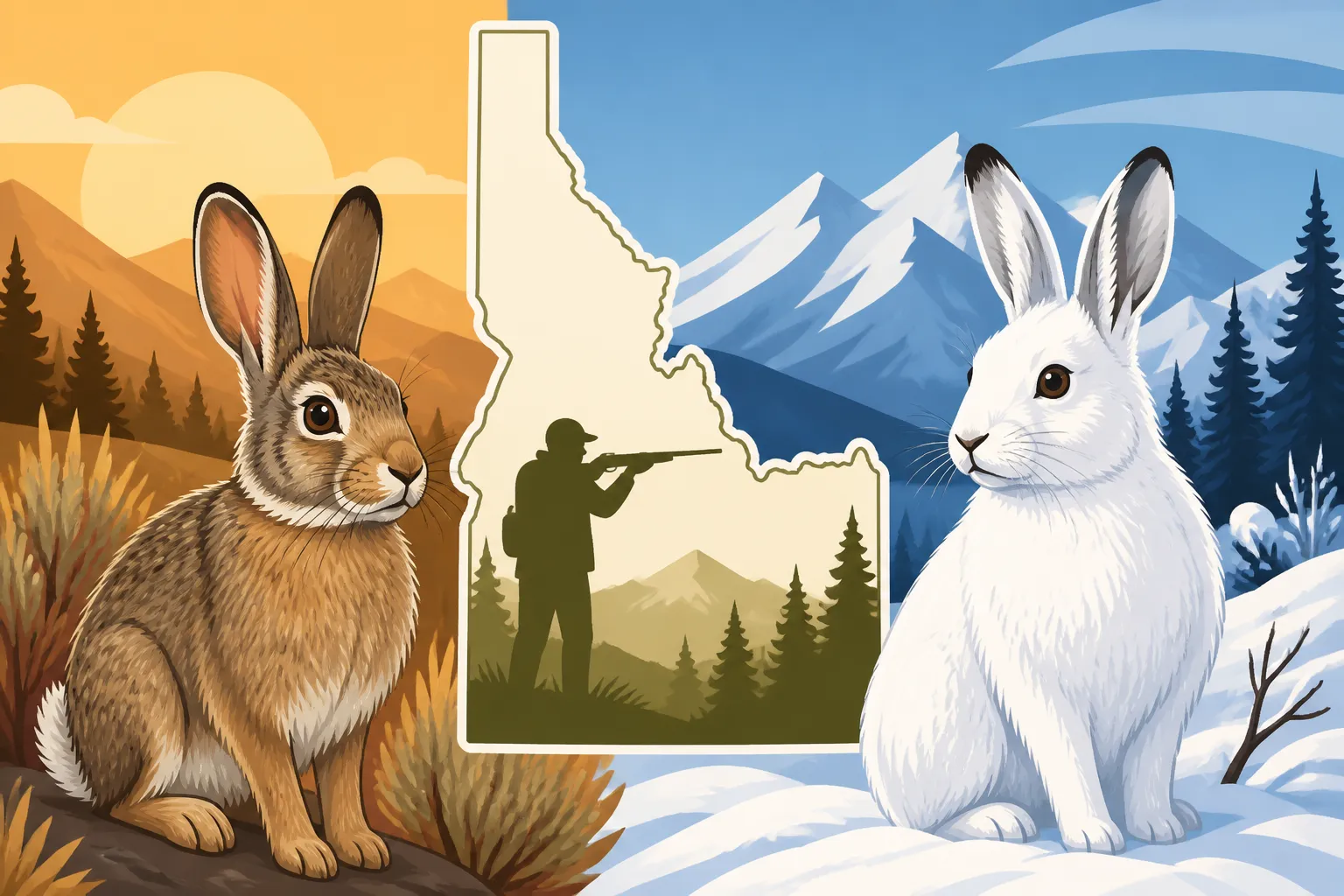
Snowshoe hares, with their iconic seasonal coat changes, thrive in very different environments than their cottontail cousins. These creatures are true denizens of the deep timber and higher elevations, where snow blankets the ground for much of the late fall and winter. As such, their seasons tend to reflect this colder, snowier habitat. While cottontail seasons might kick off in late summer, snowshoe hare seasons often begin later in the fall, typically in October or November, and can also run well into the following winter, often through January or February.
The timing of the snowshoe hare season often aligns perfectly with those crisp, cold days when you might be shedding an early deer or elk tag, or simply yearning for a reason to get into the snow-covered mountains. Hunting snowshoes often involves strapping on skis or snowshoes yourself, turning it into a truly immersive winter experience. The later opening allows for significant snow accumulation, which is not only crucial for the hares' camouflage but also makes their tracks much easier to spot, guiding you right to their preferred thickets and bedding areas. It's a fantastic way to enjoy the quieter, snowier side of Idaho's backcountry.
Bag and Possession Limits
Idaho, like all responsible wildlife management agencies, implements bag and possession limits to ensure sustainable harvest and healthy populations of all game species. For both cottontail rabbits and snowshoe hares, these limits are generally quite liberal, reflecting their strong population numbers and relatively quick reproductive cycles. Typically, you can expect a daily bag limit that allows you to harvest a good number of animals, often around 10 per day.
The possession limit, which is the maximum number of animals you can have in your possession at any given time (including those you've already taken home and frozen), is usually double the daily bag limit, perhaps 20. These numbers provide ample opportunity for a successful outing while preventing overharvest. It’s crucial to know these specific numbers for the current season, as they are a cornerstone of ethical and legal hunting. Exceeding these limits, even accidentally, can lead to fines and loss of hunting privileges. Always consult the official Idaho Fish and Game regulations for the most up-to-date figures before you head out into the field.
| Species | Typical Season Start | Typical Season End | Daily Bag Limit (Example) | Possession Limit (Example) | Primary Habitat |
|---|---|---|---|---|---|
| Cottontail | Late Summer/Early Fall | Late Winter/Early Spring | 10 | 20 | Sagebrush, rocky draws, dense thickets, farm edges |
| Snowshoe Hare | Mid-Fall | Mid-Winter | 10 | 20 | Conifer forests, willow thickets, high elevation |
Note: Season dates and limits are generalized. Always check current Idaho Fish and Game regulations for exact dates and numbers.
Where to Find Cottontail and Snowshoe Hare in Idaho
Understanding the habitat preferences of these two distinct species is absolutely key to finding success in the field. You won't find a snowshoe hare in the same open sagebrush flats where a cottontail thrives, and vice-versa. Pinpointing their specific niches within Idaho's diverse geography will dramatically increase your chances of a productive hunt.
Prime Cottontail Habitat
Cottontail rabbits are creatures of the brush, preferring areas that offer a dense tangle of cover for escape and plenty of nearby forage. In Idaho, this often means you'll find them in abundance across the drier, more arid regions, particularly in the southern and western parts of the state. Think about areas dominated by sagebrush, bitterbrush, and serviceberry. They love draws and coulees with thick vegetation, rocky outcrops, and old fence lines that provide immediate protection.
These rabbits are often found at lower to mid-elevations. Look for them around the edges of agricultural fields, especially where crops meet natural brush lines. Old homesteads, abandoned orchards, and even the fringes of suburban areas (where hunting is permitted and safe, of course) can be hotspots. When scouting, pay attention to areas with a good mix of tall, protective cover and open patches for feeding. Sometimes you'll even find them utilizing old farm equipment or discarded materials for quick shelter. Tools like GoHunt or other mapping applications can be invaluable for identifying these transitional zones and pockets of suitable habitat on public land, helping you pinpoint potential honey holes before you even leave home. This focus on specific habitat contrasts sharply with the expansive views needed for Glassing Idaho Breaks for Mule Deer, showcasing the diverse strategies needed for different game.
Locating Snowshoe Hare Habitat
Snowshoe hares, in stark contrast to cottontails, are true boreal forest dwellers. They prefer dense conifer forests, thickets of willow and alder, and aspen stands, typically found at higher elevations in the mountainous regions of Idaho. The key to finding snowshoes is often snow. They rely on their seasonal coat change to white for camouflage, making heavy snow cover essential to their survival.
Look for areas with dense undergrowth, often comprised of young pines, firs, and spruces, where they can easily disappear into the shadows. Willow bottoms along mountain streams or marshes, particularly those with plenty of fallen timber and tangled branches, are also prime spots. The Panhandle, the central mountains, and other timbered zones across the state are good places to start your search. When there's fresh snow, you'll often spot their distinctive track patterns – large hind feet landing ahead of smaller front feet – leading you right to their hiding places. These areas also often coincide with winter ranges for other species, so while you're looking for hares, you might also be Reading Fresh Elk Sign in Dark Timber, which can add another layer of excitement to your outing.
Public vs. Private Land Access
Idaho offers a wealth of public land opportunities for small game hunters. Vast tracts of National Forest and Bureau of Land Management (BLM) ground are open to hunting, and these are often excellent places to pursue both cottontail and snowshoe hare. For cottontails, much of the BLM land in southern Idaho with its sagebrush-steppe ecosystems can be incredibly productive. For snowshoes, the extensive National Forests across the central and northern parts of the state are your best bet. Hunting Idaho's National Forests and BLM Ground provides a great overview of the sheer volume of accessible land.
However, don't overlook private land, especially for cottontails. Many farmers and ranchers are often more receptive to small game hunters than big game hunters, especially if rabbits are causing damage to crops or feed. Always, and I mean always, secure explicit permission from the landowner before stepping foot on private property. A friendly knock on the door, a polite request, and an offer to share some of your harvest can go a long way. Respecting private property is paramount, and it helps maintain good relations between landowners and hunters. Using a mapping app like GoHunt can help you differentiate public from private parcels, and even identify Idaho's Access Yes properties, which are private lands voluntarily opened to public access for various activities, including hunting.
Hunting Strategies and Gear for Hare and Cottontail
Hunting small game like hares and cottontails might seem simple on the surface, but employing the right strategies and having the appropriate gear can make the difference between a frustrating walk and a successful, enjoyable hunt. These critters are wily, and while they might not offer the same trophy incentive as a bull elk, they provide challenging and rewarding experiences.
Equipment Essentials
When it comes to gear for rabbit and hare hunting, simplicity is often the name of the game, but a few key items will greatly enhance your success and comfort.
- Firearms: For cottontails, a .22 LR rifle is practically the quintessential tool. It’s quiet, accurate at the short ranges typical for rabbits, and the ammunition is inexpensive. Headshots are preferred for meat salvage. For snowshoe hares in dense cover, a shotgun is often more effective, especially if they are flushing quickly. A 20-gauge or 12-gauge loaded with small shot (like 6 or 7.5) will do the trick. Some hunters also enjoy the challenge of an air rifle, which can be very effective and quiet. Remember, during any-weapon big game seasons, wearing blaze orange might be required, so check the regulations for Blaze Orange Requirements Through the Season.
- Clothing: You'll be walking through brush, possibly snow, and often in chilly conditions. Layers are crucial. Sturdy, briar-resistant pants and a durable jacket are highly recommended. Good quality, waterproof boots are non-negotiable, especially for snowshoe hare hunting where you might be post-holing through deep snow. Warm gloves and a hat are also essential to stay comfortable in Idaho's variable weather.
- Other Gear: A game vest or small backpack to carry your harvest, water, snacks, and extra ammo is very useful. A small cooler with ice in your vehicle will keep your game fresh on the ride home. If you're hunting snowshoes in deep winter, actual snowshoes or cross-country skis can be invaluable for covering ground efficiently and quietly. For those who enjoy hunting with dogs, beagles are legendary for their ability to flush rabbits and hares from dense cover.
Tactics for Cottontail Hunting
Cottontails are masters of concealment, often freezing in place until you're nearly on top of them before bursting out. This behavior dictates much of the hunting strategy.
- Still Hunting and Slow Walks: One of the most effective methods is simply to walk slowly through prime cottontail habitat, pausing frequently. Take a few steps, then stop and scan every brush pile, every tangle of thorns, and the base of every rock for the outline of a rabbit. Often, you'll spot them before they bolt. They might be sitting tight, relying on their camouflage. When they do run, they typically don't go far, often diving into the nearest thicket. If you lose sight of them, circle quietly and wait; they might pop out again, or another rabbit might flush.
- Driving Brush Piles: If you're hunting with a partner or two, systematically working brush piles can be very effective. One or two hunters can "post" on one side of a large brush pile or thicket, while the other walks through it, pushing the rabbits out. This is where a shotgun shines, offering quick follow-up shots on fast-moving targets. Communication and safety are paramount when hunting with others.
- Hunting with Dogs: For an incredibly fun and often productive hunt, a good rabbit dog (like a beagle) is hard to beat. The dog will work through the cover, flushing rabbits and keeping them moving, often in a circular pattern, giving you opportunities for a shot. This is a very active and exciting way to hunt small game.
Tactics for Snowshoe Hare Hunting
Snowshoe hare hunting is generally a colder, more physically demanding endeavor, often done in deep snow.
- Snowshoeing/Skiing for Tracks: In winter, fresh snow is your best friend. Strap on snowshoes or cross-country skis and slowly cover ground in dense conifer or willow thickets. Look for fresh tracks that indicate recent activity. Snowshoes often feed heavily at dawn and dusk, so focusing your efforts during these times can be fruitful. Once you find fresh tracks, follow them slowly and deliberately, constantly scanning the dense cover ahead.
- Spotting Dark Eyes Against Snow: This is an acquired skill. When snowshoe hares are bedded or frozen in their white phase, the most obvious thing to give them away is often their dark eyes. Train your eyes to look for these small, dark points against the white backdrop of snow and their fur. They will often sit incredibly tight, allowing you to get quite close if you move slowly and quietly.
- Working Dense Cover: Snowshoes love impenetrable thickets. They feel safe in the tightest cover. Don't be afraid to push into these areas, but move methodically. Sometimes, simply rattling a stick against the brush will cause a hare to bolt, offering a quick shot. Pay attention to north-facing slopes and shaded areas where snow tends to linger, as these are often preferred by snowshoes. You might find yourself in terrain reminiscent of Terrain That Hides a Stalk Above Timberline, requiring careful foot placement and keen observation.
Why Small Game Hunting Matters
While big game hunting often gets the lion's share of attention, overlooking Idaho's small game opportunities means missing out on a truly rewarding and integral part of the hunting experience. Hunting cottontails and snowshoes is not just about the harvest; it's about connecting with nature, building essential skills, and enjoying the outdoors in a different, often more relaxed, way.
Extending Your Time Afield
One of the biggest advantages of rabbit and hare hunting is the sheer length and accessibility of their seasons. While big game draws and specific season dates can be limiting, these small game seasons typically span several months, bridging the gaps between other hunting opportunities. This means you can scratch that hunting itch in early fall, mid-winter, or even late spring, long after your deer or elk tags might be filled or if you didn't draw a coveted tag.
For new hunters, youth hunters, or those looking to introduce friends and family to the sport, small game offers an approachable entry point. The physical demands are often less strenuous, the cost of equipment is lower, and the chances of success can be higher, leading to a more positive initial experience. Unlike the strict age requirements for big game, Idaho's Minimum Age for Big Game and Cranes, small game hunting can often be enjoyed by younger participants with proper supervision, fostering a love for the outdoors from an early age.
Skill Building and Field Experience
Don't let the "small" in small game fool you – hunting rabbits and hares demands and refines many of the same skills crucial for big game. You'll improve your:
- Tracking: Learning to read fresh tracks in snow or dust is a fundamental skill, directly transferable to following deer or elk.
- Stalking and Still Hunting: Moving slowly, observing, and patiently waiting for an opportunity are paramount, whether you're after a cottontail in a brush pile or a bull elk in dark timber.
- Marksmanship: Taking quick, ethical shots at moving targets, or precise shots at stationary ones, hones your shooting abilities under field conditions.
- Woodsmanship and Situational Awareness: Understanding habitat, identifying cover, reading terrain, and anticipating animal behavior are all honed during small game hunts. You'll become more attuned to the subtle signs of the wild.
The pressure is often lower on a rabbit hunt, allowing you to focus on these skills without the immense weight of a once-in-a-lifetime big game opportunity resting on your shoulders. It's truly a fantastic proving ground for any hunter.
Sustainable Harvest and Delicious Table Fare
Idaho's cottontail and snowshoe hare populations are generally robust and well-managed, allowing for a sustainable harvest year after year. These animals reproduce quickly, ensuring that reasonable hunting pressure doesn't negatively impact their numbers. This means you can enjoy your hunt knowing you're participating in a healthy, sustainable wildlife management system.
Beyond the thrill of the chase and the outdoor experience, rabbits and hares offer truly delicious table fare. The meat is lean, flavorful, and incredibly versatile. Whether you're making a hearty rabbit stew, frying up crispy rabbit legs, or grilling marinated loins, these animals provide excellent protein for your dinner table. It's a wonderful way to connect with your food source and enjoy the fruits of your labor directly. There's a deep satisfaction that comes from providing a meal from the wild, and cottontails and snowshoe hares offer a consistent opportunity to do just that.
Disclaimer
This article is for general informational purposes only and does not constitute professional advice. Laws, prices and regulations vary by location and change over time. Consult a qualified professional for guidance on your specific situation.