Sharp-Tailed Grouse on Eastern Grasslands
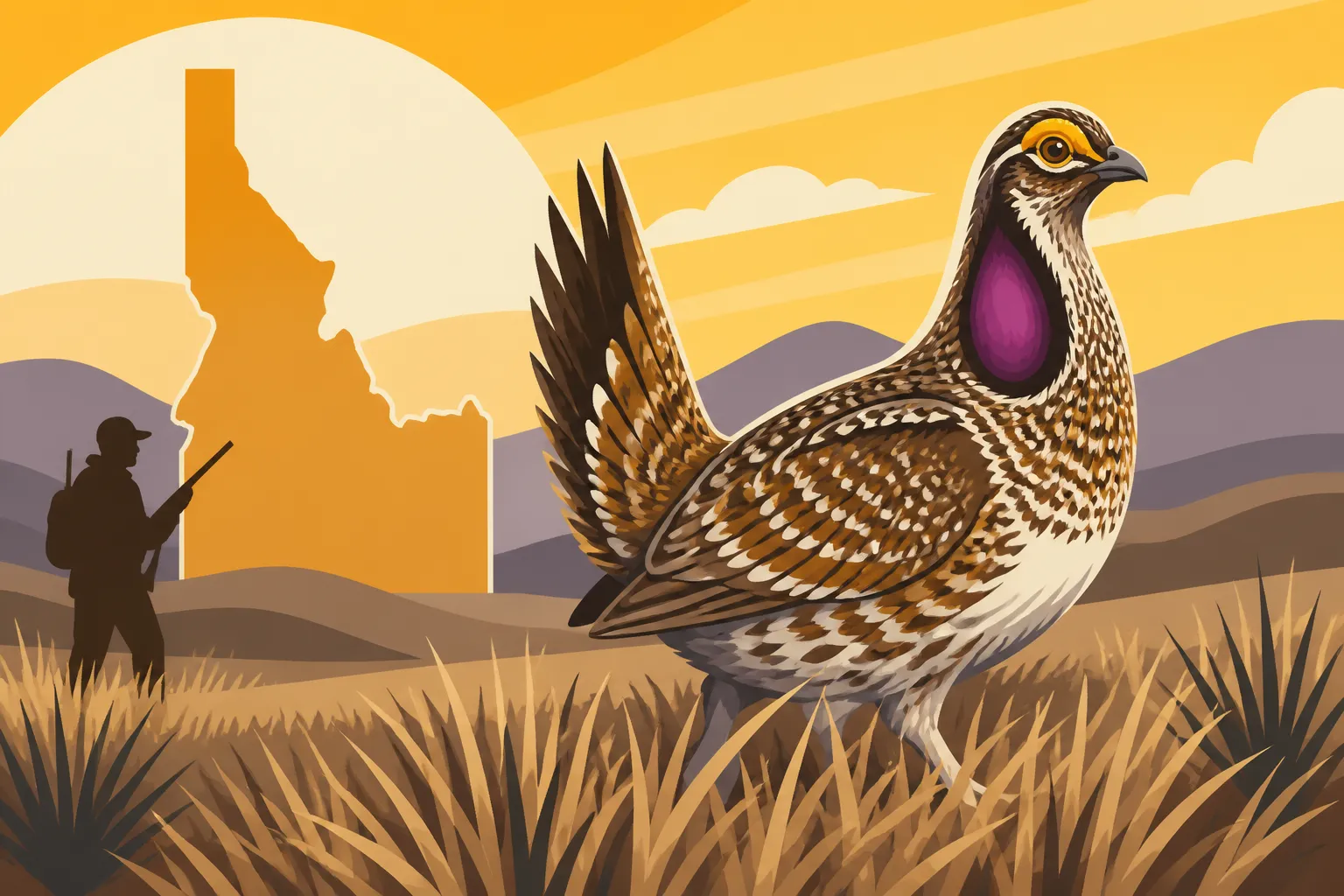
Hunting sharp-tailed grouse in Idaho's eastern grasslands can feel like searching for a needle in a haystack if you're not intimately familiar with their preferred haunts. These captivating birds thrive in very specific environments, and trying to find them without understanding their unique habitat needs can lead to a lot of boot leather and not much action. This guide will help you pinpoint exactly where these birds gather, what strategies will put you on birds, and how to navigate the regulations unique to hunting sharp-tails in Idaho.
Understanding Idaho's Sharp-Tailed Grouse Habitat
Sharp-tailed grouse aren't just any old upland bird you'll stumble upon in the timber or along a river bottom. They are birds of a very particular palate when it comes to habitat, and understanding their preferences is the first step toward finding them in Idaho. Their survival and proliferation are directly tied to specific grassland ecosystems, making them distinct from their cousins like the forest grouse or even the chukar of the steep river breaks.
The Unique Needs of Sharp-Tails
Unlike the ruffed grouse that thrives in dense aspen stands or the chukar that scrambles up rocky, arid slopes, sharp-tailed grouse are true inhabitants of the open country. They demand large, contiguous tracts of native grasslands and sagebrush-steppe environments. Think rolling hills, interspersed with a mosaic of native grasses like bluebunch wheatgrass and Idaho fescue, and pockets of shrub species such as silver sagebrush, bitterbrush, and serviceberry. These aren't just places to eat; these are their homes. They need these specific plant communities for nesting, brood-rearing, foraging, and crucial winter cover. Without this complex, varied structure, sharp-tails simply can't survive, which is why their range is quite limited compared to more adaptable species. Their survival depends heavily on the health of these unique grassland ecosystems, often bordering agricultural fields where they might glean some waste grain.
Why Eastern Idaho is Prime Territory
When we talk about "eastern grasslands" for sharp-tails in Idaho, we're really focusing on the southeastern quadrant of the state. This area, stretching from the eastern Snake River Plain into the foothills bordering Wyoming, offers the ideal ecological conditions that sharp-tailed grouse require. Historically, this region was dominated by vast sagebrush-steppe and native grassland communities, perfectly suited for sharp-tails. While some of these areas have been impacted by development or agricultural conversion over the years, significant tracts remain. These landscapes often feature gently rolling terrain, relatively dry conditions, and an abundance of the specific vegetation that provides both food and cover. Conservation efforts, often in partnership with private landowners and federal agencies, have been crucial in maintaining and restoring habitat in these key eastern regions, making them the most viable spots for hunters hoping to pursue this unique bird.
Identifying Key Habitat Features
When you're out in the field, knowing what to look for can drastically improve your chances. Sharp-tailed grouse habitat isn't dense timber; it's subtle and open. You'll be looking for broad expanses of native grasslands, often with a good mix of tall grasses for cover and shorter, seed-producing grasses for food. Critically, these areas will also have scattered patches of low-growing shrubs, particularly sagebrush species. These shrubs are vital for sharp-tails, providing thermal cover during harsh weather, protection from aerial predators, and even an important food source, especially in winter. Focus on areas where grass and shrub cover create a "mosaic" pattern, offering diverse options for the birds. Pay close attention to the edges of cultivated fields where they meet unbroken native habitat, or the fringes of draws and coulees that offer a bit more shelter from the wind and elements. These subtle transitions are often hotbeds for sharp-tail activity.
Where to Find Sharp-Tails in Idaho's Eastern Grasslands
Finding sharp-tailed grouse isn't like hunting pheasants along a CRP strip, where birds are often concentrated in dense, linear cover. Sharp-tails are more spread out and demand a different scouting approach. You'll need to think about broader landscapes and utilize mapping tools to identify potential areas.
Key Regions and Counties
In Idaho, the bulk of sharp-tailed grouse hunting opportunities are found in the southeastern and east-central parts of the state. Counties like Caribou, Bear Lake, Franklin, and Oneida are often considered prime sharp-tail country. These areas maintain significant expanses of the necessary sagebrush-steppe and native grasslands. Some specific game management units in these regions are managed with sharp-tailed grouse in mind, and reviewing the latest Idaho Fish and Game regulations will often point you toward the areas with better populations. While I can't name specific, current "best units," focusing your research on the general southeast quadrant of Idaho is the right starting point. These regions offer a blend of federal public lands and private agricultural ground, creating a diverse landscape for birds.
Public Land Access Points
One of the biggest challenges for hunters is figuring out where they can actually hunt these birds. Much of the prime sharp-tail habitat might be on private land, but Idaho also boasts significant public land, primarily managed by the Bureau of Land Management (BLM) and State Endowment Lands, particularly in the eastern part of the state. Utilizing digital mapping tools like GoHunt or similar platforms becomes absolutely essential here. These tools allow you to overlay land ownership maps onto satellite imagery, helping you identify public access points, isolate landlocked public parcels, and understand the property boundaries around private holdings. Look for large, continuous blocks of BLM ground that show the characteristic grassland and sagebrush habitat. Pay attention to any designated walk-in access areas or properties enrolled in programs like Idaho's Access Yes, which open up private land to public hunting. Always confirm access rules, especially for State Endowment Lands, as some may have specific regulations. Using onX Layers for Idaho Public Land can be incredibly helpful in this regard.
Seasonal Movements and Concentrations
Sharp-tailed grouse movements can vary throughout the season, influenced by weather, food availability, and hunting pressure. Early in the season, often during the warmer parts of September, birds might be more spread out, using brood-rearing cover. As temperatures drop and food sources change, they tend to gather into larger coveys, often referred to as "packs." These packs might concentrate around reliable food sources, such as grain fields bordering native grasslands, or move to areas with denser thermal cover.
Knowing their daily routines is also crucial. Like many upland birds, sharp-tails are most active during the early morning and late afternoon, when they move between roosting areas and feeding grounds. Midday can be slower, with birds often loafing or dusting in protected spots. On cold or windy days, they might seek shelter in draws or on leeward slopes. When scouting, look for signs of their presence: droppings, dusting bowls, and "lek" sites (their traditional breeding grounds) which, though not active during hunting season, can indicate historical use of an area. Understanding these patterns, combined with insights from resources like the Idaho Upland Bird Season Opening Dates and local harvest statistics, can help you predict where birds might be holding.
Hunting Techniques for Sharp-Tailed Grouse
Once you've found promising habitat, the next step is actually putting boots on the ground and engaging with the birds. Sharp-tailed grouse hunting is a physical endeavor, often requiring miles of walking across undulating terrain.
Walking and Flushing Birds
The most common and often most effective method for hunting sharp-tailed grouse is simply walking them up. This means covering ground systematically, often in a zig-zag pattern, focusing on likely cover. Unlike pheasants that might hold tight in thick cattails, sharp-tails can be a bit more flighty in open country. They often flush at a greater distance, so being ready for a quick shot is key.
Walk at a steady, moderate pace, but be prepared to stop frequently and scan the landscape ahead. Birds might be hunkered down, and a momentary pause can sometimes make them nervous enough to flush. Focus on walking through the mosaic of tall grasses and sagebrush, paying particular attention to the edges where different habitat types meet, or along the gentle slopes of draws. If you're hunting with a partner, spread out in a line, maintaining visual contact, to cover a wider swath of ground. This method helps to push birds forward and prevents them from slipping out the sides unnoticed. You'll need good optics, but also good hearing to catch the distinct cackle of a flushing sharp-tail.
Using a Good Bird Dog
While walking them up is certainly possible, having a well-trained bird dog significantly enhances your sharp-tailed grouse hunting experience. A good pointing dog will cover ground efficiently, scent out birds that you might walk past, and hold them long enough for you to get within shotgun range. This is especially valuable given the tendency of sharp-tails to flush wild.
When working a dog for sharp-tails, understanding the wind is paramount. Work your dog into the wind whenever possible, allowing them to pick up scent more effectively. Be patient, as sharp-tails can sometimes run ahead of a point, testing your dog's resolve. A flushing dog can also be effective, helping to roust birds from heavy cover that you might otherwise miss. However, with flushing dogs, you need to be constantly ready for the quick flush. Remember, a dog is not just a tool for finding birds; they add an immense amount of joy and companionship to the hunt, making the long walks in the grasslands even more rewarding.
Shotgun and Ammunition Choices
For sharp-tailed grouse, a fast-swinging, reliable shotgun is your best friend. Most hunters opt for a 12 or 20 gauge, but even a 28 gauge can be effective in the hands of a skilled shooter. The key is to be comfortable with your chosen firearm and able to get on target quickly.
As for ammunition, stick with typical upland loads. Shot sizes like 7.5 or 6 are ideal. The smaller 7.5 shot offers a dense pattern suitable for these medium-sized birds, while 6 shot provides a bit more knockdown power if they flush at the further end of your range. Choke selection is also important; an improved cylinder or modified choke is generally recommended. Sharp-tails tend to flush hard and fast, often at 25-40 yards, so you want a pattern that opens up enough for a quick shot but still delivers enough pellets for a clean kill. Avoid overly tight chokes like full, as they can make hitting these agile birds much harder. Always carry enough shells, as you might walk a long way between flushes.
| Feature | Sharp-tailed Grouse | Chukar Partridge | Forest Grouse (Ruffed/Blue) |
|---|---|---|---|
| Primary Habitat | Native grasslands, sagebrush-steppe, agricultural edges | Steep, rocky slopes, cheatgrass, sparse shrubs | Dense timber, aspen stands, conifer forests |
| Typical Terrain | Rolling hills, open plains | Rugged canyons, scree slopes | Mountainous timber, creek bottoms |
| Flight Pattern | Fast, direct, often high | Rapid, downhill, often into cover | Explosive, through trees, often short |
| Flushing Distance | Can flush wild (25-50+ yards) | Often hold tight, then explode | Holds tight, then bursts from cover |
| Concentration | Often in coveys/packs | Coveys in specific drainages | More solitary or small family groups |
Important Regulations and Considerations
Before heading out, it's critical to be fully aware of Idaho's specific regulations for sharp-tailed grouse. These birds are managed differently than some other upland species, and a simple oversight can quickly ruin a hunt.
Season Dates and Bag Limits
Sharp-tailed grouse seasons in Idaho are typically shorter and have more restrictive bag limits compared to more common upland birds like pheasants or chukar. The season usually opens in September and may only run for a few weeks, sometimes closing before other general upland seasons. Bag limits are often lower, perhaps one or two birds per day, and possession limits are similarly conservative. These tighter regulations are in place to help manage the population of these unique birds, which are less numerous and have more specialized habitat needs than others. It's absolutely crucial to consult the current year's Idaho Upland Game, Turkey, and Furbearer Seasons and Rules pamphlet before you go afield. Do not rely on past years' regulations, as they can change annually.
Permit Requirements
This is a big one that often catches hunters by surprise: sharp-tailed grouse in Idaho often require a special permit or validation in addition to your regular hunting license and upland bird validation. This is not always the case for other upland birds, so it's a detail you cannot overlook. This permit is typically inexpensive but must be acquired before you hunt. The revenue from these permits helps fund sharp-tailed grouse research and habitat conservation efforts. Double-check the current regulations to confirm if a permit is required for the specific area and season you plan to hunt. Missing this small but important step could result in a citation.
Hunter Education and Safety
Even in the open country of eastern Idaho, hunter education and safety remain paramount. Anyone born after 1974 needs to complete an approved hunter education course to purchase a hunting license in Idaho. This foundational knowledge ensures you understand firearm safety, ethical hunting practices, and wildlife identification. Beyond the basic certification, always practice safe gun handling, especially when hunting with partners or dogs. Know your target and what is beyond it, even in seemingly wide-open spaces. Communicate clearly with your hunting companions, especially when navigating varied terrain or making a retrieve. When hunting on public lands, it's also a good idea to let someone know your general hunting area and expected return time. Anyone Born After 1974 Needs Idaho Hunter Education is a critical requirement that helps ensure safe hunting for everyone.
Respecting Land and Wildlife
Hunting sharp-tailed grouse often takes you through a patchwork of public and private lands. Always know exactly where you are and respect private property boundaries. Use your mapping apps, like those from GoHunt, to avoid accidental trespass. If hunting near private land, make sure you have explicit permission from the landowner before stepping foot on their property. Leave no trace of your presence—pack out all trash, spent shotgun shells included. Be mindful of fences, gates, and roads. Idaho's Motorized Hunting Rule Keeps You on the Road is also important to remember; generally, you cannot drive off established roads, even to retrieve downed game. Ethical hunting extends beyond just legal requirements; it's about being a responsible steward of the land and respecting the wildlife we pursue. Make clean shots, retrieve every downed bird, and honor the animal.
Disclaimer
This article is for general informational purposes only and does not constitute professional advice. Laws, prices and regulations vary by location and change over time. Consult a qualified professional for guidance on your specific situation.