Where Idaho Mountain Goat Hunts Are Held
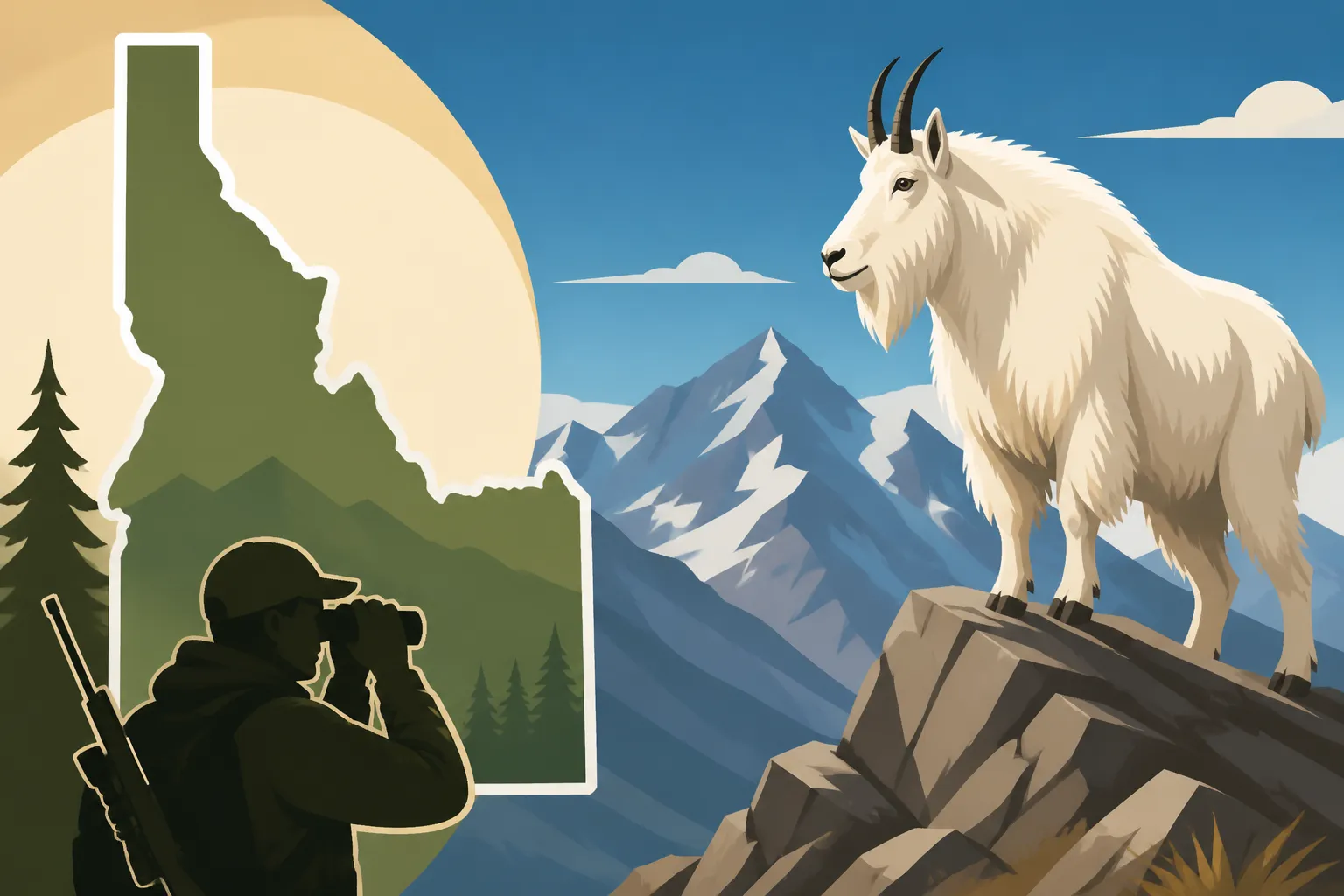
For many hunters, the majestic mountain goat represents the pinnacle of a western big game pursuit, a true test of physical endurance and mental grit in some of the most unforgiving terrain imaginable. But the dream of pursuing one of these incredible animals often runs headlong into the very practical question of, well, where in Idaho do you actually go to hunt them? It's not like deer or elk where general tags open up vast tracts of country. Mountain goat hunting in Idaho is a highly specialized endeavor, rooted in limited, tightly controlled hunts in specific areas designed to protect these unique populations. This guide will walk you through understanding where these hunts are held, what defines those areas, and how to approach finding your own piece of goat country.
Understanding Idaho's Mountain Goat Habitat
To truly grasp where Idaho's mountain goat hunts are held, you first need a solid understanding of the kind of place these animals call home. Mountain goats aren't just found in "mountains"; they are creatures of the extreme alpine, perfectly adapted to environments that most other big game animals only briefly visit. This incredibly specialized habitat dictates their distribution across the state and, by extension, where hunt opportunities might exist.
The Rugged High Country They Call Home
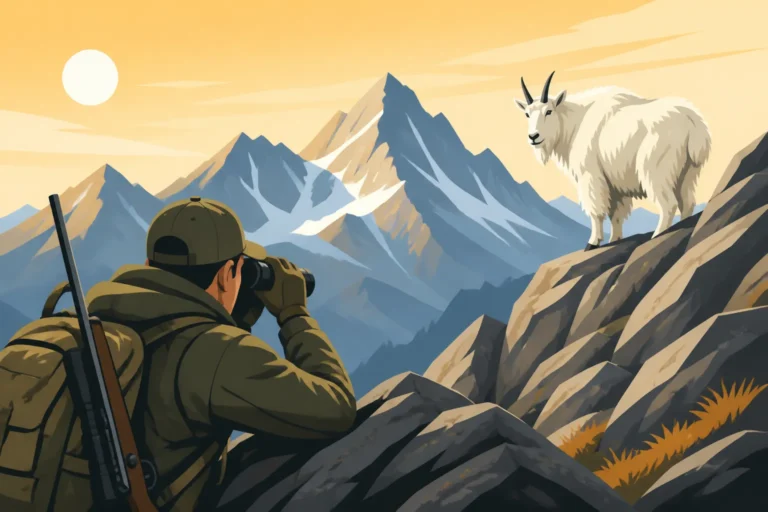
Imagine jagged peaks, exposed rock faces, permanent snowfields, and vertical cliffs. That's mountain goat country in a nutshell. These animals thrive at or above timberline, often pushing into elevations where trees struggle to survive. Their incredible climbing ability allows them to navigate treacherous ledges and steep scree fields with astonishing grace, accessing forage and escape routes that would be impossible for predators (or most humans).
Their diet, consisting of high-alpine grasses, forbs, and lichens, ties them directly to these lofty, nutrient-sparse environments. Unlike elk that might migrate down to lower elevations with the first heavy snow, mountain goats are built to withstand the harshest winters at elevation. This means the areas that hold goats year-round are those with ample escape terrain and reliable, if tough, forage. Think granite, basalt, and other volcanic rock formations that provide endless nooks and crannies, steep slopes for quick ascents, and cliffs to stand on while they survey their domain. If you're scouting for goats, you're not looking for dark timber or open sagebrush flats; you're craning your neck towards the highest, steepest, most inaccessible-looking ground you can find.
Why Their Range is So Limited
Given their specific habitat requirements, it's no surprise that mountain goat populations in Idaho are not widespread. They are found in relatively isolated pockets across the state's most rugged mountain ranges. Historically, some areas saw native populations decline due to overhunting or habitat changes, leading to reintroduction efforts in various parts of Idaho to establish new herds or bolster existing ones. These efforts, while successful in many cases, mean that goat distribution is still somewhat fragmented.
Each of these localized herds is carefully managed by the Idaho Department of Fish and Game (IDFG). The highly sensitive nature of these populations means that permits are extremely limited. Unlike a general season deer or elk tag that covers vast swaths of forest, mountain goat tags are part of a controlled hunt system, often tied to very specific Game Management Units (GMUs) or even sub-units within those GMUs. The agency needs to ensure sustainable harvest rates to protect these valuable populations, which translates into very few tags being issued each year for very precise locations. This makes thorough research into Idaho Mountain Goat Draw Odds Explained absolutely crucial for anyone hoping to pursue one of these incredible animals.
Key Geographic Regions and Game Management Units
When it comes to where mountain goat hunts are held in Idaho, we're talking about specific, high-elevation zones within the major mountain ranges. These aren't just broad regions; they're delineated by Game Management Unit (GMU) boundaries, which you'll need to understand intimately if you plan to apply for a tag.
Iconic Mountain Ranges Known for Goats
Idaho is home to several majestic mountain ranges that harbor mountain goat populations. These are the kinds of places that even just visiting takes your breath away, let alone attempting to hunt in them. You'll generally find goat opportunities concentrated in the central and north-central parts of the state, where the most dramatic, rugged terrain exists.
Consider areas like:
- The Sawtooth Range: This iconic range, partly within the Sawtooth Wilderness, offers classic alpine goat habitat with its granite peaks and high basins.
- The White Cloud Mountains: Often associated with the Sawtooths, these mountains also provide excellent high-elevation goat country.
- The Salmon River Mountains: A vast, sprawling range that includes parts of the Frank Church-River of No Return Wilderness. This area is known for its immense, roadless expanses and incredibly rugged terrain.
- The Bitterroot Range: Bordering Montana, the Idaho side of the Bitterroots presents steep, timbered slopes giving way to rocky alpine bowls, perfect for goats.
- The Pioneer Mountains: Located east of the Sawtooths, these peaks offer another significant stronghold for mountain goats.
These ranges represent the type of country you'll be looking at, but they are far from specific hunt units. It's important to remember that access within these ranges varies wildly, from areas with some trailheads to vast wilderness zones where travel is restricted to foot or horseback.
Narrowing Down to Specific Units
While knowing the general mountain ranges is a great starting point, the real work begins when you dive into the specifics of Idaho's Game Management Units (GMUs). The Idaho Fish and Game department organizes its hunts by these units, which are often defined by roads, rivers, and geographic features. For mountain goats, a controlled hunt permit will almost always be tied to one or more specific GMUs.
You'll need to consult the annual Idaho Big Game Regulations carefully, as these units can change slightly year to year, and new opportunities might arise based on population surveys. For example, a hunt might be designated for "Unit 28" or "Units 36A and 36B." The key is to identify which units within those larger mountain ranges have open goat hunts. Tools like The Idaho Hunt Planner Is the Tool to Start With are invaluable here, allowing you to visually explore unit boundaries, terrain, and even historical harvest data. Many experienced western hunters use sophisticated online platforms, like GoHunt, to overlay unit maps, public land data, and detailed topographical information to pinpoint potential hunt areas and understand their nuances long before applying. This kind of digital scouting is paramount when tags are so rare.
The Role of Controlled Hunts
Mountain goat hunting in Idaho is exclusively managed through a controlled hunt system. This means there are no "over-the-counter" or general season tags available. You must apply for a specific permit in a specific unit, and then you are entered into a drawing. The number of tags available for each unit is exceptionally low, often single digits, which means drawing a tag is a once-in-a-lifetime opportunity for many. This scarcity is why researching past draw odds and success rates for particular units is so critical.
The limited nature of these hunts is directly tied to the need to manage these sensitive populations sustainably. An uncontrolled harvest could quickly decimate a localized herd, and it takes years for mountain goat populations to rebound. Therefore, the units open for hunting, and the number of tags issued, are a direct reflection of ongoing population health assessments by biologists. When you're dreaming of a mountain goat hunt, you're not just picking a spot on a map; you're applying for a chance at a highly coveted permit within a carefully managed ecosystem.
Navigating Idaho's Controlled Hunt System for Goats
Successfully hunting mountain goats in Idaho isn't just about knowing where they live; it's about mastering the state's controlled hunt system. This is a process that demands meticulous research, strategic planning, and a good dose of patience.
The Annual Regulations as Your Map
Your absolute first step, and really your bible for any Idaho hunt, especially a controlled one, is the current year's Idaho Big Game Regulations. These are released annually and contain all the crucial information you need: specific hunt areas (GMUs), season dates, weapon restrictions, and quota numbers. Critically, they will detail which units are open for mountain goat hunting in any given year. Never rely on outdated information; always get the most recent regulations from the Idaho Department of Fish and Game (IDFG) website.
Within these regulations, you'll find a section specifically for mountain goat controlled hunts. It will list the hunt numbers, the units they cover, the species (goat), the tag quota (often just one or two tags per hunt area), and the eligible weapons. You'll notice that many of these hunts are quite specific, sometimes only allowing archery or muzzleloader hunting, or having very narrow date ranges. This level of detail is paramount, as a mistake in your application could cost you a shot at a once-in-a-lifetime tag.
Researching Draw Odds and Unit Information
Once you've identified the potential units that interest you, the next phase of research begins: delving into draw odds and harvest statistics. Idaho does not operate on a preference point system like some other western states, meaning every applicant, regardless of how many times they've applied before, has an equal chance each year. This is great for first-time applicants, but it also means the odds are typically very low for highly desirable tags. Understanding these odds is crucial for setting realistic expectations and strategizing your application.
IDFG provides historical draw odds and harvest success reports, usually broken down by unit and hunt number. These reports will show how many people applied for a particular hunt and how many tags were issued. A popular hunt for 2 tags might see hundreds or even thousands of applicants. This is where platforms like GoHunt truly shine, as they compile and analyze this data, making it much easier for you to sort through historical trends and compare units. They can often provide insights into harvest rates, public land access percentages, and even specific terrain features of a unit. This data-driven approach helps you make an informed decision on which unit to apply for, weighing the slim chances against the potential reward. For a general overview of similar processes, you might find the article How Many Years It Takes to Draw Idaho Moose helpful, as moose hunts also share this highly competitive, limited-tag dynamic.
Application Strategies for Limited Tags
Given the incredibly low odds for mountain goat tags, developing an application strategy is key. Most hunters choose their top-priority unit, understanding that the chances are slim, but the reward is immense. However, some might analyze the draw odds across all available units and apply for a unit with slightly higher odds, even if it's not their absolute dream hunt, simply to increase their chances of drawing any goat tag.
Here are a few strategic considerations:
- One Application Per Person: You can only apply for one controlled hunt choice for mountain goats each year. Choose wisely!
- Study Historical Success: Don't just look at draw odds; look at hunter success rates in various units. A unit with slightly better draw odds but a consistently low success rate might indicate extremely difficult terrain or very sparse goat populations.
- Consider Access: Evaluate the accessibility of the unit. Some units might have higher success rates because they are easier to access, while others might be remote wilderness areas that demand significant physical preparation and perhaps even hiring an outfitter. Understanding Physical Conditioning for Idaho Backcountry is essential, especially for goat hunts.
- Timeline: Be acutely aware of the application deadlines. Idaho's controlled hunt application period typically opens in the spring, with results posted later in the summer. Missing a deadline means waiting another year. You can check the Idaho Controlled Hunt Calendar, April Through August for general timing.
| Factor | Typical Mountain Goat Unit Characteristics | Considerations for Hunters |
|---|---|---|
| Terrain | Steep, rocky, high-alpine, exposed cliffs | Demands extreme physical fitness, specialized gear, and navigation skills. |
| Elevation | Often above 8,000 feet, pushing to 10,000+ | Risk of altitude sickness, rapid weather changes. |
| Vegetation | Sparse alpine grasses, lichens, krummholz | Limited cover for stalks, but good visibility for glassing. |
| Access | Primitive trails, roadless wilderness areas | Requires backpacking, pack stock, or potentially air/boat charters. |
| Hunt Pressure | Very low (due to few tags) | You'll likely have the mountain to yourself, but this doesn't make it "easy." |
| Season Dates | Typically late summer/early fall | Can encounter extreme heat, early snows, or rain. |
Factors Influencing Hunt Locations and Success
Beyond just pinpointing a unit on a map, several critical factors influence not only where mountain goat hunts are held but also the overall difficulty and potential for success. These are elements that every hunter needs to consider, especially when planning a demanding high-country hunt.
Access Challenges in Goat Country
Mountain goat habitat, by its very nature, is remote and incredibly challenging to access. Unlike deer or elk that might frequent areas with some road systems or well-maintained trails, goats often inhabit places where only the most determined hikers or pack animals can reach. This means that a significant portion of any mountain goat hunt is dedicated to simply getting to the hunting grounds.
Many prime goat units lie deep within designated wilderness areas, such as the Frank Church-River of No Return or parts of the Selway-Bitterroot. In these areas, motorized vehicles are strictly prohibited, and you'll be relying on your own two feet, horses, or mules. Even outside of official wilderness, the "roads" might be little more than overgrown two-tracks, or access might simply end at a trailhead miles below the goat's preferred elevation. Understanding Idaho's Motorized Hunting Rule Runs August Into December is important for any backcountry hunt, but especially so in areas bordering remote wilderness. Planning for a multi-day backpack trip with heavy loads is standard, and for many, hiring a pack string outfitter is not just a convenience, but a necessity. This is why learning about Pack Stock Rules Inside Designated Wilderness becomes very practical knowledge. The sheer physical demands mean that good conditioning isn't just a recommendation; it's a prerequisite.
Population Dynamics and Hunt Quotas
The reason mountain goat hunts are so geographically restricted and permit-limited directly relates to their population dynamics. Mountain goats are not as prolific as deer or elk; their reproductive rates are lower, and they mature more slowly. This means that populations are more fragile and sensitive to overharvest. Game managers must be incredibly cautious with how many tags they issue for each unit.
Biologists conduct surveys, often by helicopter, to estimate herd sizes and health within specific GMUs. Based on these estimates, they set annual quotas, which often remain very low. These quotas ensure that enough breeding animals remain to sustain the population, preventing localized declines. This localized management means that a unit might have a hunt one year, but if the population declines, that hunt might be removed or have its tag numbers drastically reduced the next. This constant monitoring and adjustment by IDFG is why the annual regulations are so vital. It’s a testament to responsible wildlife management, ensuring these magnificent animals remain a part of Idaho's wilderness for generations to come.
The Weather's Unpredictable Role
In the high country where mountain goats live, weather is not just a factor; it's a dominant force that can make or break a hunt. Mountain goat seasons typically fall in late summer or early fall, which can present a wide range of conditions, often within the same day. You might start your ascent in sunshine and relatively warm temperatures, only to encounter a sudden blizzard, freezing rain, or heavy fog higher up.
These rapidly changing conditions directly influence the hunt. Poor visibility can make spotting goats incredibly difficult, and wet, icy rock faces become exponentially more dangerous. Early snows can push goats to different elevations or change their feeding patterns, making them harder to locate. Conversely, stable, clear weather can offer unparalleled glassing opportunities and safer travel conditions. Preparing for all four seasons in a single hunt is not an exaggeration. This means packing layers, high-quality rain gear, and having a flexible mindset, ready to adapt to whatever the mountains throw at you. A successful mountain goat hunt often boils down to a blend of careful planning, physical readiness, and the willingness to endure and adapt to the unpredictable whims of high-alpine weather.
Disclaimer
This article is for general informational purposes only and does not constitute professional advice. Laws, prices and regulations vary by location and change over time. Consult a qualified professional for guidance on your specific situation.