Landowner Appreciation Tags Through Idaho Outfitters
Finding prime hunting ground in Idaho, especially for big game, can feel like navigating a maze of public land pressure, increasingly competitive draws, and sometimes, simply not knowing where to begin. Many hunters yearn for a less crowded experience, better trophy potential, or just a guaranteed chance to hunt a specific unit, but the regular tag system can make that dream feel out of reach. This comprehensive guide will pull back the curtain on "landowner appreciation tags" in Idaho, explaining how they work, how outfitters play a crucial role in making them accessible, and what you, as a hunter, need to know to potentially secure one of these unique opportunities.
Understanding Landowner Appreciation Tags in Idaho
Idaho's hunting landscape is diverse, offering everything from vast national forests to expansive private agricultural lands. While the public land experience is a cornerstone of hunting heritage, the state also recognizes the vital role private landowners play in habitat conservation, game management, and providing access. This is where landowner appreciation tags come into play, offering a unique avenue for both wildlife management and hunting access that benefits multiple parties.
What are Landowner Appreciation Tags?
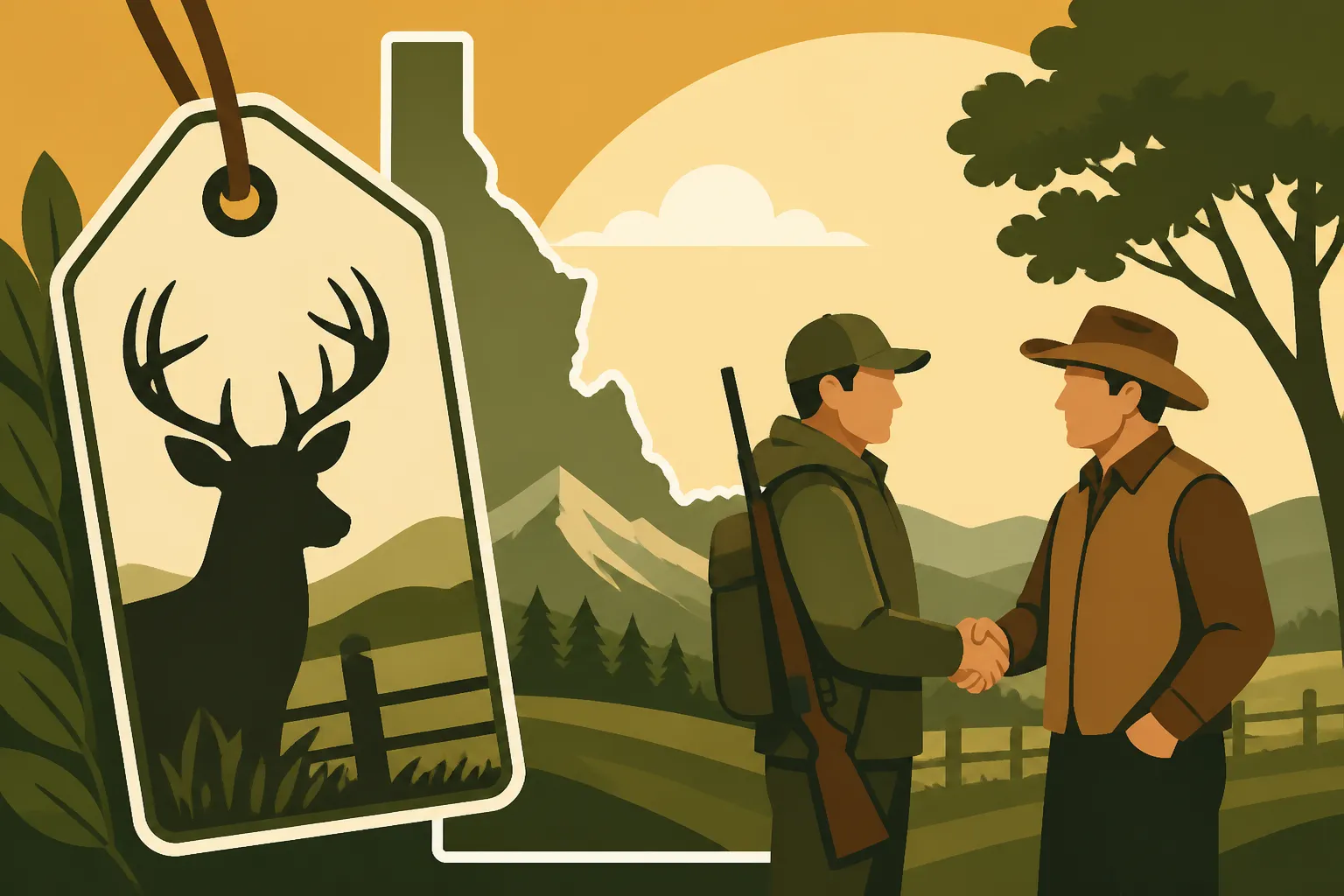
At its core, a landowner appreciation tag isn't just another tag you pick up at the license vendor. It's a specific type of hunting authorization designed to acknowledge and compensate landowners for the contribution their private property makes to wildlife habitat and public hunting opportunities. These tags are typically allocated to landowners who meet certain criteria, often involving the amount of acreage they own, the habitat they maintain, or their willingness to provide access. Instead of the landowner hunting these tags themselves (though they can), they often sell or assign them to generate revenue or manage game populations on their property. This system provides a way for the state to support private land stewardship while opening up hunting opportunities that might otherwise be unavailable to the general public. It's a win-win, really, especially when the state needs to manage specific herds or provide opportunities that ease pressure on public lands.
How These Tags Benefit Landowners
For private landowners, these appreciation tags offer a tangible benefit that goes beyond just the joy of wildlife living on their property. First and foremost, they provide a financial incentive. Selling or assigning these tags can generate significant income, which can then be reinvested into land management practices, habitat improvement, or simply to offset property taxes and other costs associated with owning large tracts of land. Imagine the cost of maintaining fences, managing noxious weeds, or developing water sources across hundreds or thousands of acres; these tags can help make that financially viable.
Beyond the monetary aspect, these tags are a crucial tool for game management. Landowners often deal with specific wildlife issues, such as crop depredation by deer or elk, or simply an overpopulation of a certain species that needs to be thinned to maintain a healthy herd and ecosystem. By controlling who hunts and how many animals are harvested on their land through these tags, landowners can implement targeted management strategies. This also fosters a stronger relationship between landowners and the Idaho Department of Fish and Game, creating a partnership where private land becomes an extension of the state's broader wildlife conservation efforts. They can choose hunters who understand and respect their land and specific rules, which is a huge bonus compared to dealing with potential trespass issues on unmanaged access.
The Hunter's Perspective: Why They're Appealing
From a hunter's standpoint, the appeal of landowner appreciation tags is immediate and often profound. The most significant advantage is access to private land, which can be a game-changer. Think about it: less hunting pressure, potentially higher animal densities, and often a better chance at harvesting a mature animal than you might find on heavily hunted public ground. For many, drawing a coveted controlled hunt tag for a trophy animal in Idaho is a multi-year, if not multi-decade, endeavor due to the competition and Idaho Has No Preference Points, and What That Changes. Landowner tags can bypass that entire draw system for specific units or species, offering a more direct route to a hunt.
These tags often come with the flexibility of hunting during general seasons but on private property, meaning you're avoiding the crowds that flock to public trailheads. For non-residents, who face even tougher odds in Idaho's draw system, these tags can be a golden ticket to experience the state's incredible big game hunting without years of waiting. It's not just about the ease of access; it's about the quality of the hunting experience. Imagine pursuing elk or mule deer in areas where they aren't constantly pushed by other hunters, where natural patterns are more predictable, and where the focus can truly be on the hunt itself, rather than navigating crowded public access points. It's an opportunity to create a truly memorable and often more successful hunting adventure.
The Role of Idaho Outfitters in Accessing These Tags
While landowners receive these appreciation tags, they often don't want to manage the hunting logistics themselves. This is where licensed Idaho outfitters step in, becoming the bridge between the landowner and the eager hunter. Outfitters specialize in providing comprehensive hunting experiences, and their existing relationships and infrastructure make them ideal partners for managing these special tags.
How Outfitters Acquire Landowner Tags
Outfitters spend years, sometimes decades, cultivating strong relationships with private landowners across Idaho. These relationships are built on trust, demonstrated ethical conduct, and a proven track record of managing hunts responsibly. Landowners often prefer to work with outfitters because it removes the burden of marketing, scheduling, guiding, and ensuring compliance from their plate. The outfitter handles all the client interaction, provides the hunting services, and often helps the landowner with game management objectives. How Landowner Tags Reach Idaho Outfitters is a process driven by these established partnerships.
An outfitter might approach a landowner whose property they've scouted and know holds quality game, proposing a partnership where the outfitter pays a fee for the exclusive right to use the landowner's appreciation tags. Or, a landowner might directly offer their tags to an outfitter they already trust. These arrangements are typically long-term, benefiting both parties by providing consistent revenue for the landowner and guaranteed access for the outfitter's clients. This system ensures that the tags are utilized effectively for game management and that hunters receive a professional, guided experience on private ground.
The Difference Between Direct Landowner Tags and Outfitter-Managed Tags
It's important to understand that there's a distinction between obtaining a landowner tag directly from a private landowner and acquiring one through an outfitter.
| Feature | Direct Landowner Permission | Outfitter-Managed Landowner Tags |
|---|---|---|
| Source | Landowner directly offers permission/tag to hunter. | Outfitter acquires tag from landowner, then sells guided hunt. |
| Services Included | Often just access; hunter provides all gear, guiding, logistics. | Full-service hunt: guiding, lodging, meals, transport, field care. |
| Cost | Varies widely; sometimes free, often a trespass fee for access. | Premium price reflecting guide services, access, and outfitter overhead. |
| Availability | Highly variable; depends on individual landowner's willingness. | Bookable through outfitter's schedule; often planned year(s) in advance. |
| Draw System | Hunter still needs to draw a regular tag or use an appreciation tag from landowner. | Outfitter provides the appreciation tag as part of the package; no draw needed by hunter. |
| Experience Level | Requires self-sufficiency; good for experienced DIY hunters. | Suitable for all experience levels; professional guidance. |
| Vetting | Hunter must vet landowner, ensure tag legality; landowner vets hunter. | Outfitter is licensed and vetted; hunter vets outfitter's reputation. |
When you get a tag directly from a landowner, you might simply be paying a trespass fee for access. You're still responsible for all your own gear, scouting, navigation, and field care. This can be a more budget-friendly option for experienced, self-sufficient hunters who primarily need access. However, these opportunities can be harder to find and secure, and the availability often isn't advertised broadly.
An outfitter-managed tag, on the other hand, comes as part of a complete hunting package. This includes the landowner tag itself, professional guiding services, typically lodging and meals, transportation within the hunting area, and often assistance with game retrieval and field dressing. The outfitter takes care of virtually all the logistics, providing a much more structured and supported hunt. This is usually a premium service, and the cost reflects the extensive services and exclusive access being provided. For hunters looking for a high-quality, stress-free experience with a higher likelihood of success, the outfitter route is often the preferred choice.
Legalities and Regulations for Outfitters
Operating within the legal framework is paramount for Idaho outfitters. The state of Idaho, through The Idaho Outfitters and Guides Licensing Board Explained, rigorously regulates outfitters and guides to ensure ethical practices, client safety, and compliance with wildlife laws. Any outfitter offering hunts that include landowner appreciation tags must be properly licensed and bonded. This isn't just a formality; it ensures that they meet strict standards for experience, financial stability, and ethical conduct.
Outfitters must also adhere to all Idaho Fish and Game regulations concerning harvest limits, season dates, weapon restrictions, and reporting requirements. When an outfitter acquires landowner tags, they are responsible for ensuring these tags are legally obtained and properly utilized according to state rules. They are also typically responsible for reporting harvest data associated with those tags. As a hunter considering such a hunt, you should always verify that your chosen outfitter is currently licensed by the Idaho Outfitters and Guides Licensing Board. This due diligence protects you as a client and ensures you're participating in a legal and reputable hunt.
Navigating the Process: How Hunters Can Find These Opportunities
So, you're intrigued by the idea of a landowner appreciation tag hunt through an outfitter. But how do you actually find these opportunities? It's not as simple as walking into a sporting goods store, but with the right approach, these exclusive hunts can become a reality.
Researching Outfitters with Landowner Tag Access
Your journey often begins with thorough research. Not all Idaho outfitters offer hunts utilizing landowner appreciation tags, as it depends entirely on their relationships with private landowners. Start by looking for outfitters who explicitly advertise private land hunts or mention "guaranteed tags" in their offerings. Websites, hunting magazines, and online forums dedicated to Idaho hunting can be valuable resources for identifying potential outfitters.
Once you have a list, delve deeper. Check their websites for details on private land access, the specific species they hunt, and testimonials from past clients. Don't be shy about reaching out to outfitters directly to ask about their landowner tag programs. Questions Worth Asking Before You Book include:
- Do you utilize landowner appreciation tags for your hunts?
- What species and units are available with these tags?
- What is the typical success rate for these specific hunts?
- Can you provide references from clients who have participated in a landowner tag hunt with you?
- What is included in the price (tag, guiding, lodging, food, field care, trophy prep, etc.)?
A reputable outfitter will be transparent and eager to answer your questions. They should be able to clearly explain the origin of the tags and the specific arrangements they have with landowners.
Booking Through Outfitter Platforms
In today's digital age, specialized booking platforms have emerged that can simplify the process of finding and securing guided hunts, including those that leverage landowner appreciation tags. Websites like BookYourHunt or GoHunt often feature listings from various outfitters, allowing you to filter by species, location (like Idaho), and even specific hunt types. These platforms act as a centralized hub where outfitters advertise their packages, complete with descriptions, photos, and pricing.
Using these platforms can save you a significant amount of time in your initial research phase. You can compare different outfitters side-by-side, read client reviews, and often even submit inquiries directly through the site. While these platforms are excellent for discovering options, remember that the actual booking and contract will still be directly with the outfitter. They provide a convenient starting point for connecting with potential outfitters who might offer the exact type of landowner tag hunt you're looking for. Always follow up with direct communication with the outfitter to confirm all details before making any commitments.
Important Considerations Before Committing
Before you put down a deposit, there are several critical factors to consider to ensure you're making an informed decision. The cost of a landowner appreciation tag hunt through an outfitter is typically higher than a DIY public land hunt or even a guided hunt on public land where you provide your own tag. These are premium experiences, and the price reflects the exclusivity of the access and the services provided. Be sure you have a clear understanding of the total cost, including any potential hidden fees like trophy fees, meat processing, taxidermy, or tips for the guides. What Outfitter Prices Almost Never Include often surprises hunters, so get clarity upfront.
Also, be realistic about the "guaranteed" aspect. While an outfitter might offer a "guaranteed tag," this refers to the permit itself, not necessarily a guaranteed harvest. Ethical outfitters will promise a fair chase opportunity, not a guaranteed kill. Discuss their typical success rates for the species and specific hunts you're interested in. Review the contract thoroughly, paying close attention to cancellation policies, refund terms, and what happens if you fail to harvest an animal. Vetting an Idaho Outfitter Before You Send a Deposit is not just about their license; it's about their reputation, transparency, and how well their offering aligns with your expectations.
Advantages and Disadvantages of Landowner Appreciation Tag Hunts
Like any hunting opportunity, pursuing an Idaho landowner appreciation tag hunt through an outfitter comes with its own set of unique pros and cons. Understanding these can help you decide if this is the right path for your next big game adventure.
The Perks: Enhanced Access and Quality Hunts
The most significant advantage is undeniably the enhanced access to prime hunting ground. Private ranches in Idaho often encompass vast, untouched habitat that acts as critical winter range or year-round sanctuary for big game. Animals on these properties are typically less pressured than their public land counterparts, leading to more natural movement patterns and often larger, more mature animals. Imagine hunting in an area where you don't encounter another hunter for days, focusing solely on the animal and the landscape. This can dramatically improve the quality of the hunt itself, making for a more immersive and less stressful experience.
Furthermore, these hunts often boast higher success rates. Outfitters who secure landowner tags are typically doing so because they know the property holds significant game. They've scouted it, know the travel corridors, bedding areas, and feeding grounds. With the combination of reduced pressure and expert guiding on familiar terrain, your chances of harvesting an animal, and potentially a trophy-class animal, are generally much higher than in an over-the-counter public land scenario. For those who have faced years of disappointment in draw systems or struggled with crowded public lands, the prospect of a high-quality, high-opportunity hunt is incredibly appealing.
The Drawbacks: Cost and Limited Availability
The primary drawback for many hunters is the cost. Hunts involving landowner appreciation tags are almost always a premium offering. You're not just paying for the guide's time; you're paying for exclusive access to private land, the outfitter's established relationships, and the convenience of bypassing the draw. This can put these hunts out of reach for hunters on a tighter budget. Prices can vary widely depending on the species, duration of the hunt, level of luxury, and the reputation of the outfitter, but expect to pay a significant amount more than a standard public land hunt package.
Another consideration is availability. While these tags offer an alternative to the draw, they are still finite. Outfitters only have access to a certain number of landowner tags each year, and the most desirable hunts often book up a year or more in advance. If you're looking for a last-minute hunt, options may be extremely limited. It requires proactive planning and booking well in advance, often requiring deposits that tie up funds long before the hunt takes place. This limited availability means you might not always get your first choice of dates or even species, requiring flexibility in your hunt planning.
Managing Expectations for Your Hunt
It's crucial to manage your expectations when booking an outfitter hunt with landowner tags. While success rates are generally higher, hunting is still hunting – there are no absolute guarantees. Weather, animal behavior, and plain old luck still play a significant role. Don't go into the hunt expecting a "sure thing" or demanding a Boone and Crockett animal unless that was explicitly part of your contractual agreement and a realistic expectation for the specific hunt.
Communicate clearly with your outfitter about your goals. Are you looking for any legal animal, or are you holding out for a mature bull or buck? Understanding these preferences helps the outfitter tailor the hunt to your expectations as much as possible, within the ethical bounds of fair chase. Remember, while the tag might bypass the draw, you're still hunting wild animals, not pets. Ethical considerations should always be paramount. Respect the land, the wildlife, and the efforts of your outfitter and guides. A successful hunt isn't solely defined by a harvested animal, but by the overall experience, challenge, and memories made.
Ensuring a Successful and Ethical Hunt with an Outfitter
Committing to a landowner appreciation tag hunt with an outfitter is a significant investment, both financially and emotionally. To maximize your chances of a successful and ethical experience, it's vital to do your homework and maintain clear communication.
Vetting Your Outfitter Thoroughly
Before you even think about putting down a deposit, thoroughly vet any outfitter you're considering. Beyond checking their license with The Idaho Outfitters and Guides Licensing Board Explained, delve into their reputation. Ask for a list of references, specifically clients who have participated in landowner tag hunts for the species you're pursuing. Don't just get the list; call those references. Ask them about their experience, the guide's professionalism, the quality of the camp, the food, and how accurately the hunt description matched the reality.
Look for reviews on independent platforms or forums, but also exercise discernment, as online reviews can sometimes be skewed. A good outfitter will be transparent about their operations, their success rates (and how they define "success"), and their commitment to ethical hunting practices. Discuss how they handle unexpected situations, emergencies, or if a client fails to harvest an animal. Remember, Vetting an Idaho Outfitter Before You Send a Deposit goes beyond just price; it's about trust and shared values. Consider using reputable platforms like BookYourHunt or GoHunt to find and research outfitters, as they often have vetting processes and user reviews built-in.
Understanding Contractual Agreements
The contract is your safety net, so read every word carefully. Ensure it clearly outlines what's included in the price (e.g., the tag itself, guiding, meals, lodging, field care, transportation during the hunt, trophy preparation, etc.) and, just as importantly, what's not included. Look for details on deposit amounts, payment schedules, and critically, the cancellation and refund policy. What happens if you need to cancel? What if the outfitter has to cancel due to unforeseen circumstances? What is the policy regarding refunds or rescheduling if you don't draw a secondary tag that was part of the overall plan (though with landowner tags, this is usually less of an issue, as the tag itself is part of the package)?
Also, confirm the hunt dates, the specific unit or area where you'll be hunting, and any rules or restrictions particular to that private property. Some landowners might have specific requests regarding vehicle use, campfires, or even blood trailing. Having all these details in writing protects both you and the outfitter, preventing misunderstandings down the road. Never hesitate to ask for clarification on any clause you don't understand.
Respecting Landowner Rules and Property
When you embark on a hunt involving landowner appreciation tags, you are not just a client of the outfitter; you are a guest on private property. Your conduct directly impacts the outfitter's relationship with that landowner and the continued availability of such opportunities for other hunters. Adhere strictly to all rules set forth by the outfitter and the landowner. This includes respecting property boundaries, staying out of off-limits areas, closing all gates, driving only on designated roads, and absolutely leaving no trash or signs of your presence behind. Getting Landowner Permission in Idaho is a privilege, and maintaining that privilege requires impeccable conduct.
Ethical hunting practices are non-negotiable. This means clean shots, diligent tracking of wounded game, and responsible game recovery. Demonstrate respect for the animals you pursue, the land, and the people who make these hunts possible. Your behavior reflects not only on you but on the entire hunting community. A positive experience, where the landowner sees hunters as respectful stewards of their land, helps ensure that these valuable landowner appreciation tag programs continue, benefiting wildlife and hunters for years to come.
Disclaimer
This article is for general informational purposes only and does not constitute professional advice. Laws, prices and regulations vary by location and change over time. Consult a qualified professional for guidance on your specific situation.