Optics Power for Idaho’s Long Canyon Sightlines
Idaho hunting optics magnification numbers explained to help choose binoculars for long canyon deer and elk views across canyons.
Close the distance.
Archery, muzzleloader, and firearm techniques — calling, stand placement, still-hunting, spot-and-stalk, and the weapon rules that change at the state line.
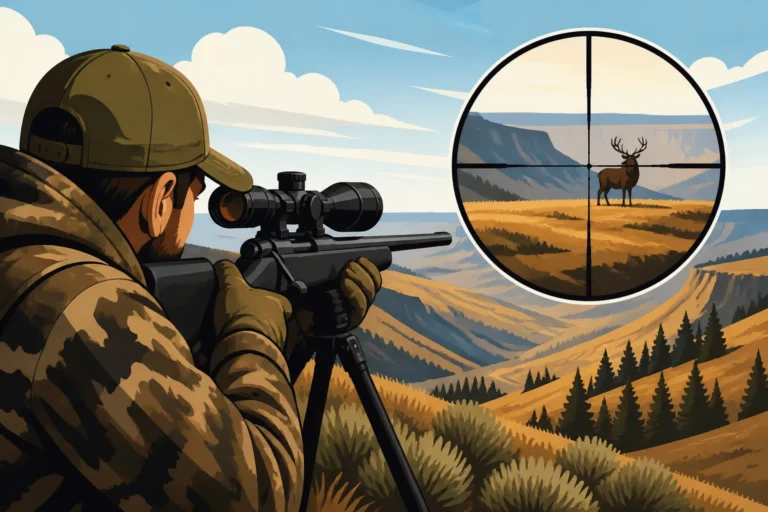
Idaho hunting optics magnification numbers explained to help choose binoculars for long canyon deer and elk views across canyons.
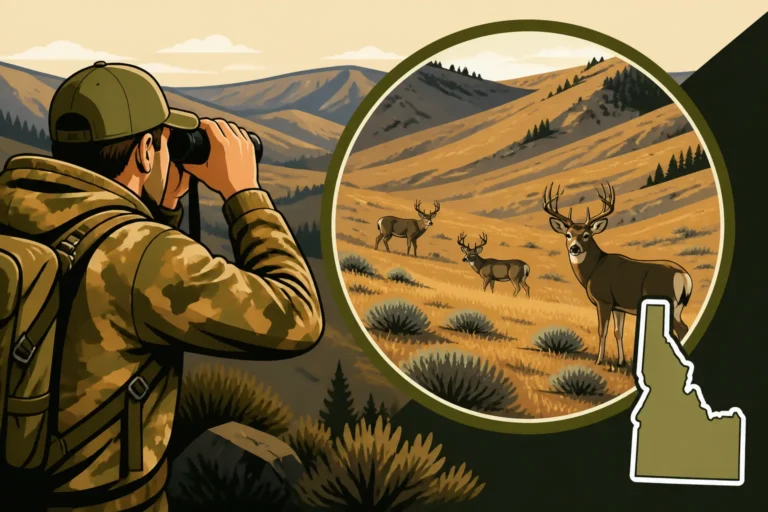
Grid glassing helps Idaho hunters systematically cover expansive mule deer basins and find elusive bucks bedded in timber or sage.
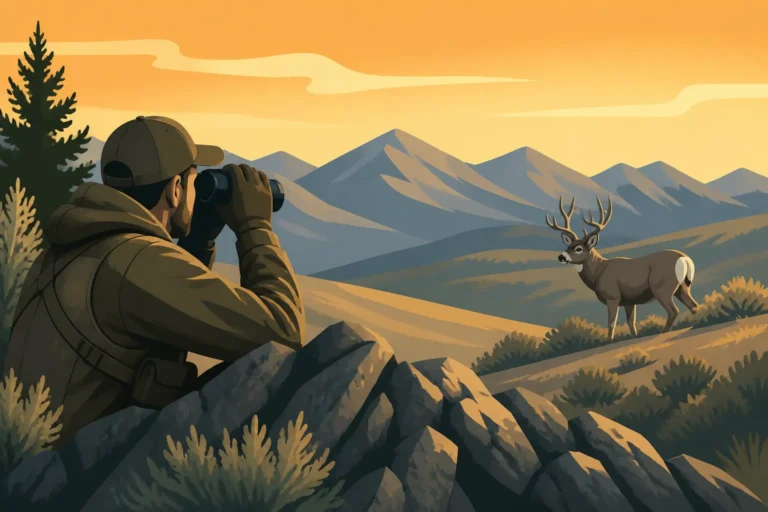
Glassing breaks and benches helps hunters locate camouflaged mule deer in rugged Idaho landscapes using specific optics.
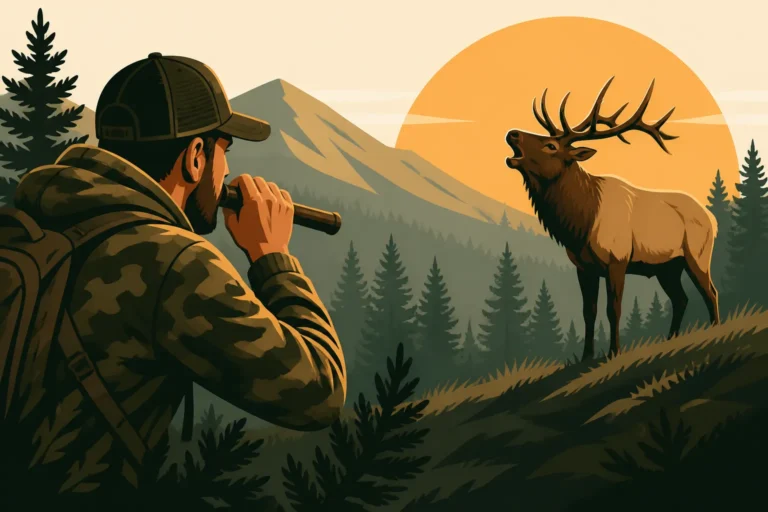
Idaho National Forest elk hunting strategies explain how to call wary bulls that shift to steep north facing slopes and heavy timber.
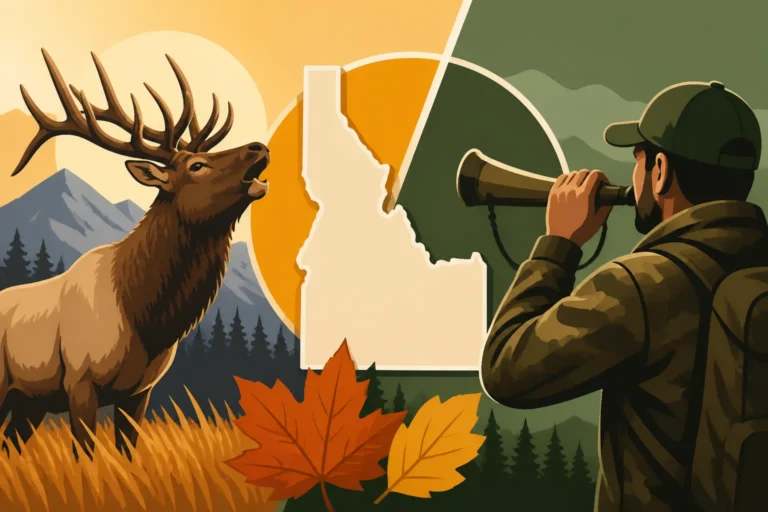
Elk calling timing in Idaho during the September rut explains locator bugles for early month finding and aggressive calls for mid-September.
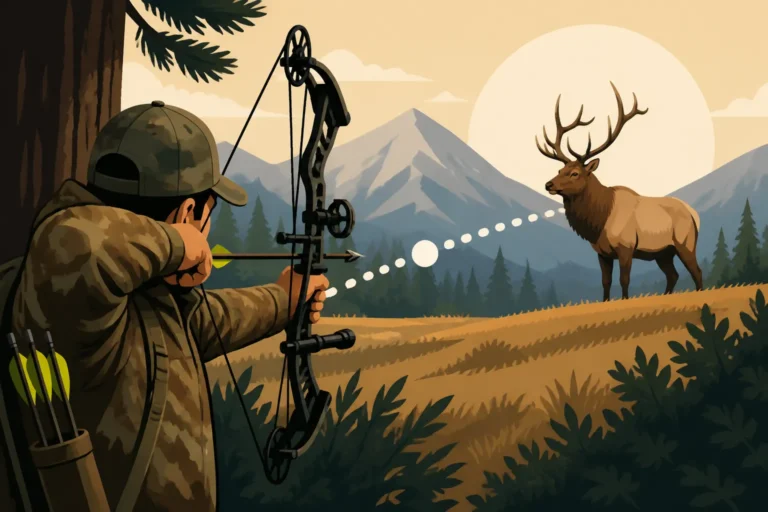
Elk bowhunting distances, personal maximum effective range limits, and precise double lung shot placement rules ensure a clean, ethical harvest.
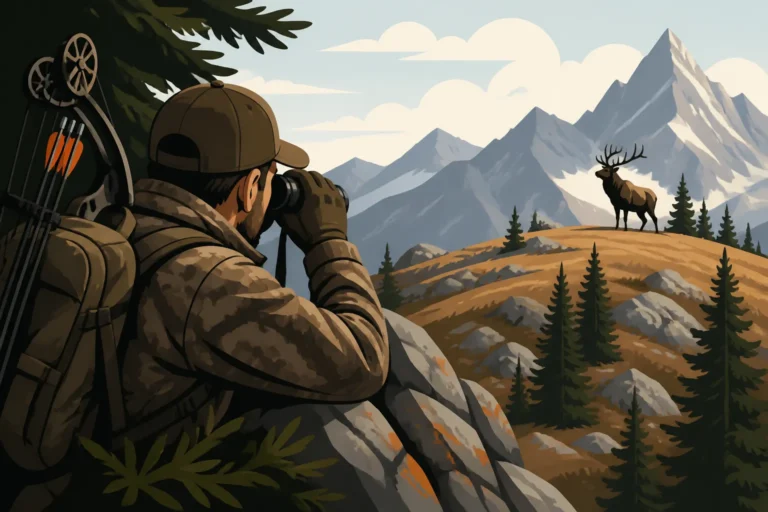
Above timberline the lodgepole and aspen cover is gone, leaving rock, scree and alpine meadows, so a stalk depends on using terrain features to hide.
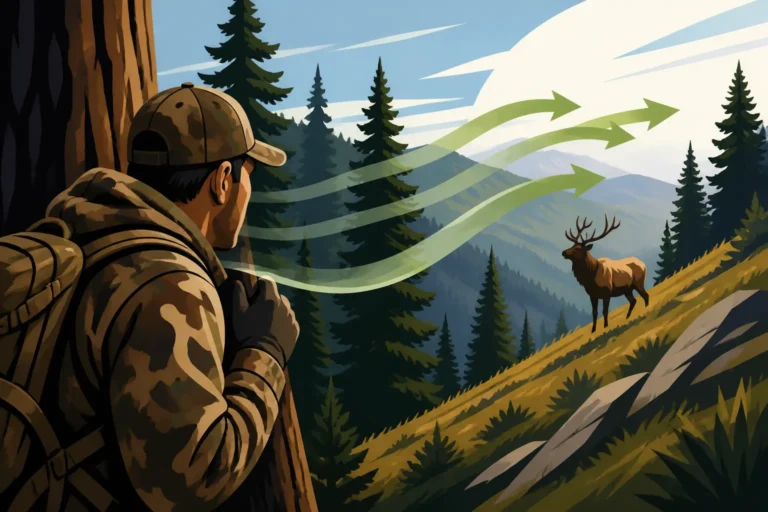
Mountain wind dynamics, thermals, and katabatics in Idaho timbered country explain how air currents affect elk and deer hunting.
Idaho hunting rifles for dense timber and open breaks require specific features for close shots or long canyon distances up to hundreds of yards.
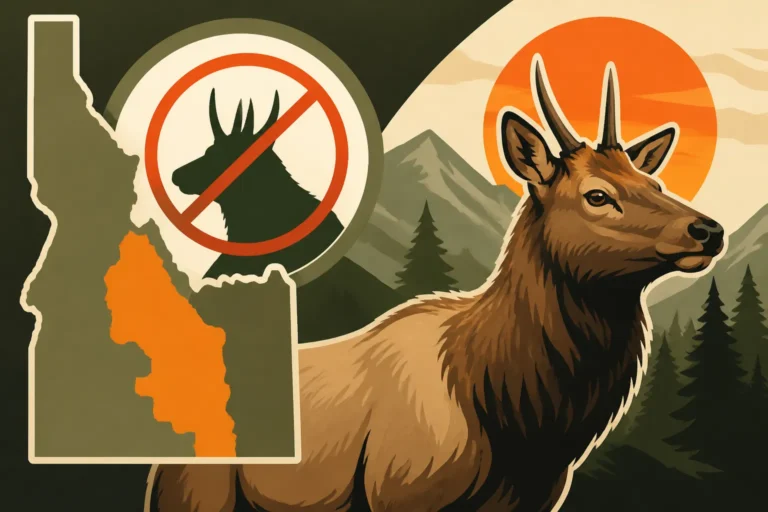
Idaho spike-only elk regulations during A Tag seasons explain harvest rules and management strategies for sustainable herds.