Idaho Spring Bear Runs From April Into Summer
There's nothing quite like the crisp air of a spring morning in Idaho, the new green pushing through the last vestiges of winter, and the thrill of spotting a black bear emerging from its den. But for many hunters, especially those new to the Gem State or spring bear hunting in general, figuring out when and where to chase these magnificent animals can feel like navigating a dense thicket without a compass. This comprehensive guide will untangle the complexities of Idaho's spring black bear season, from its typical start in April and stretch into summer, to the best hunting strategies and crucial regulations you need to know to ensure a successful and ethical hunt.
Understanding Idaho's Spring Bear Season Calendar
The Idaho spring black bear season is a highly anticipated event, offering hunters a unique opportunity to pursue bears as they emerge from hibernation. Unlike fall hunts, spring bear seasons are specifically timed to coincide with bears' post-denning activities, primarily focusing on areas where food sources are just beginning to green up. This makes for a dynamic and often challenging hunt, dictated heavily by weather, elevation, and the specific unit you plan to hunt. It's not a one-size-fits-all calendar; rather, it’s a mosaic of dates that demands careful planning and understanding.
When Spring Bear Season Typically Opens
Generally speaking, Idaho's spring black bear season kicks off in April. You might see the earliest openers in mid-April, often in the lower elevation units where snow recedes faster and vegetation starts growing sooner. Think of those south-facing slopes and drainages where the sun hits first, melting away the snowpack and coaxing bears out to feed on new grasses and forbs. These early weeks are when bears are most focused on replenishing lost weight after a long winter, making them somewhat predictable if you can locate their preferred green-up areas.
It's crucial to remember that "April" is a general guideline. Some units might see openers closer to the end of April, or even into early May, particularly in higher elevations or northern regions of the state where winter conditions linger longer. Always consult the official Idaho Fish and Game (IDFG) regulations for the exact unit you're targeting. Missing the opener by even a week can mean missing out on some prime hunting opportunities as bears settle into their routines.
How Season Length Varies by Management Unit
One of the biggest nuances of Idaho's spring bear season is the variability in season length across different game management units (GMUs). You'll find a wide spectrum, from units with relatively short, concentrated seasons of just a few weeks, to those that run for several months, truly living up to the "April into summer" description. These differences are a direct reflection of local bear populations, management objectives, and typical environmental conditions.
For instance, units with robust bear populations and ample habitat might have longer seasons, allowing more opportunity for hunters to fill tags. Conversely, units with more sensitive populations or specific management goals might have shorter, more restrictive seasons to manage harvest levels carefully. Some units are even split, with different season dates for different areas within the same unit, often based on elevation or specific boundaries. This makes it imperative to not only know your unit number but also the specific regulations for the precise area you intend to hunt. The IDFG uses these varying lengths as a tool to balance hunting opportunity with sustainable population management, ensuring bears thrive across the state.
Why the Dates Shift Annually
You might wonder why the season dates aren't set in stone. The truth is, spring bear season dates, like many hunting seasons, are subject to annual adjustments by the Idaho Fish and Game. These shifts aren't arbitrary; they're based on scientific data, harvest reports from previous years, biological surveys, and winter severity. A particularly harsh or prolonged winter, for example, might delay the emergence of bears from dens and therefore push back season openers to ensure a fairer chase.
IDFG biologists closely monitor population trends, reproduction rates, and habitat conditions. They aim to provide consistent hunting opportunities while maintaining healthy bear populations. This adaptive management approach means that while April is a good mental bookmark for the general start, checking the latest regulations each year is non-negotiable. Websites like GoHunt and the official IDFG portal are invaluable for staying on top of these annual adjustments, offering detailed breakdowns of units, dates, and any special provisions. It’s all part of the dance with nature, adapting to ensure both bears and hunters have a sustainable future in Idaho.
Idaho's Black Bear Population and Density
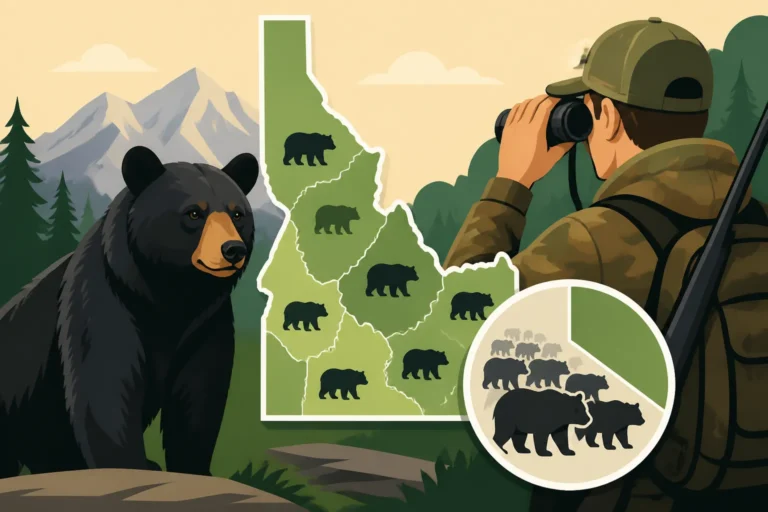
Idaho is a stronghold for black bears, with a healthy and widespread population inhabiting much of the state's diverse landscape. From the dense timbered mountains of the Panhandle to the rugged breaks and canyons of central Idaho, black bears are a common, albeit often elusive, resident. Understanding their population dynamics and where they congregate can significantly impact your spring hunting success. These aren't just isolated pockets; Idaho manages a robust black bear population that contributes to the state's rich biodiversity and hunting heritage.
Where Bear Density Runs Highest
Generally, you'll find the highest densities of black bears in the timbered, mountainous regions of northern and central Idaho. The vast national forests like the Panhandle National Forests, Clearwater, and Payette offer extensive habitat, abundant food sources, and plenty of cover. These areas are characterized by mixed conifer forests, brushy understories, and numerous riparian zones—all prime bear country. Think of the deep drainages and steep slopes that remain relatively untouched by human development; these are often havens for bears.
Units within the Panhandle, Palouse, and Clearwater elk zones often show higher bear densities, which correlates with strong black bear populations. These regions provide the ideal mix of denning sites, forage in spring, and isolation. While bears are opportunistic and can be found almost anywhere with suitable habitat, focusing your efforts on these historically rich areas, especially where they overlap with early green-up, will increase your odds. Remember, the key is not just general density but finding where bears are active and accessible during the spring.
Black Bear Population Estimate Explained
Estimating wildlife populations is a complex science, and black bears are no exception. The Idaho Fish and Game uses a combination of harvest data, population modeling, habitat assessments, and scientific studies to estimate the black bear population across the state. While precise numbers can fluctuate and are always estimates, Idaho typically boasts a very healthy and stable black bear population, often in the range of 20,000 to 30,000 animals, and potentially even more.
These estimates help IDFG set season lengths, bag limits, and specific unit regulations to ensure sustainable management. A healthy population means there are plenty of bears to support hunting while also maintaining ecological balance. It's a testament to good wildlife management practices and the resilience of the species in Idaho's diverse ecosystems. Hunters play a vital role in this management, as harvest data provides critical information for biologists to refine their population models year after year, contributing to informed decision-making.
Understanding Color Phase Bears
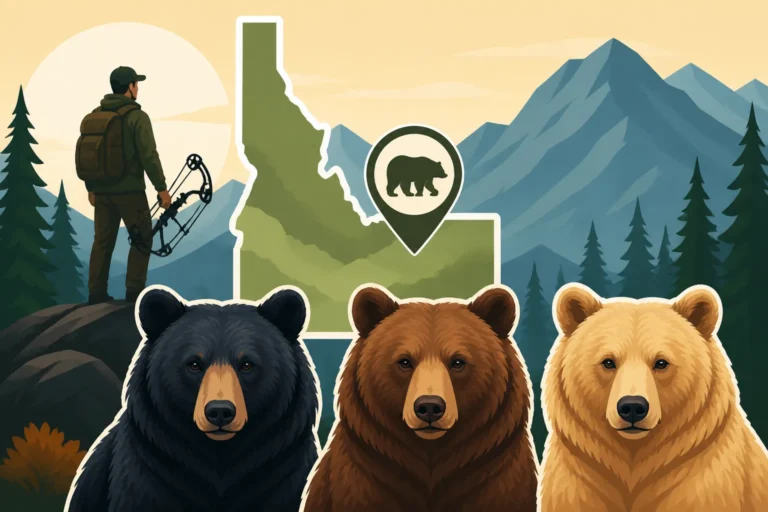
One of the most exciting aspects of hunting black bears in Idaho is the chance to encounter "color phase" bears. While they are still genetically black bears, their fur can range dramatically in color, from jet black to shades of chocolate brown, cinnamon, blonde, and even reddish-brown. These variations are particularly common in the western states, and Idaho is no exception. Spotting a beautiful cinnamon or chocolate bear is a real treat and often a coveted trophy for hunters.
The presence of color phase bears doesn't indicate a different species; it's simply a genetic variation within the black bear population. In some areas, color phase bears can make up a significant portion of the local population, while in others, black bears are predominantly black. Learning to identify these different color phases in the field adds an extra layer of challenge and excitement to the hunt. For many, harvesting a unique color phase bear is a once-in-a-lifetime experience. It's also a good reminder to always get a clear, ethical shot regardless of the bear's color, ensuring proper identification of the animal and a clean harvest.
Spring Bear Hunting Methods: Baiting vs. Spot and Stalk
When it comes to hunting spring black bears in Idaho, hunters generally have two primary legal methods at their disposal: baiting and spot and stalk. Both approaches demand different skill sets, preparation, and understanding of bear behavior. Choosing between them often comes down to personal preference, the type of terrain you'll be hunting, and the specific regulations for your chosen unit. Each method offers a unique experience, tailored to different hunting styles.
How Bear Baiting Works in Idaho
Bear baiting is a popular and effective method, especially for spring bear hunts. The premise is simple: establish a legal bait site, consistently replenish it with attractive food items, and wait for bears to become accustomed to visiting it regularly during legal hunting hours. This method allows hunters to observe bears more closely, assess their size and sex (though sexing bears can be tricky!), and make a more precise, ethical shot.
In Idaho, baiting bears requires strict adherence to regulations. You can't just throw out a pile of donuts anywhere. Bait sites must be registered with the Idaho Fish and Game, often requiring specific distances from public roads, trails, and water sources. The bait itself usually consists of a mix of high-calorie foods like pastries, dog food, grains, and sweets, often mixed with an attractant scent. Hunters typically set up a ground blind or tree stand a safe distance from the bait, allowing them to remain concealed while having a clear view of the site. Success often hinges on consistency – bears are smart, and they’ll learn a pattern if you keep the bait fresh. Patience is paramount, as bears may visit at erratic times, often during low light.
Registering a Bear Bait Site
This is a critical step if you plan to use bait for your spring bear hunt in Idaho. Failing to properly register your bait site can result in severe penalties, including fines and loss of hunting privileges. The Idaho Fish and Game requires bait sites to be registered to ensure responsible baiting practices, prevent conflicts with other hunters or recreationists, and help manage harvest data. The process typically involves obtaining a specific registration form, providing the exact location of your bait site using GPS coordinates, and sometimes notifying local conservation officers.
The registration period usually opens well in advance of the spring season, so it's not something you can do last minute. There are also rules about how far your bait site must be from certain areas, such as established roads, trails, and water sources, to minimize impact and ensure fair chase. For example, bait sites usually must be at least 200 yards from any public road and 500 yards from any designated trail. Familiarizing yourself with these specific rules and the registration process is just as important as knowing your weapon. You can find detailed instructions and forms on the IDFG website, and using resources like GoOutdoorsIdaho will streamline the process. Remember, a registered bait site is a legal bait site; anything else is considered poaching.
Spot and Stalk Tactics for Spring Bear
For hunters who prefer a more active and physically demanding approach, spot and stalk hunting for spring bear is an incredibly rewarding method. This involves actively searching for bears in their natural habitat, often by glassing vast landscapes, and then executing a carefully planned stalk to get within ethical shooting range. This method is particularly popular in units where baiting might not be as effective or is prohibited, or for those who simply enjoy the challenge of covering ground and reading the landscape.
Spring spot and stalk typically focuses on south-facing slopes, avalanche chutes, and open meadows where early green-up occurs. Bears emerge from dens, often at higher elevations initially, and slowly descend to feed on nutritious new growth. Hunters will use high-quality optics, like powerful binoculars and spotting scopes, to systematically scan these areas from a distance, looking for any tell-tale sign of a bear: a dark patch against green grass, a flick of an ear, or movement through brush. Once a bear is spotted, the stalk begins. This requires immense stealth, understanding of wind direction, and knowledge of terrain to close the distance without alerting the animal. Success here often depends on keen observation, patience, and excellent physical conditioning. Much like Glassing Idaho Breaks for Mule Deer, adapted techniques can be incredibly effective for spotting bears.
Key Gear and Preparation for Spring Bear
Spring bear hunting in Idaho, whether you're sitting on a bait site or putting in miles spot and stalking, demands specific gear and thoughtful preparation. The conditions can be highly variable, ranging from warm, sunny days to sudden snowstorms and freezing rain. Being well-equipped not only increases your comfort and safety but significantly enhances your chances of success. It's about being ready for anything Idaho's backcountry can throw at you during the shoulder seasons.
Optics for Spotting Bears in Spring
Regardless of your chosen hunting method, quality optics are non-negotiable for spring bear hunting. For spot and stalk, they are your primary tool for locating bears across vast landscapes. A good pair of 10x or 12x binoculars on a tripod is essential for prolonged glassing sessions, allowing you to pick apart distant hillsides and clearings for subtle signs of movement. Pairing these with a reliable spotting scope, typically 20-60x or 25-75x, allows you to evaluate bears at extreme distances, determining size, color phase, and sometimes even sex, before committing to a grueling stalk. Brands like Vortex, Swarovski, and Leica are highly regarded for their clarity and durability in rugged conditions.
Even for bait hunters, binoculars are crucial for observing activity around your bait site from a distance, assessing bears, and ensuring a clear shot. During those low-light periods common at dawn and dusk, quality glass with excellent light transmission can make the difference between a successful identification and a missed opportunity. Don't skimp on optics; they are an investment that pays dividends on every hunt.
Essential Safety Gear, Including Bear Spray
Safety should always be your top priority when venturing into bear country, especially during spring when bears are fresh out of dens and potentially more territorial, particularly sows with cubs. Beyond your hunting weapon, there are several critical items you should carry.
First and foremost, bear spray is absolutely essential. Carry it on your hip or chest rig where it's immediately accessible, not buried in your backpack. Knowing how to use it effectively is also vital; practice deploying it quickly and aim for the bear's face. While a firearm offers protection, Bear Spray Against a Sidearm in Grizzly Country discussions often highlight the effectiveness of bear spray in deterring charges without lethal force, which is often preferred for non-aggressive encounters.
Other vital safety gear includes:
- First-aid kit: Comprehensive enough for wilderness emergencies.
- Navigation tools: GPS device (like a Garmin inReach or dedicated GPS unit) with pre-loaded maps, a physical map, and a compass. Don't rely solely on your phone.
- Headlamp with extra batteries: For navigating in low light or unexpected overnight stays.
- Fire starter: Lighter, waterproof matches, and a fire steel.
- Signaling device: Whistle or signal mirror.
- Communication device: Satellite messenger like a Garmin inReach or Zoleo for emergency communication outside of cell service.
- Plenty of water and emergency food: More than you think you'll need.
- Appropriate clothing layers: Weather can change rapidly, so breathable base layers, insulating mid-layers, and a waterproof/windproof outer shell are critical.
- Knife/multi-tool: Indispensable for field dressing and general utility.
Physical Demands of Spring Bear Hunting
While bait hunting can be less physically demanding, spot and stalk spring bear hunting in Idaho is often a physically rigorous endeavor. Bears typically inhabit steep, rugged terrain, and accessing these areas requires hiking up and down significant elevation changes, traversing uneven ground, and navigating dense timber. The spring conditions can add to the challenge, with lingering snowfields at higher elevations, muddy trails at lower ones, and swift, cold stream crossings.
If you plan to spot and stalk, or even if you're baiting in a remote location, a good level of cardiovascular fitness and muscular endurance is key. You'll be carrying a pack with essential gear, optics, water, and potentially meat out of the backcountry. Start a consistent exercise regimen months before your hunt, focusing on hiking with a loaded pack, incline training, and overall strength building. This preparation isn't just about bagging a bear; it's about enjoying the experience, staying safe, and being able to handle the physical demands if you are successful. Overlooking physical preparation is a common mistake that can lead to an uncomfortable or even dangerous hunt.
Finding Spring Bears: Habitat and Behavior
Successfully hunting spring black bears hinges on understanding their post-denning behavior and habitat preferences. After months of hibernation, bears emerge with one primary goal: to find food and replenish their fat reserves. This makes their movements somewhat predictable, as they are drawn to the earliest green-up areas. Knowing where to look and what signs to interpret is crucial for putting yourself in the right place at the right time.
Identifying Early Season Food Sources
In early spring, bears are primarily foraging on succulent green vegetation. Their digestive systems need to readjust after hibernation, so they seek out easily digestible, high-fiber plants. The first places to green up are typically south-facing slopes, avalanche chutes, riparian areas, and open meadows at lower to mid-elevations. Look for:
- Grasses and forbs: Tender new growth in clearings, along logging roads, and creek bottoms. These are highly palatable and nutritious.
- Aspen and willow buds/catkins: As these trees bud out, bears will strip the bark or eat the new growth.
- Clover patches: Often found in old logging roads or clearings.
- Winter-killed animals: While not a primary food source, bears are opportunistic scavengers and will investigate carrion if found.
The key is to focus on where the snow has melted, and the sun has warmed the ground enough for new vegetation to emerge. As spring progresses, and more food becomes available at higher elevations, bears will often follow this green wave upwards. This seasonal migration pattern is a vital piece of information for spot and stalk hunters, as it dictates where you should be focusing your glassing efforts throughout the season.
Locating Bear Habitat in Different Elevations
Bear habitat utilization in spring is heavily influenced by elevation and snowpack. Immediately after denning, bears might stay close to their den sites, often at higher elevations, until conditions improve. However, their primary drive for food will quickly pull them down to lower and mid-elevations where the earliest green-up occurs.
- Early Season (April/Early May): Focus on lower to mid-elevations (typically 3,000-5,000 feet, but this varies significantly by region in Idaho) on south and southwest-facing slopes. These areas receive the most sun exposure, melting snow faster and encouraging early plant growth. Look for clear cuts, old burns, and riparian corridors.
- Mid-Season (Mid-May/Early June): As the season progresses, and snow continues to recede, bears will start moving to higher elevations, following the "green wave." They'll still prioritize south-facing slopes but will also explore north-facing aspects if enough sunlight has penetrated. Areas with mixed timber and open pockets become productive.
- Late Season (Mid-June into Summer): By this point, bears might be spread out more, with some moving to very high elevations as the snow melts completely, and others focusing on berries and other emerging food sources. Water sources and dense cover become more important as temperatures rise.
Using topographic maps and satellite imagery (tools like GoHunt or onX Hunt are excellent for this) to identify these elevation bands, aspect, and vegetation types before your hunt is an invaluable scouting technique. This allows you to pinpoint potential areas where bears will be actively feeding.
Reading Bear Sign: Tracks, Scat, and Rubs
While actually seeing a bear is the ultimate goal, finding fresh bear sign is a strong indicator that you are in productive country. Bears leave behind various clues that can tell you about their presence, recent activity, and even their size.
- Tracks: Look for five distinct toe pads and a large, kidney-bean-shaped heel pad on both front and hind paws. The front paws are typically wider, and the hind paws are longer and narrower, often resembling a human footprint. Fresh tracks in mud, snow, or soft dirt are excellent indicators of recent movement. Pay attention to track size; large tracks indicate a larger bear.
- Scat (Droppings): Spring bear scat is often cylindrical and can vary greatly in content depending on their diet. Early season scat might contain more undigested plant matter, indicating they're eating grasses and forbs. Look for freshness – glistening and moist scat is very recent.
- Rubs and Scratch Marks: Bears will often rub against trees, especially conifers, to mark their territory, scratch an itch, or remove shedding fur. Look for patches of missing bark and bear hair caught in the sap. Claw marks on trees can also indicate bears have been climbing or sharpening their claws.
- Diggings and Torn Logs: Bears are powerful diggers, searching for grubs, roots, and small rodents. Look for disturbed earth, flipped-over rocks, or torn-apart rotten logs.
- Bedding Areas: While harder to find, bears will create temporary beds in thick cover. Look for flattened vegetation in sheltered spots.
Learning to interpret these signs helps you understand where bears are frequenting and can guide your stalking efforts. Fresh sign tells you you're hot on their trail.
Regulations and Permits for Idaho Spring Bear
Navigating the regulatory landscape for spring bear hunting in Idaho is just as important as knowing where to find the bears. The Idaho Fish and Game has specific requirements for licenses, tags, and reporting that all hunters must adhere to. Ignoring these rules, even inadvertently, can lead to serious consequences, so it's vital to be thoroughly informed before you step into the field.
Idaho Spring Bear License and Tag Requirements
To hunt spring black bear in Idaho, both residents and nonresidents must first possess a valid Idaho hunting license. This is your fundamental permit to hunt any species in the state. Once you have your hunting license, you will then need to purchase a specific black bear tag. This tag is what allows you to legally harvest a bear.
- Resident Requirements: Idaho residents will purchase a resident hunting license and then a resident black bear tag. The fees are generally lower than for nonresidents.
- Nonresident Requirements: Nonresidents must purchase a nonresident hunting license, which is significantly more expensive, and then a nonresident black bear tag. It's important to note that these costs can add up, so plan your budget accordingly. For context, while a nonresident elk tag might cost upwards of [$836.75], a bear tag is a separate purchase.
- Bag Limit: Typically, Idaho allows hunters to harvest two black bears per calendar year, but this can vary by unit and specific season. Always confirm the exact bag limit for your chosen GMU.
- Controlled Hunts: While most spring bear hunting is general season, some specific units or seasons might be managed as controlled hunts, requiring an application and draw process. Always check the regulations to see if your desired unit falls under this category.
It's also worth noting that if you were born after December 31, 1974, you must complete an approved hunter education course, as detailed in "Anyone Born After 1974 Needs Idaho Hunter Education". Make sure you have proof of this certification, as well as your license and tag, when afield.
Registering a Bear Bait Site
As mentioned earlier, if you plan to hunt over bait, registering your bait site is a non-negotiable legal requirement in Idaho. This isn't just a suggestion; it's law, and failure to comply carries penalties. The process ensures that baiting is conducted responsibly and transparently.
To register your bait site, you typically need to:
- Obtain a Bait Site Registration Form: Available through the IDFG website or regional offices.
- Provide Location Details: You'll need precise GPS coordinates (latitude and longitude) for your bait site. This ensures IDFG knows exactly where it is located.
- Adhere to Setback Distances: Ensure your bait site is located at least 200 yards from any public road, 500 yards from any designated trail, and not within a quarter-mile of any permanent dwelling or public campground. These rules are in place to prevent conflicts and ensure public safety.
- Display a Sign: Your bait site must have a sign posted that clearly states "BAIT SITE" along with your IDFG customer number. This sign must be visible to anyone approaching the site.
- Timely Registration: There's usually a specific timeframe for registration, often starting a few weeks before the season opens. Don't wait until the last minute.
This registration helps IDFG monitor baiting activity and ensures that all hunters are operating within legal boundaries. It’s a small administrative step that protects the integrity of the hunt.
Harvest Reporting and Mandatory Check-ins
Once you've successfully harvested a black bear in Idaho, your responsibilities aren't over. Mandatory harvest reporting is a critical component of Idaho's wildlife management. This data allows IDFG biologists to monitor bear populations, track harvest trends, and make informed decisions about future seasons.
- Tagging Your Bear: Immediately after harvesting a bear, you must validate and attach your tag to the carcass according to the instructions on the tag. This is usually done by signing and dating the tag, then attaching it to the ear or hide.
- Reporting Requirements: All harvested black bears (and mountain lions) must be reported to the IDFG within 10 days of harvest. This can often be done online through the IDFG licensing system, or by calling a regional office.
- Mandatory Check-in/Validation: For black bears, a skull and hide must be presented to an IDFG employee for harvest validation and tagging within 10 days of harvest. This often involves physical inspection of the animal to collect biological data, such as tooth samples for aging the bear. Check with your regional IDFG office for specific locations and hours for these check-ins.
- Evidence of Sex: You must retain evidence of sex on the carcass until it reaches its final point of processing or taxidermy. This is typically done by leaving the external genitalia attached.
Failing to report your harvest or get the necessary validation is a violation of regulations and can result in citations. It’s a vital part of being a responsible hunter and contributing to sound wildlife management.
Hunting Pressure and Access Considerations
Idaho offers vast expanses of public land, making it a prime destination for spring bear hunting. However, even with abundant public access, certain areas can experience significant hunting pressure, especially on opening weekend or in easily accessible units. Understanding how to navigate this, identify lower-pressure areas, and utilize tools for access is crucial for a more enjoyable and successful hunt.
Scouting for Low-Pressure Units
Finding low-pressure units in Idaho requires a bit of homework and a willingness to venture off the beaten path. While areas with high bear density often attract more hunters, there are strategies to find solitude and undisturbed bears.
- Consult Harvest Statistics: The Idaho Fish and Game publishes detailed harvest statistics by game management unit (GMU) each year. Looking at these reports can help you identify units with high success rates but also reveal units where harvest numbers are lower, potentially indicating less pressure or more challenging terrain. A low hunter-to-harvest ratio might suggest higher pressure, while a higher ratio could mean more opportunity. This is a great resource to Reading an Idaho Harvest Statistics Report.
- Use the Idaho Hunt Planner: The IDFG's online Hunt Planner is an indispensable tool. It provides information on general seasons, controlled hunts, and public land percentages for all Idaho Runs 99 Game Management Units. You can often filter by species and season dates, giving you an idea of where hunters might concentrate.
- Target Challenging Terrain: Units with rugged, steep topography and limited road access naturally deter many hunters. While these areas require greater physical effort and specialized gear, they often offer a more remote and less pressured hunting experience.
- Consider Mid-Week Hunts: If your schedule allows, hunting during the week rather than on weekends can dramatically reduce the amount of pressure you encounter, even in popular units.
Utilizing Public Land for Spring Bear
Idaho boasts an impressive amount of public land, primarily managed by the U.S. Forest Service (USFS) and the Bureau of Land Management (BLM). These lands are open to hunting and offer incredible opportunities for spring bear.
- National Forests: Vast tracts of timbered mountains, perfect for bear habitat, fall under National Forest administration. Access often involves a network of forest roads, but many areas require foot travel or horseback. Understanding motor vehicle use maps (MVUMs) is crucial to know where you can legally drive and where roads are closed seasonally or permanently.
- BLM Land: Often characterized by high desert, sagebrush, and canyon country, BLM lands are more prevalent in southern Idaho. While less timbered than National Forests, bears can still be found in riparian areas, canyons, and mountainous sections.
- State Lands: Idaho also has State Endowment Lands, which are generally open to hunting unless otherwise posted. Always check for specific regulations or restrictions on state lands.
Tools like GoHunt, onX Hunt, and the IDFG’s The Idaho Hunt Planner Is the Tool to Start With provide invaluable layers that show land ownership, allowing you to easily identify public land boundaries. This helps you avoid accidental trespass and maximize your time in accessible hunting areas. Remember that while public land offers freedom, it also demands respect for other users and adherence to all regulations.
Understanding Motorized Restrictions
Idaho has specific regulations regarding motorized vehicle use on public lands, especially during hunting season. These rules are designed to protect wildlife, reduce habitat disturbance, and provide quality hunting experiences. Ignoring these rules can lead to citations and is detrimental to the resource.
The Idaho's Motorized Hunting Rule Runs August Into December during specific periods, but year-round restrictions apply in many areas. For spring bear, it's critical to know:
- Established Roads Only: Generally, motorized vehicles (ATVs, UTVs, trucks) are restricted to established, open roads. Driving off-road is almost universally prohibited on public lands.
- Seasonal Road Closures: Many forest and BLM roads are closed seasonally, often into late spring or early summer, to protect wildlife winter range, prevent road damage from thawing, or to manage recreational use. These closures can significantly impact access to certain bear hunting areas, requiring longer hikes in.
- Retrieving Game: Even if you harvest an animal close to a closed road, you generally cannot drive off-road to retrieve it. You must pack it out. This rule is often explicitly stated: "Why You Cannot Drive Off Road to Retrieve Downed Game".
Always consult current Motor Vehicle Use Maps (MVUMs) from the specific National Forest or BLM district you plan to hunt. These maps are the definitive guide for legal vehicle access. They show which roads are open, which are closed, and any specific restrictions. Planning your hunt around these closures is essential for both legality and realistic expectations of access.
Post-Harvest: Field Care and Trophy Considerations
Successfully harvesting a spring black bear is an exhilarating achievement, but the work isn't over when the shot is fired. Proper field care is crucial for preserving the meat and, if desired, the hide and skull for taxidermy. Spring conditions, with fluctuating temperatures, present unique challenges that demand prompt and thorough processing.
Field Dressing a Spring Bear
Field dressing a black bear is similar to other big game, but there are a few important considerations due to their anatomy and the potential for a thick fat layer.
- Safety First: Ensure the bear is completely expired before approaching.
- Position the Bear: Roll the bear onto its back, if possible, to make accessing the belly easier.
- Open the Cavity: Make an incision from the sternum to the pelvis, being careful not to puncture the intestines. Cut around the anus and remove the digestive tract.
- Remove Organs: Reach into the chest cavity and cut the windpipe and esophagus as far forward as possible, then remove all internal organs. Check for any vital organs that might have been missed.
- Drain Blood: Ensure all blood drains from the cavity.
- Cooling: This is paramount. Bears have a thick layer of fat, which acts as insulation, making it difficult for the carcass to cool down quickly. Prop the cavity open with sticks or logs to allow maximum airflow. If it's warm, consider quartering the bear immediately to facilitate cooling.
Always carry a sharp knife, a small bone saw, and gloves for hygienic field dressing. Having a game bag to protect the meat from flies and dirt is also highly recommended.
Meat Care and Cooling in Spring Conditions
Spring temperatures can be highly variable. A warm, sunny day can quickly spoil meat if not handled correctly. Black bear meat is delicious and versatile, but proper cooling is essential for its quality and safety.
- Immediate Cooling: After field dressing, the absolute priority is to cool the meat as rapidly as possible. If the temperature is above 40-50°F, you should consider quartering the bear immediately. Separate the four quarters, backstraps, and tenderloins.
- Skinning: Skinning the bear helps tremendously with cooling. The hide and thick fat layer will hold heat. Even if you want a full rug, skinning it in the field and then carefully rolling and protecting the hide is often necessary.
- Game Bags: Place all meat in breathable game bags. These protect the meat from insects, dirt, and debris while allowing air to circulate.
- Shade and Airflow: Hang the meat in a cool, shady spot with good airflow. If possible, get it to a game cooler or a walk-in refrigerator as soon as possible.
- Ice: If temperatures are warm and you have a long pack out or drive home, bringing a substantial amount of ice in coolers is a good idea. Place meat on ice (butchers often recommend keeping meat out of direct water contact, so use elevated racks or ensure drainage).
Neglecting rapid cooling can lead to "sour meat," where the deep muscles spoil before the surface cools. This is a common issue with bears due to their fat and dense muscle structure.
Caping for a Life-Size Mount or Rug
If you plan to have your bear mounted (full life-size or a rug), proper caping in the field is crucial. A poorly caped hide can render it unusable for taxidermy.
- Life-Size Mount: For a full mount, you'll need to make specific cuts. Start by skinning the bear as you would for meat, but instead of cutting off the legs, you'll skin down to the paws. You also need to make a long cut down the center of the underside of the tail to the tip, leaving the tailbone attached to the carcass. The cuts should allow for ample hide to be saved for the taxidermist.
- Rug Mount: A rug mount typically requires a dorsal incision—a cut down the center of the bear's back from the head to the tail, then skinning down each side. You'll still skin out the legs to the paws.
- Head and Skull: The skull must remain attached to the hide until it reaches the taxidermist. Be careful when skinning around the eyes, ears, and mouth, leaving plenty of tissue for the taxidermist to work with.
- Cooling and Salting: Once skinned, the hide needs to be cooled rapidly, then salted heavily to prevent hair slippage. Use non-iodized salt, rubbing it generously into the flesh side of the hide, ensuring all areas are covered, especially around the face and feet. Roll the hide up flesh-to-flesh and allow it to sit for at least 24 hours to draw out moisture, then re-salt.
Always communicate with your taxidermist before your hunt to understand their specific caping requirements. They can provide detailed instructions or diagrams that will help you ensure a perfect hide for your trophy.
Disclaimer
Please be aware that hunting regulations, season dates, and tag requirements for Idaho are subject to change. While this guide provides comprehensive and up-to-date information, it is your responsibility as a hunter to consult the official Idaho Fish and Game (IDFG) regulations and proclamations for the current year before planning or engaging in any hunting activity. Always confirm all details, including license and tag fees, season dates, unit boundaries, and specific weapon restrictions, with IDFG directly.