Idaho Moose Is a Controlled Hunt You Wait Years For
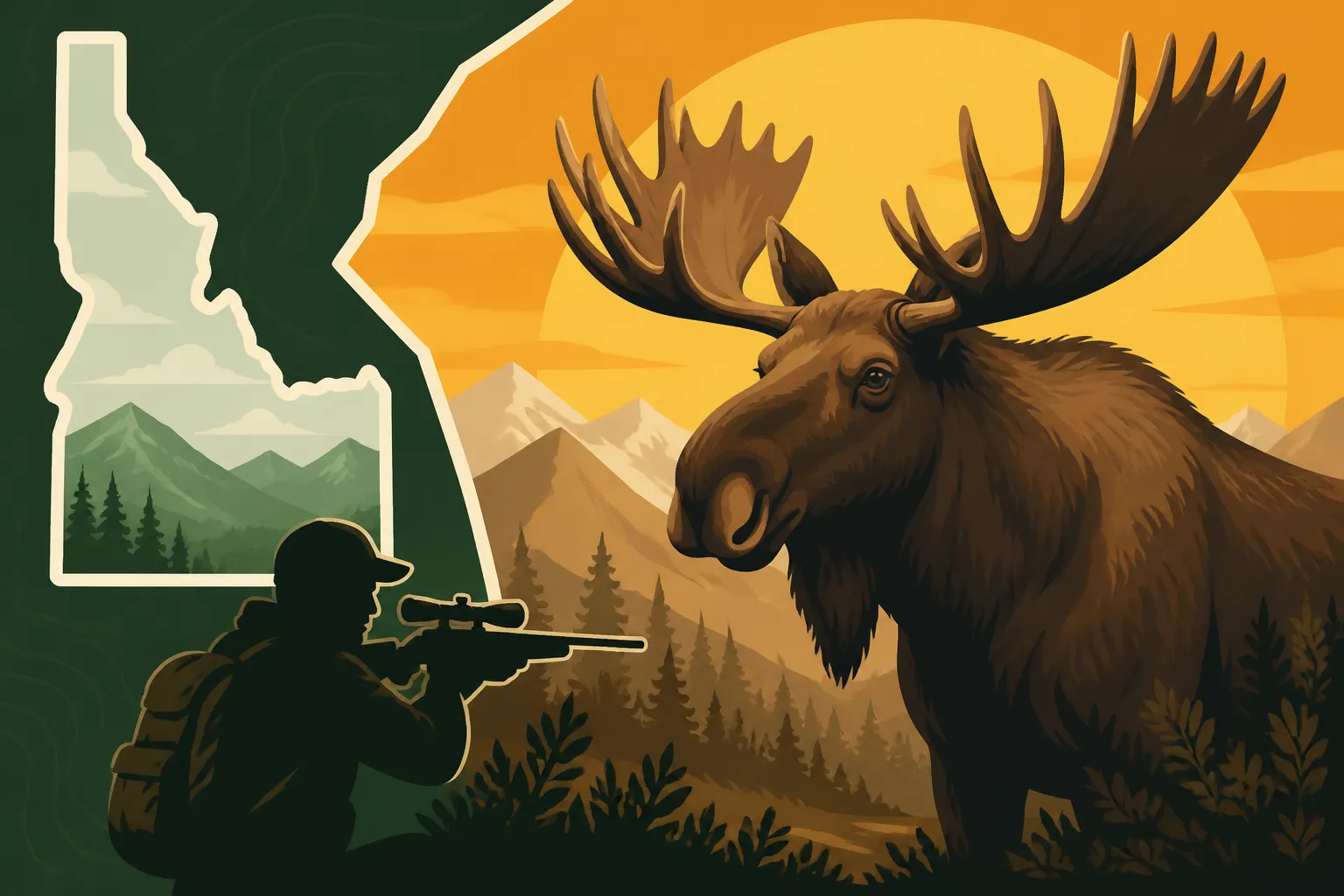
Oh, the Idaho moose tag. It's the stuff of legends, isn't it? For many of us who dream of hunting big game in the Gem State, drawing an Idaho moose tag feels like winning the lottery—a truly once-in-a-lifetime opportunity that hunters might spend decades applying for. The reality is, it's a controlled hunt, meaning tags are incredibly limited, and patience isn't just a virtue; it's a prerequisite. If you're hoping to chase one of these magnificent animals through Idaho's wild landscapes, you need to understand the journey ahead, and this guide is here to walk you through every step, from the initial dream to the eventual, hopefully successful, hunt.
The Allure of Idaho Moose: A Hunter's Dream
There's something uniquely captivating about moose. Maybe it's their sheer size, their prehistoric appearance, or the quiet, often swampy, habitats they prefer. Whatever it is, a moose hunt in Idaho stands out as one of the most sought-after experiences for any big game enthusiast.
Why Moose are So Highly Coveted in Idaho
Let's be honest, few animals command the presence of a mature Shiras moose bull. When you see one silhouetted against a mountain lake at dawn or hear the rustle of their enormous antlers through thick willows, it's an experience that transcends mere hunting. They are incredibly difficult to find, even more challenging to get close to, and when you do, their immense size is truly humbling. Unlike deer or even elk, which can be found in relative abundance across many units, moose populations are localized and carefully managed. This scarcity, coupled with the incredible trophy potential and the sheer adventure of hunting them in remote, often rugged, terrain, elevates the Idaho moose hunt to an almost mythical status. For many, it's not just about the kill; it's about the deep dive into wild country, the solitude, and the connection with one of North America's most iconic animals. The stories of those who have successfully drawn and harvested an Idaho moose are usually told with a reverence that highlights the immense effort and luck involved.
Understanding the Shiras Moose Subspecies
Idaho is home to the Shiras moose (Alces alces shirasi), the smallest of the North American moose subspecies, but don't let "smallest" fool you—these animals are still colossal. Mature bulls can weigh over 1,000 pounds and stand six feet tall at the shoulder, with impressive antler spreads often reaching 40-50 inches. Their dark brown to black coats, humped shoulders, and distinctive dewlap (bell) beneath their chin make them instantly recognizable. Shiras moose typically inhabit the mountainous regions of the intermountain West, favoring riparian zones, willow bottoms, aspen stands, and dense conifer forests near water sources.
Compared to their larger Alaskan or Canadian counterparts, Shiras moose generally have a slightly shorter and wider antler spread, often with more palmation and points rather than simply long tines. They are solitary animals for much of the year, becoming more social during the rut in late September and October. Their diet consists primarily of woody browse, aquatic vegetation, and forbs. Understanding their preferred habitats and seasonal movements is absolutely critical for any hunter hoping to pursue them, as their reclusive nature often means hunting them requires patience, stealth, and a willingness to explore challenging terrain.
The Reality of Controlled Hunts: Patience is Paramount
Idaho's management of species like moose, bighorn sheep, and mountain goat relies heavily on a controlled hunt system. This isn't just about limiting tags; it's about carefully balancing harvest with population health to ensure these animals thrive for future generations.
Idaho's Controlled Hunt System Explained
The Idaho Department of Fish and Game (IDFG) utilizes a controlled hunt system for species where populations are particularly sensitive, limited, or require precise management. Unlike general season tags, which are often available over the counter or through a simpler draw for deer and elk, controlled hunts for moose operate on a highly competitive, limited-entry draw. This system ensures that only a predetermined number of tags are issued for specific areas (hunt units) to maintain healthy population dynamics. It's a critical tool for managing species that breed slower, have smaller populations, or are particularly susceptible to overharvest.
The process involves applying for a specific hunt number, which corresponds to a particular unit, species, and weapon type (e.g., any weapon, archery, muzzleloader). This meticulous approach allows IDFG to distribute hunting pressure and harvest strategically, preventing localized overharvest and promoting sustainable populations. For a species like moose, where populations are relatively sparse and recruitment rates are slower than, say, deer, controlled hunts are the only way to offer hunting opportunities without jeopardizing the long-term health of the herds. You can explore the full range of application periods and deadlines by checking the Idaho Controlled Hunt Calendar, April Through August, which lays out the timeline for all controlled hunt applications.
The Moose Controlled Hunt Draw Odds and Waiting Game
Let's not sugarcoat it: drawing an Idaho moose tag is incredibly difficult. We're talking about single-digit percentages, sometimes even less than one percent, for many hunt units. Idaho does not use a preference point system, which means every applicant, regardless of how many years they've applied, theoretically has an equal chance in the draw each year. While this might sound fair, it also means there's no accumulated advantage, so you truly are relying on the luck of the draw every time.
Many hunters spend years, even decades, faithfully applying for a moose tag, hoping that their number will eventually come up. It's not uncommon for someone to apply for 20, 30, or even 40 years before finally drawing a tag. This long waiting game is why patience is so crucial. Hunters often develop a strategy of consistently applying for the same few units they've researched, hoping to eventually hit that lucky draw. It's a testament to the allure of these animals that so many are willing to invest such a significant amount of time and money into a hunt with such slim odds. If you're interested in the hard numbers, you can find a detailed breakdown of historical success rates and draw statistics in the Idaho Moose Controlled Hunt Draw Odds Explained resource. It's a sobering read, but essential for setting realistic expectations.
Applying for That Coveted Moose Tag
The application process for an Idaho controlled hunt tag, especially for moose, requires careful attention to detail and a strategic approach. It's not just about submitting your name; it's about making informed choices that could potentially lead to that once-in-a-lifetime tag.
Navigating the Application Process
First things first, you'll need to purchase an Idaho hunting license, which is a prerequisite for applying for any controlled hunt. The application period for moose, like other trophy species such as bighorn sheep and mountain goat, typically opens in April, with a deadline usually in late April. It's crucial to mark these dates on your calendar, as missing the deadline means waiting another year. The application itself is submitted through the Idaho Department of Fish and Game's licensing system, often referred to as GoOutdoorsIdaho.
The online portal will guide you through selecting your desired species and specific hunt number. This is where your research comes into play, as each hunt number specifies a particular unit, weapon type, and season dates. You can typically select up to three choices, listing them in order of preference. Remember, you'll pay an application fee per species in addition to your hunting license fee. It's important to double-check all your selections before finalizing, as errors can be costly or result in missing out on an opportunity. Many hunters also use sophisticated online tools like GoHunt to analyze past draw odds and unit specifics, helping them make more strategic application choices by comparing their chances across different hunt areas. While these tools don't guarantee a tag, they provide valuable data-driven insights. For precise dates and further guidance, refer to the When Moose and Sheep Applications Open in Idaho information directly from IDFG.
Strategic Unit Selection and Research
Choosing the right unit for your moose application is arguably the most critical step after deciding to apply. With such low odds, you want to maximize every potential advantage. The Idaho Hunt Planner is your absolute best friend here. This online tool from IDFG provides a wealth of information, from unit boundaries and public land percentages to harvest statistics and success rates. It allows you to explore different hunt numbers, understanding the terrain, access points, and historical moose sightings. A smart applicant will spend hours, if not days, poring over these maps and data. The Idaho Hunt Planner Is the Tool to Start With for this essential groundwork.
Beyond the official planner, dedicated hunt research platforms like GoHunt offer in-depth data analytics, historical draw odds, and filtering options that can help you identify units that might align better with your specific hunting style, physical capabilities, or desired experience. Are you looking for a bull-only tag in a remote wilderness unit, or would a cow tag in a more accessible area be more appealing? Researching these options, understanding the terrain, vegetation, and potential access challenges of each unit, will allow you to make an informed decision when listing your choices on the application. Don't just pick a unit because you heard someone once saw a big bull there; dig into the data and terrain yourself.
Understanding Moose Habitat and Behavior in Idaho
To even consider hunting moose effectively, you need a solid grasp of where they live and how they behave. These aren't creatures that simply wander across open sagebrush; they have very specific preferences that dictate their presence.
Prime Moose Habitat: Where to Find Them
In Idaho, Shiras moose generally prefer areas with a mosaic of dense timber, willow thickets, and riparian zones—basically, wet, brushy areas near water. This includes high-elevation mountain valleys, subalpine forests, and areas along rivers and streams. They are often found in areas with heavy snowfall, as they are well-adapted to navigating deep drifts. Look for them in places where there's an abundance of their preferred browse, such as willow, aspen, red-osier dogwood, and other aquatic plants. Areas regenerating after a fire can also be moose magnets due to the surge of new browse growth.
While they are found across various parts of the state, strongholds exist in central and northern Idaho, particularly in units with extensive national forest land and wilderness areas. Think along the Selway, Clearwater, and Salmon River drainages, as well as parts of the Caribou-Targhee and Targhee National Forests. The elevation bands they inhabit can vary by season, but they are often at higher elevations during summer, moving to more sheltered areas as winter approaches. Understanding these general patterns, and then narrowing it down to specific basins or drainages within your chosen unit, is key. If you're just starting to visualize where these magnificent creatures roam, a great resource is the Shiras Moose Across Idaho overview, which details their distribution throughout the Gem State.
Moose Behavior Through the Seasons
Moose are largely solitary animals, especially the bulls, for much of the year. However, their behavior changes dramatically with the seasons, impacting where and how you might find them.
- Spring/Summer: Moose are focused on feeding, regaining weight lost over winter, and bulls are starting to grow their antlers. They often feed heavily on aquatic vegetation in ponds and lakes during this time, moving into higher elevation browse areas. Cow moose will typically calve in late spring/early summer and are extremely protective of their young.
- Fall (Rut): The rut is the most active and vocal period for moose, typically peaking in late September and early October. Bulls become much more aggressive, territorial, and less wary as they search for cows. They will spar with other bulls, rake their antlers on trees and bushes, and can be responsive to calling. This is often when hunters target them, as their focus on breeding makes them slightly more predictable and observable.
- Winter: As snow deepens, moose move to areas with dense cover and accessible browse, often concentrating in sheltered valleys or lower elevations. Their movements become restricted, and they conserve energy. Finding moose in winter can be easier in terms of concentrated areas, but hunting during deep snow can be incredibly challenging physically.
Understanding these seasonal shifts allows a hunter to anticipate where moose might be during a specific hunt window. For example, an early season archery hunt might involve stalking through wet willow bottoms, while a late season rifle hunt might mean glassing dense timbered slopes for wintering animals.
Preparing for Your Moose Hunt (If You Draw)
After years of waiting, the notification arrives: you drew an Idaho moose tag! Congratulations! Now the real work begins. This isn't a casual endeavor; it demands serious physical and mental preparation, along with the right gear.
Essential Gear for a Moose Hunter
A moose hunt is a demanding experience that often takes you deep into rugged, remote country. Your gear needs to be up to the task.
- Rifle/Bow: For rifles, a minimum of .30 caliber is recommended, with larger calibers like .300 Win Mag, .338 Win Mag, or .375 H&H Magnum being popular choices for their stopping power on such a large animal. Shot placement is paramount, but a powerful cartridge provides an added margin of error. If you're going the archery route, a compound bow with a sufficient draw weight (typically 60+ pounds) and heavy, well-constructed arrows with fixed-blade broadheads are essential. Given the size of moose, penetration is key. While not specifically for moose, you can get a sense of Idaho's minimums for other species through resources like Idaho Muzzleloader Caliber Minimums: .45 for Deer, .50 for Elk, ensuring your weapon choice is not only legal but effective.
- Optics: High-quality binoculars (10×42 or 10×50 are common) are a must for glassing dense timber and distant slopes. A spotting scope might be useful in more open country to evaluate an animal before making a move.
- Clothing: Layers, layers, layers! You'll be in mountainous terrain where weather can change rapidly. Durable, waterproof, and breathable outerwear is crucial. Good quality merino wool or synthetic base layers will manage moisture, and a warm mid-layer is essential. Don't forget a warm hat and gloves.
- Footwear: Comfortable, broken-in, waterproof hiking boots with excellent ankle support are non-negotiable. You'll be covering many miles, often through wet, uneven terrain.
- Navigation: A reliable GPS unit, a satellite communicator (like a Garmin inReach or Zoleo), and paper maps with a compass are vital. Cell service will be nonexistent in many moose habitats.
- Camp Gear: Depending on your hunt style (backcountry spike camp or truck camp), you'll need a suitable tent, sleeping bag rated for cold temperatures, cooking system, and bear-resistant food storage, as you'll often be in bear country.
- Pack Frame: This is one of the most important pieces of gear. Once a moose is down, you will be packing out hundreds of pounds of meat, hide, and antlers. A sturdy external frame pack capable of hauling heavy loads is absolutely essential. Many hunters underestimate this challenge, but successfully retrieving a moose from remote country often requires multiple trips and significant physical exertion.
Physical and Mental Conditioning
Let's be blunt: a moose hunt is not for the faint of heart. You could draw a tag for an easily accessible area, but often, the biggest bulls and best opportunities are found in rugged, remote backcountry. Being in peak physical condition is not just about comfort; it's about safety and success. You need to be able to hike steep terrain, navigate through thick brush, cross streams, and then, if successful, endure the arduous task of quartering and packing out an animal that can weigh over half a ton.
Start a rigorous fitness regimen well in advance of your hunt. Focus on cardiovascular endurance (hiking with a weighted pack, stair climbing), strength training (especially legs, core, and back), and flexibility. Simulate hunting conditions by hiking in your actual hunting boots with a heavy pack. Think about scenarios like Packing an Elk Out of Steep Country Alone—now imagine that, but with an animal twice the size! Mental toughness is equally important. You'll face challenges like bad weather, frustrating days without seeing animals, and the physical grind. Being mentally prepared to push through discomfort and stay optimistic is crucial. Practicing your shooting from various field positions, including after exerting yourself, is also a critical part of physical preparation.
The Hunt Itself: Strategy and Ethics
Once you're in the field with that coveted tag in your pocket, the real adventure truly begins. Moose hunting requires a combination of careful planning, keen observation, and ethical decision-making.
Hunting Tactics for Moose
Moose hunting typically involves one of three primary strategies, often blended depending on the terrain and conditions:
- Spot and Stalk: This is often effective in units with more open country or burn areas. Hunters use binoculars and spotting scopes to locate moose from a distance, then carefully plan an approach to get within shooting range. This requires patience, good optics, and an understanding of wind direction and terrain to remain undetected.
- Still Hunting: In dense timber and thick brush, where long-range glassing isn't possible, still hunting becomes the go-to method. This involves moving incredibly slowly and deliberately through prime moose habitat, stopping frequently to scan, listen, and look for signs. It's about blending into the environment, using the wind to your advantage, and being acutely aware of your surroundings. Look for fresh tracks, broken branches from rubbing, and droppings.
- Calling: During the rut (late September to mid-October), moose are highly responsive to calling. Bull grunts, cow calls, and antler raking (simulating a bull rubbing trees) can be incredibly effective. A skilled caller can draw a bull in, sometimes from a surprising distance. However, like all calling, it requires practice and knowing when and how aggressively to call. Early morning and late evening are often the best times for calling.
Regardless of the tactic, always pay attention to the wind, move slowly, and be prepared for a close encounter. Moose are large, powerful animals, and while not typically aggressive, a cow with a calf or a rutting bull can be dangerous if provoked or surprised.
Field Care and Retrieval
Congratulations! You've harvested an Idaho moose. Now comes the most physically demanding part: field care and retrieval. Given their immense size, this is a monumental task that cannot be understated.
Immediate field dressing is paramount to cooling the meat quickly and preventing spoilage, especially if temperatures are warm. You'll want to quarter the animal to make it manageable for packing. Many hunters bring game bags, and specialized knives and saws for this process. It's often a multi-person job, so having hunting partners who are prepared for this work is a huge asset. A mature moose can yield 400-600 pounds of boned-out meat, plus hide and antlers, meaning multiple trips with heavy packs are usually necessary. Having a robust pack frame designed for heavy loads is, as mentioned, non-negotiable. Don't forget that under Idaho law, you have meat salvage requirements, meaning you must make reasonable efforts to pack out all edible portions. Neglecting this is unethical and illegal. For detailed instructions on proper carcass handling, refer to Field Dressing and Carcass Transport Rules Explained to ensure you're following all regulations. Always have a plan for how you'll get the animal out before you ever pull the trigger.
What Happens After the Hunt: Reporting and Logistics
Bringing home a moose from Idaho is a monumental achievement, but the process isn't over when the animal is on the ground. There are critical legal requirements and logistics to manage that are just as important as the hunt itself.
Mandatory Reporting and Tagging
Once you've harvested a moose, the first and most immediate step is to tag the animal. Idaho law requires that your controlled hunt tag be physically attached to the largest part of the carcass immediately after the animal is killed and before it is moved from the kill site. The tag must be validated by notching out the correct date and time. This is a critical legal requirement, and failure to properly tag your animal can result in severe penalties.
Additionally, successful moose hunters are typically required to report their harvest to the Idaho Department of Fish and Game. This is often done online or by phone within a specified timeframe, usually within a few days of the kill. This reporting helps IDFG gather crucial data for population management, informing future tag allocations and hunt strategies. There may also be requirements to present certain parts of the animal (like a tooth for aging) to IDFG for biological samples. Always consult the current year's regulations booklet for the exact requirements for your specific moose tag. For a general overview of harvest reporting, you can look into Mandatory Reporting After an Idaho Harvest to understand the common requirements for big game in Idaho.
Taxidermy, Meat Processing, and Transport
Once the field dressing and quartering are complete, you'll need to decide on your next steps for processing the meat and handling the trophy.
- Meat Processing: Unless you plan to process the meat yourself, you'll need to transport the quarters to a reputable meat processor. This can be a challenge if you're hunting in a remote area, requiring significant cooling and transport logistics. Many hunters bring large coolers filled with ice, or even rent a refrigerated trailer, especially if traveling a long distance.
- Taxidermy: If you plan to have your moose mounted, you'll need to cape the animal properly and deliver the hide and skull to a taxidermist. It's wise to have a taxidermist lined up before your hunt, as their schedules can fill up quickly. Proper caping and care of the hide in the field are crucial to ensure a quality mount.
- Transport: Transporting a large amount of meat, plus a skull and antlers, requires careful planning. Make sure your vehicle is capable of handling the weight, and that you have all necessary permits if crossing state lines. Always keep your validated tag with the meat and trophy until it's been fully processed and legally stored.
This entire post-harvest process can be complicated and expensive, so factor these logistics and costs into your overall hunt plan. Having a solid plan for meat care and trophy handling ensures that your hard-earned harvest is respected and utilized to its fullest.
Alternative Paths: Cow Moose and Second Draws
The draw odds for a bull moose tag are notoriously low, which can be disheartening for many persistent applicants. However, Idaho does offer some alternative avenues that might increase your chances, albeit for slightly different experiences.
Exploring Cow Moose Tag Opportunities
While the image of a massive bull moose with a sprawling rack is what often captures a hunter's imagination, cow moose tags represent a valuable opportunity that many overlook. These tags are generally issued for population management purposes in specific units where the IDFG determines that a limited harvest of cows would benefit the overall health and balance of the moose herd.
The draw odds for cow moose tags are often, though not always, slightly better than for bull tags. They still fall under the controlled hunt system and are highly competitive, but they do offer a more accessible pathway for a hunter who simply wants the experience of harvesting a moose and filling their freezer with incredible meat. A cow moose still offers an immense amount of high-quality meat and presents a significant hunting challenge in its own right. Pursuing a cow often requires the same level of scouting, effort, and field skills as hunting a bull. Plus, they offer a unique connection to the landscape without the added pressure of trophy size. To understand the specifics and availability, check the details on Cow Moose Tags and Where They Go within the Idaho Fish and Game regulations. It's a fantastic alternative that shouldn't be dismissed.
The Second Drawing and Returned Tag Sales
Sometimes, for various reasons (applicants failing to claim their tag, hunters returning tags due to unforeseen circumstances), tags become available after the initial controlled hunt draw. Idaho has systems in place to make these available to other hunters.
- Second Drawing: If there are a significant number of unclaimed or returned tags for a particular controlled hunt, IDFG may hold a "second drawing." This typically occurs later in the summer, after the initial draw results are posted and successful applicants have had their deadline to purchase. The odds in a second drawing are usually even lower than the first, as fewer tags are available, but it offers another chance for those who missed out or want to try again. Keep a close eye on the IDFG announcements for these opportunities. The full details on this process can be found in Idaho's Second Controlled Hunt Drawing Works.
- Returned Tag Sales: Throughout the season, a small number of tags might be returned to IDFG. These are typically sold on a first-come, first-served basis through the GoOutdoorsIdaho website. These tags are extremely rare and sell out within minutes, if not seconds, of becoming available. Hunters hoping to snatch one up often set alerts and constantly monitor the IDFG site or use third-party services like GoHunt that provide real-time notifications when such tags become available. It's truly a "lightning strike" scenario, but for the dedicated, it's one more outside chance at that coveted moose tag.
While these alternative paths still require luck and quick action, they underscore the various avenues Idaho provides for hunters. Every chance, no matter how small, is worth considering when chasing a dream as big as an Idaho moose.
Disclaimer
Please remember that hunting regulations, seasons, and tag allocation processes are subject to change by the Idaho Department of Fish and Game. While this guide aims to provide accurate and up-to-date information, it is always your responsibility to consult the most current Idaho hunting regulations and proclamations before planning or undertaking any hunting activity.