How Idaho Wolf Seasons Differ on Private Land
It's no secret that navigating hunting regulations in Idaho can feel like trying to untangle a ball of yarn, especially when you throw a highly adaptable and often controversial species like the wolf into the mix. Hunters often find themselves scratching their heads, wondering if the rules they know for elk or deer apply equally to wolves, particularly when it comes to the stark differences between public and private land. This guide aims to clear up that confusion, detailing precisely how Idaho's wolf seasons and specific hunting rules vary between public ground and private property, empowering you to hunt smarter and stay on the right side of the law.
Understanding Idaho's Wolf Management Philosophy
Idaho’s approach to wolf management has evolved significantly over the years, stemming from a complex history and a diverse range of public opinions. It’s not just about hunting; it’s a multifaceted strategy that balances ecological considerations, livestock protection, and recreational opportunities.
Wolves as a Game Species and Management Goals
In Idaho, wolves are officially classified as a big game animal, which means they are managed by the Idaho Department of Fish and Game (IDFG) under specific hunting and trapping seasons, just like deer or elk. This designation isn't just bureaucratic; it reflects the state's proactive stance on managing wolf populations. The primary goals behind this management are to maintain healthy and sustainable wolf numbers, reduce depredation on livestock and other big game species, and provide regulated hunting and trapping opportunities for sportsmen.
The journey to this classification was long and winding. Following their reintroduction in the mid-1990s, wolves eventually exceeded recovery goals, leading to their delisting from the Endangered Species Act in Idaho. This delisting handed management authority back to the state, allowing IDFG to implement robust management strategies, including regulated harvests. These harvests are crucial in areas where wolf populations are high, potentially impacting deer and elk herds or causing conflicts with ranchers. The state aims to strike a balance, ensuring wolves thrive where appropriate, while also addressing concerns from local communities and agricultural interests.
The Fundamental Divide: Public vs. Private Land Access
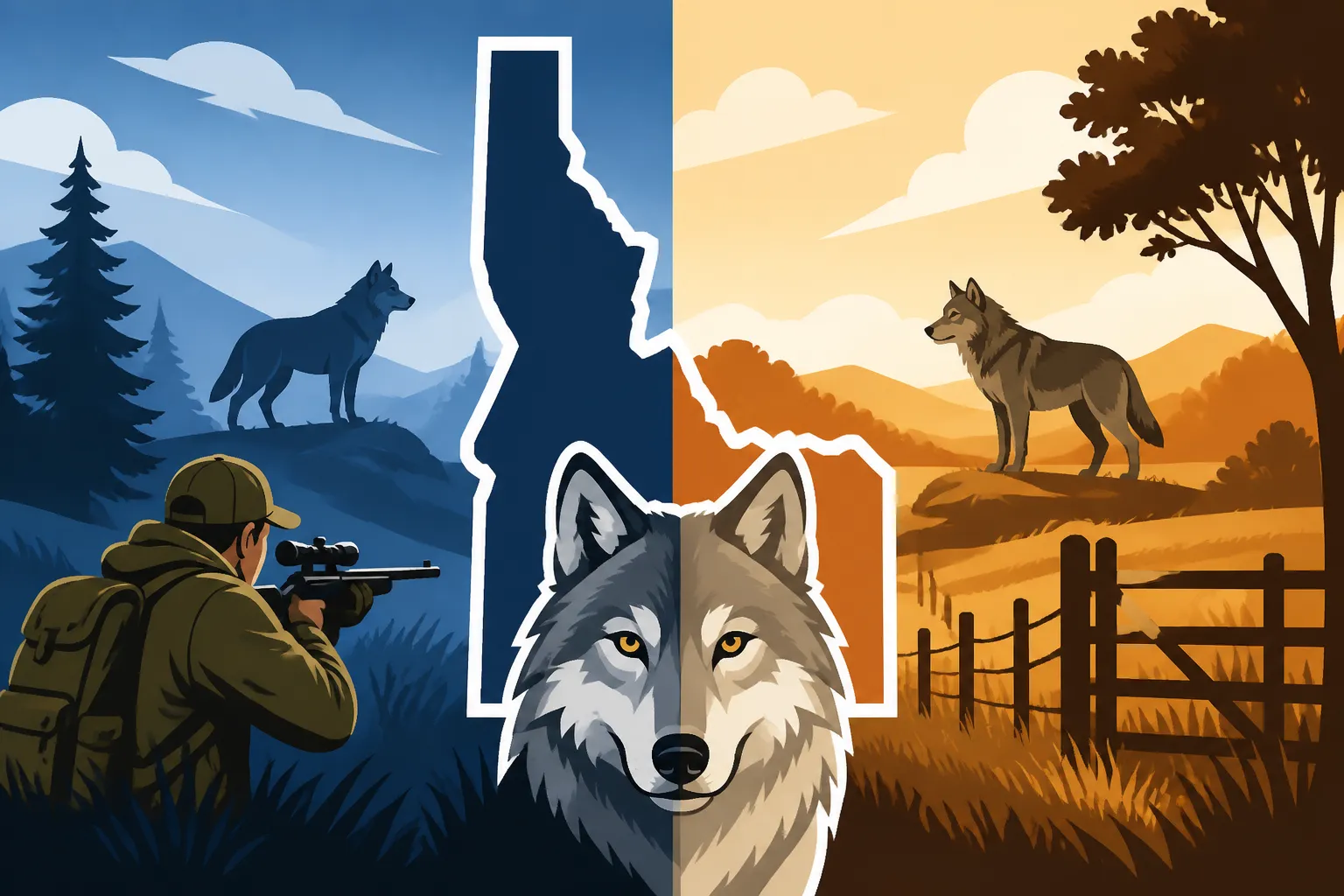
The single biggest factor dictating how and when you can hunt wolves in Idaho is land ownership. Public lands, encompassing vast stretches of National Forests, Bureau of Land Management (BLM) acreage, and State Endowment Lands, generally operate under a more standardized, conservative set of rules. These regulations are designed to provide fair chase opportunities while managing wildlife across broad landscapes accessible to everyone. Think of these as the "default" rules you'd expect for most hunting in Idaho.
On the flip side, private land introduces a whole new layer of complexity and, often, flexibility. Landowners have a vested interest in managing wildlife on their property, especially when that wildlife directly impacts their livelihoods, such as with livestock. Because of this, Idaho Fish and Game often grants additional allowances and extended seasons on private property, specifically to address depredation and property damage concerns. This fundamental divide means that a strategy that's perfectly legal and effective on your friend's ranch might land you in hot water if attempted just a few miles away on National Forest ground. Understanding this distinction is paramount for any wolf hunter in Idaho.
General Wolf Season Framework on Public Lands
When you're out chasing wolves on Idaho's public lands, you're generally playing by the book that applies to most other game species. The seasons are defined, the methods are regulated, and the overarching goal is fair chase and sustainable harvest.
Standard Hunting and Trapping Seasons
For hunters pursuing wolves on public ground, Idaho Fish and Game establishes clear hunting and trapping seasons. These seasons typically run from late summer or early fall through the spring, offering a lengthy window of opportunity. However, it’s crucial to understand that these seasons are often unit-specific and can vary significantly depending on where you are in the state. For instance, some units might open earlier, close later, or even have different bag limits based on local wolf populations and management objectives.
A common season structure might see hunting open in August or September, extending through March or April of the following year. Trapping seasons often mirror these dates but might have slightly different start and end points. You’ll need a valid Idaho hunting license and a wolf tag for each wolf harvested, and there are often bag limits, such as a limit of two to ten wolves per hunter per year, depending on the unit and method. It’s absolutely vital to consult the current Idaho Big Game Regulations for the specific Game Management Unit (GMU) you intend to hunt. These regulations provide the exact opening and closing dates, bag limits, and any other special provisions. If you're looking for more detail, the article Idaho Wolf Seasons Change Unit by Unit in Idaho provides excellent insights into how these seasons can shift from one area to another.
Weapon Restrictions and Legal Methods
Hunting wolves on public land in Idaho comes with specific rules regarding legal weapons and methods, much like hunting other big game. Generally, any legal firearm, muzzleloader, or archery equipment allowed for deer and elk hunting is permissible for wolves. This means your trusty rifle, shotgun with slugs, or compound bow will likely be good to go. However, there are typically restrictions on certain tactics that are considered unfair chase or could lead to irresponsible harvesting.
For example, night hunting for wolves on public land is generally prohibited, as is the use of artificial lights or thermal imaging devices to locate or shoot wolves. Electronic calls, while highly effective for predators, are also usually restricted for big game species like wolves on public lands. This aligns with the "fair chase" ethic that Idaho deeply values for its big game animals. Trapping, while permitted, also has a strict set of regulations concerning trap types, sizes, setback distances from roads or trails, and required certifications. Every hunter and trapper needs to be intimately familiar with these rules to avoid violations. To get a better sense of where you can use specific calling methods, take a look at Where Electronic Calls Are Legal for Big Game, as it often provides a good baseline for big game rules that usually apply to wolves on public land.
Expanded Opportunities on Private Land for Wolves
Here's where things get interesting and distinct. Because landowners often bear the brunt of wolf-related issues, Idaho allows for significantly more flexibility and expanded opportunities for wolf control on private land. This isn't just about hunting; it's about providing tools for managing a species that can have a direct, negative impact on private property and livelihoods.
Extended and Year-Round Seasons
One of the most significant differences for wolf hunting on private land is the season length. While public land seasons are finite, Idaho often grants landowners, or hunters with explicit landowner permission, extended or even year-round wolf hunting and trapping opportunities on private property. The rationale behind this stems from the need to address chronic depredation on livestock or domestic animals, or simply to manage wolf presence when it becomes problematic for agricultural operations.
Imagine a rancher who is losing calves to wolves in the spring or summer, outside of the general public land hunting season. Without these extended provisions, they would be left with few options to protect their stock. Therefore, IDFG, in coordination with landowners, allows for more liberal seasons. This means that in certain units, with proper permission, you might be able to hunt wolves on private land during times when it's closed on adjacent public ground. It’s a powerful tool for landowners to take proactive measures and for hunters who want to contribute to wolf management efforts while respecting private property. Always confirm the specific unit and private land rules through the most current IDFG regulations, as these can have very localized conditions.
Depredation Control and Landowner Permits
Beyond extended seasons, Idaho has specific provisions for landowners to engage in "depredation control" of wolves. This goes a step further than general hunting. If wolves are actively depredating livestock or domestic animals on private land, landowners can often obtain special permits to lethally remove problem wolves without needing a general hunting tag, or to employ hazing techniques. This is a critical management tool, recognizing the financial and emotional toll wolf depredation can take on ranchers.
These permits aren't just handed out willy-nilly; they usually require documented evidence of depredation and coordination with IDFG or Wildlife Services. However, they empower landowners to take direct action to protect their property. For hunters seeking unique opportunities, partnering with a landowner who has ongoing depredation issues can open doors to specific, targeted wolf hunts focused on removing problem animals. This isn't just about sport; it's about contributing to the solution of a genuine conflict, and it underscores the importance of having solid relationships with private land owners. Always remember that even under depredation control, proper reporting to IDFG is mandatory to ensure accurate population data and compliance.
Specific Hunting Method Flexibilities on Private Land
The allowances for hunting methods on private land are considerably more flexible than on public land, especially when it comes to predator control. Two key areas where you’ll see differences are electronic calls and night hunting.
On private land, with explicit landowner permission, electronic calls are generally legal for hunting wolves. This is a game-changer for wolf hunters, as e-callers can be incredibly effective at drawing in curious or hungry wolves. While generally restricted for big game on public lands, the intent on private ground shifts more towards predator management and minimizing conflicts. Similarly, night hunting for wolves on private land is often permitted, again with landowner permission, and typically involves the use of artificial lights or night vision/thermal optics. This can be an intense and effective way to target wolves, particularly in areas where they are highly active at night or are impacting livestock. While there are rules around the type of light source and its attachment to a firearm, the overall flexibility is a stark contrast to public land rules. The legalities surrounding hunting various predators at night, such as those discussed in Is Night Hunting Legal for Coyotes Out West?, often apply in principle to wolves on private land. For a deeper dive into the use of electronic calls, the article Electronic Calls for Predators and Varmint Hunting is highly relevant, illustrating techniques that can be applied effectively on private parcels.
It’s not just about hunting either; trapping regulations can also be more flexible on private property, potentially allowing for trap sets closer to roads or residences than would be permitted on public land, again with landowner consent and adherence to safety. Detailed digital mapping tools, like those offered by GoHunt, can be incredibly helpful here, allowing you to identify property lines and cross-reference with specific IDFG regulations to ensure your methods are legal for the parcel you’re on. This level of detail is crucial for responsible and effective private land wolf hunting.
Navigating Regulations and Ethical Considerations
The expanded opportunities on private land come with added responsibilities. It’s not enough to know the rules; you must also uphold the highest ethical standards to preserve access and maintain a positive public image for hunters.
Importance of Landowner Permission
This cannot be stressed enough: always, always obtain explicit, written permission from the landowner before stepping foot on private property to hunt wolves. Trespassing is a serious offense in Idaho and can lead to fines, loss of hunting privileges, and even jail time. Beyond the legal ramifications, it erodes trust between landowners and hunters, jeopardizing future access for everyone. A simple phone call or a knock on the door, coupled with a polite request, can open up incredible hunting opportunities.
When seeking permission, be clear about your intentions – that you're interested in hunting wolves, perhaps specifically to help with depredation. Offer to share any harvest data with them. A written permission slip, detailing the dates you're allowed to hunt and the areas of the property, is ideal for protecting both you and the landowner. Remember, private land is a privilege, not a right, and demonstrating respect is the best way to secure and maintain that privilege. For a broader understanding of how to approach landowners, read Landowner Permission on Idaho Private Ground.
Understanding Unit-Specific Rules and Exceptions
Even with the general flexibility on private land, Idaho's wolf hunting rules can still have unit-specific nuances. It's not a blanket free-for-all across all private property in the state. Some Game Management Units might have different season structures, bag limits, or even specific restrictions that apply to both public and private land within their boundaries. Therefore, after you've secured landowner permission, your next step should always be to consult the official Idaho Fish and Game regulations for that specific unit.
Don't just rely on hearsay or what you think you know. Regulations can change annually, and exceptions or special provisions are not uncommon. For example, while night hunting is generally more flexible on private land, there might still be areas or units with local ordinances or specific IDFG closures. Checking the unit's wolf harvest limits, as detailed in articles like Idaho Wolf Harvest Limits Per Hunter, is also critical, as these can vary. Using up-to-date digital mapping tools from GoHunt can also help you quickly identify unit boundaries and overlay them with property lines, ensuring you're fully aware of all applicable regulations. This diligence ensures you’re hunting legally and ethically.
Ethical Hunting Practices and Public Perception
Hunting wolves, more so than many other species, often falls under intense public scrutiny. Ethical hunting practices are not just about following the law; they are about upholding the integrity of hunting itself and ensuring continued access and support for wildlife management. When hunting wolves, particularly on private land where activities like night hunting or electronic calls are permitted, it's paramount to exercise utmost caution and responsibility.
This means ensuring clean, ethical shots, avoiding unnecessary suffering, and being mindful of your surroundings. Proper carcass handling and disposal are also crucial; leaving an animal unrecovered or improperly handled can create negative public perception and reinforce anti-hunting narratives. Always strive to be a responsible ambassador for hunting. Your actions reflect on the entire hunting community, and demonstrating respect for the animal, the land, and the law helps secure the future of hunting opportunities, especially in areas where wolf management is a sensitive topic.
Practical Tips for Hunting Wolves on Private Land
Hunting wolves on private land, with its extended seasons and flexible methods, offers unique challenges and rewards. Here are some practical tips to maximize your success and ensure a responsible hunt.
Scouting and Access Strategies
Once you’ve secured that crucial landowner permission, diligent scouting becomes your next priority. Unlike public lands where you might be looking for remote wilderness, private land often means focusing on areas with potential conflict: livestock pastures, calving grounds, or property boundaries bordering dense timber or public land where wolves might den or travel. Look for fresh tracks, scat, and especially signs of depredation.
Consider setting up trail cameras in key travel corridors or near known rendezvous points. These can provide invaluable information on wolf activity patterns, travel routes, and even pack composition. When discussing access with the landowner, clarify designated routes or parking areas to avoid inadvertently damaging crops or disturbing livestock. Remember, maintaining a good relationship with the landowner is paramount, so always respect their property and requests. Utilizing a robust mapping application from GoHunt can help you identify potential access points and terrain features, as well as property boundaries, even before contacting landowners. This kind of e-scouting can give you a significant advantage.
Calling and Baiting Considerations
The flexibility of private land often allows for advanced tactics like electronic calling and even baiting, which are typically restricted on public ground. When using electronic calls, consider a variety of sounds: distress calls (fawn, rabbit, coyote), howls (pup, lone wolf, challenge), and even barks. Wolves are intelligent and can become call-shy, so vary your sequences and try different sounds. Positioning is key; set up downwind and with good visibility.
Baiting for wolves on private land may be permitted, especially in areas with persistent depredation. If you plan to use bait, verify the specific regulations with IDFG, as rules can vary regarding bait type, quantity, and placement. Often, you'll need to coordinate with the landowner and ensure the bait is placed where it won't attract unwanted attention or become a nuisance. For a comparative perspective, looking at The Black Bear Baiting Rules Idaho Applies can give you an idea of the types of regulations that might be in place for baiting other species, which can inform your questions regarding wolf baiting. Using fresh, natural carcasses from legally harvested game or roadkill can be highly effective, but again, always check local ordinances and IDFG rules first.
Required Gear and Safety
Wolf hunting, especially at night or in challenging conditions, requires specific gear to be safe and effective. A reliable, accurate rifle chambered in a cartridge suitable for tough animals (like a .270, .30-06, or 6.5 Creedmoor) is essential. Good quality optics, including a scope with clear low-light performance, are a must. If hunting at night, investing in thermal or night vision optics, along with a powerful spotlight (if permitted), will significantly increase your success and safety.
Camouflage and scent control are crucial, as wolves possess an incredible sense of smell and keen eyesight. Dress in layers to adapt to Idaho's often unpredictable weather. Safety is paramount: always know your target and what’s beyond it, especially when shooting at night or near private property structures or livestock. Communicate your hunting plans to the landowner and ensure they know when and where you’ll be on their property. Before heading out, always double-check the local regulations, and consider a GoHunt membership to access the most up-to-date information on season dates, unit specifics, and property ownership maps. Being prepared not only makes for a more successful hunt but a much safer one too.
Public vs. Private Land Wolf Hunting Rules: A Comparison
To help clarify the distinctions, here's a general comparison of wolf hunting rules on public versus private land in Idaho. Always remember to check current IDFG regulations for specific units.
| Feature | Public Land (General) | Private Land (With Permission) |
|---|---|---|
| Season Length | Defined seasons (e.g., fall through spring), unit-specific | Often extended or year-round, especially for depredation |
| Bag Limit | Unit-specific (e.g., 2-10 wolves per hunter/year) | Unit-specific, potentially more liberal for depredation animals |
| Electronic Calls | Generally Prohibited (for big game) | Generally Permitted |
| Night Hunting | Prohibited (for big game) | Often Permitted (with artificial light/NV/thermal) |
| Baiting | Generally Prohibited (for big game) | May be Permitted (check specific regs/landowner) |
| Depredation Control | Not applicable for general public use | Specific landowner permits for lethal removal possible |
| Required Permission | Not applicable (open access on public ground) | Absolutely Required (written permission highly recommended) |
| Tag Required | Yes, IDFG wolf tag for each animal | Yes, IDFG wolf tag (unless special depredation permit) |
| Reporting Harvest | Mandatory to IDFG | Mandatory to IDFG (even with depredation permits) |
Disclaimer
Please be aware that hunting regulations, seasons, and legal provisions are subject to change at any time by the Idaho Department of Fish and Game. While this guide provides a comprehensive overview, it is your responsibility as a hunter to consult the most current and official Idaho Big Game Regulations and local ordinances before engaging in any hunting activities. Always verify specific rules for your chosen Game Management Unit and land type.