Donating Game Meat After an Idaho Hunt
Bringing down a big game animal in Idaho is a truly unforgettable experience, but sometimes, after the initial excitement wears off, you might find yourself with a freezer that's already packed to the gills, or simply a deep desire to ensure every bit of that hard-earned harvest goes to good use. It's a great "problem" to have, but it can leave you wondering about the best way to handle the abundance. Donating game meat after a successful Idaho hunt is an incredible way to extend the benefits of your harvest far beyond your dinner table, providing high-quality, natural protein to families and individuals in need across the state.
The Why and How of Ethical Game Meat Donation in Idaho
Harvesting an animal is a significant undertaking, one steeped in tradition and respect for the land and its creatures. For many hunters, the journey doesn't end when the animal is down; it continues with the responsible and ethical utilization of the meat. Donating a portion, or even all, of your game meat is a powerful expression of this ethos.
Why Hunters Consider Donating Their Harvest
There are so many compelling reasons why an Idaho hunter might choose to donate their game meat. Perhaps you filled your tags early in the season, and your home freezer is already bulging with last year's elk and this year's deer. Or maybe you're heading out on another hunt soon and know you'll need the space. It’s a very real scenario for dedicated hunters, and it’s a wonderful problem to have, but it still needs a solution.
Beyond the practicalities of freezer space, there's a strong ethical component. As hunters, we feel a profound connection to the animals we pursue and a responsibility to honor their sacrifice by using the meat wisely. Allowing a perfectly good animal to go to waste just because you have too much is antithetical to the hunting spirit. Donating ensures that the animal provides sustenance and nourishment to those who truly appreciate it, extending the positive impact of your hunt. It's not just about filling your tag; it's about utilizing what you've harvested and giving back to the community that supports wildlife and conservation efforts.
Foundational Rules for Donating Wild Game
While the desire to donate is admirable, there are crucial rules and regulations in Idaho that ensure the safety and legality of game meat donations. First and foremost, the meat must be in excellent, wholesome condition, fit for human consumption. This means proper Field Dressing and Carcass Transport Rules Explained are absolutely paramount from the moment of harvest. Any meat that shows signs of spoilage, contamination, or improper handling will, understandably, be rejected.
Idaho does not operate a centralized, state-run "Hunters for the Hungry" program like some other states. This means the onus is typically on individual hunters to coordinate directly with local meat processors and receiving charitable organizations. It's not as simple as dropping it off at your nearest Fish and Game office. You'll need to do a little legwork yourself, but the reward of helping others is well worth the effort. Always remember that any deer or elk harvested in a Chronic Wasting Disease (CWD) management area must be tested, and a positive result means the animal cannot be donated. Make sure to understand the guidelines for Chronic Wasting Disease Testing in Idaho if you're hunting in a relevant unit.
Navigating the Process: From Field to Food Bank
The idea of donating game meat is straightforward, but the practical steps require a bit of planning and communication. It's all about making the right connections and understanding the local nuances of meat processing and charity distribution.
Identifying Local Processors and Receiving Organizations
This is often the trickiest part for many hunters: finding someone who can actually take and process your game. Most food banks and charities cannot accept whole carcasses or even unprocessed quarters due to health regulations and lack of processing facilities. Your first critical step is finding a willing and capable meat processor who is equipped to handle wild game and has experience with donations.
Once you identify potential processors, your next call should be to local food banks, homeless shelters, or other charitable organizations. Explain that you are a hunter looking to donate legally harvested and properly handled game meat, and ask if they work with any local processors or if they accept already processed and packaged wild game. Some communities have informal networks or specific organizations that facilitate this. Don't be discouraged if the first place says no; keep calling! Websites like GoHunt might have community forums or local business directories where hunters share information about game processors in various regions of Idaho, which can be a valuable starting point for your research. Sometimes, local Fish and Game offices might be able to offer a list of processors, but they typically can't make specific recommendations or handle the donation logistics themselves.
The Logistics of a Successful Game Meat Donation
Once you've found an accepting processor and ideally, a receiving charity, understanding their specific requirements is key. This almost always begins in the field. After you've made a clean harvest, ensure your animal is properly tagged – remember How Soon You Must Tag a Downed Animal after dispatch – and that it's field-dressed quickly and cleanly. Rapid cooling is paramount to preserving meat quality, especially in warmer early seasons. If you're driving long distances, having a cooler full of ice or dry ice to quarter the animal into can make all the difference.
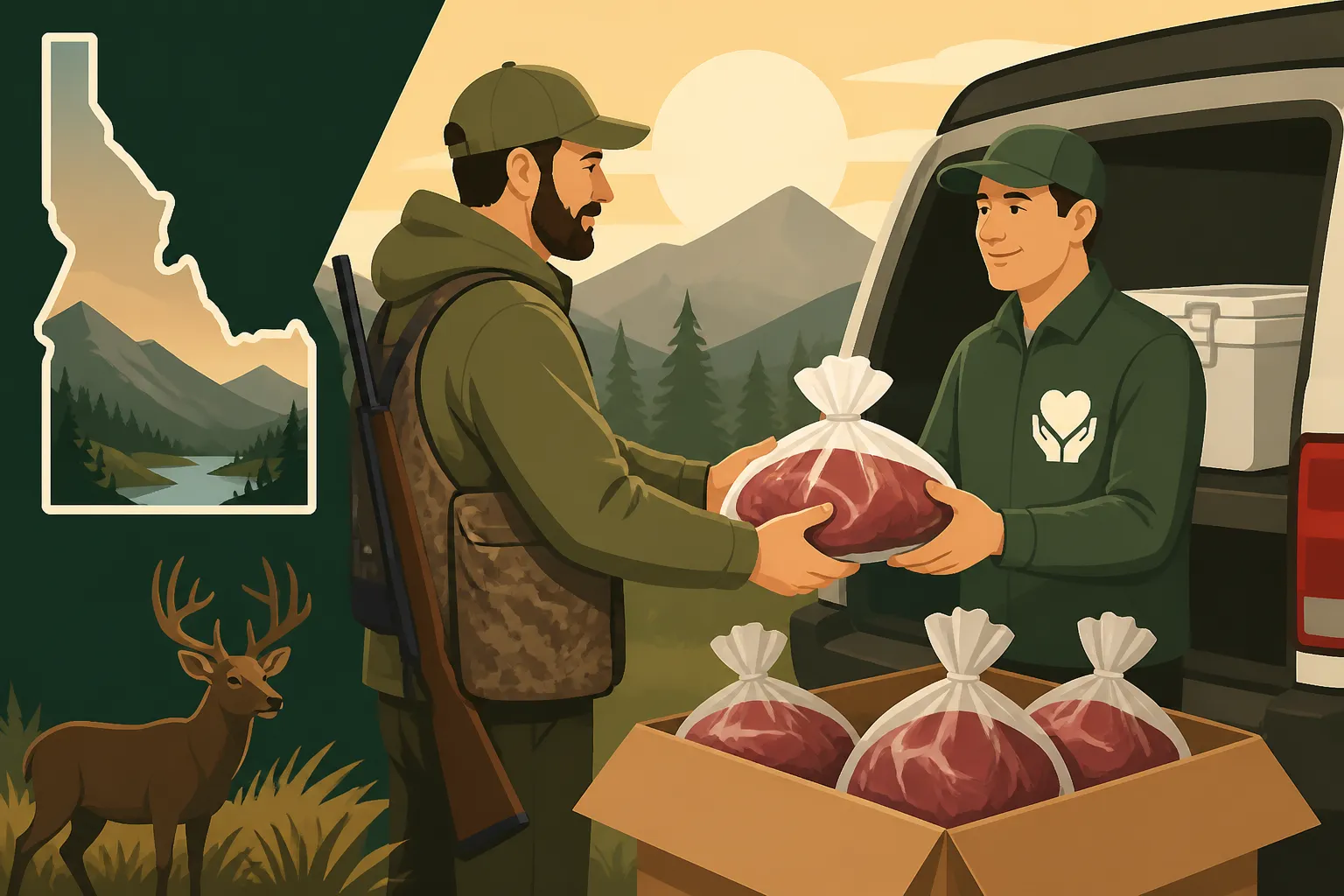
When you contact the processor, clearly communicate your intent to donate. They will provide instructions on how they prefer the animal to be brought in – whether it needs to be skinned, quartered, or if they'll take it whole. Be prepared for potential costs. While you're donating the meat, you, the hunter, are typically responsible for the processing fees. Think of it as an investment in giving back, a voluntary contribution that ensures your harvest helps others. The processor will often have a system for tracking the donation and potentially working directly with the charity to ensure smooth transfer of the packaged meat. This entire process is part of being a responsible steward of the resource, much like adhering to Mandatory Reporting After an Idaho Harvest helps Fish and Game track wildlife populations.
Meeting Quality Standards and Navigating Processor Requirements
Making the decision to donate your game meat is only half the battle; ensuring that meat is of the highest quality and meets the specific demands of the processor and the receiving charity is the next critical step.
Upholding the Highest Quality for Donation
This is a non-negotiable aspect of game meat donation: if you wouldn't serve it to your own family, you absolutely should not donate it. The meat you provide to those in need should be nothing short of excellent. This means meticulous care from the moment of harvest.
Immediately after the animal is down, initiate proper cooling. This is crucial for preventing bacterial growth and spoilage. In warm weather, quartering the animal and placing it on ice is often the best approach. Ensure that the field dressing process is as clean as possible, minimizing contact with dirt, hair, or stomach contents. Any signs of spoilage, excessive bruising, or contamination (e.g., from a gut shot that wasn't properly cleaned up) will lead to rejection by the processor. When it comes to wild game, lean protein is prized, so try to remove as much silver skin, excessive fat, and connective tissue as practical before processing. The goal is to present a clean, healthy, and delicious product.
Specifics to Discuss with Your Chosen Processor
Every meat processor is a little different, and their specific requirements for donated game can vary widely. This is why a phone call before you even bring the animal in is absolutely essential. Don't just show up with a whole deer in the back of your truck and assume they'll take it.
Here’s a breakdown of common questions and requirements you should discuss:
| Requirement Category | Common Questions to Ask | Why It Matters |
|---|---|---|
| Acceptance Policy | Do you accept donated wild game? Do you partner with any specific food banks or charities? | Not all processors do, and some have established relationships that streamline the process. |
| Preparation | Do you require the animal to be skinned? Quartered? Boned-out? What condition does the carcass need to be in? | Some processors will only accept boned-out meat, others might take quarters, and very few will handle an unskinned animal. Knowing this saves you a lot of time and effort. |
| Cost | What are the processing fees for donated game? Is there a reduced rate? Is the receiving charity covering any portion? | Processing fees are usually the hunter's responsibility. Understand the cost upfront. |
| Traceability | What paperwork is required? Do I need to provide my tag number? How is the meat tracked to the charity? | Ensuring the meat's origin is documented for health and safety purposes. |
| Packaging | How is the meat packaged? Standard cuts? Ground meat? | Most will process it into ground meat and standard cuts suitable for distribution. |
| Drop-off Times | What are your hours for accepting game? Do I need an appointment? | Avoid showing up when they're not ready or equipped to receive your animal. |
Many processors will want the animal skinned and quartered, or at least gutted and skinned, to manage their workflow and maintain hygiene standards. They may also specify minimum weights or conditions. For example, some might prefer that the meat be entirely boned out to avoid the risk of bone fragments. Sites like GoHunt, which often have user reviews or business listings, can sometimes provide clues about local processor preferences, but nothing beats a direct conversation. This upfront communication ensures a smooth donation and that your hard-earned meat doesn't go to waste.
The Far-Reaching Impact of Your Generosity
Donating game meat is more than just offloading extra protein; it's a powerful act of community support and a shining example of ethical hunting in action.
Addressing Food Insecurity in Idaho Communities
In a state like Idaho, where outdoor traditions run deep, the concept of neighbors helping neighbors is incredibly strong. Food insecurity is a reality for many families, and access to high-quality, lean protein can be a challenge. Your donated wild game meat directly addresses this need. It provides a healthy, often organic, alternative to store-bought meats that might be financially out of reach for some.
When you contribute venison or elk meat, you're not just giving food; you're giving nourishment, helping improve the health and well-being of individuals and families. This tangible act of generosity also plays a significant role in fostering positive public relations for hunters. It demonstrates that hunters are not just about the kill, but are active, caring members of their communities who contribute to the greater good. It’s a powerful story that resonates far beyond the hunting camp.
Reinforcing Ethical Hunting and Conservation Stewardship
At its core, hunting is about conservation and stewardship. From understanding Idaho Legal Shooting Hours for Big Game to navigating the Idaho Motorized Hunting Rule Runs August Into December, every regulation is designed to ensure responsible and sustainable practices. Donating game meat perfectly embodies this principle. It reinforces the idea that an animal's life is valued, and its harvest is a resource to be fully utilized.
Beyond the basic The Meat Salvage Requirements for Big Game which mandate that hunters take all edible portions of the animal, donating meat represents a voluntary and proactive extension of that ethical obligation. It showcases a deeper commitment to the resource, demonstrating that hunters not only help manage wildlife populations but also ensure the bounty of those populations benefits wider society. By participating in game meat donation, you're not just providing a meal; you're upholding the ethical standards of hunting and presenting a positive image of hunters as conservationists and humanitarians, strengthening the perception of our rich outdoor heritage.
Disclaimer
Please note that hunting regulations, seasons, and donation program details can change. Always consult the most current Idaho Fish and Game regulations or contact them directly for the most up-to-date information before planning your hunt or donating game meat. This guide is for informational purposes only and does not constitute legal advice.