The Meat Salvage Requirements for Big Game
There’s nothing quite like the immense satisfaction and deep respect that comes from successfully harvesting a big game animal in Idaho. You’ve put in the scouting, braved the elements, and made a clean shot. But the work isn't over when the animal hits the ground. Many hunters face the daunting task of processing and packing out their game, especially in rugged backcountry. It can be physically demanding, time-consuming, and frankly, sometimes confusing to know exactly what’s expected of you by law. This guide will walk you through Idaho’s meat salvage requirements, ensuring you honor your harvest and stay on the right side of the regulations, no matter how tough the pack out might seem.
Understanding Idaho's Meat Salvage Laws: Why Every Ounce Counts
Idaho takes the ethical treatment and utilization of harvested game very seriously, and for good reason. These animals are a precious resource, and wasting any edible portion is not only a moral failing but a legal one. It's a fundamental principle of responsible hunting that we take what we kill, and that means putting forth a diligent effort to salvage as much meat as possible.
The Core Principle: No Waste Allowed
At the heart of Idaho's regulations is the absolute prohibition against the waste of game meat. The law is designed to ensure that hunters make a reasonable effort to recover and care for all "edible portions" of big game animals. This isn't just about not leaving the entire animal behind; it’s about making sure that the meat you do take is properly cared for to prevent spoilage and is sufficient to constitute a legal salvage. Imagine you’ve just taken a beautiful bull elk miles into the Frank Church Wilderness. The law isn't asking you to risk your life, but it is expecting you to quarter that animal, get it cooled, and start the arduous process of packing it out. Leaving behind an entire hindquarter in favor of just the antlers, for example, would be a clear violation of the meat salvage rule. It's about respecting the animal and the resource, even when exhaustion starts to set in.
Specific Game Species Covered
The meat salvage requirements apply to all big game species in Idaho. This includes deer (both mule deer and whitetail), elk, moose, bighorn sheep, mountain goat, black bear, and pronghorn. Each of these animals represents a significant commitment from the hunter and a valuable resource for the state. The regulations don't discriminate based on size or difficulty of retrieval. Whether it's a small whitetail buck taken just off a forest road in the Panhandle or a massive Shiras moose harvested deep in the backcountry, the obligation to salvage edible meat remains the same. The reason these species are specifically covered is their value as food and the effort required for their management and conservation.
The Practicalities of Salvaging Meat in the Field
Getting an animal down is one thing; getting it from the field to your freezer is quite another. This is where the rubber meets the road, and knowing the practical steps to comply with Idaho's meat salvage laws becomes critical.
What Constitutes "Reasonable Effort"
This is often the most debated and sometimes ambiguous part of meat salvage, but Idaho Fish and Game (IDFG) wardens generally have a clear expectation. "Reasonable effort" essentially means you're expected to retrieve all edible meat that is fit for human consumption. For big game animals, this explicitly includes all four quarters, the backstraps, and the tenderloins. Think of these as the minimum requirements. Beyond that, wardens will consider other factors. Is the neck meat heavily blood-shot or contaminated with dirt? Is the rib meat easily accessible and in good condition, or would its removal cause significant spoilage to other parts due to excessive handling in warm weather?
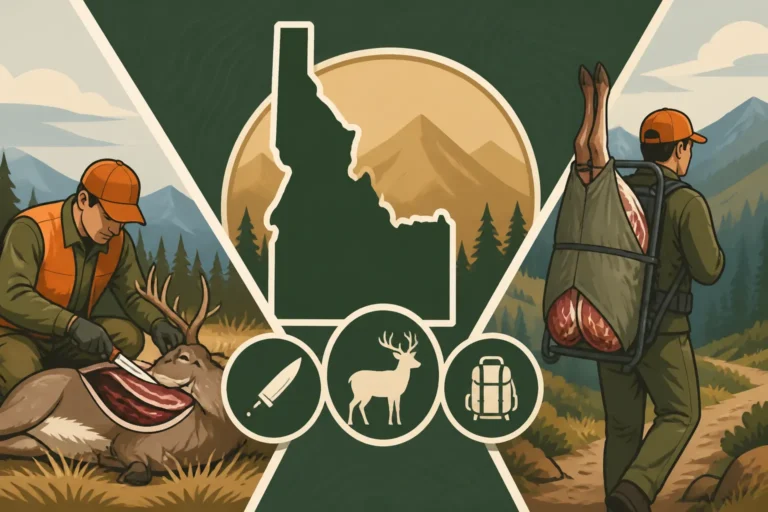
Consider a scenario where you've shot an elk on a warm September afternoon. You gut it quickly, but the sun is beating down, and you know you're hours from a vehicle. A "reasonable effort" in this situation would involve quartering the animal, getting the hide off, and hanging the meat in game bags in the shade to cool as rapidly as possible. If you only take the choicest cuts and leave large amounts of edible meat, even if it's "just" rib meat, you could be cited for waste. The conditions play a role, but the core expectation is that you maximize your salvage. For a deeper dive into the immediate post-harvest actions, you might want to read about the process of Field Dressing and Carcass Transport Rules Explained.
Field Dressing and Initial Care Requirements
Once your animal is down, especially in warmer conditions, time is of the essence. Prompt field dressing is not just good practice; it's often essential for salvaging edible meat. The goal is to get the internal organs out as quickly as possible to allow the carcass to cool down. Bacteria thrive in warm, moist environments, and a gut pile is a prime breeding ground. After field dressing, getting the hide off is the next critical step for larger animals like elk or moose. The hide acts like an insulator, trapping heat and accelerating spoilage.
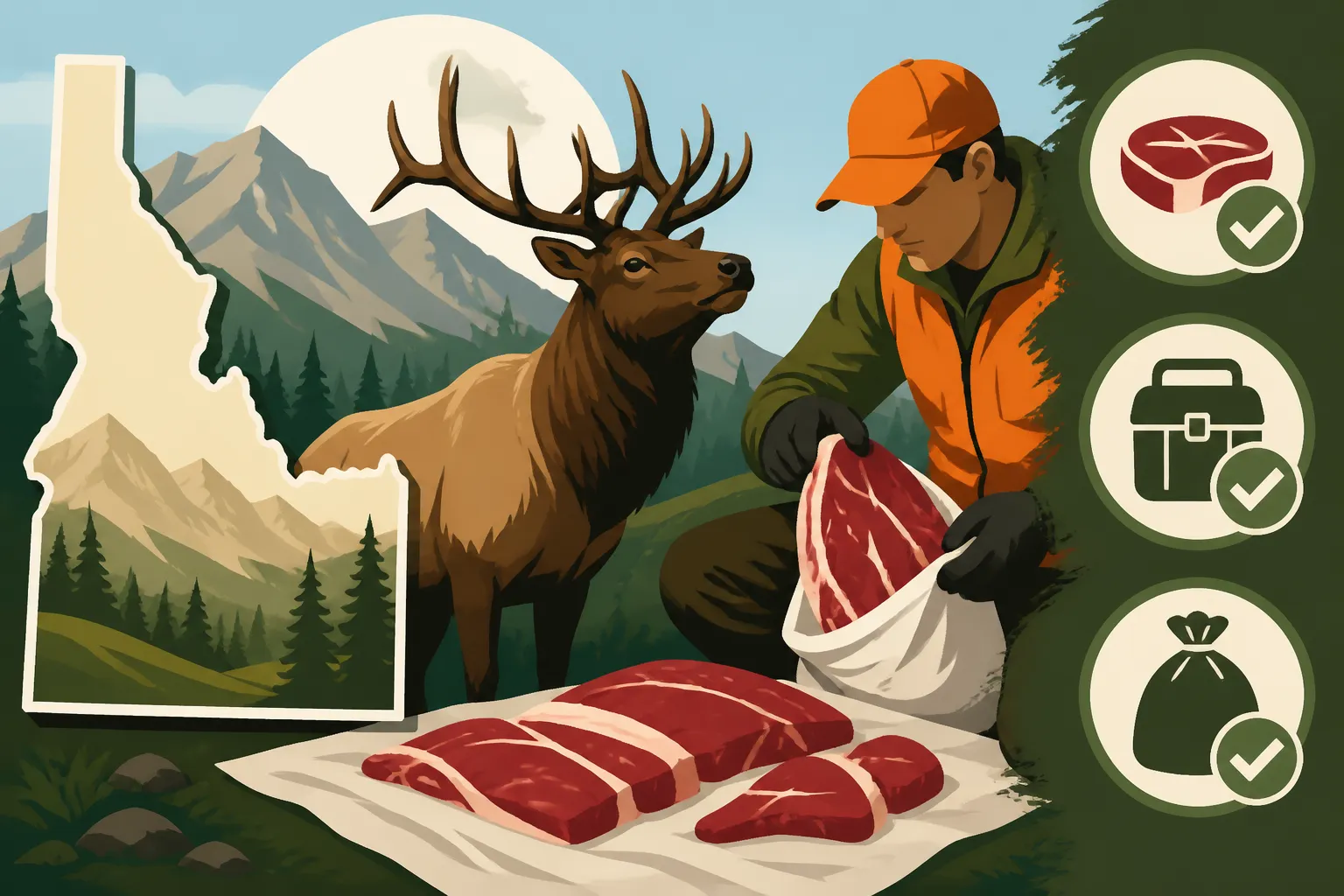
After skinning and quartering, the meat should immediately go into breathable game bags. These bags protect the meat from flies, dirt, and debris while allowing air circulation for cooling. Avoid plastic tarps or garbage bags directly on the meat, as these trap heat and moisture. In remote areas, hanging the game bags from trees overnight, especially where temperatures drop significantly, can make a huge difference. If you're using a resource like GoHunt for e-scouting, pay attention to potential shaded areas or north-facing slopes that might offer cooler conditions for an overnight hang. For detailed information on preparing your animal for the journey out, explore articles like Packing an Elk Out of Steep Country Alone.
The Transport Challenge: Getting It Out Clean
Transporting your harvested game from the field back to your vehicle or home is arguably the most physically demanding part of the entire hunt, and it's where many hunters face compliance challenges. The meat must be transported in a manner that protects it from spoilage and contamination. This means keeping it clean and as cool as possible.
Backpacking frames are a hunter's best friend for getting quarters out of steep, rugged terrain. If you're fortunate enough to hunt areas where horses or ATVs are legal for retrieval, they can be invaluable, but always be mindful of Idaho's strict regulations regarding motorized travel. Remember, Idaho's Motorized Hunting Rule Keeps You on the Road, meaning you generally cannot drive off established roads to retrieve downed game. This rule is in place to protect wildlife habitat and prevent resource damage, and violating it can carry significant penalties on top of any waste violations.
Whether you're packing on your back or using a vehicle, ensure the meat is secured, elevated off the hot ground or vehicle bed if possible, and covered with a clean tarp or cloth to protect it from dust, exhaust, and direct sunlight. Many hunters use coolers filled with ice once they reach a vehicle, but the key is to ensure the meat is thoroughly cooled before being sealed in a cooler. Warm meat in a cooler will only spoil faster.
Penalties and Enforcement: What Happens When Rules Are Broken
Idaho takes meat waste seriously, and ignorance of the law is rarely an acceptable excuse. Understanding the potential consequences can help reinforce the importance of proper meat salvage.
Consequences of Meat Waste Violations
Failing to salvage the edible portions of a big game animal in Idaho can lead to a range of severe penalties. These aren't minor slaps on the wrist. You could be facing significant fines, which can easily run into hundreds or even thousands of dollars. Beyond monetary penalties, a conviction for waste of game meat can result in the suspension or revocation of your hunting, fishing, and trapping licenses for a period of time, often for several years. In egregious cases, especially involving multiple animals or particularly wanton waste, it can even lead to jail time.
Furthermore, a conviction in Idaho for a wildlife violation can impact your hunting privileges in other states that are part of the Interstate Wildlife Violator Compact. This means that if you lose your hunting rights in Idaho, you could automatically lose them in dozens of other states as well. The system is designed to deter unethical behavior and ensure accountability. It’s a sobering thought, but one that underscores the necessity of making every reasonable effort to retrieve and care for your harvest.
Reporting Violations and Warden Discretion
Idaho Fish and Game wardens are the frontline enforcers of these laws. They are highly trained and often have an incredible amount of local knowledge and experience. When they investigate a potential waste violation, they consider the full context of the situation. Was there a genuine, unavoidable accident that led to the loss of meat (e.g., meat spoiled due to an unforeseen warm spell in a remote area despite best efforts, or an animal fell into an unrecoverable gorge)? Or was it a clear case of laziness or disregard for the resource? This is where "warden discretion" comes into play. They understand the challenges of backcountry hunting.
However, if you encounter evidence of game meat waste, Idaho encourages its citizens to report it. The Idaho Citizens Against Poaching (CAP) hotline is a vital tool for wildlife law enforcement. When you call the CAP line, you provide information that helps wardens investigate and hold offenders accountable, helping to protect Idaho's wildlife resources for all. This includes reporting any instances where someone has clearly not made a reasonable effort to salvage their meat.
Responsible Hunting Beyond the Kill: Maximizing Your Harvest
True ethical hunting extends far beyond pulling the trigger. It involves thoughtful preparation and execution that ensures the best possible outcome for the animal and the meat.
Planning for Success: Before the Shot
The effort to salvage meat really begins long before the animal is ever downed. Careful planning can significantly ease the retrieval process and minimize the chances of meat spoilage or waste. First and foremost, aim for ethical, clean shot placement. A well-placed shot often means a quick, humane kill and less damaged meat, which in turn makes field dressing and salvage easier. Choosing the right weapon and caliber for the game you're pursuing and the terrain you're in is also key. For example, if you’re heading into dense timber, understanding Choosing a Rifle for Idaho's Timber and Breaks or even What Counts as a Short-Range Weapon in Idaho will help you prepare.
Furthermore, scouting your hunting area isn't just about finding game; it's about understanding the terrain and potential retrieval routes. If you drop an elk in a steep, remote canyon, do you have a feasible way to get the meat out? Are there accessible trails, or will it be a brutal bushwhack? Using tools like the Idaho Hunt Planner can help you visualize the topography, locate access points, and even identify areas with good public land percentages. Consider the weather forecast – a warm front can turn a multi-day pack out into a race against spoilage. Having a solid plan for recovery is just as important as the plan for the stalk.
Essential Gear for Meat Care
Having the right gear makes a world of difference in the field. Don't skimp on these critical items:
- Sharp Knives: At least two, with a sharpener. Dull knives make every step harder and less safe.
- Game Bags: Absolutely essential. Invest in good quality, breathable game bags specifically designed for big game. Brands like Caribou Gear or Argali offer excellent options. These protect meat from flies, dirt, and facilitate cooling.
- Plastic Tarp or Ground Cloth: While not for direct meat contact, a small tarp keeps the meat clean when placed on the ground during quartering or resting.
- Latex Gloves: For hygiene and protection during field dressing.
- Paracord or Rope: To hang meat in trees for cooling, especially overnight.
- Small First Aid Kit: Accidents happen, especially with sharp knives.
- Headlamp: Always have one, even for daytime hunts. You never know when a retrieval might run into the night.
- Backpack Frame: If you anticipate packing out quarters, a sturdy frame pack is non-negotiable.
Consulting resources like GoHunt can help you find gear recommendations specific to Idaho’s backcountry conditions, ensuring you’re well-equipped for whatever your hunt throws at you. For more insights into specialized hunting equipment, you might check out Arrow Weight That Gets Through an Elk or The Effective Range of a Muzzleloader on Elk.
Donating Game Meat After an Idaho Hunt
Sometimes, hunters are incredibly successful, or circumstances change, and they find themselves with more meat than they can reasonably consume, or perhaps they harvested an animal for which they have less personal use for the meat. Idaho understands this and offers programs that allow hunters to donate game meat to those in need. Organizations like Idaho Hunters Feeding the Hungry often partner with local processors to accept donated game, which is then distributed to food banks and charitable organizations.
This is an excellent way to ensure that every edible portion of your harvest is utilized and that the spirit of giving is upheld. Instead of risking waste, which could lead to legal issues, you can contribute to a good cause. It's a testament to the hunting community's commitment to conservation and supporting their local communities. If you're considering this, look up Donating Game Meat After an Idaho Hunt for detailed information on how to participate in these programs and connect with approved processors.
Here's a quick reference table outlining the primary meat salvage requirements for big game in Idaho:
| Requirement | Description | Key Considerations |
|---|---|---|
| All Edible Portions | Must retrieve all meat suitable for human consumption. | Includes quarters, backstraps, tenderloins. Rib & neck meat based on condition/effort. |
| Species Covered | Deer, Elk, Moose, Bighorn Sheep, Mountain Goat, Black Bear, Pronghorn. | Applies uniformly across all big game. |
| "Reasonable Effort" | Actions taken to prevent spoilage and ensure retrieval (e.g., field dressing, cooling, quartering, protecting from contamination). | Context-dependent (weather, terrain), but core components are always expected. |
| Carcass Care | Prompt field dressing, skinning, cooling, protection from elements (flies, dirt, heat). | Use game bags, hang meat in shade, avoid direct ground contact. |
| Transportation | Must be transported in a manner that protects it from spoilage and contamination, keeping it clean and cool. | Use pack frames, secure in vehicles, protect with tarps/coolers. |
| Penalties | Fines, license revocation/suspension, potential jail time, interstate compact implications. | Avoidable with proper planning and effort. |
| Donation Options | Programs available to donate excess or unwanted game meat to charitable organizations. | Ensures full utilization and contributes to community. |
Disclaimer
The information provided in this guide is for general informational purposes only and is not intended as legal advice. Hunting regulations in Idaho can change, and interpretations of laws can vary. Always consult the official Idaho Fish and Game hunting regulations, applicable statutes, and potentially legal counsel for the most accurate and up-to-date information regarding meat salvage requirements and all other hunting laws. The responsibility for understanding and complying with all regulations rests solely with the hunter.