How to Get an Idaho Falconry Permit
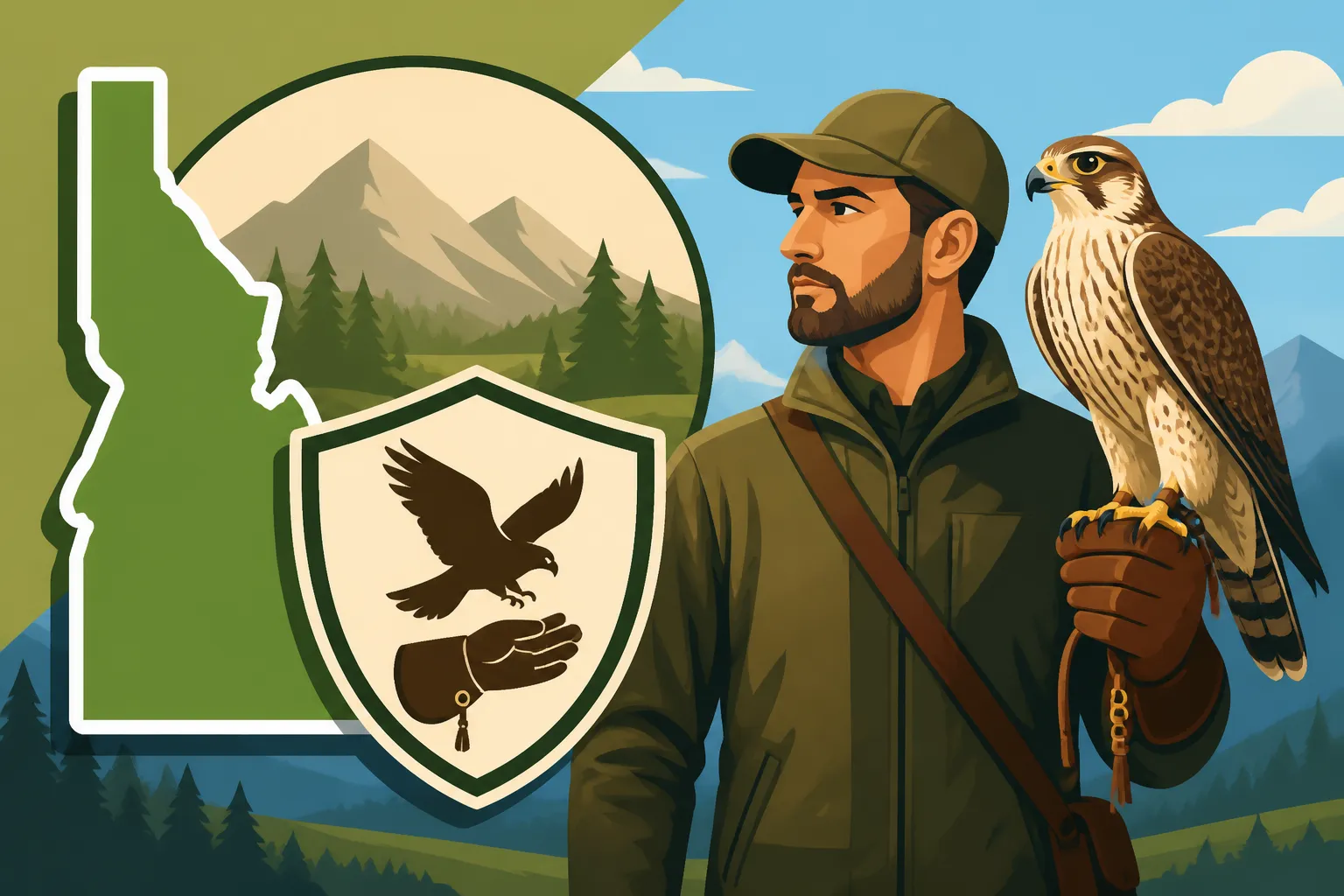
Look, the idea of becoming a falconer, of hunting alongside one of nature’s most incredible predators, is captivating. But let’s be honest, the path to actually getting an Idaho falconry permit can feel less like a majestic flight and more like slogging through a dense, thorny thicket of regulations. It’s overwhelming, confusing, and often leaves aspiring falconers wondering where on earth to even begin. This guide is here to untangle that knot, breaking down every single step, from understanding the core requirements to navigating the application process for an Idaho falconry permit, making it clear, manageable, and a whole lot less daunting.
Understanding the Fundamentals of Idaho Falconry Permits
Becoming a falconer isn't just about owning a cool bird; it's a profound commitment, a deep dive into wildlife management, and a significant personal investment. Idaho, like all states, operates under federal guidelines established by the U.S. Fish and Wildlife Service (USFWS), which means the rules are comprehensive for good reason. They're designed to protect both the raptors and the tradition of falconry itself, ensuring that only dedicated, knowledgeable individuals undertake this incredible practice.
Why a Falconry Permit is More Than Just a License
You might be thinking, "It's just another hunting license, right?" Oh, if only it were that simple. A falconry permit is a testament to your understanding of intricate wildlife biology, raptor husbandry, conservation ethics, and a detailed grasp of both federal and state regulations. It’s a privilege, not a right, earned through rigorous study and demonstrated capability. The Idaho Department of Fish and Game (IDFG) works hand-in-hand with the USFWS to uphold these high standards. They're not just checking a box; they're ensuring the well-being of the birds and the integrity of the sport.
Many aspiring falconers get frustrated early on when they realize the sheer volume of information they need to absorb. It feels like preparing for a college-level exam just to get started, and in many ways, it is. You're not just learning how to hunt; you're learning to care for a wild animal, understand its every nuance, and essentially become its partner in the field. This level of commitment means that the permit process has to be thorough, acting as a crucial filter to ensure only the most dedicated individuals move forward.
This process reflects a long history of conservation. Falconry is one of the oldest hunting methods, and its practitioners have been vital in raptor conservation efforts globally. So, when you're looking at those thick regulation binders, remember you're not just applying for a permit; you're stepping into a tradition that carries significant responsibility for the species you hope to work with. It's an undertaking that demands respect, patience, and a genuine passion for raptors.
Different Classes of Falconry Permits: Apprentice, General, and Master
Idaho, following federal guidelines, categorizes falconry permits into three distinct classes: Apprentice, General, and Master. Each class has specific requirements, privileges, and limitations, designed to ensure a gradual progression of experience and responsibility. You don't just jump into the deep end; you climb a ladder, gaining knowledge and skill with each rung.
The Apprentice Class is where everyone starts, regardless of prior experience with other hunting methods. To even apply as an apprentice, you generally need to be at least 12 years old, although in Idaho, you might find some age-related nuances, especially if you're under 18. The most significant requirement for an apprentice is finding a sponsor – a General or Master Falconer who commits to mentoring you for at least two years. You're limited to possessing one raptor, typically a Red-tailed Hawk or an American Kestrel, which are considered more suitable for beginners due to their adaptability and relative ease of training. These first two years are all about learning the ropes, understanding the daily care, training techniques, and legalities under the direct guidance of your sponsor. It’s a hands-on education that formal training can’t fully replicate.
Once you’ve successfully completed your apprenticeship, you can apply for the General Class. This typically requires at least two years of active falconry experience as an apprentice, including at least two periods in which you were actively hunting with a raptor. General falconers have more flexibility; they can possess up to two raptors at a time and are allowed to hunt with a wider variety of species, though still with restrictions. This stage is about solidifying your independent skills, taking full responsibility for multiple birds, and honing your hunting techniques. You're still learning, of course, but now with a proven foundation and a broader scope of practice. Many falconers happily spend their entire lives in the General Class, finding it offers all the challenge and reward they desire.
Finally, at the pinnacle is the Master Class. Achieving this status is no small feat. It requires at least five years of active falconry experience in the General Class. Master falconers can possess up to three raptors at a time and have the most expansive list of species they can legally acquire, including some of the more challenging and rare birds. This class signifies a lifetime of dedication, expertise, and a deep understanding of falconry in all its forms. Master falconers are often the ones who act as sponsors for new apprentices, passing on their invaluable knowledge to the next generation, embodying the continuous cycle of learning and mentorship inherent in the sport.
Navigating the Application and Examination Process
Once you’ve wrapped your head around the commitment and the tiered permit structure, it's time to tackle the actual application. This isn’t a quick online form; it involves a comprehensive written exam, securing a mentor, and setting up facilities that meet stringent federal and state standards. It’s a process designed to test your resolve and ensure you're truly prepared for the responsibilities ahead.
The Written Examination: What to Expect and How to Prepare
The falconry written examination in Idaho is not to be taken lightly. It's designed to assess a broad range of knowledge crucial for responsible falconry. This isn't just a basic quiz; it delves deep into raptor biology, identification, natural history, ecology, diseases, husbandry, physiology, training, and the intricate details of both federal and Idaho-specific falconry regulations. You’ll be tested on everything from proper weight management for a Red-tailed Hawk to identifying various species in flight, and from understanding the legalities of baiting (which is generally prohibited for raptor training) to knowing the signs of common raptor illnesses.
Aspiring falconers often find this exam to be a significant hurdle, and rightly so. You can't just cram the night before. This requires months of dedicated study. Start by thoroughly reviewing the USFWS falconry regulations (50 CFR Part 21) as these form the backbone of all state laws. Then, dive into Idaho's specific falconry regulations, often found on the Idaho Fish and Game website. These state rules will complement and sometimes add specifics to the federal framework. Beyond regulations, invest in quality falconry books. "The Falconer's Apprentice" by William Oakes and "North American Falconry and Hunting Hawks" by Frank and John Craighead are often cited as essential reading. You might also look into resources provided by organizations like the North American Falconers Association (NAFA) or local Idaho falconry clubs. Platforms like GoHunt, while primarily focused on big game, often feature articles or forums where experienced hunters discuss navigating complex regulations, which can offer a helpful mindset for approaching falconry laws.
Consider this exam your first real test of dedication. It’s not just about passing; it’s about building a foundational knowledge base that will serve you and your future bird for years to come. Many experienced falconers will tell you that the learning never truly stops, but this initial exam ensures you have a solid starting point. Don't underestimate the necessity of knowing the specific nuances of Idaho’s hunting rules, as these will govern where and how you can actually hunt with your raptor. You might consider reviewing sections on topics like Idaho Upland Bird Season Opening Dates or even reading up on general aspects of "Idaho Hunter Education" to ensure a well-rounded understanding of hunting ethics and regulations in the state.
Finding a Sponsor and Setting Up Your Facilities
For an Apprentice Falconer, securing a sponsor is often the most challenging, yet most critical, step. A sponsor isn't just a name on a form; they are your teacher, your guide, your lifeline for the first two years (and often beyond). They are responsible for ensuring you learn proper raptor care, training, and hunting techniques, and that your facilities meet all legal standards. Finding one requires networking, persistence, and often attending local falconry club meetings or events. Reach out to the Idaho Department of Fish and Game for a list of active falconers, or search online for Idaho falconry associations. It can take time, but the right sponsor is invaluable.
Once you have a potential sponsor, you'll need to prepare your raptor housing, which is subject to a mandatory inspection by the IDFG. This is not a casual look-over; it's a thorough check to ensure the safety and well-being of the raptor. Your primary housing facility, called a mews, must be a secure, permanent structure providing shelter from the elements, ample space for the bird to stretch its wings and turn around comfortably, and protection from predators and unauthorized access. Specific requirements include adequate ventilation, smooth interior surfaces to prevent feather damage, appropriate perches (often made of natural wood or astroturf-covered material), and a clean water source for drinking and bathing. A minimum size is usually stipulated, often around 8x8x8 feet, but bigger is always better.
In addition to the mews, you’ll need a weathering area. This is an outdoor enclosure where your bird can sit in fresh air and sunlight. It must also be secure from predators (think overhead netting and sturdy fencing), escapement, and harassment. This area should also include a secure perch and access to water. Beyond the structures, you'll need a full complement of equipment: accurate weighing scales (crucial for diet management), high-quality leather jesses and leashes, multiple types of perches, a cadge for transport, and ideally, telemetry equipment for tracking your bird in the field. GoHunt's detailed mapping layers, while not directly falconry equipment, could be a useful digital tool for identifying safe, open spaces for a weathering yard or future hunting grounds. Overlooking details like proper drainage in the mews or a gap in the weathering area netting are common mistakes that can delay your permit, so meticulous planning is key.
The Inspection: What the Fish and Game Department Looks For
After you've found your sponsor and meticulously set up your mews and weathering area, the next significant step is the facility inspection. This is where an Idaho Fish and Game representative (often a conservation officer or a designated biologist) will visit your proposed raptor housing and equipment. They're not there to make friends; they're there to ensure that every single federal and state requirement is met, with the raptor's safety and welfare as the paramount concern.
During the inspection, they'll meticulously examine your mews. Is it secure? Can a raccoon or a stray dog get in? Are the internal surfaces smooth enough to prevent feather damage? Is there adequate ventilation to prevent respiratory issues? Are the perches appropriate for the species you intend to house, offering good foot health and comfort? They will check the size to ensure the bird has enough room to fully extend its wings without touching the sides. They’ll also look for signs of excessive dampness or uncleanliness, as hygiene is vital for preventing disease.
Next, they’ll move to your weathering area. Is the fencing robust? Is there predator-proof netting over the top? Is the perch stable and safe? They’ll assess the overall security of both enclosures to ensure there's no way your bird could escape or be harmed by predators. They'll also inspect your essential equipment: your jesses, leashes, anklets, weighing scales, and telemetry equipment (if you have it). They want to see that you have quality, well-maintained gear that demonstrates your readiness and commitment. They may even ask questions about how you intend to use specific pieces of equipment, assessing your practical knowledge. This is not just a regulatory hurdle; it's a critical safety check that can determine whether you proceed to the next stage of getting your permit. Being thoroughly prepared and knowledgeable about your setup will go a long way in demonstrating your readiness.
Obtaining and Managing Your Raptor
Once you've cleared the exams and your facilities have passed inspection, you're finally ready for the moment you've been dreaming of: acquiring your first bird. This is where the real journey begins, transitioning from theoretical knowledge to the daily realities of caring for and hunting with a magnificent raptor.
Acquiring Your First Apprentice Bird
As an Apprentice Falconer in Idaho, your choices for your first raptor are specifically limited to either a Red-tailed Hawk or an American Kestrel. These species are chosen because they are relatively common, adaptable, and forgiving, making them ideal for new falconers to learn the ropes. Your sponsor will play a crucial role in advising you on the best way to acquire your bird. Traditionally, most apprentice falconers trap their first bird from the wild. This experience is incredibly educational, teaching you about raptor behavior, habitat, and the effort involved in working with a wild creature.
To trap a wild bird, you'll need specific trapping permits from the IDFG, in addition to your falconry permit. There are strict rules about the types of traps you can use, the locations, and the handling of the bird once caught. It’s essential to follow these guidelines precisely to ensure the bird's safety and your legal compliance. Once trapped, the bird must be fitted with a federal band, and the acquisition must be reported to the IDFG within a specified timeframe. While it is possible to obtain a captive-bred bird, it’s less common for apprentices and usually involves navigating a different set of regulations regarding breeders and transfers. The act of trapping is a profound bonding experience and a crucial step in understanding the wild nature of your future hunting partner. It truly highlights the ethical considerations of working with wild animals and the conservation responsibilities inherent in falconry.
The Lifelong Commitment of Falconry
Taking on a raptor is not a casual hobby; it's a profound, lifelong commitment. This isn't like owning a dog you can leave with a friend for a weekend. A raptor requires daily, dedicated care, 365 days a year, regardless of whether you’re actively hunting. Their health, diet, and mental well-being are entirely dependent on you. Every single day involves meticulous weighing, assessing their condition, and ensuring their mews and weathering area are spotless. You must understand how to prepare their food (typically whole, raw prey items like quail, chicks, or mice), manage their weight to ensure they are keen to hunt but not starving, and observe them constantly for any signs of illness or stress.
Training, even for an already "trained" bird, is an ongoing process of reinforcement and conditioning. You’ll spend countless hours flying your bird, building its stamina, and strengthening the critical bond of trust. Veterinary care for raptors is highly specialized and can be expensive, so having a plan for emergency care is crucial. This demanding schedule can be a shock for new falconers, but it’s what builds the unique partnership between human and bird. It's an intense investment of time and emotion, far beyond what most people realize when they first consider falconry. Keeping up with regulations, especially hunting seasons for potential quarry, can also be a part-time job, and platforms like GoHunt can be invaluable for tracking season dates and even scouting potential hunting grounds to ensure you and your bird have ample opportunity in the field.
Annual Reporting and Maintaining Your Permit
Just because you have your bird doesn't mean the paperwork ends. Maintaining your Idaho falconry permit, like many other specialized hunting licenses, involves ongoing administrative responsibilities. Each year, you are required to submit an annual report to the Idaho Department of Fish and Game and the USFWS. This report details information about your raptor, including its species, age, band number, and any changes in status (e.g., if you transferred a bird, it escaped, or passed away). Accurate record-keeping throughout the year is essential to ensure these reports are correct and submitted on time.
Beyond annual reporting, your permit itself has a renewal cycle, often every few years, which requires you to demonstrate continued compliance with regulations and, for Apprentice and General Class falconers, active participation in the sport to qualify for advancement. Missing deadlines or failing to report changes can jeopardize your permit. The IDFG takes these administrative tasks seriously as they are vital for tracking raptor populations, ensuring legal ownership, and maintaining proper oversight of the falconry community. It's a continuous cycle of responsibility that underlines the seriousness of the commitment you’ve made.
Hunting with a Raptor in Idaho
Now for the exciting part—the reason you went through all that effort! Hunting with a raptor is an experience unlike any other. It’s a primal dance, a partnership forged in the pursuit of wild game, and it demands an intimate understanding of both your bird and the specific hunting regulations unique to falconry in Idaho.
Understanding Falconry Seasons and Bag Limits
One of the unique aspects of hunting with a raptor in Idaho is that falconry seasons often operate on a different schedule than traditional firearm or archery seasons. While a general deer season might open in October, falconry seasons for certain quarry species could extend much earlier or later, sometimes running into late winter or early spring. This extended timeframe often provides falconers with opportunities when other hunting methods are closed. However, these seasons are also highly specific and regulated.
For example, while you might be looking at an Idaho Upland Bird Season Opening Dates for pheasants that aligns with rifle hunting, the falconry season for those same birds could be longer. Each quarry species (e.g., pheasants, quail, rabbits, ducks, crows) will have its own designated falconry season dates and bag limits. It's absolutely critical to consult the most current Idaho hunting regulations specifically for falconry, as these can change year to year. You'll need to know which species are legal to take with a raptor, the daily and possession limits, and any specific unit restrictions. The ethics of "fair chase" are particularly pronounced in falconry, where the raptor's natural hunting ability is pitted against the quarry’s evasion skills. This means careful consideration of weather conditions, habitat, and the condition of both your bird and the wild game.
Ethical Considerations and Public Perception
As a falconer, you are a direct representative of a very old and respected tradition, and how you conduct yourself has a significant impact on public perception. This responsibility extends beyond just following the rules; it's about being an ambassador for falconry. Imagine you're out flying your Red-tailed Hawk for Chukar, Grouse and Idaho's Upland Country, and you encounter hikers or dog walkers. These interactions require courtesy, patience, and a willingness to educate. Many people have never seen a raptor being flown and may be curious, or even apprehensive. Explaining what you're doing, and ensuring your bird and the public remain safe, is paramount.
Responsible behavior also means being incredibly mindful of your bird's safety and the quarry's welfare. This includes not flying your bird in areas with heavy predator pressure (like areas known for abundant coyotes or even eagles), avoiding dangerous situations like busy roads, and knowing when to call it a day if conditions aren't right. It also means recognizing the limits of your bird and yourself, and never pushing your raptor beyond its capabilities. Your commitment to safety and ethics ensures the long-term viability of falconry and protects the reputation of fellow falconers. Keeping abreast of general hunting regulations using resources like The Idaho Hunt Planner Is the Tool to Start With, can help you not only plan your falconry hunts but also demonstrate a well-rounded understanding of all Idaho's wildlife management efforts.
| Falconry Permit Class | Minimum Age | Sponsor Required | Number of Raptors | Allowed Species Examples | Minimum Experience |
|---|---|---|---|---|---|
| Apprentice | 12-18* | Yes | 1 | Red-tailed Hawk, American Kestrel | None (initial) |
| General | 18 | No | 2 | Broader list including Goshawk, Peregrine Falcon | 2 years as Apprentice |
| Master | 18 | No | 3 | Most species, including rare or imported | 5 years as General |
| *Age requirements for minors may include additional parental consent or supervision. |
Disclaimer
Please remember that hunting regulations, permit requirements, and fees are subject to change. Always consult the most current Idaho Department of Fish and Game regulations and federal guidelines before applying for any permit or engaging in falconry activities. This guide is for informational purposes only and does not constitute legal advice.