Flying Into Lewiston for a Hunt
Flying into an unfamiliar airport, especially when you're geared up for an Idaho hunting adventure, can feel like navigating a maze before you even set foot in the field. The logistics of flying with hunting gear, securing transportation to a remote trailhead, and making sure all your ducks (or rather, elk) are in a row can add a layer of stress that nobody needs. This comprehensive guide is here to walk you through everything you need to know about making Lewiston, Idaho, your strategic entry point for an incredible hunting trip, ensuring your arrival is as smooth as possible.
Why Lewiston? Understanding its Strategic Location for Hunters
Lewiston, Idaho, isn't just another dot on the map; for many hunters, it's a critical gateway to some of the most rugged and rewarding hunting grounds in the state. Its unique position, nestled at the confluence of the Snake and Clearwater Rivers, offers a blend of accessibility and proximity to vast public lands that other major Idaho airports just can't match. You might be flying in from across the country, tired and ready to get boots on the ground, and Lewiston provides that essential staging area without the overwhelming sprawl of a larger metropolitan hub.
Geographical Advantages and Access Points
The Lewiston-Nez Perce County Regional Airport (LWS) acts as a crucial hub because of its direct access to north-central Idaho's sprawling wilderness. Think about it: you land, grab your gear, and within a relatively short drive, you can be deep in country that feels a million miles from anywhere. This isn't like flying into Boise and then having a six-hour drive ahead of you just to reach your starting point in some of the more remote areas. From Lewiston, you're looking at much shorter drives to the canyons of the Snake River, the dense timber of the Clearwater National Forest, or the rolling hills leading into prime elk and deer habitat. The elevation changes quickly too, moving from river breaks to steep mountainsides, offering diverse hunting opportunities almost right out of the gate. For instance, Getting Into the Clearwater Country is significantly streamlined by flying into LWS.
Connecting to Key Hunting Zones
Lewiston serves as a vital connection point to numerous game management units (GMUs) and hunting zones. Its location places it squarely in the middle of some of Idaho's most renowned elk and deer country. If you're targeting the vast public lands that make up much of the Clearwater or Nez Perce National Forests, Lewiston is your natural starting line. These zones offer incredible opportunities for species like elk, mule deer, and even black bear. For those planning a backcountry adventure, many outfitters who specialize in remote hunts in these areas operate directly out of the Lewiston region, offering services ranging from fully guided trips to simple drop camps. This proximity means less time driving and more time hunting, which, let's be honest, is what every hunter truly wants. When you're trying to decide where to hunt, taking a look at resources like The Idaho Hunt Planner Is the Tool to Start With can show you just how many prime units are within easy striking distance of LWS.
Navigating Lewiston-Nez Perce County Regional Airport (LWS): Your Arrival and Logistics
The Lewiston-Nez Perce County Regional Airport (LWS) might not be as large as some major international airports, but that's often a blessing for hunters. It's manageable, less crowded, and designed to get you in and out with minimal fuss. However, you still need a solid plan for what happens once you land, especially with bulky hunting equipment in tow.
Rental Cars, Shuttles, and Gear Transport
Upon arrival at LWS, your first logistical hurdle will be ground transportation. Unlike larger airports with endless options, LWS will have a more focused selection. Major rental car agencies usually have desks right at the airport, which is often the most flexible choice for hunters planning a DIY trip. Having your own vehicle allows you to haul your gear, make last-minute supply runs, and access trailheads independently. You'll want to book your rental well in advance, especially during peak hunting seasons, as availability can tighten up.
| Transportation Option | Pros | Cons | Ideal For |
|---|---|---|---|
| Rental Car | Flexibility, gear hauling, independent travel | Can be expensive, limited availability for larger SUVs | DIY hunters, small groups, those needing frequent stops |
| Outfitter Pick-up | Hassle-free, direct to camp/staging area | Dependent on outfitter schedule, often an added cost | Guided hunts, drop camps, larger groups with specific needs |
| Taxi/Rideshare | Convenient for short distances to town | Not ideal for remote trailheads or large gear volume | Getting to a hotel in Lewiston, local errands |
If you're using an outfitter, confirm their pick-up arrangements well ahead of time. Many will offer to meet you directly at the airport, which can be a huge relief, especially if you've got multiple oversized bags for your rifle or bow. This saves you the headache of trying to cram a rifle case and a giant duffel into a compact rental car. However, always clarify if there's an additional fee for this service. You might be surprised at how much easier your trip becomes when your outfitter handles that initial leg from the tarmac to their staging area, particularly if you're venturing into areas like Hunting the Lolo Zone Backcountry which can be quite a drive.
For those bringing firearms, remember to follow all TSA regulations for checked firearms and ammunition. Keep your gun unloaded and locked in a hard-sided case, and declare it to the airline at check-in. This is non-negotiable and something you absolutely do not want to overlook.
Local Amenities and Pre-Hunt Preparations
Lewiston itself offers all the amenities you'll need for those crucial pre-hunt preparations. Before heading into the wilderness, you can stock up on last-minute groceries, fuel, and any forgotten gear. There are several sporting goods stores in the area where you can grab licenses, tags, and perhaps even some local advice on conditions. It’s a good idea to perform a quick check of the forecast and any current fire restrictions or road closures.
One common frustration for hunters flying in is realizing they forgot a small but critical item. Maybe it's a specific type of broadhead, a particular kind of fuel for their stove, or even just extra batteries for their headlamp. Having access to these stores in Lewiston means you can mitigate those last-minute hiccups before you hit the dirt roads. For anyone serious about scouting and planning, utilizing resources like GoHunt can help you assess units before you even step foot in the state, making your quick stop in Lewiston even more efficient for final checks.
Planning Your Hunt Around a Lewiston Arrival
Arriving in Lewiston is just the first step; the real planning begins with how you leverage that arrival point to maximize your time in the field. Whether you're hiring an outfitter or going it alone, understanding the local context will set you up for success.
Outfitter Rendezvous and Drop Camps
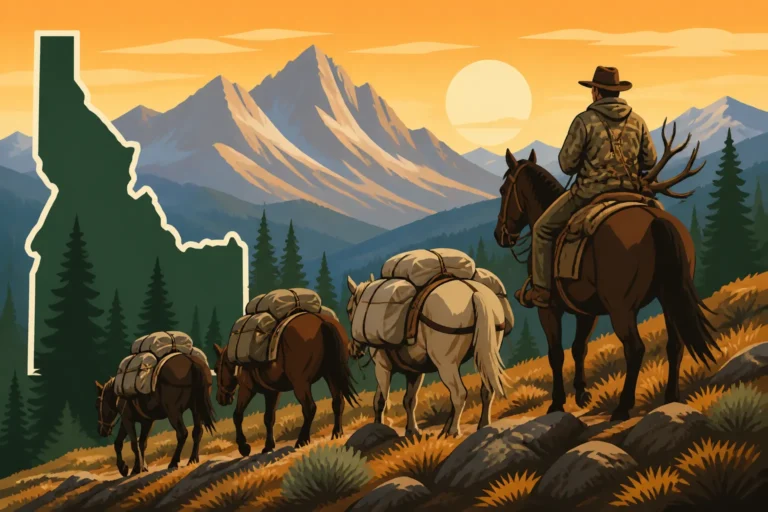
Many reputable Idaho outfitters base their operations in or around the Lewiston area, capitalizing on its convenient airport access and proximity to prime hunting grounds. If you've booked a guided hunt or a drop camp, coordinating your arrival with your outfitter is paramount. They might have a specific meeting point in town, or as mentioned, offer airport pick-up. This is where clarity is key. Confirm exactly what services they provide from the moment you land, what gear you're responsible for, and any items they'll supply at camp. For instance, questions about What an Idaho Drop Camp Costs should also include clarification on how you get to the drop-off point.
Outfitters who run trips into designated wilderness areas, especially for species like elk, are critical for nonresidents. Remember that Idaho Forces Nonresidents to Hire a Guide for Wilderness Elk in certain areas, and many of these wilderness access points are within striking distance of Lewiston. Your outfitter will handle the intricacies of How Outfitters Get a Forest Service Permit and get you into those remote locations. Having an outfitter take care of the heavy lifting for transportation, camp setup, and even guiding you directly from Lewiston frees you up to focus on the hunt itself.
DIY Hunt Staging and Gear Procurement
For the intrepid DIY hunter, Lewiston becomes your last real bastion of civilization before heading into the wild. This is your chance to finalize your provisions, organize your pack, and make any critical gear adjustments. You'll likely be heading to public lands, so knowing how to interpret maps and unit boundaries is essential. When you land, you might have a long drive ahead to a specific trailhead, so filling up all your fuel cans, stocking up on water, and grabbing those last-minute perishable items is crucial.
If you're flying with limited space, consider shipping some non-perishable food or bulk items ahead of time to a local post office or general store for pickup. This can save you baggage fees and the hassle of hauling multiple coolers or heavy boxes through the airport. Always call ahead to confirm the receiving location's policy and operating hours. Using detailed mapping tools like those offered by GoHunt can help you pinpoint those last-minute supply stops and confirm the lay of the land, whether you're looking at Checking Public Land Percentage by Idaho Unit or finding optimal routes to trailheads.
Understanding Local Regulations and Resources
Idaho's hunting regulations can be complex, and ensuring you're compliant is vital. Before you even leave home, thoroughly review the current year's regulations for your specific unit and species. While in Lewiston, you can stop by the local Idaho Fish and Game office or a licensed vendor to pick up a physical copy of the regulations, ask any last-minute questions, and purchase your license and tags if you haven't already. It's always a good idea to double-check that you have all the necessary validations for your chosen weapon, like a muzzleloader validation, if applicable.
Additionally, pay attention to local fire conditions, particularly during late summer and early fall. Forest closures due to fire danger can derail a hunt quickly. Check the U.S. Forest Service and Idaho Department of Lands websites for the latest updates. Lewiston's location near large rivers like the Snake and Clearwater also means access to some unique hunting opportunities, including jet boat access to remote areas. Jet Boat Drop-Offs on the Salmon River are common for accessing difficult-to-reach terrain, and Lewiston can be a gateway for coordinating such ventures. Always be aware of any restrictions on motorized vehicle use, as Idaho's Motorized Hunting Rule Runs August Into December in many areas.
Disclaimer
This article is for general informational purposes only and does not constitute professional advice. Laws, prices and regulations vary by location and change over time. Consult a qualified professional for guidance on your specific situation.