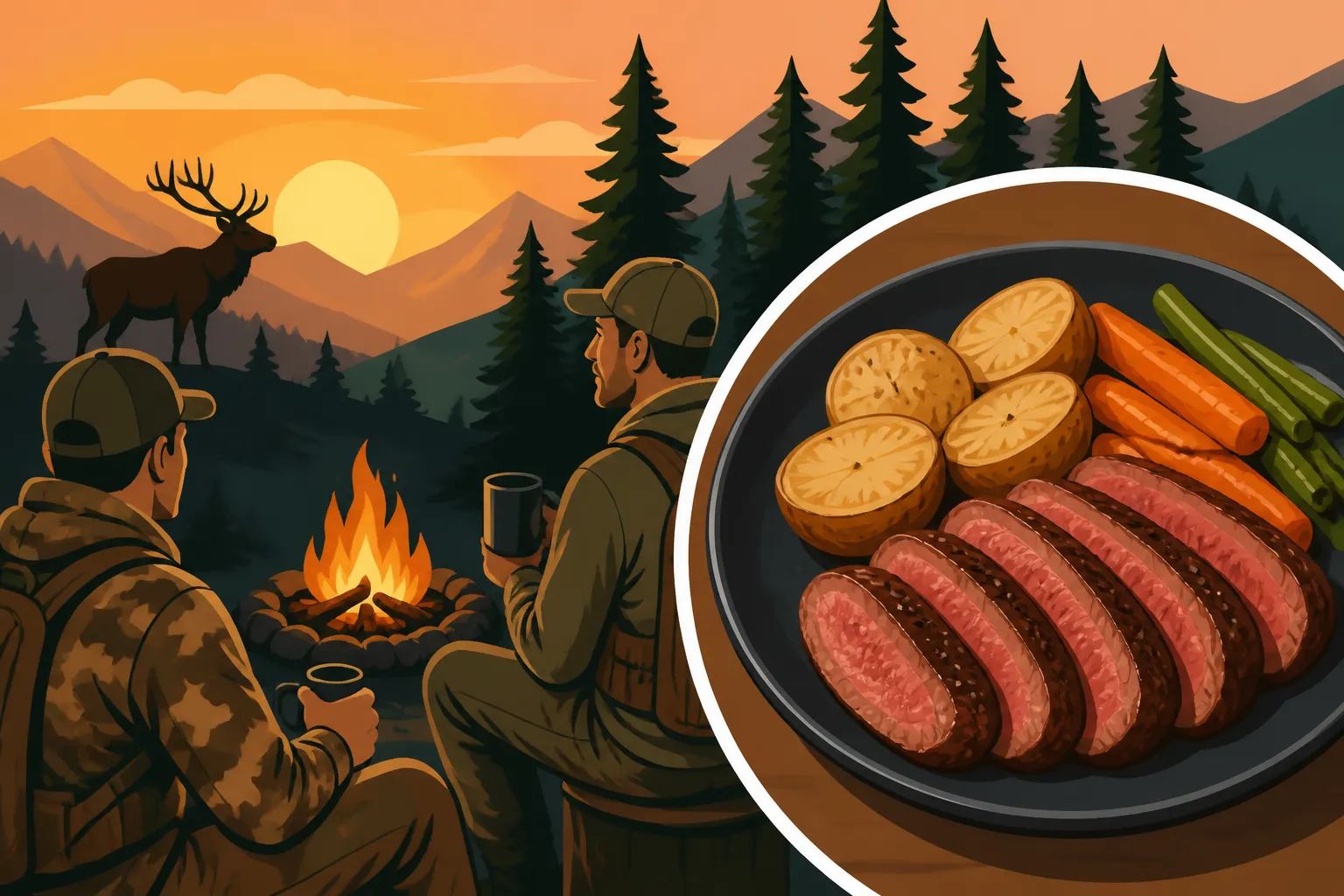
What Meals Look Like on a Guided Hunt
It’s a common worry for anyone planning an Idaho guided hunt: what are we actually going to eat out there? You’re investing a lot in this adventure, you'll be working hard in some demanding country, and nobody wants to feel underfed or miserable. This guide will walk you through the realistic expectations for meals on a guided hunt, from hearty breakfasts to fuel your mornings to satisfying dinners that replenish you after a long day chasing game across Idaho’s diverse landscapes.
Understanding Different Guided Hunt Meal Styles
When you book a guided hunt in Idaho, the "meal plan" isn't a one-size-fits-all deal. It truly depends on the style of hunt you've booked and the type of camp you'll be staying in. Understanding these differences upfront can save you a lot of surprises and help you mentally prepare for the culinary journey ahead.
Full-Service Lodge or Wall Tent Camp Meals
If your guided hunt includes a stay at a more permanent base camp, like a comfortable lodge or a well-established wall tent camp that can be driven into, you're often in for a real treat. These setups usually allow for more elaborate meal preparation because logistics are simpler. Imagine waking up to the smell of coffee brewing and bacon sizzling, perhaps even a dedicated cook rustling up pancakes, eggs, and sausage. These camps typically have propane stoves, refrigeration (or at least robust coolers), and easier access to fresh ingredients.
Lodge or wall tent camps mean a "three squares a day" approach where variety and quality are often high priorities. Lunches might still be packed for the field, but dinners can be quite substantial, featuring things like roast meat, pasta dishes, stews, and even fresh vegetables. The outfitter often prides themselves on providing delicious, home-style cooking to keep hunters happy and well-fueled. This is where you might find your expectations not just met, but exceeded, providing a genuine sense of comfort and recovery after a physically demanding day.
Backcountry Spike Camp Provisions
Now, if your hunt takes you deep into the Idaho backcountry, perhaps requiring a long hike, horseback ride, or even a bush plane flight to get there, your meal experience will shift significantly. This is the realm of the spike camp, where every ounce matters, and logistics dictate a more practical, high-calorie approach to food. Elegance definitely takes a backseat to efficiency here, but that doesn't mean the food isn't good or satisfying.
In a spike camp, meals focus on packable, durable, and calorically dense options. Think dehydrated meals, instant oatmeal, hard cheeses, jerky, and plenty of energy bars and trail mix. Your guide will often be the chef, preparing simple, one-pot meals over a small stove. While you won't get a gourmet steak dinner, you'll get something hot, comforting, and incredibly welcome after a long day of climbing mountains or navigating thick timber. The goal is to provide maximum energy with minimum fuss and weight. This is where you'll truly appreciate a warm bowl of chili or a hearty pasta dish that reconstitutes quickly. Sometimes, the simpler the meal, the more profound its impact when you're tired and hungry in a remote location.
A Day-in-the-Life of Guided Hunt Cuisine
Let's break down a typical hunting day and what you might expect to eat from sunup to sundown. It’s all about providing the sustained energy you need to succeed in the field, whether you're navigating the Frank Church River of No Return or glassing for mule deer across open sagebrush country.
Hearty Mornings to Fuel the Day
The morning meal on a guided hunt is crucial. You're often getting up before dawn, facing cold temperatures, and preparing for hours of strenuous activity. Outfitters know this, and breakfasts are almost universally designed to be hearty and energy-packed.
In a lodge or established wall tent camp, you might see a spread that includes:
- Scrambled eggs, often cooked to order or served buffet-style.
- Bacon or sausage, a staple for quick protein and fat.
- Pancakes, waffles, or French toast with syrup.
- Oatmeal or other hot cereals for sustained energy.
- Plenty of coffee, tea, and sometimes juice.
These breakfasts are often served family-style, giving you a chance to chat with your fellow hunters and guides before heading out. The key is to eat enough to keep you going for several hours, as lunch might not come until well into the day. For those hunts requiring significant physical exertion, a good breakfast sets the tone for your energy levels, so listen to your body and fuel up. Remember, you'll need all the energy you can get if you're putting in the Physical Conditioning for Idaho Backcountry needed for an Idaho hunt.
Trail Lunches Designed for the Field
Lunch on a guided hunt is almost always a packed affair, meant to be eaten quickly and efficiently in the field. There's usually no time to head back to camp for a sit-down meal, as you'll be focused on covering ground and spotting game.
Your trail lunch will typically be put together by the outfitter or guide in the morning and handed to you as you head out. Expect items that are:
- Portable: Easy to carry in a backpack without getting crushed.
- Non-perishable (or slow to perish): Able to withstand varying temperatures throughout the day.
- Easy to eat: No fancy utensils needed.
Common packed lunch items include:
- Sandwiches or wraps (turkey, ham, cheese are popular choices).
- Individual bags of chips or crackers.
- Fresh fruit (apples, oranges are durable choices) or dried fruit.
- Jerky or other protein snacks.
- Candy bars or cookies for a quick sugar boost.
- Water bottles or insulated thermoses of hot coffee/tea.
It's a good idea to bring a small, easily accessible pouch or pocket for your lunch and snacks so you don't have to constantly dig through your main pack. Sometimes, guides will even carry a thermos of hot soup or chili on colder days, which can be an absolute lifesaver. When packing your gear, considering how you'll keep your lunch accessible and protected is part of The Gear List Your Outfitter Will Send.
Satisfying Dinners After a Hard Day
After a long day of hunting, often covering miles of rugged Idaho terrain, dinner is the moment everyone looks forward to. This is where you can relax, share stories from the day, and truly refuel.
Dinner menus vary widely based on the camp style:
- Lodge/Wall Tent Camps: These often feature more elaborate, hearty meals. Think roast chicken or pork, beef stew, pasta dishes with meat sauce, chili, or even grilled steaks if the setup allows. Sides typically include mashed potatoes, rice, fresh or canned vegetables, and sometimes a dessert like brownies or pie. It’s about comfort food that hits the spot.
- Spike Camps: While simpler, spike camp dinners are still designed to be satisfying. Dehydrated backpacking meals are common, often supplemented with instant rice, pasta, or easy-to-cook components like sausage or block cheese. Hot water is key, and your guide will whip up something warm and filling like a hearty soup, pasta primavera, or a simple stir-fry.
The communal aspect of dinner is a significant part of the guided hunt experience. It’s a time for camaraderie, debriefing the day's hunts, and planning for tomorrow. If you have specific dietary restrictions, remember to communicate them clearly and well in advance during your initial discussions with the outfitter. This is one of the crucial Questions Worth Asking Before You Book. Most reputable outfitters are happy to accommodate, but they need proper notice.
Factors Influencing Your Guided Hunt Menu
The food you eat on your guided hunt isn't just about what tastes good; it's heavily influenced by the practical realities of operating in Idaho's vast and often remote wilderness. Logistics, outfitter choices, and your own needs all play a part.
Location and Logistics: Road-Accessible vs. Wilderness
The single biggest factor dictating your menu is how food gets to camp.
- Road-Accessible Camps: If your base camp is accessible by vehicle, outfitters can bring in a wider variety of fresh ingredients, including meats, produce, and dairy. This allows for more diverse and complex meals, as refrigeration and cooking equipment are less limited by weight and space.
- Wilderness Camps: When you're deep in a designated wilderness area like the Selway-Bitterroot or the Gospel-Hump, where motorized vehicles are prohibited, every item must be packed in. This means reliance on pack animals, like horses or mules, or even bush planes for resupply. For outfitters utilizing Pack String Outfitters Working in Idaho or Flying Into an Idaho Backcountry Strip to Hunt, weight and spoilage become paramount concerns. Food choices will lean heavily towards non-perishable, lightweight, and dehydrated options. Think instant coffee over brewed, powdered milk over fresh, and dried fruit instead of apples. It's a testament to good outfitting that even under these constraints, meals are still wholesome and delicious.
Outfitter Style and Budget
Just like hotels or restaurants, outfitters come in various styles and price points, and this naturally extends to the food service.
- High-End Outfitters: These operations might offer more gourmet experiences, sometimes even with professional chefs on staff. You could find prime cuts of meat, specialty desserts, and a broader selection of beverages. They often market their comprehensive experience, where comfort, service, and exceptional food are part of the package.
- Mid-Range or Budget-Friendly Outfitters: These outfitters still provide excellent, nourishing food, but it might be simpler, more classic camp fare. They prioritize efficiency and hearty portions, ensuring you're well-fed without unnecessary frills. The focus remains on fueling your hunt effectively.
When you're researching potential outfitters, whether through platforms like BookYourHunt or GoHunt, pay close attention to descriptions of their camp amenities and meal service. It's often a good indicator of what to expect, and generally, the higher the price of the hunt, the more luxurious the food offerings tend to be. While a The Average Cost of a Guided Idaho Elk Hunt is often a reflection of guide services, camp amenities like food are also factored in.
Hunter Preferences and Dietary Needs
This is where you come in. Outfitters are in the business of client satisfaction, and that includes doing their best to accommodate dietary needs. However, the responsibility falls on the hunter to communicate these needs clearly and well in advance of the hunt.
- Allergies: This is critical. Whether it's nuts, dairy, gluten, or anything else, inform your outfitter immediately upon booking. They need time to plan and source appropriate alternatives to ensure your safety and comfort.
- Dietary Restrictions: If you're vegetarian, vegan, or have other specific eating habits (e.g., no red meat, low-carb), make this known. While it might be challenging to fully replicate your home diet in a remote camp, good outfitters will make a concerted effort to provide suitable and satisfying options.
- Preferences: While not as critical as allergies, if there are certain foods you absolutely can't stand or specific comforts you'd like (like a certain brand of coffee), it never hurts to ask. Just be realistic; a backcountry camp can only do so much.
Early and clear communication is paramount. Don't wait until you arrive in camp to mention a severe allergy. A responsible outfitter will have processes in place to handle these requests, and many will include questions about dietary needs on their booking forms. Reviewing their information carefully and asking specific Questions Worth Asking Before You Book will ensure everyone is on the same page.
Making the Most of Your Hunt Meals
Eating well on a guided hunt isn't just about the food itself; it's about your attitude and preparation. Approaching the dining experience with an open mind and good communication can truly enhance your overall adventure.
Communicate Early and Clearly
We can't stress this enough: be proactive about your dietary needs. Once you've booked your hunt, reach out to your outfitter and discuss any allergies, restrictions, or even strong preferences. Provide specific details. For instance, don't just say "I'm vegetarian"; explain what you do eat (e.g., "I eat eggs and dairy, but no meat, fish, or poultry"). This helps your outfitter plan more effectively.
It's also a smart idea to pack a few of your own favorite snacks or comfort foods, especially if you have very specific cravings or know you'll need an extra boost during a long day. Small, calorie-dense items like your preferred energy bars, specialty jerky, or even a particular tea bag can make a big difference in your personal comfort. Most outfitters are fine with this, as long as it doesn't interfere with their meal plan. Just be mindful of any rules regarding food storage in bear country.
Embrace the Experience
Finally, go into your guided hunt with an open mind about the food. Backcountry cuisine, by its very nature, is often designed for utility and sustenance rather than gourmet flair. The meals you eat on a guided hunt, especially in remote camps, are about fueling your body for the demanding work of hunting in Idaho. They might not always be what you’d prepare at home, but they are often surprisingly delicious and always appreciated after a long day in the crisp mountain air.
Embrace the communal aspect of camp meals. These are some of the best times to bond with your guides and fellow hunters, sharing stories, laughs, and the day's experiences. The simple pleasure of a hot meal in a remote setting with good company can be one of the most memorable parts of your hunt. While guides have expectations of client behavior and engagement, as outlined in What Guides Expect From Their Clients, sharing a meal is a natural and enjoyable part of building that camaraderie.
Sometimes, the most basic camp food tastes like the finest dining simply because of the context—you're exhausted, successful, and surrounded by the incredible beauty of Idaho. Enjoy the nourishment, the warmth, and the good company, and let the food be another wonderful part of your hunting adventure.
| Hunt Style | Breakfast Examples | Lunch Examples | Dinner Examples | Key Considerations |
|---|---|---|---|---|
| Lodge/Base Camp | Eggs, bacon, pancakes, oatmeal, coffee | Deli sandwiches, chips, fruit, cookies | Roast, steak, pasta, fresh vegetables, dessert | Often a dedicated cook, fresh ingredients, more variety. |
| Wall Tent Camp | Oatmeal, instant eggs, sausage, coffee, granola | Wraps, trail mix, energy bars, jerky, dried fruit | Chili, stew, pasta, pre-made components, hot drinks | Good variety, focuses on durable/less perishable items. |
| Spike Camp/Backcountry | Instant oatmeal, coffee, granola bars, hardtack | Jerky, energy bars, hard cheese, crackers, dehydrated fruit | Dehydrated meals, one-pot pasta, instant rice, ramen | Lightweight, high-calorie, quick-prep; prepared by guide. |
Disclaimer
This article is for general informational purposes only and does not constitute professional advice. Laws, prices and regulations vary by location and change over time. Consult a qualified professional for guidance on your specific situation.