Guide to Hunter Ratio Limits on a Trip
One of the most common unspoken worries for hunters considering a guided trip, especially if you're coming to Idaho from out of state, is whether you'll actually get the hands-on attention you're paying for. You imagine showing up, excited, only to find yourself one of six hunters trailing a single guide trying to keep tabs on everyone. This guide will walk you through the realities of guide-to-hunter ratios in Idaho, covering what regulations exist, how different hunt styles impact these numbers, and most importantly, how to ask the right questions to ensure you get the experience you're truly hoping for.
Understanding Idaho's Guide and Outfitter Regulations
When you're looking into a guided hunt in Idaho, it's easy to assume there's a strict rulebook dictating exactly how many hunters one guide can lead. The truth is, it's a bit more nuanced than a simple hard-and-fast ratio carved into law. While Idaho prioritizes client safety and a quality experience, direct statutory limits on guide-to-hunter ratios for most general hunting scenarios aren't always explicitly spelled out in the way you might expect for, say, a whitewater rafting trip.
The Role of the Idaho Outfitters and Guides Licensing Board
The Idaho Outfitters and Guides Licensing Board is the governing body here, and their mandate is all about ensuring client safety, promoting ethical practices, and maintaining a high standard for the outfitting industry. They license both outfitters (the business owners) and individual guides who work under them. While they don't typically set a precise "one guide per X hunters" rule for every type of hunting trip, their regulations implicitly influence these ratios. An outfitter, to maintain their license and good standing, must demonstrate they can safely and effectively conduct their operations. If a guide consistently takes too many hunters, leading to safety incidents or a demonstrably poor experience, that could certainly draw the attention of the board. Their focus is on the outcome – a safe, ethical, and reasonably successful hunt – which naturally pushes responsible outfitters to maintain sensible ratios. For a deeper dive into their responsibilities, check out The Idaho Outfitters and Guides Licensing Board Explained.
Consider a scenario: an outfitter brings six clients on a difficult, steep elk hunt in the backcountry with only one primary guide. If one client gets injured, another gets lost, and the remaining four don't even get a reasonable shot opportunity, that outfitter is clearly failing to meet the basic standards of safety and a quality experience. The board might not have a specific ratio written down for that exact situation, but their enforcement powers for unsafe or unprofessional conduct still come into play. It's less about a prescriptive number and more about the outfitter's overall duty of care.
How Permits and Operating Areas Influence Staffing
Beyond the state licensing board, another layer of influence on guide-to-hunter ratios comes from the permits outfitters need to operate on public lands. Most guided hunts in Idaho occur on National Forests or Bureau of Land Management (BLM) ground, and outfitters must secure special use permits from these federal agencies. These permits are typically issued for specific operating areas and often have limits on the total number of "service days" or "client days" an outfitter can conduct within a season.
While these permits don't always dictate a direct guide-to-hunter ratio, they do limit an outfitter's overall capacity. If an outfitter has a permit for a certain number of client days, they have to staff appropriately to fulfill those trips. A good outfitter knows that pushing their guides too thin across too many clients not only compromises the quality of the hunt but also risks issues with their federal land use permits. For instance, if an outfitter is found to be operating unsafely or in a way that negatively impacts the public land experience for others, their permit could be jeopardized. Understanding How Outfitters Get a Forest Service Permit can give you insight into the pressures they face to operate responsibly.
Think about it: a Forest Service permit might allow an outfitter to guide X number of hunters in a given unit. If that unit is particularly rugged, or the hunt method requires intense effort, the outfitter knows that attempting to stretch one guide across too many clients will quickly lead to client dissatisfaction and potential safety issues, which could then impact their permit renewal. These underlying capacity limits, while not direct ratio laws, still push outfitters toward maintaining a manageable number of hunters per guide.
Why Explicit Ratio Laws Are Less Common Than Practical Standards
You might wonder why Idaho doesn't just put a clear 1:2 or 1:3 guide-to-hunter ratio rule on every type of big game hunt. The simple answer is the incredible diversity of hunting scenarios. A single guide might safely manage four hunters in a static ground blind for waterfowl, where the primary job is calling and safety oversight. However, that same guide leading four inexperienced hunters on a strenuous, steep elk stalk in thick timber would be an absolute recipe for disaster. The variables are simply too great to codify a universal ratio.
Instead, the industry largely operates on practical standards and expectations driven by client satisfaction and, fundamentally, safety. Reputation is everything for an outfitter, and consistently running trips with too many hunters per guide quickly ruins that reputation. Word spreads fast in the hunting community, and nobody wants to book a "cattle drive" hunt where they feel like a number. Therefore, while strict laws might be scarce, professional outfitters adhere to unwritten rules based on the type of terrain, the species being hunted, the weapon chosen, and the overall difficulty of the hunt. This is where hunter education and asking the right questions become your best tools.
Practical Considerations for Guide-to-Hunter Ratios
While hard-and-fast legal ratios might be elusive, the practical realities of hunting—especially in Idaho's rugged country—demand certain guide-to-hunter ratios for both safety and success. These aren't just arbitrary numbers; they reflect the inherent challenges and specialized skills required for different types of hunts.
Backcountry and Wilderness Hunts Demand Lower Ratios
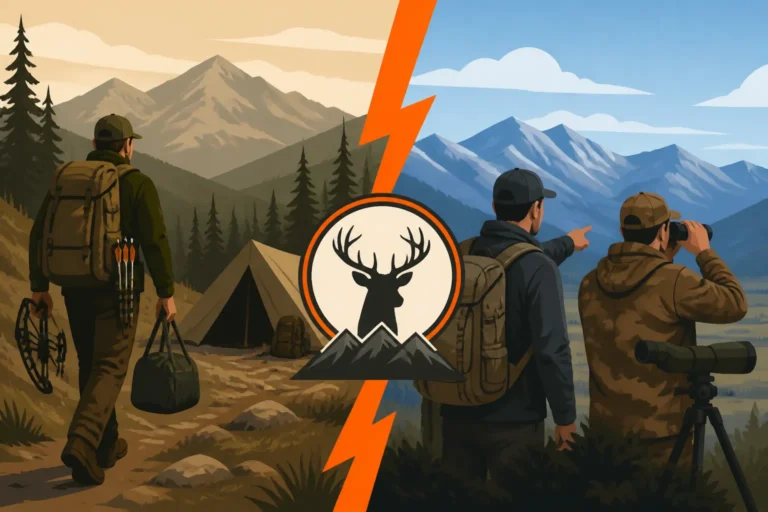
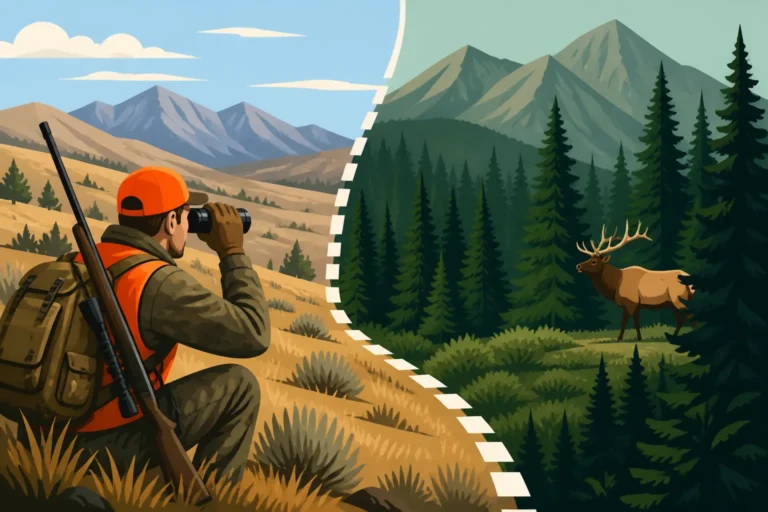
Imagine a true wilderness pack-in elk hunt deep in the Frank Church River of No Return. You're miles from the nearest road, traversing steep, uneven terrain, crossing drainages, and potentially dealing with unpredictable weather. In this environment, a single guide trying to keep track of four or five hunters is simply asking for trouble. The risks of injury, getting separated, or having someone physically unable to keep up increase exponentially with each additional person.
For these kinds of demanding hunts, you'll almost always see lower guide-to-hunter ratios, often 1:1 or 1:2. This allows the guide to provide individualized attention, assess each hunter's physical capabilities, and ensure safety in a truly remote setting. They can focus on tracking, calling, and positioning each hunter for the best shot opportunity without having to constantly worry about the entire group. Furthermore, in a place like the Frank Church, if you are a nonresident hunting some species, you are required to use a guide anyway, adding another layer to the importance of their presence. These Wilderness Pack Trips Built for Hunters aren't just about getting to a remote spot; they are about effective and safe operations once you're there.
Consider the logistics, too. Packing out a downed animal in the backcountry is a massive undertaking. One guide with two hunters might be able to handle a quartered elk; one guide with four hunters would struggle immensely, potentially compromising meat quality or safety. The more remote and physically demanding the hunt, the more crucial it is to have a low hunter-to-guide ratio.
Front-Country and Lodge-Based Hunts May Allow for Flexibility
Contrast the backcountry scenario with a front-country deer hunt operating from a comfortable lodge or base camp, where you're driving out each morning to designated hunting areas. In these situations, the physical demands are generally lower, access to vehicles is readily available, and emergency services are much closer. Here, an outfitter might comfortably run a 1:3 or even 1:4 guide-to-hunter ratio without immediately compromising safety.
The guide's role in these hunts often shifts slightly. Instead of being responsible for navigating deep wilderness with multiple clients, they might be driving hunters to pre-scouted areas, helping with glassing, or setting up short stalks. If a hunter gets a deer down, a vehicle is usually nearby for retrieval, simplifying the logistics. While a higher ratio might mean less one-on-one attention during the hunt itself, the overall safety and logistical challenges are significantly reduced.
However, even in these more accessible hunts, there's a point of diminishing returns. If a guide is constantly trying to juggle too many hunters, the quality of your personal experience will suffer. You might find yourself waiting longer for instructions, getting less direct coaching, or feeling rushed. Even if it's "safe," it might not be the immersive, focused experience you paid for.
Specialized Weapons and Species Often Imply Tighter Ratios
Certain hunting methods and species inherently demand a tighter guide-to-hunter ratio. Archery hunting, for example, is a much more intimate, close-quarters affair than rifle hunting. Bowhunters need to get incredibly close to an animal—often within 60 yards—for an ethical shot. This requires extreme stealth, careful wind management, and precise positioning by the guide. Trying to coordinate three or four archers on a silent stalk for a wary bull elk is incredibly difficult, if not impossible. One misstep, one rustle, and the game is over for everyone.
Therefore, for archery elk hunts, a 1:1 or 1:2 ratio is almost always preferred and often necessary for a realistic chance at success. The guide needs to focus intensely on reading the animal, the wind, and the terrain, and position a single hunter perfectly. Similarly, muzzleloader hunts, while allowing for a bit more range than archery, still often require careful stalking and precise shot placement. You need to understand How Close a Bowhunter Needs to Get on Elk to appreciate why multiple hunters with bows are a challenge for a single guide.
Species also play a role. Hunting mountain goats or bighorn sheep above timberline often involves extreme vertical terrain and demanding physical effort, which would naturally lead to a lower guide-to-hunter ratio for safety and success. In contrast, a predator hunt, such as calling coyotes, might allow for a higher ratio as hunters are typically static and spread out, focusing on a specific field of fire. The more intricate the stalk, the more volatile the animal's behavior, and the more challenging the terrain, the tighter the guide-to-hunter ratio needs to be.
Maximizing Your Hunt: Inquiring About Ratios and Expectations
Understanding the nuances of guide-to-hunter ratios is only half the battle. The other half is proactively communicating with your prospective outfitter to ensure your expectations align with what they can realistically deliver. This is where your due diligence truly pays off.
The Crucial Questions to Ask Your Prospective Outfitter
Don't be shy about asking direct, specific questions regarding guide-to-hunter ratios before you commit any money. This isn't being demanding; it's being a responsible consumer ensuring you understand the service you're purchasing. Here are some key questions to consider:
- "What is your typical guide-to-hunter ratio for this specific type of hunt (e.g., archery elk, rifle mule deer, backcountry spring bear)?" This is important because ratios can change depending on the species and weapon.
- "How many hunters will be in my group, and how many guides will be dedicated to that group?" Get a clear number. Don't settle for vague answers.
- "Will I have a dedicated guide for my entire hunt, or will guides rotate between hunters?" Some outfitters have multiple guides who share responsibility for a larger group, which can dilute the personal attention.
- "What is the maximum number of hunters you take in camp at one time?" This gives you a sense of the overall camp atmosphere and potential pressure on guides.
- "What is the experience level of the guides I'll be hunting with?" A more experienced guide might be able to handle a slightly larger group more efficiently, but a new guide often needs more direct support or a smaller client load.
These are the kinds of Questions Worth Asking Before You Book that can make all the difference. Remember, a reputable outfitter will appreciate your thoroughness and be transparent with their answers.
Vetting Outfitter Promises Against Reality
Unfortunately, not every outfitter is as transparent as they should be. It's crucial to vet their claims about guide-to-hunter ratios against other sources. Start by checking their licensing with the Idaho Outfitters and Guides Licensing Board – you can usually do this online. Then, dive into their references. Ask for recent client contacts and don't be afraid to call them and specifically ask about their experience with guide ratios and the attention they received.
Online resources can also be invaluable. Platforms like BookYourHunt or GoHunt often feature outfitter reviews and testimonials where previous clients might mention their group size and guide experience. Look for patterns: if multiple reviews mention feeling underserved or being part of an overly large group, that's a red flag. Similarly, if an outfitter consistently gets rave reviews about personalized attention, that's a good sign. It's all part of Vetting an Idaho Outfitter Before You Send a Deposit. Pay attention to forums and social media groups where hunters discuss outfitters; sometimes the most honest feedback comes from candid conversations.
It's about cross-referencing. If an outfitter promises a 1:1 ratio but all their references mention 1:3 or 1:4, you have a discrepancy that needs clarification. Don't assume; verify.
How Ratios Directly Impact Your Hunting Success and Enjoyment
Ultimately, the guide-to-hunter ratio isn't just a logistical detail; it directly impacts the quality of your entire hunting experience, from safety to success. A lower ratio, particularly 1:1 or 1:2, offers several significant advantages:
First, enhanced safety. With fewer people to monitor, a guide can pay closer attention to each individual's well-being, especially in challenging terrain or adverse weather. They can react quicker to an injury or a misplaced step. Second, more personalized instruction and coaching. Whether you're a seasoned hunter or new to the game, having a guide focused primarily on you means better advice on shooting positions, wind direction, animal behavior, and tracking. This is invaluable, especially if you're looking to learn.
Third, increased opportunity for success. When a guide only has one or two hunters, they can dedicate more time to scouting, calling, and executing a stalk for your shot opportunity. They aren't trying to juggle multiple hunters' chances, which often results in missed opportunities for everyone. Finally, a lower ratio simply leads to a more enjoyable and less stressful experience. You're not competing for attention, you can move at a pace that suits you, and you build a stronger rapport with your guide. Considering what The Average Cost of a Guided Idaho Elk Hunt or What a Guided Idaho Mule Deer Hunt Costs can be, ensuring a good ratio means you're truly getting value for your significant investment. This impacts everything from how well you Preparing for Elevation on an An Idaho Hunt to the effectiveness of your Satellite Communication From a Backcountry Camp in an emergency. In a guided hunt, you're paying for expertise and dedicated assistance, and the guide-to-hunter ratio is a direct measure of how much of that assistance you'll actually receive. Many hunters even consider Hunting Solo Against Hiring a Guide simply because they want full control over their experience, so make sure your guided hunt delivers.
| Hunt Type | Typical Guide-to-Hunter Ratio | Reasoning |
|---|---|---|
| Backcountry Archery Elk | 1:1 to 1:2 | High stealth, close proximity, physical demands, need for precise positioning, safety in remote areas. |
| Backcountry Rifle Deer | 1:2 to 1:3 | Strenuous terrain, extended range of rifle allows some flexibility, but still requires significant logistical support and attention to safety. |
| Front-Country Rifle Elk | 1:3 to 1:4 | Vehicle access, less strenuous stalks, closer proximity to resources. Focus on spotting and positioning rather than deep wilderness navigation. |
| Muzzleloader Deer/Elk | 1:2 to 1:3 | Similar to archery in need for close stalks (often ~150 yards max), but less precise movement needed than archery. Longer reload times impact group dynamics. |
| Lodge-Based Bear (Spot/Stalk) | 1:2 to 1:3 | Often involves glassing large areas and then stalking. Requires good communication and ability to keep track of a few hunters. |
| Waterfowl/Upland Birds | 1:4 to 1:6 | Less individualized stalking, often from static blinds or walking fields. Guides primarily manage dogs, calls, and safety zones. |
Disclaimer
This article is for general informational purposes only and does not constitute professional advice. Laws, prices and regulations vary by location and change over time. Consult a qualified professional for guidance on your specific situation.